
Have you ever wondered if birds can recognize themselves in a mirror? It’s a question that piques curiosity and invites you to explore the fascinating world of avian intelligence.
Imagine a bird gazing into a mirror, seeing its reflection, and realizing it’s looking at itself. This captivating ability isn’t common among animals, but some remarkable birds possess it. Understanding which birds can do this can change the way you see them and offer insights into their intelligence.
Dive into this intriguing topic to discover which feathered friends have this unique capability, and how it reflects on their mental prowess. You might be surprised at which birds make the list and what it reveals about their complex minds. Don’t miss out on uncovering these surprising truths that could forever change your perception of our winged companions!
Mirror Self-recognition In Animals
Mirror self-recognition means an animal can tell that its reflection is itself. This skill shows self-awareness and intelligence. Many animals are tested by placing a mark on their body and using a mirror to see if they notice it.
Birds are not often thought to have this ability. Some birds, though, can recognize themselves in mirrors. This ability helps scientists learn about animal minds and how they see the world.
Concept And Importance
Mirror self-recognition shows if animals have a sense of “I” or self. It means they can think about themselves as separate beings. This skill is rare and found in only a few species.
Animals that pass mirror tests may have higher thinking skills. This affects how we treat animals and understand their emotions. It also helps us know how intelligence evolved in nature.
Early Studies Beyond Mammals
Most early mirror tests focused on mammals like chimpanzees and dolphins. These animals often show self-recognition. Scientists later tested birds to see if any could do the same.
Some birds, like magpies and crows, showed signs of recognizing themselves. They touched marks on their bodies when looking in mirrors. This was a big discovery because birds have different brains than mammals.
- Magpies passed the mirror test by touching marks on their feathers.
- Crows showed self-directed behaviors in front of mirrors.
- These findings suggest intelligence is not limited to mammals.
- Birds use different brain structures but still show self-awareness.
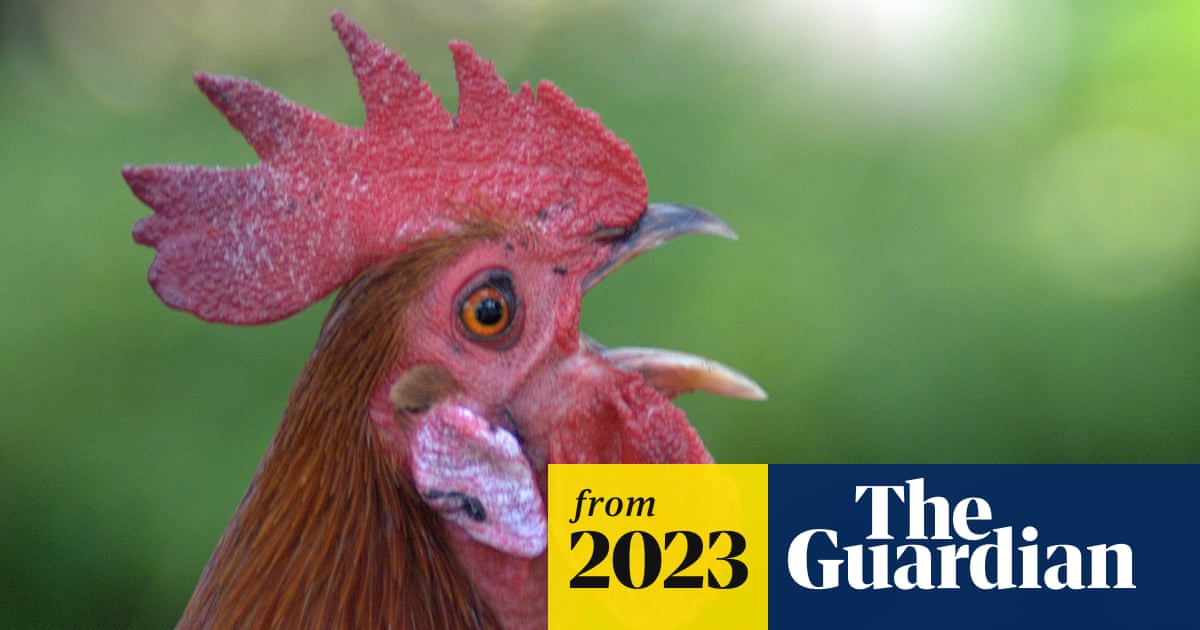
Credit: www.theguardian.com
Bird Species Showing Mirror Recognition
Some bird species can recognize themselves in mirrors. This ability shows high intelligence. It means they understand the reflection is their own image.
Researchers study this skill to learn more about animal minds. Not many animals pass the mirror test, but some birds do.
Magpies And Their Unique Abilities
Magpies are one of the few birds that pass the mirror test. They can look in a mirror and realize the reflection is themselves. This shows self-awareness.
- Magpies use mirrors to find marks on their bodies.
- They touch or try to remove marks seen only in the mirror.
- This behavior proves they know the image is their own.
- Magpies also show problem-solving skills in the wild.
African Grey Parrots’ Cognitive Skills
African Grey Parrots are famous for their talking ability. They also show mirror recognition. These parrots use mirrors to explore their bodies and surroundings.
| Skill | Description |
| Mirror Recognition | Parrots identify themselves in the mirror. |
| Vocal Learning | They can mimic human speech clearly. |
| Problem Solving | Use tools and solve puzzles in tests. |
Crows And Ravens’ Intelligence
Crows and ravens show strong intelligence and social skills. They can recognize themselves in mirrors and use this skill in daily life.
Here are some examples of how crows and ravens use mirror recognition:
- Checking for dirt or parasites on their bodies.
- Using reflections to locate hidden food.
- Learning from their own movements in the mirror.
Experiments Testing Mirror Recognition
Many birds have been tested to see if they can recognize themselves in a mirror. Scientists use special experiments to check this ability. These tests help us understand bird intelligence and self-awareness.
Mirror recognition is important because it shows if an animal can identify itself. Birds show different behaviors when they see their reflection. Researchers observe these behaviors carefully.
Mark Test Methodology
The mark test is a common way to see if birds recognize themselves. A small mark is placed on a part of the bird’s body. The bird cannot see this mark without a mirror.
- The bird is shown a mirror.
- Scientists watch if the bird touches or tries to remove the mark.
- If the bird uses the mirror to look at or touch the mark, it shows self-recognition.
- If the bird ignores the mark, it may not recognize itself.
Behavioral Responses To Mirrors
Birds show many behaviors when they see a mirror. Some react like the reflection is another bird. Others seem to understand the reflection is themselves.
| Behavior | Meaning |
| Pecking at the mirror | Thinking it is another bird |
| Looking behind the mirror | Checking for a real bird |
| Using the mirror to inspect their body | Self-recognition |
| Touching or trying to remove the mark | Awareness of the mark on themselves |
Cognitive Implications Of Mirror Recognition
Some birds can recognize themselves in a mirror. This ability shows they have self-awareness. Scientists study this to learn about bird intelligence.
Mirror recognition tests help us understand how animals think. Birds that pass these tests show complex cognitive skills.
Self-awareness In Birds
Self-awareness means knowing who you are. Some birds, like magpies and crows, can spot themselves in mirrors. They use the mirror to check parts of their bodies they cannot see otherwise.
This shows they understand the reflection is not another bird. They know it is their own image. This skill is rare in the animal world.
- Magpies touch marks on their bodies after seeing them in a mirror
- Crows use mirrors to find hidden food on their bodies
- Some parrots also show signs of self-recognition
Comparisons With Mammalian Cognition
Many mammals, like dolphins and chimpanzees, can recognize themselves in mirrors. Birds showing this skill suggest their brains work in complex ways too. Their self-awareness rivals some mammals.
Bird brains are different from mammal brains. Still, both can reach high thinking levels. This challenges old ideas about brain size and intelligence.
- Mammals often have larger brains but birds use different brain areas
- Both groups show planning, problem-solving, and self-awareness
- Mirror recognition is a sign of advanced thinking in both birds and mammals
Factors Influencing Mirror Recognition
Some birds can recognize themselves in a mirror. This ability shows they have self-awareness. Not all birds can do this. Several factors affect their mirror recognition skills.
Scientists study these factors to understand bird intelligence. The social life of birds and their environment play important roles.
Social Structure And Intelligence
Birds that live in groups often have better social skills. These skills help them understand themselves and others. Birds like magpies and crows show strong social bonds.
Higher intelligence helps birds use mirrors to learn about themselves. Birds with complex social lives may have better memory and problem-solving skills.
- Group living encourages communication
- Social birds learn from each other
- Smart birds use mirrors to explore
Environmental And Evolutionary Pressures
Birds face different challenges in their habitats. These challenges shape their brain and behavior. Birds that need to find food or avoid danger may develop self-awareness.
Evolution favors birds that solve problems well. Mirror recognition may help them survive by improving learning and memory.
- Harsh environments require quick thinking
- Predators encourage alertness and awareness
- Food searching boosts cognitive skills

Credit: www.ornitheology.com
Challenges In Studying Bird Cognition
Studying bird cognition is a complex task for scientists. Birds show many smart behaviors, but understanding them takes careful work.
One challenge is how birds react to mirrors. Some birds seem to recognize themselves, but this is hard to prove clearly.
Interpretation Of Behaviors
Birds may act in ways that look like self-recognition. But their behavior can have other meanings too. It is hard to say what a bird thinks when it sees a mirror.
- Some birds touch marks on their bodies after seeing them in a mirror.
- Others may just be curious about the mirror image.
- Birds might respond to the mirror as if it is another bird.
Scientists must be careful not to assume too much from these actions. The same behavior can have different reasons.
Limitations Of Current Research
Research on bird self-recognition has limits. It is hard to test many bird species the same way. Some birds may not react well to mirrors.
| Limitation | Effect on Study |
| Small sample sizes | Less reliable results |
| Species differences | Results may not apply to all birds |
| Mirror test design | May not fit all bird behaviors |
| Interpretation bias | Scientists may see what they expect |
Future Directions In Bird Cognition Research
Birds that recognize themselves in mirrors show strong cognitive skills. Scientists want to learn more about how birds think and understand the world.
New research methods can help explore bird intelligence in deeper ways. This will improve what we know about animal minds and behavior.
Advanced Experimental Designs
Designs with clear controls help test bird self-recognition better. Experiments can use varied mirror shapes and angles to see responses.
Researchers might include more bird species to compare cognition levels. Using longer study times can show how birds learn about mirrors.
- Test different mirror types and sizes
- Include more bird species in studies
- Use longer observation periods
- Control for social and environmental factors
Technological Innovations
New tech tools can record bird behavior near mirrors automatically. Video tracking and AI analysis help spot subtle actions and reactions.
Wearable sensors on birds can measure brain activity during mirror tests. These tools offer insight into how birds process self-recognition.
- Use cameras with motion detection
- Apply artificial intelligence for behavior study
- Use sensors to monitor brain signals
- Develop apps to analyze test data quickly

Credit: www.youtube.com
Frequently Asked Questions
Which Birds Can Recognize Themselves In Mirrors?
Magpies, crows, and some species of parrots can recognize themselves in mirrors. This ability shows advanced self-awareness.
How Do Birds Demonstrate Mirror Self-recognition?
Birds touch or investigate marks on their bodies only visible in mirrors. This behavior confirms they recognize their reflection.
Why Is Mirror Self-recognition Important In Birds?
It indicates high cognitive abilities and self-awareness. This skill helps birds understand their environment better.
Are All Bird Species Capable Of Mirror Recognition?
No, only certain intelligent species like corvids and parrots show mirror self-recognition. Most birds do not recognize themselves.
Conclusion
Birds that recognize themselves in mirrors show rare intelligence. They understand the reflection is not another bird. This skill helps them learn about their own bodies. Only a few birds, like magpies and crows, pass mirror tests. These findings reveal how smart some birds really are.
Studying them can teach us about animal minds. It also helps us respect nature more. Mirror self-recognition is a fascinating glimpse into bird behavior. It makes us think about how animals see themselves.




