
Are you worried about bird flu affecting your chickens? You’re not alone.
As a chicken owner, nothing is more concerning than the health of your flock. Bird flu, or avian influenza, can pose a significant threat to your chickens, and understanding how to tackle it is crucial. But can you treat bird flu in chickens?
This question might be weighing heavily on your mind. We’ll dive deep into the steps you can take to protect and treat your flock, ensuring their health and your peace of mind. Stay with us as we uncover practical solutions that could make all the difference for your chickens.
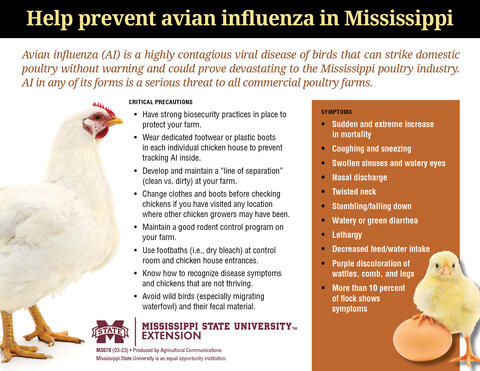
Symptoms Of Bird Flu In Chickens
Bird flu is a serious illness in chickens. Early detection helps protect your flock. Watch for clear signs in their behavior and body.
Knowing the symptoms makes it easier to act fast. This guide covers common signs, behavior changes, and physical symptoms.
Common Signs To Watch
Bird flu can spread quickly among chickens. Look for signs that show the disease is present. These signs often affect many birds at once.
- Sudden death without other symptoms
- Drop in egg production
- Swelling around the head, neck, and eyes
- Purple discoloration of wattles and comb
- Respiratory distress like coughing and sneezing
Behavioral Changes
Infected chickens act differently. They may stop eating and avoid other birds. Watch for these changes to catch bird flu early.
| Behavior | Description |
| Lethargy | Chickens are weak and less active |
| Isolation | Birds stay away from the group |
| Loss of Appetite | Chickens eat less or stop eating |
| Unsteady Walking | Difficulty standing or walking |
| Increased Sleep | Birds rest more than usual |
Physical Symptoms
Bird flu causes clear physical signs. Check your chickens for these symptoms daily to spot illness early.
- Swelling of the face and neck
- Red or purple color on combs and wattles
- Discharge from eyes and nose
- Diarrhea and dehydration
- Labored breathing and coughing
- Sudden death in some cases
Preventive Measures For Bird Flu
Bird flu can spread quickly among chickens. Taking steps to prevent it helps keep your flock safe. You can reduce risks by following good practices.
Preventive measures include biosecurity, vaccination, and farm hygiene. Each area plays a key role in stopping the disease from spreading.
Biosecurity Practices
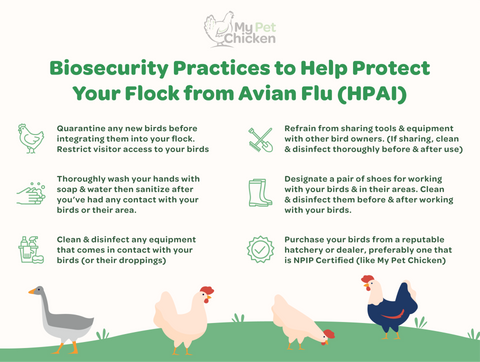
Biosecurity means protecting your chickens from diseases brought in by people, animals, or equipment. It stops bird flu from entering your farm.
- Limit visitors and keep records of who enters the farm.
- Use footbaths with disinfectant at all entrances.
- Wear clean clothes and boots when handling chickens.
- Keep wild birds and rodents away from chicken areas.
- Disinfect equipment and vehicles regularly.
Vaccination Options
Vaccines help chickens build immunity against bird flu strains. Using vaccines lowers the chance of illness and death in your flock.
| Vaccine Type | Target Bird Flu Strain | Notes |
| Inactivated Vaccine | H5N1, H7N9 | Needs booster shots for full protection |
| Recombinant Vaccine | H5N1 | Provides faster immunity |
| Live Attenuated Vaccine | Multiple strains | Used in some regions, consult vet first |
Farm Hygiene Tips
Keeping the farm clean reduces germs and helps stop bird flu spread. Cleanliness is one of the easiest ways to protect your chickens.
- Clean chicken coops and nesting boxes weekly.
- Remove manure and dead birds promptly.
- Provide fresh water and clean feeders daily.
- Disinfect tools and equipment after each use.
- Keep feed storage dry and pest-free.
Treatment Options For Infected Chickens
Bird flu can cause serious illness in chickens. Treating infected birds quickly helps reduce the spread. Different methods can support recovery and keep your flock safe.
Understanding treatment options helps you care for sick chickens. You need to act carefully to protect healthy birds and your farm.
Antiviral Medications
Antiviral drugs may reduce the virus’s effect in chickens. These medicines can help lower symptoms and fight the infection.
Only a veterinarian can prescribe the right antiviral medication. Using drugs without guidance can harm the birds or cause resistance.
Supportive Care
Supportive care keeps chickens comfortable while they heal. It includes feeding, hydration, and managing stress.
- Provide clean water at all times
- Feed nutritious and easy-to-digest food
- Keep the chicken coop warm and dry
- Minimize handling to reduce stress
- Monitor the birds closely for changes
Isolation Procedures
Isolating infected chickens stops the virus from spreading. Separate sick birds from healthy ones as soon as you notice symptoms.
| Isolation Steps | Details |
| Separate Area | Use a different coop or pen away from the flock |
| Protective Gear | Wear gloves and masks when handling sick birds |
| Disinfection | Clean tools and surfaces regularly with safe disinfectants |
| Limit Access | Allow only essential personnel to enter the isolation area |
| Duration | Keep chickens isolated until fully recovered or cleared by a vet |
Credit: extension.msstate.edu
Natural Remedies And Home Care
Bird flu in chickens is a serious illness. Some natural remedies can help support their health at home.
These treatments do not replace veterinary care but can ease symptoms and improve recovery.
Herbal Supplements
Herbs like garlic, ginger, and turmeric may boost chickens’ immune systems. These plants have natural antiviral properties.
Adding small amounts of these herbs to feed or water can support healing and reduce inflammation.
- Garlic: helps fight infections
- Ginger: reduces inflammation
- Turmeric: supports immunity
Nutrition And Hydration
Good food and water help chickens stay strong during bird flu. Provide clean water at all times.
Offer high-protein feed and fresh greens to help repair their bodies and keep energy up.
- Fresh water daily
- Protein-rich grains and seeds
- Leafy vegetables and herbs
Stress Reduction Techniques
Stress weakens chickens’ ability to fight disease. Keep their living area calm and quiet.
Limit loud noises and sudden changes. Provide clean bedding and enough space for each bird.
- Quiet environment
- Clean, dry bedding
- Room to move freely
When To Call A Veterinarian
Bird flu in chickens is a serious illness. It can spread quickly and cause many deaths.
Knowing when to call a vet helps protect your flock and stops the disease from spreading.
Critical Warning Signs
Watch your chickens for these signs. They show you need a vet right away.
- Sudden death without clear cause
- Swelling around the eyes or head
- Difficulty breathing or coughing
- Loss of appetite and weakness
- Discolored comb or wattles
- Unusual sneezing or nasal discharge
These signs mean the bird flu might be spreading fast. Call a vet to save your chickens.
Professional Diagnosis
A vet uses tests to confirm bird flu. They check blood or swab samples.
Early diagnosis helps control the disease. It stops the virus from harming more birds.
- Sample collection from sick birds
- Laboratory tests for virus detection
- Examination of symptoms and history
- Advice on quarantine and biosecurity
Advanced Treatment Methods
Bird flu has no easy cure. Treatment focuses on care and preventing spread.
Vets may recommend special medicines and strict hygiene rules.
- Supportive care like fluids and warmth
- Use of antiviral drugs if advised
- Isolation of infected birds
- Cleaning and disinfecting the coop
- Monitoring healthy birds closely

Credit: agwaycapecod.com
Managing An Outbreak On Your Farm
Bird flu can spread fast among chickens. Managing an outbreak quickly helps protect your flock.
Use strong steps to stop the virus from spreading on your farm and nearby areas.
Quarantine Strategies
Keep sick birds away from healthy ones. Limit movement on your farm to stop the virus.
Set up a quarantine zone for infected chickens. Only trained workers should enter this area.
- Isolate sick birds immediately
- Use separate equipment for quarantined birds
- Restrict visitor access to the quarantine zone
- Monitor all birds daily for symptoms
Disinfection Protocols
Clean and disinfect all areas where birds live and move. This kills the virus on surfaces.
Use approved disinfectants on equipment, tools, and footwear. Repeat cleaning often during an outbreak.
- Remove all organic material before disinfecting
- Disinfect feeders, waterers, and cages
- Clean boots and clothing before leaving bird areas
- Dispose of dead birds safely and promptly
Communication With Authorities
Report any signs of bird flu to local animal health officials. Early reporting helps control the outbreak.
Follow instructions from authorities on testing and handling infected birds. Cooperation is key to protect farms.
- Notify veterinary services immediately
- Share information about symptoms and deaths
- Follow quarantine and culling orders if given
- Keep records of all actions taken on your farm
Credit: www.mypetchicken.com
Frequently Asked Questions
What Are The Symptoms Of Bird Flu In Chickens?
Bird flu symptoms include coughing, sneezing, nasal discharge, and swollen wattles. Chickens may also show lethargy, loss of appetite, and sudden death.
Can Bird Flu In Chickens Be Treated Effectively?
There is no specific treatment for bird flu in chickens. Supportive care and strict biosecurity can help control the spread.
How Can Bird Flu Be Prevented In Chicken Farms?
Prevent bird flu by maintaining good hygiene, limiting farm access, disinfecting equipment, and avoiding contact with wild birds.
Is Bird Flu Contagious To Humans From Chickens?
Yes, bird flu can infect humans but it is rare. Direct contact with infected birds increases risk.
Conclusion
Treating bird flu in chickens is very difficult. The virus spreads quickly among birds. Early detection and isolation help reduce the risk. Always keep your flock clean and safe. Contact a vet if you see sick birds. Prevention remains the best way to protect chickens.
Stay alert and act fast to save your flock. Bird flu control depends on good care and quick action.




