
If your bird suddenly starts coughing, choking, or having trouble breathing, it might be suffering from aspiration. This condition can be scary, but knowing how to treat aspiration in birds can make all the difference.
You want to help your feathered friend quickly and effectively, right? You’ll learn clear, simple steps to recognize aspiration and provide the care your bird needs. Keep reading to protect your pet’s health and give them the best chance to recover.
Signs Of Aspiration In Birds
Aspiration in birds happens when food, liquid, or other material enters the lungs. This can cause serious health problems. Recognizing the signs early helps in getting quick care.
Birds cannot tell us when they feel sick. Watching their behavior closely is important. Some signs show that a bird may have aspiration.
Breathing Difficulties
Birds with aspiration may breathe fast or with effort. Their chest may move more than usual. You might hear wheezing or clicking sounds when they breathe.
Breathing problems happen because the lungs are irritated. The bird may also open its beak to get more air.
- Rapid breathing
- Labored or noisy breaths
- Open beak breathing
- Chest movement with each breath
Coughing And Sneezing
Coughing or sneezing can be signs of aspiration. Birds may try to clear their airways. This can happen right after eating or drinking.
Repeated coughs or sneezes are a sign to check for health issues. Sometimes you may see mucus or food coming from their beak or nose.
- Frequent coughing
- Repeated sneezing
- Mucus discharge
- Food or liquid near beak or nostrils
Lethargy And Weakness
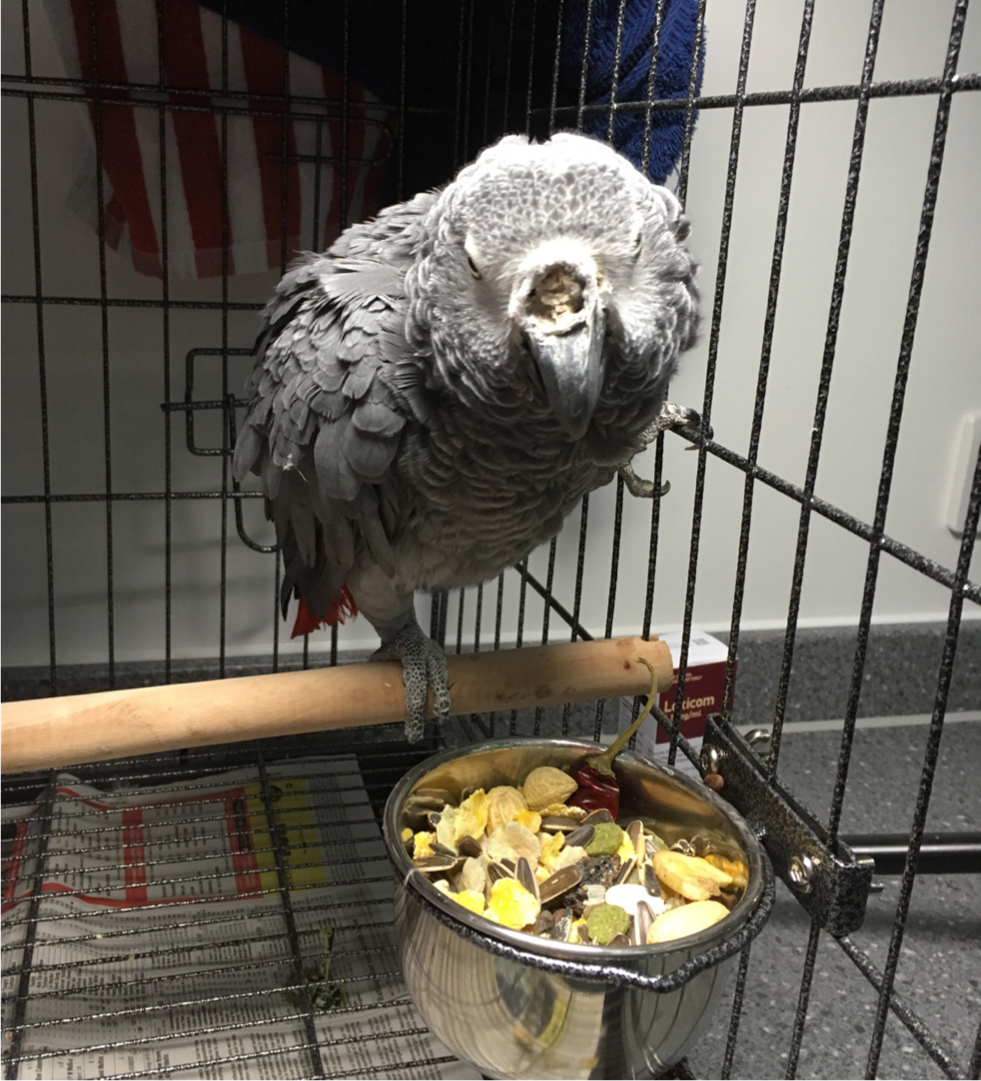
A bird with aspiration may become very tired. It might sit quietly for long periods. Weakness happens because the bird’s body is not getting enough oxygen.
Loss of appetite and less movement are common. The bird may also fluff up its feathers to keep warm.
- Low energy levels
- Less interest in food
- Sitting quietly or hiding
- Fluffed feathers
Credit: www.ukvetcompanionanimal.com
Immediate Actions To Take
Aspiration in birds happens when food or liquid enters their windpipe. This can block breathing and cause serious problems. Act quickly to help your bird breathe again.
Knowing what to do right after aspiration can save your bird’s life. Follow clear steps to handle the situation safely and calmly.
Safe Handling Techniques
Hold your bird gently but firmly to avoid injury. Support the body and avoid squeezing the chest. Use a towel if needed to keep the bird calm.
Keep your bird upright. This helps keep the airways open and prevents more material from entering the lungs.
- Use both hands to support the bird’s body
- Wrap the bird in a soft towel if it struggles
- Keep the bird’s head slightly elevated
Clearing Airways
Check if the bird is breathing. If you see food or liquid blocking the airway, try to remove it carefully. Do not push the material deeper.
If the bird is choking, gently tap its back to help dislodge the object. Avoid strong blows that can hurt the bird.
- Look inside the mouth and throat for blockage
- Use tweezers only if you can see the object clearly
- Do not force anything into the airway
- Tap the bird’s back softly to clear the airway
Keeping The Bird Calm
Stress makes breathing harder for an injured bird. Speak softly and move slowly to avoid frightening it. Keep the environment quiet and dim.
Stay close but do not crowd the bird. Calm birds recover faster and breathe easier after aspiration.
- Use a soft voice to soothe the bird
- Minimize loud noises and bright lights
- Hold the bird gently but securely
- Offer a quiet and warm place to rest
Medical Treatments
Aspiration in birds happens when food or liquid enters the lungs. This can cause serious breathing problems. Quick medical treatment helps birds recover.
Treatment focuses on stopping infection and helping the bird breathe better. Vets use different methods based on the bird’s condition.
Veterinary Diagnosis
A vet checks the bird’s breathing and listens to its chest. They may use X-rays to see the lungs clearly. Blood tests help find infections.
Early diagnosis is important. It helps the vet choose the right treatment fast. This lowers the risk of serious lung damage.
Medications To Reduce Inflammation
Inflammation in the lungs makes breathing hard. Vets give anti-inflammatory drugs to reduce swelling. These medicines help the lungs heal.
Common drugs include corticosteroids and non-steroidal anti-inflammatory drugs (NSAIDs). Doses depend on the bird’s size and health.
- Corticosteroids reduce severe inflammation quickly
- NSAIDs help with mild inflammation and pain
- Medications are given orally or by injection
Oxygen Therapy Options
Birds with breathing trouble may need extra oxygen. Oxygen therapy helps them get enough air. This supports recovery and lowers stress.
Oxygen can be given using a mask or a special chamber. Some birds stay in oxygen cages that keep the air clean and rich in oxygen.
- Face masks deliver oxygen directly
- Oxygen cages provide a calm environment
- Continuous monitoring ensures safe oxygen levels

Credit: www.chewy.com
Home Care Tips
Aspiration in birds happens when food or liquid enters their lungs. This can cause coughing, breathing trouble, or infection. Caring for a bird at home needs careful steps to help it heal.
Proper home care supports the bird’s health and speeds recovery. Watch your bird closely and follow safe practices to avoid more problems.
Proper Feeding Methods
Feed your bird small amounts of soft food to reduce choking risk. Avoid force-feeding, which can cause aspiration again. Use shallow dishes for easier access.
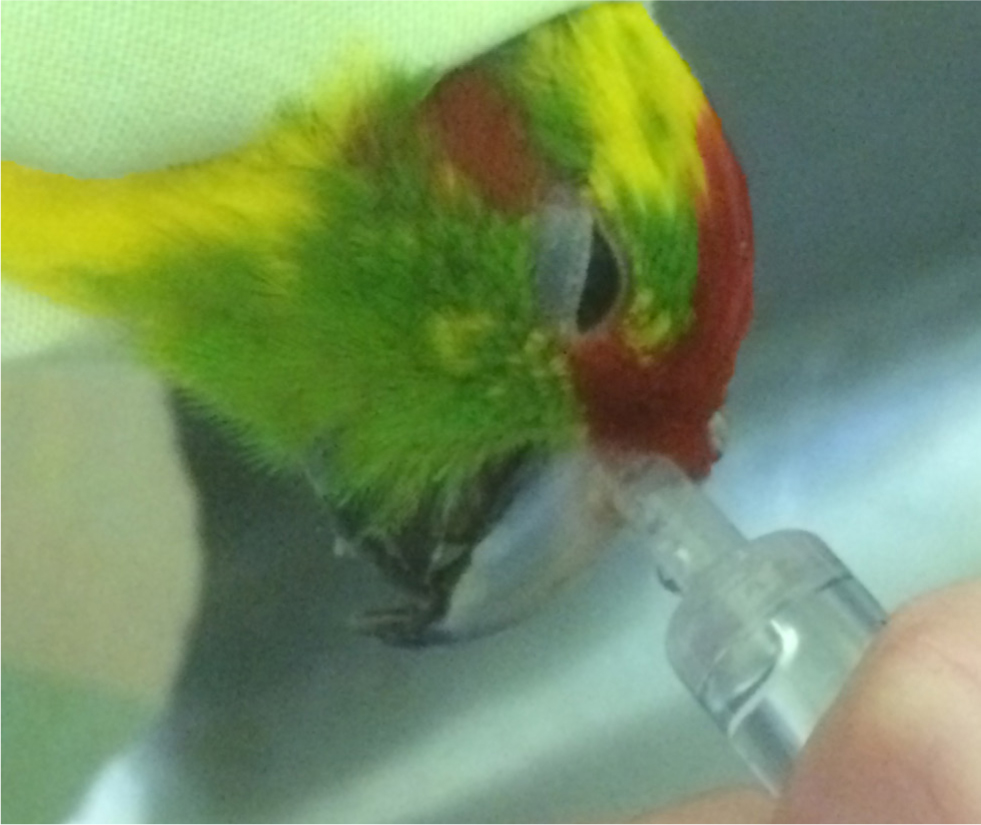
Offer water carefully using a dropper if your bird cannot drink alone. Always keep the feeding area clean to stop bacteria growth.
- Feed small, frequent meals
- Use soft, easy-to-swallow foods
- Avoid force-feeding or large bites
- Use shallow dishes or droppers
- Keep feeding tools clean
Maintaining A Clean Environment
Clean your bird’s cage daily to prevent bacteria and mold. Remove leftover food and droppings often. Use bird-safe cleaners that do not irritate the lungs.
Keep the cage in a well-ventilated room, away from smoke or strong smells. A clean, calm space helps your bird rest and heal faster.
- Clean cage daily
- Remove old food and droppings
- Use safe, non-toxic cleaners
- Provide good air circulation
- Keep away from smoke and fumes
Monitoring Recovery Progress
Watch your bird’s breathing and behavior every day. Look for less coughing and more energy. Note any changes in eating or droppings.
Keep a journal of symptoms and recovery signs. Contact a vet if breathing worsens or if the bird stops eating. Early help can prevent serious problems.
- Check breathing and coughing daily
- Note energy and appetite changes
- Record symptoms and recovery signs
- Seek vet help if condition worsens
- Keep calm and patient during healing
Preventing Future Aspiration
Aspiration in birds can cause serious health problems. Preventing it is important to keep your bird safe and healthy. There are simple steps you can take to reduce the risk of aspiration.
Focus on feeding habits, food choices, and regular health checks. These will help protect your bird from future aspiration issues.
Safe Feeding Practices
Feed your bird slowly and carefully. Use small portions to avoid choking. Make sure the bird is calm and in a proper position during feeding.
- Offer food in small bites
- Use shallow dishes or feeding spoons
- Feed the bird in an upright position
- Do not rush feeding times
- Watch for signs of coughing or choking
Avoiding Risky Foods
Some foods increase the chance of aspiration. Avoid foods that are hard, dry, or crumbly. Soft and moist foods are safer for your bird.
| Risky Food | Reason | Safe Alternative |
|---|---|---|
| Hard seeds | Can cause choking | Soft pellets |
| Dry bread | Crumbles easily and blocks airway | Fresh fruits |
| Sticky foods | May stick in throat | Soft cooked vegetables |
| Large pieces of food | Difficult to swallow | Small cut pieces |
Regular Health Checkups
Regular vet visits help catch problems early. A healthy bird is less likely to suffer aspiration. Keep track of your bird’s weight and eating habits.
- Schedule checkups every 6 months
- Watch for changes in breathing or eating
- Ask the vet about signs of aspiration
- Follow vet advice for care and feeding
- Keep a clean and safe environment
Credit: www.ukvetcompanionanimal.com
Frequently Asked Questions
What Are The Common Signs Of Aspiration In Birds?
Signs include coughing, choking, difficulty breathing, and nasal discharge. Birds may also show lethargy, loss of appetite, and noisy breathing. Early detection helps prevent severe complications and improves treatment success.
How Can I Safely Treat Aspiration In My Bird?
Remove the bird from the source of aspiration immediately. Gently clear the airway if possible, and keep the bird calm. Seek veterinary care promptly for proper diagnosis and treatment, including possible antibiotics or supportive care.
Can Aspiration Cause Long-term Damage In Birds?
Yes, aspiration can lead to pneumonia, lung damage, or chronic respiratory issues. Early treatment reduces risks. Untreated aspiration can severely affect a bird’s health and longevity.
What Preventive Measures Stop Aspiration In Birds?
Feed birds appropriate-sized food and avoid force-feeding. Keep their environment clean and monitor for any swallowing difficulties. Regular vet check-ups help detect risks early and maintain respiratory health.
Conclusion
Caring for a bird with aspiration needs patience and knowledge. Early detection helps in better recovery. Consult a vet for accurate diagnosis and treatment. Create a safe and calm environment to aid healing. Ensure proper hydration and nutrition. Keep an eye on your bird’s behavior for any changes.
Always handle your bird gently to avoid stress. Educate yourself regularly on bird health. Being attentive and informed can make a big difference. Your bird relies on you for care and support. Stay committed to learning and providing the best for your feathered friend.




