
Have you ever wondered how your car seems to see everything around it, even from above? That’s the magic of birds eye view cameras.
They give you a clear, all-around vision, making parking and driving safer and easier. But how exactly do these cameras work to show you a complete picture from multiple angles? Keep reading, and you’ll discover the simple technology behind this amazing feature—and how it can change the way you drive every day.
Basics Of Birds Eye View Cameras
Birds eye view cameras help drivers see the area around their vehicle from above. This view makes parking and driving safer. The system uses multiple cameras placed around the car.
The images from these cameras combine to create a single, clear view. This view shows what is near the car in real time. It helps avoid obstacles and improves spatial awareness.
Core Components
The birds eye view system has several key parts. Each part plays a role in capturing and displaying the images around the car.
- Cameras:Usually four to six cameras are placed on the front, rear, and sides of the vehicle.
- Image Processor:This unit combines images from all cameras and corrects distortions.
- Display Screen:The combined image shows on the car’s dashboard screen for the driver.
- Software:Special software stitches images together to form the overhead view.
How 360° Vision Is Created
The system creates a full 360° view by blending images from all cameras. Each camera covers one part of the area around the car.
| Camera Position | View Area |
| Front Camera | Area in front of the car |
| Rear Camera | Area behind the car |
| Side Cameras | Areas on both sides of the car |
The software corrects lens angles and joins images smoothly. This creates one large, clear image. The view looks like it comes from above the car.

Credit: www.prestigeautosound.com
Camera Placement And Setup
Birds eye view cameras need careful placement for clear images. Proper setup helps create a full top-down view.
Each camera must cover a specific area around the vehicle. The system then combines images to make one seamless picture.
Typical Camera Locations
Cameras are placed at key spots around the vehicle. These spots capture all sides to avoid blind spots.
- Front grille or bumper to cover the front view
- Rear tailgate or bumper for the back view
- Under each side mirror to cover the sides
- Some setups add cameras under the vehicle for ground view
Calibration Process
Calibration links camera images into one clear 360-degree view. It adjusts for angles and lens distortion.
| Calibration Step | Description |
| Mounting Check | Confirm cameras are fixed securely and at correct angles. |
| Image Capture | Take photos of a known pattern around the vehicle. |
| Software Adjustment | Use software to align images and fix distortions. |
| Final Test | Verify seamless stitching and clear top-down view. |
Image Stitching Techniques
Birds eye view cameras create a wide view by merging images from several cameras. This process is called image stitching. It helps drivers see around their vehicle more clearly.
Image stitching uses special methods to combine and correct images. These methods make the final picture smooth and accurate.
Combining Multiple Feeds
Birds eye view systems use cameras placed on different sides of a vehicle. Each camera sends a video feed. These feeds must be combined to form one full image.
- The system aligns overlapping areas in each image.
- It blends edges to hide camera borders.
- The software adjusts brightness and color for consistency.
- It merges feeds in real-time for smooth viewing.
Correcting Distortions
Cameras use wide-angle lenses that cause image distortion. The system corrects these distortions to show a natural view.
| Distortion Type | Description | Correction Method |
| Barrel Distortion | Edges appear curved outwards | Image warping algorithms |
| Pincushion Distortion | Edges curve inward | Lens profile correction |
| Chromatic Aberration | Color fringing at edges | Color channel alignment |
Technology Behind 360° Vision
Birds eye view cameras give a full view around a vehicle. They use several cameras placed at different points. The system stitches images from these cameras to create one wide image.
This technology helps drivers see blind spots and park safely. It depends on smart software and specific hardware parts to work well.
Software Algorithms
Software algorithms combine images from multiple cameras. They correct angles and adjust colors to make the view clear and natural.
- Image stitching merges pictures smoothly
- Calibration fixes camera lens distortion
- Object detection highlights obstacles
- Real-time processing updates the view instantly
Hardware Requirements
The system needs cameras, processors, and sensors to work together. Each part plays a role in creating the 360° vision.
| Component | Function |
| Cameras | Capture images from different angles |
| Processor | Runs software algorithms for image processing |
| Sensors | Detect vehicle position and movements |
| Display | Shows the stitched 360° image to the driver |
Applications In Vehicles
Birds eye view cameras give drivers a clear view of their vehicle from above. This helps with driving and parking in tight spaces. These cameras combine images from several cameras around the car into one view.
Many modern vehicles use birds eye view cameras to improve safety and ease of use. The system reduces blind spots and shows obstacles that are hard to see from inside the vehicle.
Parking Assistance
Birds eye view cameras make parking easier by showing the vehicle’s position relative to surrounding objects. Drivers see a full 360-degree view on the screen.
- Helps avoid hitting curbs or other cars
- Shows space lines and parking spots clearly
- Assists with parallel and tight parking
- Reduces driver stress in crowded areas
Enhanced Safety Features
These camera systems improve vehicle safety by alerting drivers to obstacles and moving objects around the car. They work together with other sensors.
| Feature | Benefit |
| Blind Spot Detection | Warns of cars or objects in side blind spots |
| Rear Cross Traffic Alert | Alerts drivers to crossing traffic when backing up |
| Obstacle Detection | Shows pedestrians or objects near the vehicle |
| Automatic Braking | Stops the car if a collision is imminent |

Credit: www.the-ambient.com
Advantages Over Traditional Cameras
Birds Eye View cameras give a wide view around a vehicle. They combine images from many cameras.
This system helps drivers see more than traditional cameras. It improves safety and ease of driving.
Improved Visibility
These cameras offer a complete view of the area around a vehicle. Drivers can see spots that normal cameras miss.
- Show a 360-degree image around the vehicle
- Combine views from front, back, and sides
- Give a clear bird’s eye image for better judgment
- Work well in tight parking spots and narrow streets
Reduced Blind Spots
Blind spots cause many accidents. Birds Eye View cameras reduce these dangerous areas.
| Feature | Traditional Cameras | Birds Eye View Cameras |
| Blind Spot Coverage | Limited | Almost none |
| Driver Awareness | Partial | Complete |
| Parking Help | Basic | Advanced guidance |
| Safety | Lower | Higher |
Challenges And Limitations
Birds eye view cameras give drivers a wide view around their vehicle. They use multiple cameras and software to create this view. Despite their benefits, these systems have some challenges and limits.
Understanding these issues helps users know when the system might not work perfectly. This guide covers two main challenges: weather impact and system complexity.
Weather Impact
Bad weather can make birds eye view cameras less effective. Rain, snow, fog, and dirt can cover the camera lenses. This reduces the image quality and blocks the view.
Low light during storms or fog also makes it hard for cameras to capture clear images. When this happens, the system may show blurry or dark pictures. Drivers need to be careful and not rely only on the cameras in bad weather.
- Rain drops on lenses blur the image
- Snow can cover cameras and block views
- Fog reduces visibility for all cameras
- Dirt and mud also block lens view
- Low light makes images less clear
System Complexity
Birds eye view camera systems use many cameras around the vehicle. These cameras send images to a computer. The computer joins the images to create a full view.
This process needs strong software and hardware. Small errors in camera alignment or software can cause wrong images. The system must be set up and maintained well to work correctly.
- Multiple cameras must be well placed
- Software must stitch images accurately
- Calibration is needed after repairs or impacts
- System updates may be required
- High cost can limit upgrades and fixes
Future Trends In 360° Vision
Birds eye view cameras give a complete view around a vehicle. This helps drivers see all angles easily. The technology keeps improving fast.
New trends will make 360° vision clearer and smarter. These changes will help drivers stay safer on the road.
Ai Integration
Artificial intelligence helps cameras understand what they see. AI can detect objects like cars, people, or animals.
This lets the system warn drivers about dangers. AI also improves image stitching for smoother views.
- Detects moving objects around the vehicle
- Alerts drivers to possible collisions
- Improves image quality by fixing blind spots
Higher Resolution Imaging
Higher resolution cameras capture sharper images. This makes it easier to see small details around the car.
Better image quality helps drivers park and navigate tight spaces. It also works well in low light conditions.
- Clearer images in daylight and night
- Better zoom and close-up views
- Improved safety with detailed surroundings
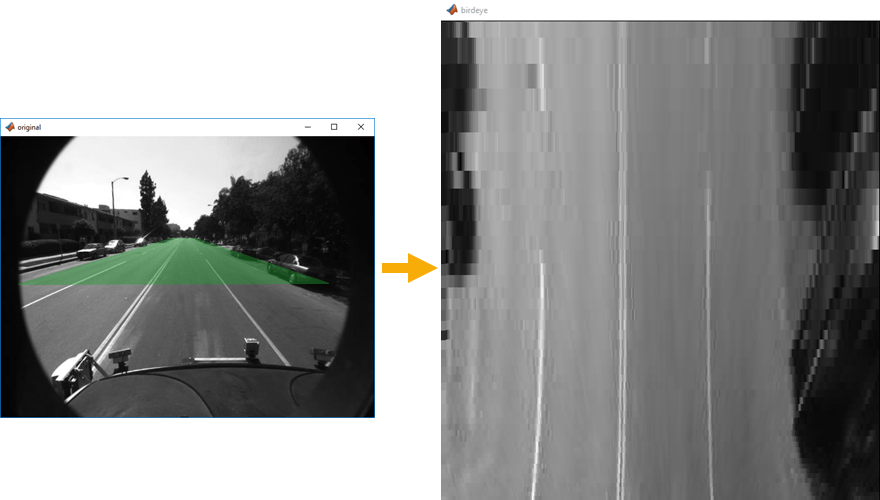
Credit: medium.com
Frequently Asked Questions
What Is A Birds Eye View Camera System?
A birds eye view camera system uses multiple cameras to create a 360-degree image. It provides a top-down view of the vehicle’s surroundings. This helps drivers park and maneuver safely by eliminating blind spots.
How Do Birds Eye View Cameras Capture Images?
These cameras capture images from different angles around the vehicle. The system stitches these images together in real-time. The result is a seamless, bird’s eye perspective displayed on the dashboard screen.
What Vehicles Use Birds Eye View Cameras?
Many modern cars, SUVs, and trucks use birds eye view cameras. They are common in luxury and mid-range vehicles. Some aftermarket kits allow installation on older models too.
How Do Birds Eye View Cameras Improve Safety?
They reduce blind spots and help detect obstacles around the vehicle. This minimizes parking accidents and collisions in tight spaces. They increase driver awareness and confidence during tricky maneuvers.
Conclusion
Birds Eye View Cameras offer a unique perspective. They enhance safety by reducing blind spots. Drivers gain better visibility around their vehicles. Parking becomes easier with a clearer view. These cameras use multiple angles to create a single image. Technology continues to improve their accuracy and reliability.
Understanding their function helps in appreciating their benefits. Such cameras make driving more secure and convenient. They are a valuable tool for modern vehicles. Explore their features for a safer driving experience. Embrace technology for improved road awareness.




