
Have you ever wondered how many perspectives a bird’s eye view actually offers? You might think it’s just one simple angle from above, but there’s more to it than meets the eye.
Understanding these different viewpoints can change the way you see maps, designs, and even everyday scenes. If you want to unlock this new way of looking at things, keep reading—because what you discover might surprise you.

Credit: medium.com
Concept Of Bird’s Eye View
A bird’s eye view shows a scene from above. It looks like how a bird sees the ground.
This view helps people understand the layout of a place. It shows all parts clearly and simply.
Number Of Perspectives In A Bird’s Eye View
A bird’s eye view mainly has one perspective. It shows the scene from directly above.
Sometimes, artists add slight angles. This gives a more 3D look but still feels like from above.
How The Perspective Works
The view looks straight down. It flattens the scene to show all details at once.
This perspective removes depth. Objects look smaller or bigger depending on size, not distance.
Uses Of Bird’s Eye View Perspective
People use bird’s eye views in maps, plans, and art. It helps to see all parts clearly.
- City maps show streets and buildings
- Architects use it for building layouts
- Game designers plan levels and scenes
Types Of Perspectives In Bird’s Eye View
Bird’s eye view shows a scene from above. It helps us see the layout clearly.
There are different types of perspectives in bird’s eye view. Each shows the scene in a unique way.
Top-down Perspective
The top-down perspective looks straight down from above. It shows objects flat and without depth.
This view is useful for maps and plans. It shows exact positions and sizes.
Oblique Perspective
Oblique perspective tilts the view slightly. It shows the top and sides of objects.
- Shows height and depth
- Good for buildings and objects
- Gives a 3D feel but keeps top view
Aerial Perspective
Aerial perspective shows the view from high above but at an angle. It adds distance effects.
| Feature | Description |
| Depth | Objects appear smaller as they get farther |
| Color | Distant objects look lighter or bluer |
| Detail | Far objects have less detail |
Applications Of Bird’s Eye View Perspectives
A bird’s eye view shows scenes from above. It gives a wide, clear view of an area. This perspective helps in many fields to see details and plan better.
Bird’s eye views can have different angles and distances. The main idea is looking down from high above. This helps people understand spaces clearly.
Cartography And Mapping
Maps often use bird’s eye views to show land and features. This view helps map makers display roads, rivers, and buildings in one image.
Using this perspective makes it easier to read and understand maps. It shows how places connect and where things are located.
Urban Planning
City planners use bird’s eye views to design streets and parks. This view helps them see how buildings fit together.
It allows planners to spot problems and create better layouts for traffic and green spaces.
- Plan roads and traffic flow
- Design public parks and spaces
- Arrange buildings for better use of land
Video Games And Animation
Bird’s eye views help players see the whole game map. It shows the character’s position and nearby objects clearly.
In animation, this view creates interesting scenes from above. It gives a new angle that makes stories more exciting.
- Show game environment clearly
- Help players plan moves
- Create dynamic animated shots
Photography And Cinematography
Photographers use bird’s eye views to capture wide areas. This helps show landscapes and cities in one photo.
Filmmakers use this perspective to add drama and scale. It shows scenes from a unique angle that draws attention.
- Capture large scenes in one frame
- Highlight patterns and shapes
- Add visual interest in films
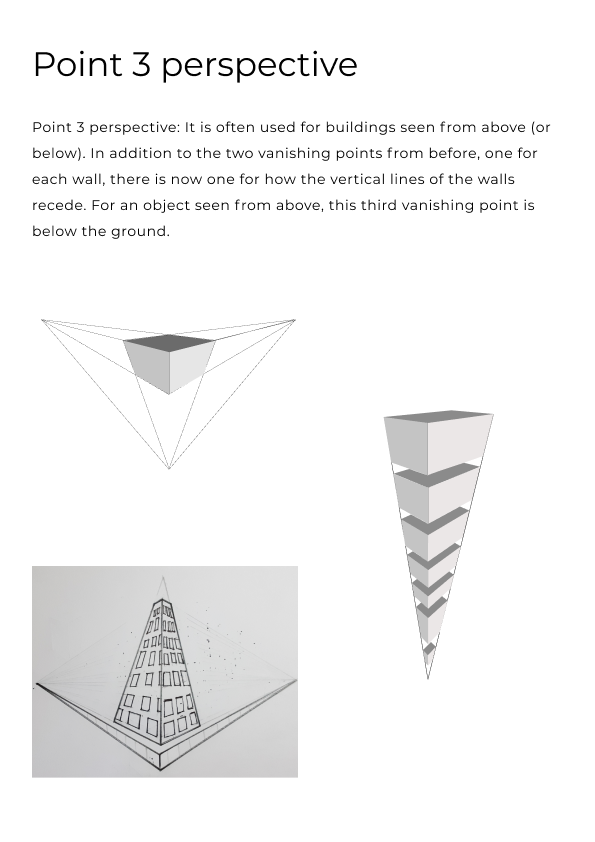
Credit: medium.muz.li
Advantages Of Multiple Perspectives
A bird’s eye view shows the scene from above. It can have many perspectives. Using multiple perspectives helps us see more details.
Different views give a better understanding of the area. This helps in planning and making decisions.
Better Spatial Awareness
Multiple perspectives show the layout clearly. You can see how objects relate to each other.
This helps in understanding distances and directions. It is useful for navigation and design.
Improved Problem Solving
Seeing a place from different angles helps find problems. You notice things you might miss with one view.
This makes it easier to fix issues and plan better solutions.
Enhanced Communication
Multiple perspectives help explain ideas clearly. People can understand the space from many sides.
This is useful in teamwork and presentations. Everyone sees the full picture.
Increased Creativity
Looking from many angles sparks new ideas. It helps in design, art, and planning projects.
You can combine views to create unique results.
Challenges In Capturing Bird’s Eye Views
Bird’s eye view shows a scene from above. It helps us see large areas clearly.
Capturing this view has many challenges. Photographers and artists face these problems often.
Limited Perspectives In Bird’s Eye View
Bird’s eye view usually shows one main perspective: looking straight down. This limits how much detail we see on sides.
Changing angle can add depth but makes it harder to keep true scale and shape.
Difficulty In Maintaining Scale And Proportion
Keeping objects in correct size is tough in bird’s eye view. Distances can look shorter or longer than real life.
Errors in scale make maps or images less useful for navigation or planning.
Obstruction And Hidden Details
Trees, buildings, or clouds can block the camera or artist’s view. This hides important parts of the scene.
Missing details reduce the accuracy and usefulness of the bird’s eye image.
Technical Limits Of Equipment
Cameras and drones have limits in height, resolution, and stability. These affect image quality.
Strong winds or poor light make it harder to capture clear bird’s eye views.
Complexity In Creating Multiple Perspectives
Bird’s eye views usually show one angle. Showing more perspectives means combining many images or drawings.
This process needs skill and time. It can confuse viewers if not done clearly.
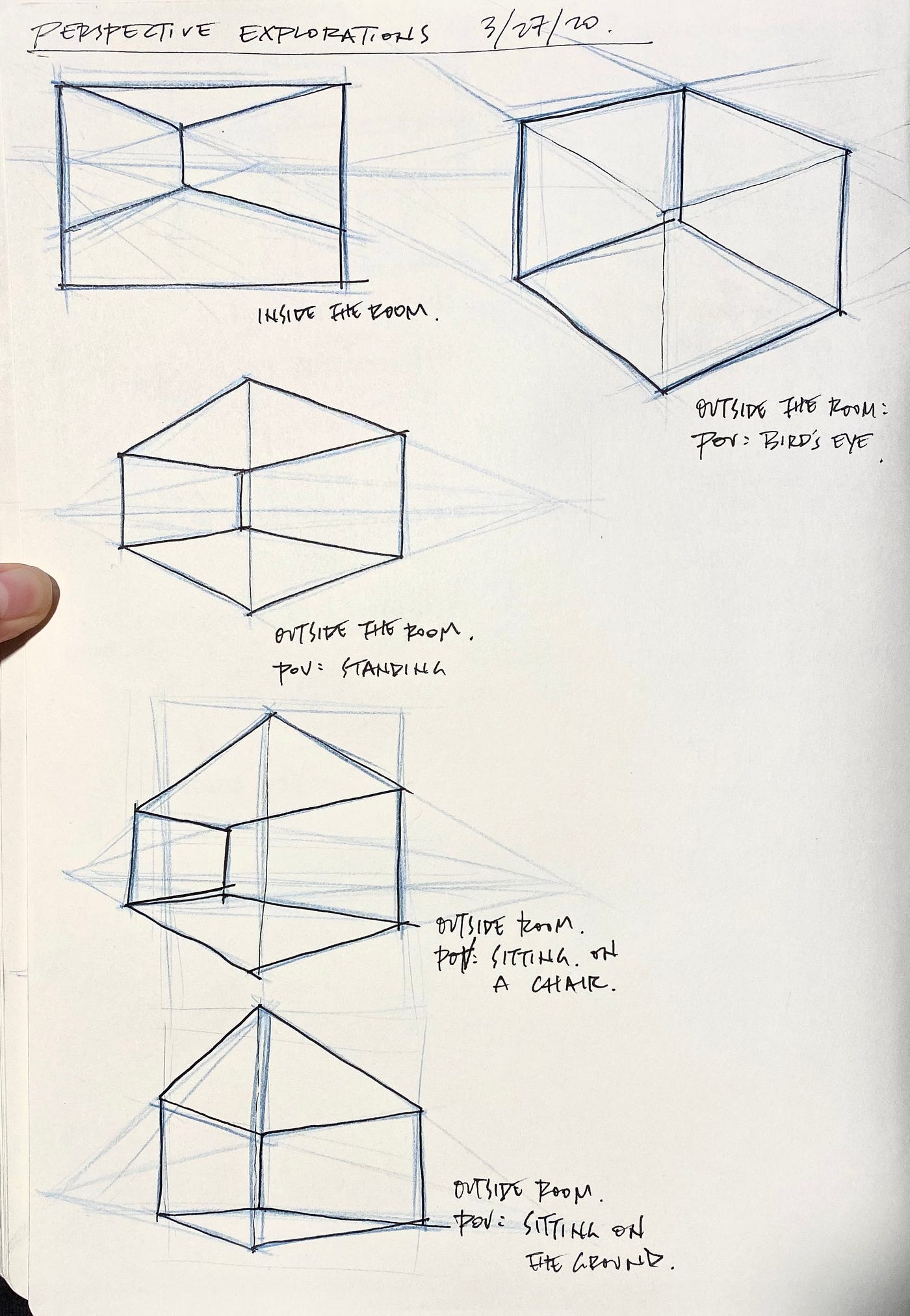
Credit: chelsealiu-40923.medium.com
Frequently Asked Questions
How Many Perspectives Does A Bird’s Eye View Have?
A bird’s eye view primarily offers one perspective: a top-down or aerial view. This perspective allows viewers to see layouts, spatial relationships, and patterns from above, providing a comprehensive overview of an area or scene.
What Makes Bird’s Eye View Unique In Perspective?
Bird’s eye view is unique because it shows objects from above. This perspective reveals spatial arrangements and scale, offering a clear understanding of geography or design that ground-level views can’t provide.
Can Bird’s Eye View Show Multiple Angles Simultaneously?
No, a bird’s eye view shows a single, top-down angle. It captures everything from above, but does not provide side or oblique angles, which require other types of perspectives.
How Does Bird’s Eye Perspective Help In Mapping?
Bird’s eye perspective helps mapping by displaying accurate layouts from above. It highlights roads, buildings, and natural features clearly, aiding navigation and urban planning effectively.
Conclusion
A bird’s eye view offers many ways to see things. It shows wide areas from above, giving clear and simple perspectives. This view helps understand spaces, shapes, and layouts quickly. It can change how we think about places and plans.
Using different angles within this view adds depth and detail. This makes it easier to spot patterns and connections. Overall, a bird’s eye view gives useful insights in a clear, easy way. It is a valuable tool for many fields and everyday life.




