
Are you wondering if the seeds you carefully plant will end up feeding birds instead of growing into the plants you want? It’s a common concern for gardeners and plant lovers like you.
Imagine putting time and effort into your garden, only to see birds swoop in and snatch your seeds before they even have a chance to sprout. But don’t worry—understanding whether birds will eat your seeds can help you protect your garden and enjoy the fruits of your labor.
Keep reading to discover what really happens when you plant seeds outside and how you can keep those hungry birds at bay.
Birds And Seed Consumption
Birds play a major role in seed consumption, and understanding their preferences can help you decide which seeds to plant if you want to attract them. Not all seeds are equally appealing to birds, and their choices depend on various factors including taste, nutritional value, and ease of access. Observing which seeds birds favor can guide you in creating a bird-friendly environment that supports local wildlife.
Types Of Seeds Birds Prefer
Different bird species have distinct seed preferences. Some common favorites include:
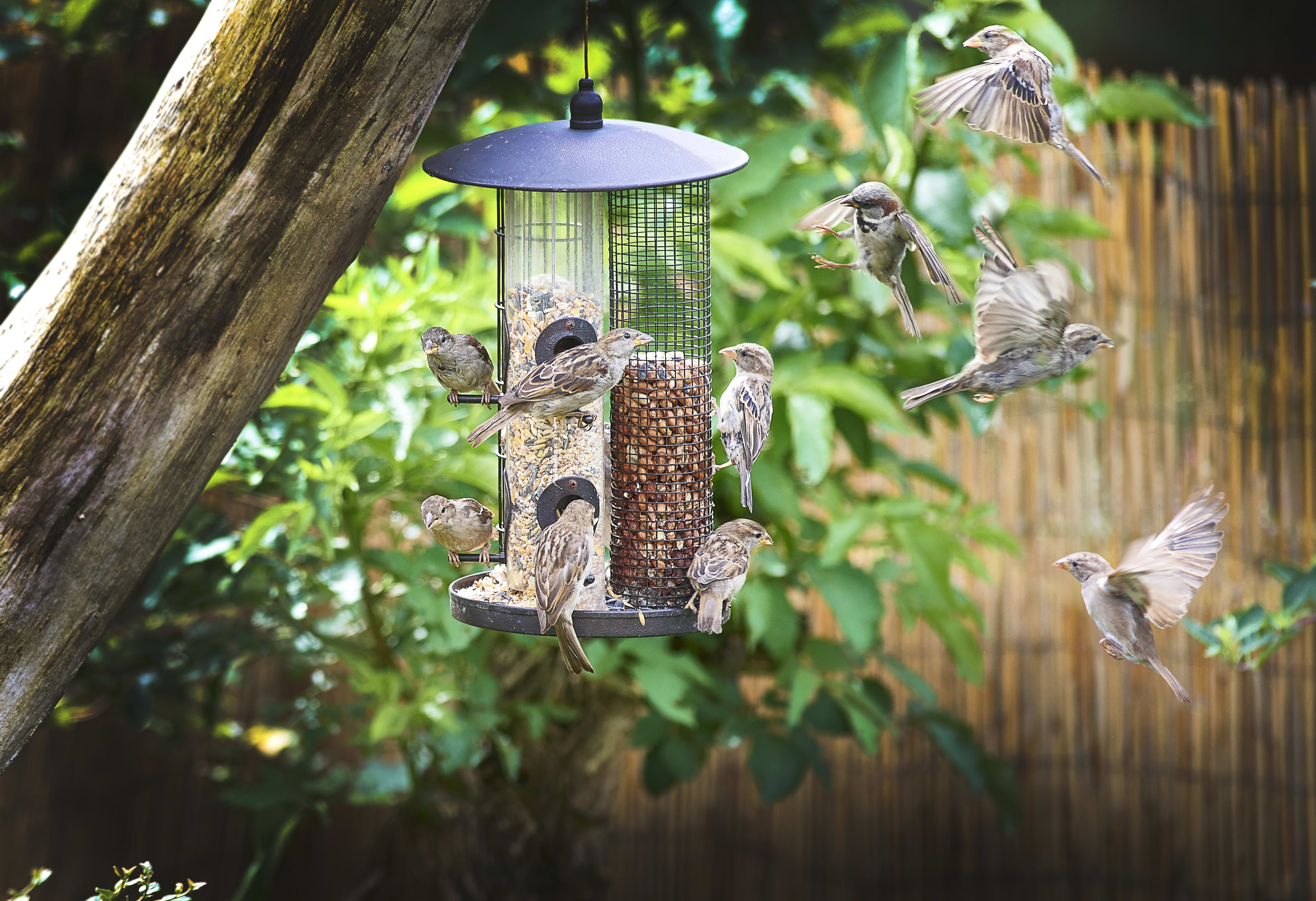
- Sunflower Seeds:These are a top choice for many birds like cardinals, finches, and chickadees due to their high fat content.
- Nyjer (Thistle) Seeds:Small finches such as goldfinches love these tiny seeds.
- Safflower Seeds:Preferred by cardinals and grosbeaks, but usually ignored by squirrels.
- Milo and Millet:Often eaten by ground-feeding birds like doves and sparrows.
If you want to attract a variety of birds, offering a mix of these seeds can be more effective than planting a single type.
Factors Influencing Birds’ Seed Choices
Birds don’t just eat seeds randomly; several factors affect their choices.
- Seed Size and Shape:Smaller birds prefer smaller seeds they can handle easily, while larger birds go for bigger seeds.
- Seed Nutrition:Fat and protein content influence preference, especially during colder months when energy needs are higher.
- Accessibility:Seeds that are easier to extract and eat tend to be favored.
- Competition and Safety:Birds might avoid seeds that put them at risk from predators or competition from other animals.
Have you noticed how some seeds remain untouched while others vanish quickly? This might be your clue to what your local birds truly enjoy. Try experimenting with different seeds and observe which ones attract more birds to your garden.
Credit: dengarden.com
Common Garden Seeds And Birds
Understanding how birds interact with the seeds you plant can save you time and effort in your garden. Birds are selective eaters, and not every seed you sow will attract them. Knowing which common garden seeds birds prefer helps you plan better and protect your plants.
Vegetable Seeds
Vegetable seeds like lettuce, carrots, and beans generally don’t attract many birds because they are small and often buried deep in the soil. However, birds may peck at seeds on the surface, especially sunflower and corn seeds. If you’ve noticed birds nibbling your corn seedlings, you’re not alone—many gardeners face this challenge.
To protect your vegetable seeds, try covering freshly sown areas with light netting until the seedlings emerge. This can keep birds from disturbing the soil and eating your seeds.
Flower Seeds
Flower seeds are a mixed bag when it comes to birds. Large, oily seeds like those from sunflowers and cosmos attract many species such as finches and sparrows. On the other hand, tiny seeds like petunias or marigolds usually go unnoticed by birds.
If you want birds to visit your garden, planting sunflowers can be a great idea. But be prepared for some seed loss if you’re saving seeds for next season. Do you want to encourage birds, or keep your flower seeds safe? Your choice can shape your garden’s future.
Herb Seeds
Herb seeds, such as basil, thyme, and parsley, are typically too small or unappealing for most birds. Birds generally avoid these seeds because they lack the energy-rich oils found in other seeds. However, some birds might nibble on herbs if other food is scarce.
If you’ve noticed birds pecking at your herb beds, consider using lightweight covers or sowing seeds in pots. This helps ensure your herbs grow without becoming a bird snack.
Why Birds Eat Some Seeds But Not Others
Birds choose seeds based on many factors. Some seeds attract birds easily. Others birds avoid. Understanding why can help you pick the right seeds to plant. It also helps you create a bird-friendly garden.
Seed Size And Hardness
Birds prefer seeds they can eat easily. Small seeds suit small birds. Large seeds suit bigger birds. Hard seeds can be tough to crack. Birds avoid very hard seeds unless they have strong beaks. Soft seeds are usually more popular.
Nutritional Value
Seeds with high nutrition attract birds more. Seeds rich in fats, proteins, and oils give birds energy. Birds select seeds that help them survive and stay active. Low-nutrition seeds are less appealing. Birds learn which seeds give the best energy.
Seed Coatings And Treatments
Some seeds have coatings to protect them. These coatings can taste bad or be toxic to birds. Birds avoid seeds with chemicals or unpleasant coatings. Natural seeds without treatments are safer and more attractive. Birds trust seeds that look and smell natural.
How To Protect Your Seeds From Birds
Protecting your seeds from birds is essential if you want a successful garden. Birds can quickly snatch seeds right after you plant them, leaving you with bare soil and lost effort. Fortunately, there are practical ways to keep your seeds safe while still allowing your garden to thrive.
Physical Barriers
Covering your seeds with physical barriers is one of the most straightforward ways to protect them. Use lightweight row covers or garden nets to create a shield without blocking sunlight or water. Even placing a fine mesh or netting over freshly planted areas can deter birds from pecking at your seeds.
Another option is to use cloches or small plant domes. These clear covers trap warmth and keep birds away simultaneously. Think about how a simple wire cage around your seed beds can stop hungry birds but still allow you easy access for watering and tending.
Natural Deterrents
Natural deterrents can discourage birds without harming them or your garden. Scattering chili powder or crushed eggshells around the planting area often makes birds think twice before landing. The taste and texture are unpleasant for them but safe for your soil.
Reflective objects like old CDs or shiny ribbons fluttering in the breeze can also scare birds away. Have you noticed how birds avoid shiny surfaces? Hanging these near your planting beds can keep birds on alert and away from your seeds.
Timing And Planting Strategies
Planting seeds at the right time can reduce their exposure to hungry birds. Sow seeds just before a rain or when birds are less active, such as early morning or late afternoon. This reduces the window in which seeds are vulnerable.
Mix your seed planting with fast-growing cover crops or mulch to hide seeds from birds’ sight. You might find that planting in small batches over several days confuses birds and lowers seed loss. Have you tried planting in patches rather than all at once?
Benefits Of Birds In Your Garden
Birds bring more to your garden than just beauty and song. They play a key role in keeping your plants healthy and thriving. Not only do they enjoy the seeds you plant, but they also help create a balanced ecosystem that benefits your garden in multiple ways.
Pest Control
Birds naturally hunt insects and pests that can damage your plants. They eat aphids, caterpillars, and beetles, reducing the need for chemical pesticides. Have you noticed fewer bugs after birds visit your garden? That’s their helpful work in action.
Encouraging birds means fewer pests and healthier plants. You might spot a robin or a chickadee picking off harmful insects right from your leaves. This natural pest control saves time and protects your garden’s health.
Pollination Support
While bees get most of the credit, some birds also support pollination. Hummingbirds and certain other species transfer pollen as they move from flower to flower. This helps fruits, vegetables, and flowers grow more successfully.
Adding nectar-rich flowers can attract these pollinators to your garden. Have you tried planting bright blooms like trumpet vine or bee balm? These invite hummingbirds and other pollinators to boost your garden’s productivity.
Soil Fertility Enhancement
Bird droppings act as a natural fertilizer, adding essential nutrients to your soil. Their waste contains nitrogen, phosphorus, and potassium, which plants need to grow strong. This can improve soil quality over time without extra effort from you.
Regular bird visits mean your soil gets a steady supply of these nutrients. Have you noticed healthier green growth or bigger blooms after birds frequent your garden? That’s the positive impact of their presence on soil fertility.
Credit: www.coryslawnservice.com
Balancing Bird Activity With Seed Protection
Planting seeds can attract hungry birds looking for an easy meal. Protect your seeds by using netting or scare devices. These methods help ensure that seeds grow into healthy plants without being eaten.
Balancing bird activity with seed protection in your garden can seem like a tricky task. On one hand, birds are a delight to watch and can help control pests. On the other, they might munch on your newly planted seeds. How can you enjoy bird visits without sacrificing your garden’s growth? Here are some practical strategies to strike that balance.Creating Bird-friendly Zones
Designate specific areas of your garden as bird-friendly zones. Plant native shrubs and flowers that provide natural food and shelter for birds. This encourages them to frequent these areas and leaves your seed beds untouched. You might be surprised at how quickly birds flock to these designated zones. When I planted berry bushes in one corner of my garden, it became a lively hub for birds, giving my vegetable patch a much-needed reprieve.Selective Feeding Areas
Establish selective feeding areas away from your garden beds. Scatter seeds or place feeders in these zones to attract birds to specific spots. This approach reduces the likelihood of birds venturing into your newly planted areas. Consider using seeds that birds love but are less appealing to other garden pests. Sunflower seeds, for example, are a favorite for many birds and can keep them occupied.Using Bird Feeders Effectively
Utilize bird feeders strategically to manage bird activity. Place feeders at a distance from where you plant seeds. This helps guide bird traffic away from vulnerable spots in your garden. Opt for feeders that cater to your local bird species. Research what your local birds prefer, and fill your feeders accordingly. By doing so, you ensure the feeders are enticing enough to draw birds away from your seeds. By implementing these strategies, you can enjoy the best of both worlds: a vibrant bird population and a thriving garden. How have you successfully kept birds from munching on your seeds? Share your tips and experiences!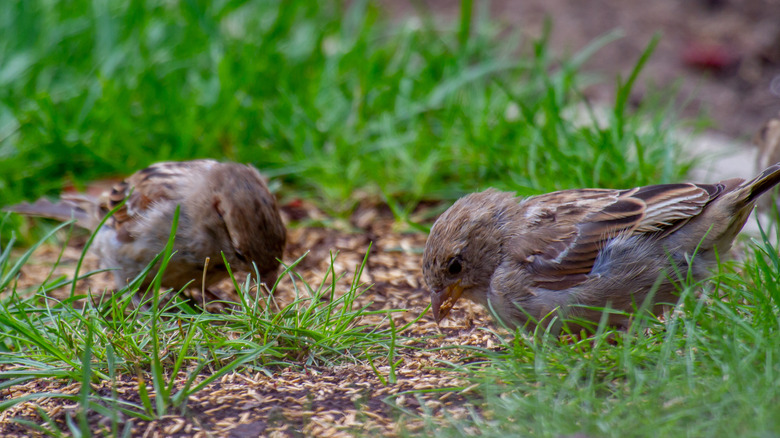
Credit: www.housedigest.com
Frequently Asked Questions
Will Birds Eat Seeds I Plant In My Garden?
Yes, many birds are attracted to freshly planted seeds. They often dig or peck at the soil to find them. Using bird netting or covering seeds can help protect your plants during germination.
Which Seeds Do Birds Prefer To Eat Most?
Birds commonly eat sunflower, millet, and nyjer seeds. They also enjoy grains like corn and oats. Preferences vary by bird species and region, so local birds may favor specific seeds.
How Can I Protect Planted Seeds From Birds?
Cover seeds with light netting or garden fabric. You can also use natural bird repellents or create scare tactics like reflective tape. Planting in dense clusters may reduce seed loss to birds.
Do Birds Help Or Harm My Planted Seeds?
Birds can harm seeds by eating them before germination. However, they also help by dispersing seeds and controlling pests. Their overall impact depends on bird species and garden conditions.
Conclusion
Birds often eat the seeds you plant, but it depends on the seed type. Some seeds attract more birds than others. Using bird feeders can help protect your plants. Planting seeds in dense groups may reduce loss. You can enjoy both gardening and watching birds.
Patience helps as plants and birds find balance. Watching nature unfold brings joy to many gardeners. Keep experimenting to find what works best for you. Your garden can thrive with a little care and planning.




