
Have you ever wondered what happens to bird seed after you scatter it in your garden? What if you could grow beautiful plants right from those tiny seeds you feed the birds?
Imagine turning your bird feeding routine into a simple way to grow fresh greens, flowers, or even herbs. You’ll discover which plants actually grow from bird seed, how to nurture them, and how this little secret can bring more life and color to your outdoor space.
Keep reading to find out how your bird seed can do more than just feed feathered friends—it can grow your garden too!

Credit: www.reddit.com
Common Seeds Found In Bird Mixes
Bird seed mixes are more than just food for your feathered visitors. They contain a variety of seeds that can sprout into plants if left in your garden or pots. Understanding which seeds commonly appear in these mixes helps you decide what might grow and how it could benefit both your birds and your outdoor space.
Types Of Seeds Attracting Birds
Bird seed blends often include a mix of sunflower seeds, millet, safflower, cracked corn, and sometimes nyjer seeds. Each seed attracts different bird species, from sparrows to finches and cardinals. Sunflower seeds are especially popular because they appeal to many birds and are easy to grow in gardens.
- Black oil sunflower seeds:Loved by most birds, these seeds have thin shells and high oil content.
- Millet:Small and round, millet attracts ground-feeding birds like doves and sparrows.
- Safflower:A good option if you want to keep squirrels away, as many birds prefer it but squirrels do not.
- Cracked corn:Often used to attract larger birds like jays and pheasants.
- Nyjer (thistle):Tiny seeds favored by finches, requiring special feeders to prevent spillage.
Nutritional Value For Birds And Garden
These seeds do more than just feed birds—they can enrich your garden soil once they sprout. High oil content in sunflower seeds provides energy to birds during colder months, while millet offers carbohydrates for smaller birds’ quick energy needs. When these seeds grow into plants, they can add greenery, attract pollinators, and even improve soil health.
Have you noticed seedlings popping up where you spilled bird seed last season? That’s nature’s way of recycling nutrients. Growing these plants yourself can create a natural bird habitat and reduce the need for store-bought bird feed over time. What plants have surprised you by growing from bird seed?
Plants That Sprout From Bird Seed
Bird seed isn’t just food for your feathered visitors—it can also be a surprising source of new plants in your garden. Many seeds you scatter outside can sprout into vibrant greenery, offering you a chance to grow some of the same plants your birds enjoy. Understanding which plants emerge from bird seed helps you decide if you want to encourage this natural growth or manage it carefully.
Sunflowers And Their Varieties
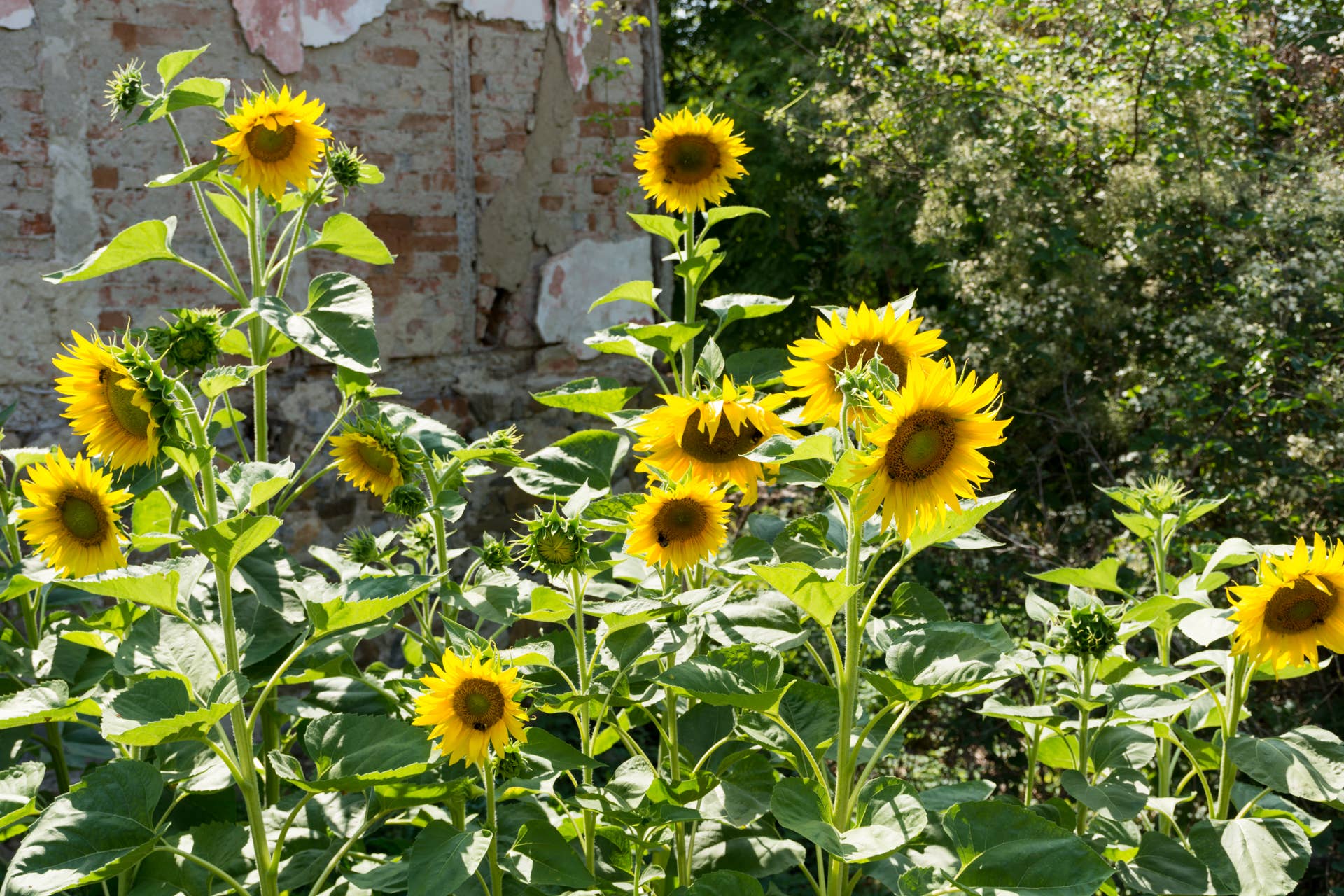
Sunflower seeds are a favorite in many bird seed mixes and can easily sprout into towering plants in your garden. These sun-loving giants come in a variety of sizes and colors, from classic yellow heads to deep red and even striped petals. Growing sunflowers from bird seed can add a cheerful splash to your outdoor space and provide fresh seeds for birds next season.
Have you ever noticed tiny green shoots popping up where you scattered seed? That’s often young sunflowers starting their journey. They’re fast growers and can thrive in most soil types, making them a reliable choice for gardeners looking to bring more life to their yard.
Millet And Its Garden Uses
Millet seeds, commonly found in bird mixes, sprout into grass-like plants that have more uses than you might expect. These resilient plants can act as ground cover, helping to reduce soil erosion and improve garden texture. Millet’s quick growth can also attract beneficial insects, contributing to a balanced garden ecosystem.
If you’re curious about adding texture to your garden beds or creating a natural mulch layer, consider letting millet sprout from leftover bird seed. It’s an easy way to boost soil health without extra effort.
Safflower Growth Potential
Safflower seeds often go unnoticed in bird seed blends, but they have strong growth potential when planted. These hardy plants produce bright, thistle-like flowers that can brighten your garden and attract pollinators like bees and butterflies. Their spiny leaves and tough stems also make safflower a good choice for natural pest resistance.
Have you thought about how adding a few safflower plants could support your local pollinators? Starting them from bird seed gives you a low-cost way to experiment with this beneficial plant.
Canary Grass In Home Gardens
Canary grass seeds are small but can quickly take root and spread in home gardens. This fast-growing grass is often overlooked but can serve as an excellent filler in flower beds or as a cover crop. Its soft texture contrasts nicely with other plants, adding variety to garden landscapes.
Are you looking for an easy-to-grow grass to fill in bare spots? Letting canary grass sprout from bird seed could be the simple solution you need.
How To Grow Plants From Bird Seed
Growing plants from bird seed is a rewarding way to turn something simple into a flourishing garden. It’s surprising how many seeds in common bird mixes sprout into beautiful flowers or edible greens. If you’ve ever wondered how to start this green adventure, here’s a clear guide to help you succeed.
Selecting The Right Seed Mix
Not all bird seeds will grow into plants, so choosing the right mix is key. Look for mixes that contain sunflower, millet, or nyjer seeds—these often germinate well. Avoid blends with mostly cracked or processed seeds, as they are less likely to sprout.
Think about the kind of plants you want. Sunflowers bring vibrant blooms, while millet can become nutritious greens. If you want to attract birds and grow plants simultaneously, pick a mix that balances both.
Soil And Planting Tips
Use well-draining soil to give your seeds the best chance to thrive. Fill small pots or seed trays with loose potting mix, which helps roots develop freely. Press seeds gently into the soil, covering them with about twice their size in soil.
Planting depth matters. Too deep, and the seed might struggle to break through; too shallow, and it can dry out quickly. A light sprinkle of soil usually works well for most bird seeds.
Watering And Care Guidelines
Keep the soil consistently moist but not soggy. Water gently to avoid washing away seeds or causing soil compaction. Early morning watering helps seeds absorb moisture effectively.
Place your pots where they get plenty of indirect sunlight. Too much direct sun can dry out young seedlings fast. Watch for signs of growth daily, and thin seedlings by snipping weaker ones to let the strongest thrive.
Credit: dengarden.com
Benefits Of Growing Bird Seed Plants
Growing plants from bird seed offers several benefits that enhance your outdoor space. These plants provide natural beauty and support local ecosystems. They are a simple way to bring life and color to any garden area. Bird seed plants are also practical for gardeners of all skill levels.
Attracting More Wildlife
Plants grown from bird seed attract various wildlife species. Birds visit your garden for food and shelter. Butterflies and bees come for nectar and pollen. This creates a lively and balanced environment. Wildlife presence helps control pests naturally.
Enhancing Garden Diversity
Growing bird seed plants adds different textures and colors. A mix of flowers and grasses improves garden appeal. It supports a variety of insects and animals. Diverse plants promote healthy soil and reduce erosion. This variety makes your garden more resilient.
Low Maintenance And Cost
Bird seed plants are easy to grow and care for. They need little water and fertilizer. These plants often thrive in poor soil conditions. Starting from bird seed is an affordable option. It reduces the need to buy expensive seeds or seedlings.
Common Challenges And Solutions
Growing plants from bird seed can bring joy and greenery to any space. Still, it poses some common challenges. These include weeds, pests, overcrowding, and seed viability. Understanding these issues helps create a healthy garden. Below are practical solutions for each challenge.
Dealing With Weeds And Pests
Weeds often compete with young plants for nutrients and space. Remove them by hand regularly to keep your garden clean. Mulching around plants helps block weed growth and retains soil moisture.
Pests like insects or birds may harm seedlings. Use natural repellents such as neem oil or garlic spray to deter insects. Bird netting or garden fabric can protect plants from birds. Encourage beneficial insects like ladybugs to control harmful pests naturally.
Preventing Overcrowding
Bird seed often contains many seeds in a small area. This leads to overcrowded seedlings, which struggle to grow strong. Thin seedlings by removing weaker ones early. Space plants according to their mature size to give each enough room.
Use seed trays or pots to start seeds indoors. Transplant seedlings outside once they are strong. This method controls spacing and reduces competition for light and nutrients.
Managing Seed Viability
Not all bird seed is fresh or suitable for planting. Old or stored seed may fail to germinate. Check seed packets for expiration dates or buy seed labeled for planting.
Test seed viability by soaking seeds in water overnight. Discard seeds that do not sink. Store seeds in a cool, dry place to keep them fresh longer.
Credit: www.idealhome.co.uk
Creative Uses For Bird Seed Plants
Sunflowers, millet, and safflower often sprout from bird seed. These plants can attract more birds to your garden. Their vibrant blooms and seeds are a natural food source, enhancing biodiversity.
Bird seed isn’t just for our feathered friends—it can be a source of unexpected beauty and utility in your garden. Whether you’re looking to add a splash of color, grow your own bird feed, or enhance your edible garden, bird seed plants offer a world of possibilities. Let’s explore how these seeds can transform your outdoor space into a haven of creativity.Adding Color And Texture
Bird seed plants can surprise you with their vibrant colors and varied textures. Sunflowers, often found in bird seed mixes, grow into towering beauties with cheerful yellow blooms. Their large heads add a dramatic flair to any garden. Millet and sorghum, other common components, bring unique textures and shades of green. These plants can create a lush backdrop for other flowers, making your garden visually dynamic. Why not experiment by planting bird seed in different sections of your garden? You might discover a new favorite plant that adds an unexpected pop of color.Using Seeds For New Bird Feed
Growing plants from bird seed can be a sustainable way to feed your avian visitors. As these plants mature, they produce seeds that attract a variety of birds. Imagine the joy of watching birds flock to your garden, enjoying the fruits of your labor. It’s a delightful cycle—plants from bird seed nourish the birds, and they, in turn, help disperse seeds for future growth. If you’re a bird enthusiast, this method is not only eco-friendly but also rewarding, as you see your efforts bring life and activity to your garden.Incorporating Into Edible Gardens
Did you know that some bird seed plants can be part of your edible garden? Sunflower seeds, for instance, are a nutritious snack packed with vitamins and minerals. Growing your own edible seeds can be a fun family activity. Kids love watching the seeds they planted turn into towering sunflowers. Plus, it’s a great way to teach them about sustainable gardening and healthy eating. Consider dedicating a corner of your garden to these multipurpose plants. Not only will they provide food for you and the local wildlife, but they’ll also add beauty and diversity to your edible landscape. Have you ever thought about the potential lying within a simple bag of bird seed? Give it a try and see how it can transform your garden.Frequently Asked Questions
What Types Of Plants Grow From Bird Seed?
Many common bird seeds can sprout into plants like sunflowers, millet, safflower, and nyjer. These seeds often germinate if they land on suitable soil and receive adequate water and sunlight. Bird seed mixes usually contain a variety of seeds that can grow into different plants.
Can Sunflower Seeds From Bird Seed Grow Into Flowers?
Yes, sunflower seeds in bird seed can grow into sunflowers. They need proper soil, sunlight, and water to germinate and thrive. Sunflowers grown from bird seed can reach full height and bloom if cared for properly.
How To Grow Plants From Bird Seed At Home?
To grow plants from bird seed, scatter seeds on moist soil and keep them in sunlight. Water regularly but avoid overwatering. Use a shallow container or garden bed. Germination time varies by seed type but usually takes 1-3 weeks.
Are All Bird Seeds Edible For Human Consumption?
Not all bird seeds are safe or suitable for humans. Some seeds may be treated with chemicals or not processed for human food. Always check seed packaging before consumption. Sunflower seeds are commonly safe and nutritious for humans.
Conclusion
Bird seed can grow many different plants in your garden. Sunflowers, millet, and sorghum often sprout from bird seed. These plants add color and life to outdoor spaces. Growing plants from bird seed is easy and fun. It helps you enjoy nature up close.
Try planting bird seed in soil and watch it grow. This simple step brings birds and beauty together. Keep watering and caring for your plants every day. Soon, you will see green shoots and bright flowers. A small seed can start a big garden.




