
Are you tired of planting grass seed only to find birds swooping in and gobbling it all up? It’s frustrating to watch your hard work go to waste before your lawn even has a chance to grow.
But don’t worry—there are simple, effective ways to protect your grass seed and ensure it takes root. You’ll discover easy tricks and proven methods to keep birds away so your lawn can flourish. Keep reading to find out how to turn your planting efforts into a lush, green success!
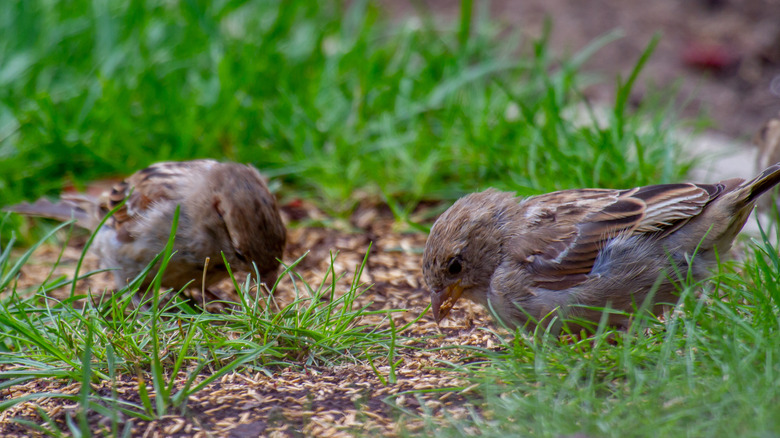
Credit: www.housedigest.com
Choosing The Right Grass Seed
Choosing the right grass seed is key to growing a healthy lawn without losing seeds to birds. Some grass seeds attract birds more than others. Picking varieties less appealing to birds helps protect your investment. Also, the season affects seed choice and bird activity. Understanding these factors improves your chances for success and a lush green lawn.
Seed Varieties Less Attractive To Birds
Birds prefer seeds that are large, soft, and easy to eat. Choose grass seeds that are smaller or have a tougher coating. These types are less tempting for birds to peck at.
- Fescue: Has small, hard seeds that birds avoid.
- Bluegrass: Medium size seeds with a firm shell.
- Ryegrass: Tough seed coat makes it less tasty.
- Buffalograss: Native variety with small seeds birds skip.
Using a mix with these varieties lowers the risk of seed loss to birds.
Seasonal Considerations
Bird activity changes with the seasons. Spring and fall are peak times for planting grass seed and for birds searching food. Choose seeds that germinate quickly to reduce seed exposure time. Fast-growing seeds spend less time on the soil surface.
Cool-season grasses like fescue and ryegrass work well in early spring and fall. Warm-season grasses like Bermuda grass suit late spring and summer planting. Planting at the right time helps grass grow before birds become hungry.
Preparing The Soil
Preparing the soil sets the stage for healthy grass growth and prevents birds from stealing seeds. Proper soil preparation ensures seeds contact the earth and have enough nutrients. This step improves seed germination and helps grass roots grow deep. Follow simple soil preparation tips for a lush lawn.
Clearing Debris And Weeds
Remove leaves, sticks, and rocks from the planting area. Clear away old grass and weeds that compete for nutrients. Use a rake or garden hoe for thorough cleaning. A clean surface lets grass seeds touch the soil directly. This limits hiding spots for birds and pests.
Soil Testing And Amendment
Test soil pH and nutrient levels using a home kit or local extension office. Grass grows best in soil with a pH between 6.0 and 7.0. Add lime to raise pH or sulfur to lower it, based on test results. Mix compost or organic matter into the soil to improve texture and fertility. Well-amended soil holds moisture and supports strong grass roots.
Effective Seed Sowing Techniques
Cover grass seeds with a thin layer of soil or mulch to hide them from birds. Using bird netting or planting during cooler, wetter times helps protect seeds and encourages growth.
Planting grass seed can be a rewarding task, but it often comes with the challenge of keeping birds from feasting on your freshly sown seeds. Mastering effective seed sowing techniques is crucial for a lush, green lawn. If you’ve ever wondered how to get those seeds in the ground without creating a bird buffet, these practical strategies will help you achieve success.Proper Seed Depth
Ensuring the right depth for your grass seed is essential. Burying seeds too deeply can hinder germination, while leaving them too exposed invites birds to snack. Aim to cover seeds with about a quarter-inch of soil. Use a rake to gently mix the seeds into the soil surface. This helps camouflage them from birds while promoting better soil contact, which is vital for germination. Remember, soil contact is key to successful growth.Even Distribution Methods
Achieving an even spread of grass seed ensures that no area is left barren and vulnerable. Consider using a broadcast spreader for uniform distribution. This tool saves time and effort, making it easier to cover large areas efficiently. Manually spreading seeds can also be effective. Divide your seeds into two halves and spread each portion in opposite directions. This cross-pattern technique helps fill in gaps and reduces the likelihood of birds spotting concentrated seed clusters. By focusing on these effective seed sowing techniques, you’ll give your grass seed the best start while keeping pesky birds at bay. Are you ready to see a lush green lawn emerge?
Credit: www.youtube.com
Bird Deterrent Methods
Keeping birds away from your freshly planted grass seed is crucial for a successful lawn. Birds can quickly turn your hard work into a feeding ground if you don’t take action. Here are some effective bird deterrent methods to protect your grass seed and give it the best chance to grow.
Physical Barriers And Netting
Covering your seeded area with lightweight netting creates a simple but powerful barrier. This prevents birds from landing on the soil and eating the seeds while still letting sunlight and water through.
Using physical barriers like garden fabric or mesh frames can also work well. These solutions require some setup but save you the frustration of reseeding multiple times.
Natural Repellents And Scare Tactics
Birds dislike certain smells and tastes. Sprinkling natural repellents such as cayenne pepper or garlic powder on the soil can keep them away without harming the environment.
Scare tactics like placing fake predators—owls or snakes—near your lawn often startle birds. Moving these decoys regularly keeps birds from getting used to them.
Using Reflective Materials
Reflective tape or old CDs hung around your lawn catch sunlight and create flashing reflections. This confuses birds and discourages them from approaching.
Even homemade reflective scare devices can work if placed strategically. Have you tried this? It’s a simple trick that many gardeners swear by for bird control.
Protective Coverings For Seed
Covering grass seed with straw or netting keeps birds away and protects the seeds. This helps seeds stay safe and grow well. Using light materials allows sunlight and water to reach the seed easily.
Planting grass seed can be a rewarding endeavor, but it often comes with a unique challenge—protecting your precious seeds from hungry birds. Birds can quickly devour your grass seed, leaving you with a patchy lawn. One effective strategy is to use protective coverings to shield the seeds while allowing them to germinate. These coverings not only deter birds but also help retain moisture and promote healthy growth.Mulching Options
Mulching is a highly effective way to protect grass seed. It provides a barrier that birds are less likely to penetrate. Options like bark mulch or shredded leaves can be both practical and eco-friendly. They not only keep birds at bay but also help the soil retain moisture. This is crucial for seed germination. In my own garden, I found that spreading a thin layer of bark mulch over newly planted seeds worked wonders. It kept the birds off and added nutrients to the soil as it decomposed. Have you considered using mulch for your next seeding project?Straw And Hay Benefits
Using straw or hay as a covering is another excellent choice. These materials are lightweight and easy to spread over your lawn. Straw is particularly beneficial as it allows sunlight and water to reach the seeds while providing a protective layer. This helps in maintaining the right moisture balance essential for seed germination. During one of my lawn projects, I opted for straw, and it significantly reduced bird activity. It also gave my yard a rustic look, which was an unexpected aesthetic bonus. Have you tried using straw or hay on your lawn? It could be the solution you’re looking for. Protective coverings like mulch and straw not only safeguard your seeds but also contribute positively to the overall health of your lawn. Choose the one that suits your garden’s needs and watch your grass thrive without the worry of bird interference. What other methods have you considered for protecting your grass seed?
Credit: www.youtube.com
Watering Strategies To Secure Seeds
Watering your newly planted grass seed is a delicate balance. Too much water can wash away seeds, while too little leaves them dry and vulnerable. Finding the right watering strategy helps protect seeds from birds and supports healthy germination.
Gentle Watering Techniques
Use a fine spray nozzle or a watering can with small holes to avoid disturbing the seeds. Harsh water pressure can displace seeds, exposing them to hungry birds. Water slowly and evenly, covering the area without creating puddles.
Early morning is the best time to water. This allows the soil to absorb moisture before the sun heats the ground. Avoid watering in the middle of the day when evaporation is highest, which wastes water and dries out the seeds.
Maintaining Moisture Without Exposure
Keep the soil consistently moist but not soggy. Covering the seeded area with a light layer of straw or biodegradable mulch helps lock in moisture and hides seeds from birds. These coverings also reduce evaporation and protect seeds from wind.
Check the soil daily by gently pressing your finger into the top inch. If it feels dry, water lightly again. Have you tried using a temporary shade or garden netting? It can further shield the seeds while maintaining moisture.
Timing Your Planting
Timing your planting is a smart way to protect your grass seed from hungry birds. Choosing the right moment can make a big difference in how well your seed takes root. Let’s look at when you should plant to keep those feathered visitors at bay.
Best Time Of Day
Plant your grass seed in the early morning or late evening. Birds are less active during these cooler parts of the day, so they are less likely to spot fresh seeds. I once planted just before dusk and noticed a big drop in bird activity compared to midday.
Morning or evening also means the soil stays moist longer, which helps the seeds start growing faster. This reduces the time seeds lie exposed and vulnerable. Have you tried timing your planting to avoid peak bird feeding hours?
Seasonal Timing To Reduce Bird Activity
Think about the season when you plant. Birds tend to eat more seeds during early spring when natural food is scarce. Planting in late spring or early fall, when birds have other food sources, can protect your seed better.
In fall, many birds focus on berries and insects, so your grass seed faces less competition. I once delayed my planting until late September and saw fewer birds digging around the lawn. Which season fits best with your local bird patterns?
Monitoring And Maintaining Seed Protection
Monitoring and maintaining protection of your grass seed is crucial to ensure successful germination. Even the best seed barriers or covers can lose effectiveness over time. Staying vigilant helps you catch bird activity early and adjust your tactics before the seeds are gone.
Regular Checks For Bird Activity
Visit your seeded area multiple times a day, especially during early morning and late afternoon when birds are most active. Look for signs like disturbed soil, missing seed patches, or bird footprints. These clues tell you if your protection methods are working or need reinforcement.
Keeping a simple journal or taking photos can help track changes over several days. Have you noticed certain times when birds are more persistent? This insight lets you plan better and possibly add extra deterrents during peak activity.
Adjusting Protection Methods
If you spot birds getting through, don’t hesitate to change your approach. You might need to add extra netting, scatter lightweight straw to camouflage seeds, or place decoys like fake owls around your lawn. Sometimes, moving these deterrents regularly keeps birds confused and away.
Think about how weather affects your protection too. Rain can weigh down covers, creating gaps, so check after storms and fix any holes immediately. Have you tried combining different methods to create layers of defense? That often works better than relying on just one.
Frequently Asked Questions
How Can I Prevent Birds From Eating Grass Seed?
Cover newly seeded areas with bird netting or lightweight row covers. Use mulch or straw to protect seeds. Scare birds with reflective tape or decoys. These methods keep seeds safe while allowing grass to grow.
What Natural Repellents Stop Birds From Eating Grass Seed?
Birds dislike smells like garlic, chili, or vinegar. Spray diluted solutions around seeded areas. Use commercial bird repellents made from natural ingredients. These keep birds away without harming your lawn or the environment.
When Is The Best Time To Plant Grass Seed To Avoid Birds?
Plant grass seed early morning or late evening when birds are less active. Avoid windy days to prevent seed scattering. Early planting reduces seed exposure, giving grass a better chance to germinate without bird interference.
Does Covering Grass Seed With Mulch Help Protect It From Birds?
Yes, mulch or straw covers hide seeds from birds and retain soil moisture. Apply a thin layer evenly after planting. This also promotes better seed germination and protects seeds during early growth stages.
Conclusion
Planting grass seed without birds eating it takes care and patience. Cover seeds lightly with soil or straw to hide them well. Use bird netting or scare devices to keep birds away. Water seeds gently and keep the soil moist every day.
Watch your lawn grow green and healthy over time. These simple steps help your grass seed grow strong. Enjoy a beautiful lawn without the worry of birds eating your seeds.




