
Have you ever wondered if the sunflower seeds in your bird food can grow into beautiful sunflowers in your garden? It’s a question many gardeners and bird lovers ask.
You might be curious whether those tiny seeds, meant to feed birds, could also bring vibrant color and life to your outdoor space. You’ll discover the truth about planting sunflower seeds found in bird food. By the end, you’ll know exactly what to expect and how to get the best results if you decide to try it yourself.
Keep reading—you might be surprised by what you learn!
Sunflower Seeds In Bird Food
Sunflower seeds are a popular choice in bird food mixes, but can you plant those same seeds to grow your own sunflowers? Understanding the types of sunflower seeds found in bird food and their quality is key before you try planting them. Not all sunflower seeds are created equal when it comes to germination, and knowing what’s inside your bird food mix can save you time and effort.
Types Of Sunflower Seeds
Sunflower seeds come in different varieties, mainly black oil sunflower seeds and striped sunflower seeds. Black oil sunflower seeds are smaller, with thinner shells, making them easier for birds to eat and more likely to sprout if planted. Striped sunflower seeds are larger and have thicker shells, often used for human consumption but also found in some bird food mixes.
If you want to plant sunflower seeds from bird food, look for black oil sunflower seeds. They have a higher chance of germinating because their shells are softer and less processed. Have you checked the seed type in your bird food bag yet?
Common Bird Food Mixes
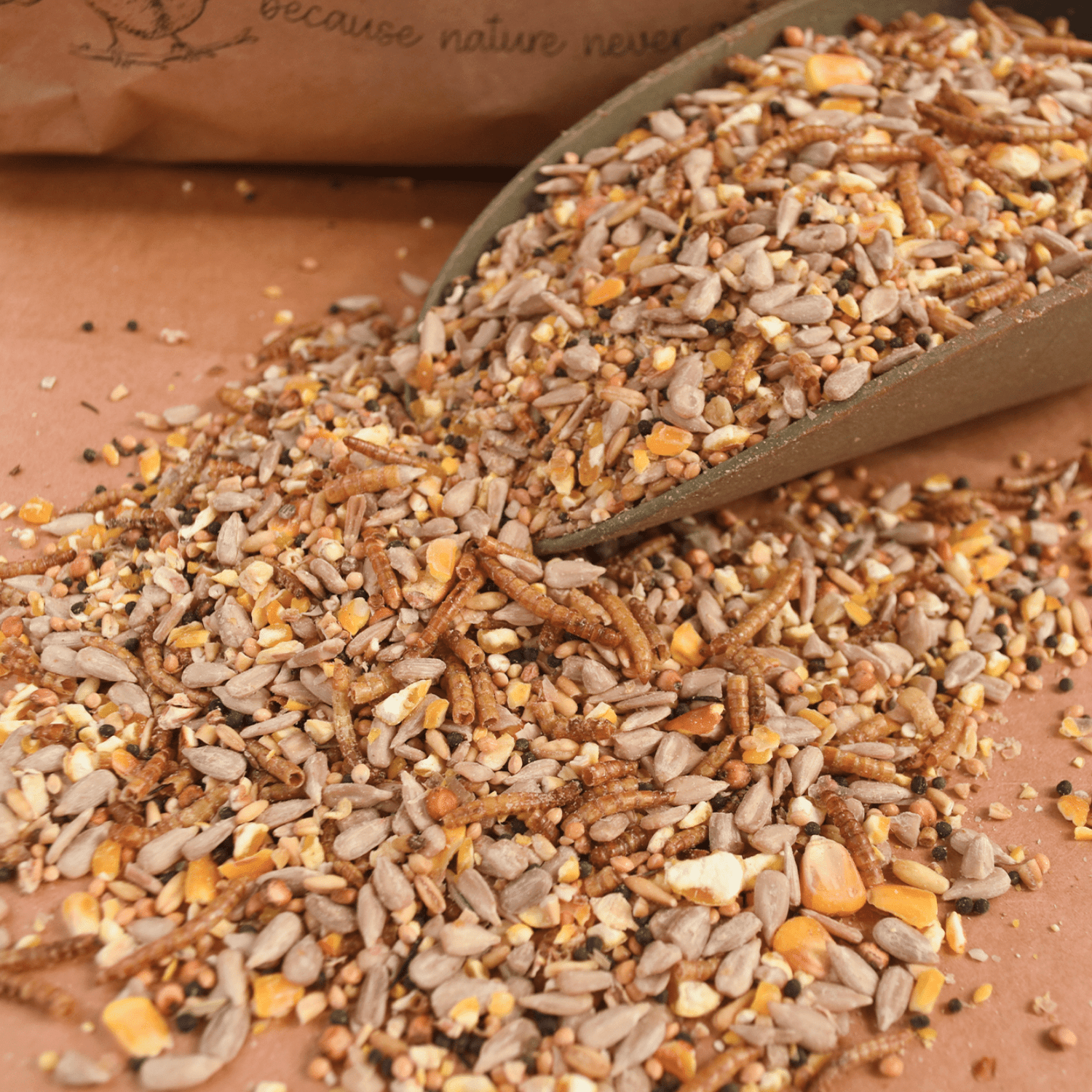
Bird food mixes often combine sunflower seeds with millet, cracked corn, safflower seeds, and sometimes peanuts. These blends attract a variety of birds but make it harder to separate viable sunflower seeds for planting. Some mixes contain roasted or treated seeds, which won’t grow no matter how well you care for them.
When buying bird food with the intent to plant seeds, choose mixes labeled “raw” or “untreated.” These usually contain seeds that haven’t been heat-processed. Have you noticed any labels like that on your bird seed packages?
Seed Quality Considerations
Seed quality is crucial for successful planting. Bird food seeds are often chosen for taste and nutrition, not for their ability to sprout. This means some seeds might be old, damaged, or sterilized, reducing germination rates.
To test seed quality, soak a handful of sunflower seeds from your bird food in water overnight. Plant those that sink; floating seeds are usually empty or damaged. This simple test can save you from planting seeds that won’t grow.
Wouldn’t it be great to enjoy sunflowers grown from seeds you already have at home? With the right selection and care, bird food sunflower seeds can sometimes surprise you by sprouting into beautiful flowers.

Credit: www.amazon.com
Planting Viability Of Bird Food Seeds
Wondering if those sunflower seeds in your bird food bag can grow into vibrant flowers? Not all seeds in bird mixes are meant for planting, but some do retain their ability to sprout. Understanding the planting viability of bird food seeds helps you decide whether to use them for gardening or just for feeding feathered friends.
Are Bird Food Seeds Viable?
Many bird food seeds, including sunflower seeds, are viable and can germinate under the right conditions. However, some seeds are treated or processed to prevent sprouting, which means not every seed in the mix will grow.
Have you ever tried planting bird food seeds only to find nothing sprouted? That’s often because commercial bird seed is sometimes heat-treated to kill germs and pests, reducing germination rates.
Factors Affecting Germination
Several factors impact whether bird food seeds will grow:
- Seed freshness:Older seeds lose viability over time.
- Storage conditions:Seeds kept in damp or hot places may not sprout.
- Seed type:Some seeds, like black oil sunflower seeds, tend to germinate better than hulled or striped varieties.
- Environmental conditions:Proper soil, moisture, and temperature are crucial for germination.
Considering these factors, your chance of success improves if you choose fresh, untreated seeds and provide the right growing environment.
Seed Treatments And Coatings
Many commercial bird seeds come with coatings or chemical treatments to protect them from mold and pests. These treatments can inhibit germination or slow down the sprouting process.
For example, some sunflower seeds are soaked in fungicides or painted with colored coatings that look attractive but make the seeds unsuitable for planting.
If you want to plant sunflower seeds from bird food, look for raw, untreated seeds or buy seeds labeled for planting. This simple step can save you frustration and improve your gardening results.
Preparing Seeds For Planting
Preparing sunflower seeds from bird food for planting requires more than just tossing them into the soil. The seeds need proper attention to ensure they sprout healthy and strong. Taking the time to sort, clean, and treat them can make a big difference in your gardening success.
Sorting And Cleaning Seeds
Start by separating the sunflower seeds from any debris or broken pieces. Bird food mixes often contain shells, husks, or other seeds that won’t grow. Pick out only the whole, undamaged seeds for planting.
Rinse the seeds gently under cool water to remove dust and any leftover bird food residue. This simple step helps prevent mold and pests from affecting your seedlings. Have you noticed how cleaner seeds tend to sprout more vigorously in your garden?
Pre-soaking Techniques
Soaking seeds before planting softens the seed coat, encouraging faster germination. Place the cleaned seeds in a bowl of lukewarm water and let them soak for 8 to 12 hours. Avoid soaking longer than 24 hours to prevent seed rot.
After soaking, drain the seeds and let them dry slightly before planting. This small effort can speed up sprouting, saving you time and frustration. Have you tried soaking seeds and noticed a difference in your plant growth?
Seed Storage Tips
If you don’t plan to plant immediately, store your sunflower seeds properly to keep them viable. Use an airtight container and keep it in a cool, dry place away from direct sunlight. Moisture and heat can reduce seed life quickly.
Label your container with the date you stored the seeds to track freshness. Seeds older than a year may still germinate but expect lower success rates. What’s your method for keeping seeds fresh until planting season?
Credit: haiths.com
Best Practices For Planting
Planting sunflower seeds from bird food can be rewarding with the right approach. Following best practices ensures strong, healthy sunflowers. Focus on soil, seed placement, and care for the best results.
Ideal Soil Conditions
Sunflowers thrive in well-drained soil. Choose soil that is loose and rich in nutrients. Avoid heavy clay or waterlogged areas. A slightly acidic to neutral pH between 6.0 and 7.5 works best. Adding compost improves soil quality and drainage. Good soil helps roots grow deep and strong.
Sowing Depth And Spacing
Plant seeds about 1 to 1.5 inches deep. Too deep can stop sprouting; too shallow can dry out seeds. Space seeds 6 to 12 inches apart to allow room for growth. Crowded seeds compete for water and sunlight. For taller sunflower varieties, increase spacing to 12 inches or more. Proper spacing keeps plants healthy and sturdy.
Watering And Sunlight Needs
Sunflowers need full sun—at least 6 to 8 hours daily. Place seeds in a sunny spot for best growth. Water seeds gently after planting to keep soil moist. Avoid waterlogging; soggy soil causes root problems. Once seedlings grow, water deeply but less often. This encourages strong roots and tall stems.
Common Challenges And Solutions
Planting sunflower seeds from bird food can be rewarding, but it comes with its own set of challenges. Knowing what issues you might face and how to handle them can save you time and frustration. Let’s look at common problems and practical solutions that help your sunflowers grow strong and healthy.
Pests And Diseases
Pests like aphids, caterpillars, and birds themselves can damage young sunflower plants quickly. You might notice leaves with holes or sticky residue, which are signs of insect activity.
To protect your plants, try using natural deterrents such as neem oil or insecticidal soap. Cover seedlings with lightweight netting to keep birds and larger pests away without blocking sunlight.
Diseases like powdery mildew or fungal infections can appear in humid conditions. Ensure good air circulation by spacing plants properly and avoid overhead watering to reduce moisture on leaves.
Poor Germination Causes
Sunflower seeds in bird food may have mixed quality, affecting germination rates. Old or damaged seeds often fail to sprout, leading to patchy growth in your garden.
Check the seed package date and choose seeds that look firm and undamaged. Soaking seeds in water for 12-24 hours before planting can boost germination by softening the seed coat.
Plant seeds at the right depth, usually about 1 to 2 inches, and keep the soil consistently moist but not soggy. Too dry or waterlogged soil will stop seeds from sprouting properly.
Preventing Seedling Damage
Young sunflower seedlings are fragile and can easily break from wind, heavy rain, or accidental contact. Have you ever seen your seedlings snap off after a sudden gust of wind?
Support seedlings by planting them in a sheltered spot or using small stakes to keep them upright. Mulching around the base helps retain moisture and protect roots from temperature swings.
Be careful when weeding near seedlings to avoid disturbing their shallow roots. Using hand tools gently or mulching heavily reduces accidental damage during garden maintenance.
Credit: dengarden.com
Benefits Of Growing Sunflowers From Bird Food
Planting sunflower seeds from bird food offers a sustainable gardening option. These seeds can grow into beautiful sunflowers, attracting birds and bees. Sunflowers also enhance garden beauty and provide fresh seeds for wildlife.
Growing sunflowers from bird food offers a delightful blend of benefits that can enrich both your garden and your lifestyle. Imagine watching these vibrant flowers bloom, knowing they started from a simple mix intended for your feathered friends. It’s not just about adding beauty to your space, but about embracing a sustainable practice that offers multiple advantages.Cost-effectiveness
Growing sunflowers from bird food is surprisingly affordable. You get a double benefit from a single purchase. Not only do you feed the birds, but you also get the seeds to plant, saving money on garden center purchases. Consider how much you’d typically spend on a packet of sunflower seeds. By planting bird food seeds, you’re reducing this cost significantly.Environmental Impact
When you grow sunflowers from bird food, you’re contributing positively to the environment. This practice reduces waste since you’re making full use of what’s already at hand. By planting these seeds, you’re also supporting biodiversity. Sunflowers are known to improve soil health and attract pollinators like bees, which are essential for a healthy ecosystem.Attracting Wildlife
Sunflowers are a magnet for a variety of wildlife. They provide food and shelter for birds, bees, and other beneficial insects. This can transform your garden into a lively, buzzing sanctuary. Seeing your garden come alive with wildlife can be incredibly rewarding. It’s a simple way to observe nature up close, right from your backyard. Have you ever thought about the unexpected guests your garden might attract once those sunflowers bloom? It might just surprise you!Frequently Asked Questions
Can You Plant Sunflower Seeds From Bird Food?
Yes, you can plant sunflower seeds from bird food if they are raw and untreated. Avoid seeds that are roasted or salted, as they won’t germinate. Choose black oil sunflower seeds for the best results in growing healthy sunflowers.
Are Bird Food Sunflower Seeds Good For Gardening?
Bird food sunflower seeds can be good for gardening if they are untreated and raw. These seeds often sprout well and grow into strong plants. Always check the packaging to ensure no chemicals or coatings are present that could hinder growth.
How To Prepare Bird Food Sunflower Seeds For Planting?
To prepare bird food sunflower seeds for planting, first remove any debris or damaged seeds. Soak the seeds in water overnight to improve germination. Plant them in well-drained soil, about 1 inch deep, and keep the soil moist until they sprout.
Will All Bird Food Sunflower Seeds Sprout?
Not all bird food sunflower seeds will sprout. Seeds that are roasted, salted, or treated with chemicals won’t germinate. Use only raw, untreated seeds for planting to ensure a good germination rate and healthy sunflower plants.
Conclusion
Sunflower seeds in bird food can grow well if planted properly. Choose seeds without coatings or additives for better results. Plant them in good soil and water regularly. Sunflowers bring beauty and attract birds to your garden. Growing from bird food seeds saves money and is fun.
Just remember to be patient and care for the plants. Sunflowers brighten spaces and support nature, making the effort worth it. Try it yourself and enjoy the simple joy of watching sunflowers grow.




