
Have you ever wondered if the sunflower seeds you buy for your feathered friends could grow into beautiful sunflowers in your garden? It’s a question many plant lovers and bird enthusiasts ask.
You might be surprised to learn that not all bird food seeds are ready to sprout, but some can give you a bright and cheerful display right outside your window. Keep reading to discover whether you can turn those bird food sunflower seeds into a garden full of sunshine—and how to do it right.
Your green thumb might thank you!
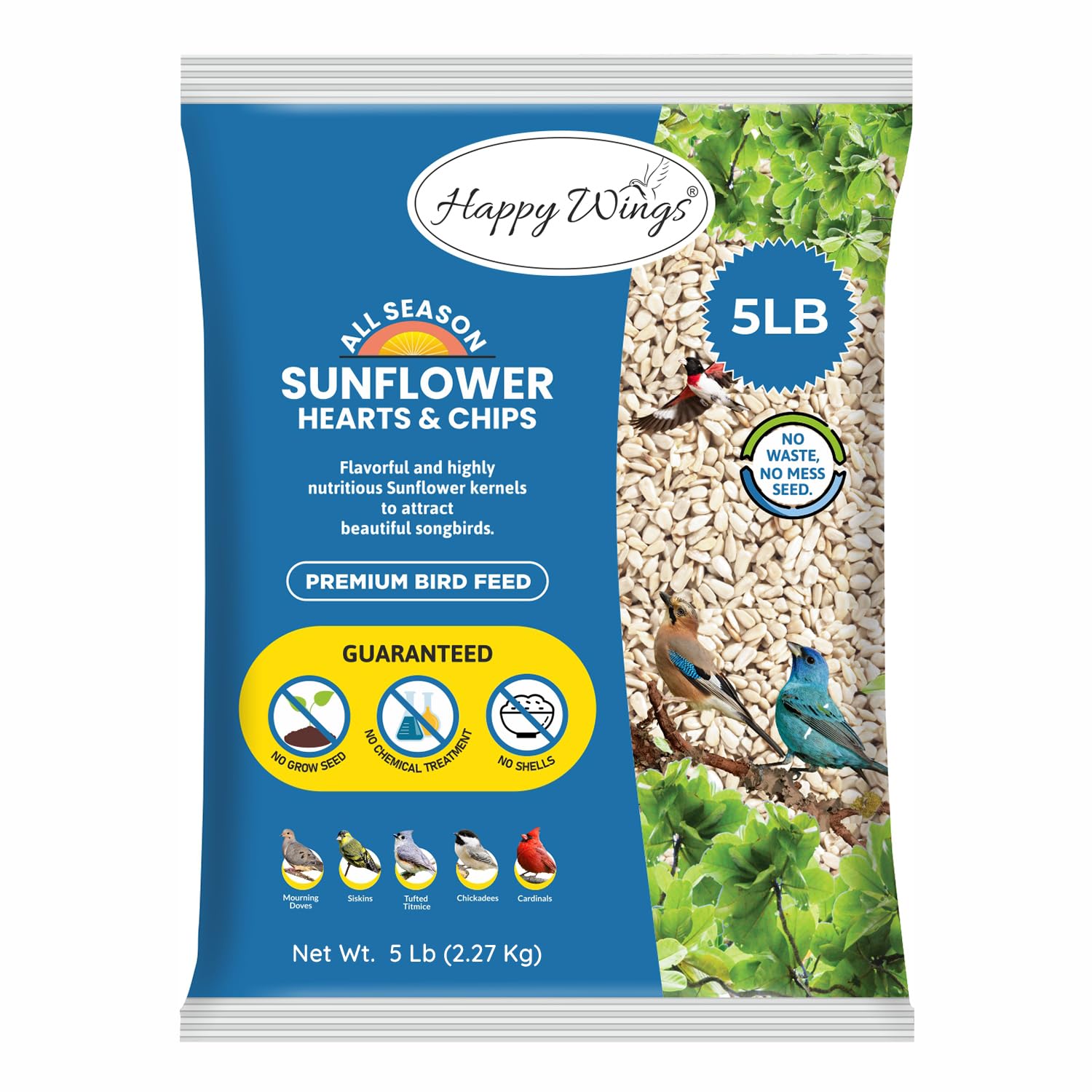
Credit: www.amazon.ca
Choosing Bird Food Seeds
Choosing the right bird food seeds is a crucial step if you want to grow sunflowers successfully from birdseed. Not all bird food mixes are created equal, and the seeds inside might vary in quality and type. Knowing what to look for can save you time and increase your chances of seeing those bright yellow blooms in your garden.
Types Of Seeds In Bird Food
Bird food mixes often contain a variety of seeds to attract different bird species. Common seeds include millet, safflower, cracked corn, and sunflower seeds. However, not every sunflower seed in bird food is suitable for planting.
- Black oil sunflower seeds:These are often preferred by birds and gardeners alike. They have a thin shell and a high germination rate.
- Striped sunflower seeds:Larger and with a tougher shell, these seeds are sometimes included but may be less viable for planting.
- Other seeds:Millet and cracked corn won’t grow into sunflowers but can be distracting if mixed in your planting batch.
Check the seed mix label or look closely at the seeds to identify which type you have. This will help you decide if the packet is worth planting or just feeding birds.
Selecting Viable Sunflower Seeds
Not all sunflower seeds in bird food will sprout. Some may be treated with chemicals to prevent germination or might be old and dried out. How can you tell if the seeds are viable?
- Look for plump, firm seeds:Healthy seeds feel full and solid when you squeeze them gently.
- Avoid broken or shriveled seeds:These are less likely to sprout and grow into strong plants.
- Test germination:Place a few seeds on a damp paper towel, cover them, and keep them warm. Check after a week to see how many sprout.
I once planted bird food sunflower seeds without checking, and most didn’t grow. After testing viability first, my success rate jumped dramatically. What’s your experience with bird food seeds? Have you tried germination tests before planting?
Preparing Seeds For Planting
Preparing sunflower seeds from bird food for planting is a crucial step that can greatly impact your success. Seeds sold for birds often include debris, damaged seeds, or ones treated with chemicals. Taking time to prepare them properly helps you avoid disappointment and boosts your chances of growing healthy sunflowers.
Cleaning And Sorting Seeds
Start by spreading the bird food on a clean surface. Remove any shells, small stones, and husks you find. These unwanted materials can prevent the seeds from sprouting or attract pests once planted.
Next, sort the seeds by size and appearance. Choose plump, firm seeds without cracks or discoloration. These are more likely to germinate and grow into strong plants.
Have you noticed how some seeds look shriveled or broken? Toss them aside—they won’t give you the results you want. Taking time at this stage saves effort later.
Soaking And Germination Techniques
Soaking seeds softens their outer shell and jumpstarts germination. Place cleaned seeds in a bowl of lukewarm water for about 8 to 12 hours. Avoid soaking longer, as seeds can rot.
After soaking, drain the water and keep the seeds moist on a damp paper towel or cloth inside a warm spot. Check daily for sprouting, which usually appears within a few days.
Have you tried folding the towel over the seeds and placing them in a plastic bag? It creates a mini greenhouse effect that keeps moisture in. This simple trick often speeds up germination.
Once you see tiny sprouts, plant the seeds gently in soil. This early preparation makes a big difference in how well your sunflowers grow from bird food seeds.
Planting Sunflower Seeds
Planting sunflower seeds from bird food can be a fun and rewarding experience. These seeds are often ready to sprout and grow into beautiful sunflowers. Knowing the right soil and location helps your plants thrive. Proper depth and spacing also make a big difference in growth. Follow these tips to give your sunflowers the best start.
Best Soil And Location
Choose soil that drains well and is rich in nutrients. Sunflowers prefer loose, sandy, or loamy soil with a pH between 6.0 and 7.5. Avoid heavy clay soil that holds too much water. Pick a spot that gets full sun, at least 6 to 8 hours daily. Sunflowers need sunlight to grow tall and strong. Make sure the area is free from shade and has good air circulation.
Ideal Planting Depth And Spacing
Plant sunflower seeds about 1 to 2 inches deep in the soil. Cover them lightly with soil to keep moisture in. Space the seeds 6 inches apart for smaller varieties. For larger sunflowers, leave 12 to 18 inches between plants. Proper spacing helps the roots grow well and prevents crowding. Water the soil gently after planting to start germination.

Credit: www.reddit.com
Care And Maintenance
Growing sunflowers from bird food can be a rewarding experience, but they need consistent care to thrive. Understanding the right balance of water, sunlight, temperature, and nutrients will help your sunflowers grow tall and vibrant. Let’s dive into the essential care and maintenance steps that keep your plants healthy and flourishing.
Watering Guidelines
Sunflowers need regular watering, especially when they are young and developing roots. Keep the soil moist but not soaked—overwatering can cause root rot.
As the plants mature, you can reduce watering frequency. Aim to water deeply about once a week, allowing the soil to dry out slightly between sessions.
Have you noticed your sunflowers wilting even when the soil feels wet? It might be a sign of poor drainage or too much water.
Sunlight And Temperature Needs
Sunflowers thrive in full sunlight and need at least 6 to 8 hours of direct sun daily. Place them in a spot where they won’t be shaded by trees or buildings.
They prefer warm temperatures between 70°F and 78°F (21°C – 26°C). Cooler temperatures can slow their growth, while extreme heat may stress the plants.
Do you have a spot in your garden that gets morning sun but afternoon shade? Try moving your sunflowers there and observe how they respond over a few days.
Fertilizing Tips
Sunflowers are not heavy feeders but appreciate some nutrients to support their rapid growth. Use a balanced fertilizer with equal parts nitrogen, phosphorus, and potassium.
Apply fertilizer once when you plant your seeds and again when the plants reach about 12 inches tall. Avoid over-fertilizing, which can lead to excessive leaf growth at the expense of flowers.
If you prefer natural options, try adding compost or well-rotted manure to enrich the soil. What organic fertilizers have you used in your garden that showed great results?
Common Challenges
Planting sunflower seeds from bird food can be tempting and cost-saving. Yet, gardeners face some common challenges. These hurdles may affect seed growth and plant health. Understanding these issues helps in better garden planning and care.
Pests And Diseases
Bird food seeds may carry pests or diseases. Insects like aphids and beetles can attack young plants. Fungal infections can also develop in damp soil.
- Watch for holes in leaves and stems.
- Check for sticky residue or mold.
- Use natural pest control methods to protect plants.
Early detection limits damage. Keep the garden clean and remove infected plants quickly.
Seed Viability Issues
Bird food seeds are not always fresh or viable. Many seeds are old or treated to prevent sprouting. This lowers germination rates significantly.
- Seeds may fail to sprout or grow weak.
- Sunflower seeds in bird mixes often come from unknown sources.
- Seed coatings or chemicals can stop growth.
Testing seeds before planting is wise. Place a few seeds on a damp paper towel. If most sprout in a week, the batch is good for planting.
Harvesting And Saving Seeds
Planting sunflower seeds from bird food is possible. These seeds can grow into beautiful sunflowers. Ensure the seeds are fresh and undamaged for best results. Test a few seeds to check their viability before planting them in your garden.
Harvesting and saving sunflower seeds from bird food can be a rewarding experience. Not only does it offer a sustainable way to enjoy these vibrant blooms year after year, but it also provides an opportunity to connect with nature. Taking the time to properly harvest and save seeds ensures you get the most out of your sunflowers, ready for planting in the next season.When To Harvest
Timing is crucial when harvesting sunflower seeds. Wait until the back of the sunflower head turns brown and dry. This indicates the seeds are mature and ready to be collected. You might notice birds and squirrels getting interested in your sunflowers. This is a good sign that seeds are ready. Use this as a natural cue to begin your harvest process.Drying And Storing Seeds
After harvesting, it’s essential to dry the seeds thoroughly. Spread them out on a clean surface in a well-ventilated area. Avoid stacking them to ensure even drying. Once dry, store the seeds in a cool, dark place. Airtight containers are ideal to protect them from moisture and pests. Label the containers with the date and type of seeds to keep track of your collection. Have you ever considered how much satisfaction comes from growing your own sunflowers from seeds you saved? This simple act can transform your gardening experience, turning it into a full-circle journey.
Credit: www.amazon.ca
Frequently Asked Questions
Can You Grow Sunflowers From Bird Food Seeds?
Yes, you can grow sunflowers from bird food seeds. However, ensure the seeds are raw and untreated. Some bird seeds are roasted or salted, which prevents germination.
Are Bird Food Sunflower Seeds Good For Planting?
Bird food sunflower seeds can be good for planting if they are black oil sunflower seeds. These seeds have a high germination rate and grow into healthy plants.
What Is The Best Way To Plant Bird Food Sunflower Seeds?
Plant bird food sunflower seeds in well-drained soil with full sun exposure. Sow seeds about 1 inch deep and 6 inches apart. Water regularly but avoid overwatering.
Will All Bird Food Sunflower Seeds Sprout?
Not all bird food sunflower seeds will sprout. Some are processed or mixed with other seeds. Choose raw, untreated black oil sunflower seeds for the best results.
Conclusion
Planting sunflower seeds from bird food can work well. Seeds in bird mixes often grow strong sunflowers. Just pick whole, undamaged seeds for best results. Avoid seeds treated with chemicals or salt. Sunflowers bring beauty and attract birds to your garden.
Growing them yourself saves money and is fun too. Give your garden a bright, sunny touch this season. Try planting those bird seeds and watch life bloom.




