
Have you ever wondered if the sunflower bird seed you buy to feed birds can also grow into beautiful sunflowers in your garden? It’s a question many gardeners and bird lovers ask.
Imagine turning those simple seeds into bright, cheerful flowers that attract even more birds to your outdoor space. If you’ve got a packet of sunflower bird seed sitting around, you’re probably curious whether planting it will work or if it’s just for the birds.
Keep reading to discover the truth about planting sunflower bird seed and how you can make the most of it for your garden.

Credit: www.reddit.com
Sunflower Seeds For Planting
Sunflower seeds are popular for both feeding birds and growing beautiful plants. Many gardeners wonder if sunflower bird seed can be planted to grow sunflowers in their garden. Understanding the difference between seeds meant for birds and those for planting helps ensure a successful garden.
Types Of Sunflower Seeds
Sunflower seeds come in many types. Some are small and black, while others are larger with stripes. The main types include:
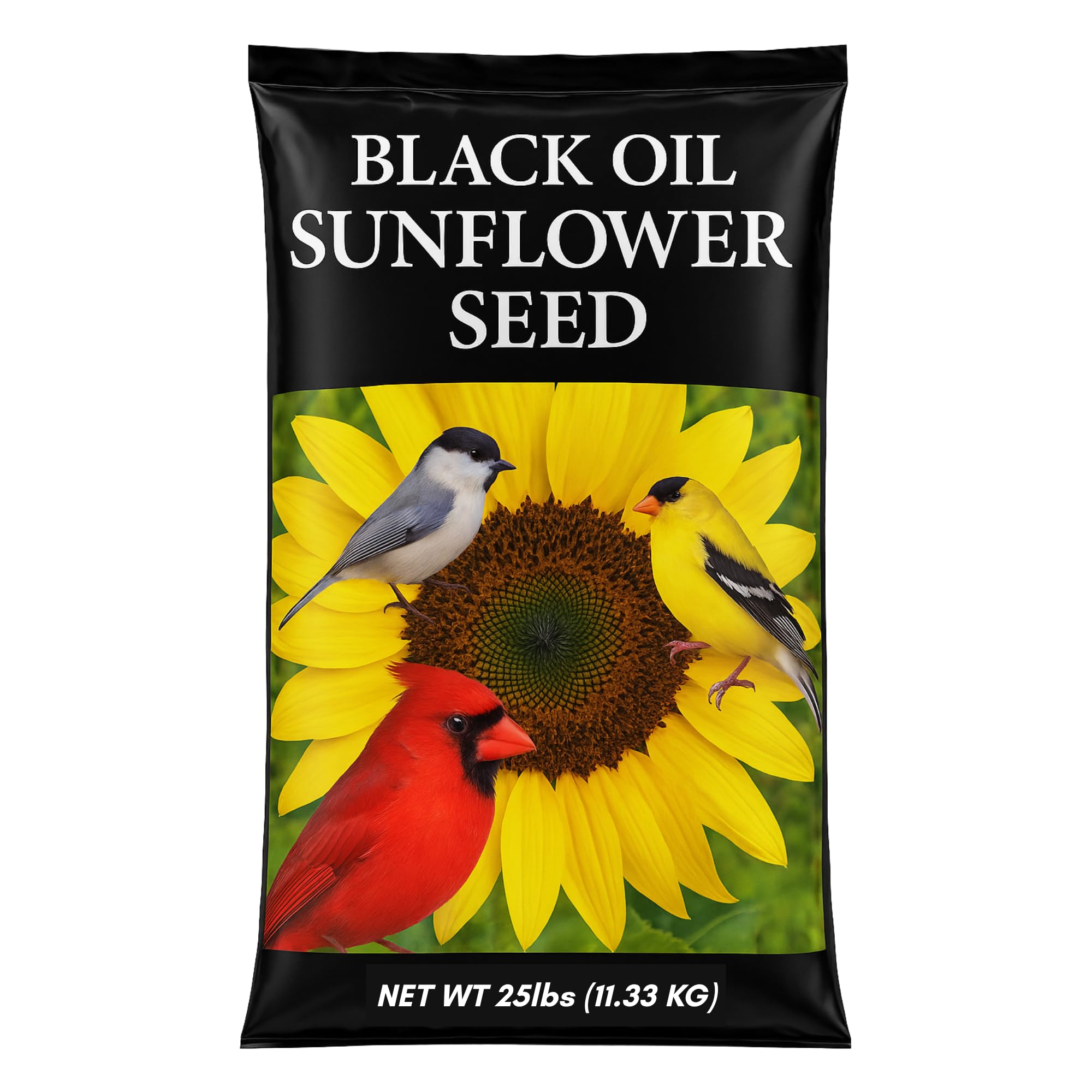
- Black Oil Sunflowers:These have thin shells and high oil content. Birds love them. They also grow well in gardens.
- Striped Sunflowers:These seeds are bigger and have thicker shells. They are often sold for snacks but can grow strong plants.
- Giant Sunflowers:These seeds come from very tall sunflower varieties. They are ideal for gardeners who want large flowers.
Bird Seed Vs. Garden Seed
Bird seed and garden seed look similar but have key differences. Bird seed often comes mixed with other seeds. These mixes may include millet, safflower, and cracked corn. Garden seeds are usually pure sunflower seeds without additives.
Bird seed may not always be the best choice for planting. Sometimes, bird seed is treated with chemicals to preserve it. These chemicals can stop the seed from sprouting. Garden seeds are cleaned and prepared for planting to ensure good growth.
Choosing seeds labeled for planting gives better results. They have higher germination rates and grow into strong plants. Bird seed can be planted, but success depends on seed quality and treatment.
Credit: www.amazon.com
Preparing Your Soil
Preparing your soil is a crucial step before planting sunflower bird seed. The right soil conditions help seeds sprout quickly and grow strong, tall sunflowers that attract birds and brighten your garden. Understanding what your soil needs can make a big difference in your gardening success.
Soil Requirements
Sunflowers thrive in soil that drains well but also holds enough moisture. They prefer a slightly acidic to neutral pH, around 6.0 to 7.5. If your soil is too sandy or clay-heavy, it might either dry out too fast or stay soggy, both of which can stunt growth.
Have you tested your soil’s texture and pH? You can buy a simple soil test kit at garden centers or send a sample to a local extension service. Knowing these details saves you time and frustration later.
Amending Soil For Sunflowers
If your soil isn’t ideal, don’t worry—you can fix it. Adding organic matter like compost or well-rotted manure improves soil texture and fertility. It also helps the soil retain moisture while improving drainage.
Here’s what you can do to prepare your soil:
- Mix 2-3 inches of compost into the top 6-8 inches of soil.
- Use garden lime if your soil is too acidic to raise the pH.
- Add sand or perlite if your soil is too dense or clayey to improve drainage.
I once planted sunflowers in heavy clay soil without amending it first. The seeds struggled to sprout, and the plants were weak. After adding compost and sand the next season, my sunflowers grew taller and healthier, attracting more birds than before. What changes can you make to your soil today to help your sunflowers thrive?
Planting Bird Seed
Planting bird seed, especially sunflower bird seed, can be a rewarding way to grow bright, cheerful flowers right in your garden. Not only do you get to enjoy the beauty of sunflowers, but you also create a natural habitat that attracts birds and pollinators. Understanding how and when to plant your bird seed is key to seeing those vibrant blooms.
When To Plant
Plant your sunflower bird seed after the last frost date in your area. The soil should be warm enough, ideally above 50°F (10°C), to encourage germination. Early planting can lead to poor sprouting or seed rot, so patience pays off.
If you’re unsure about the timing, ask yourself: Is the ground thawed and dry? If yes, it’s a good moment to plant. Sunflowers typically thrive with full sun exposure, so pick a sunny spot and plan your planting accordingly.
Planting Depth And Spacing
Plant each seed about 1 to 1.5 inches deep. This depth protects the seed from birds and pests while allowing it to access enough moisture to sprout. Press the soil gently after planting to ensure good seed-to-soil contact.
Space your seeds 6 to 12 inches apart depending on the sunflower variety. Crowding seeds too close can stunt growth and reduce airflow, increasing the risk of disease. Think about how large your sunflowers will grow and give them room to stretch.

Credit: www.reddit.com
Watering And Sunlight
Sunflower bird seed can sprout with the right care. Ensure the seeds receive daily sunlight for strong growth. Water regularly to keep the soil moist but not waterlogged.
Watering and sunlight play vital roles in growing sunflowers from bird seed. These factors determine the health and bloom of your plants. Proper care ensures vibrant growth and abundant blossoms. Let’s dive into essential tips for watering and sunlight needs.Watering Tips
Sunflowers require consistent watering for optimal growth. Water deeply to reach the roots. This helps plants develop strong stems and leaves. Avoid overwatering, which can lead to root rot. Check soil moisture before watering again. Use a finger to test the top inch of soil. Water only if it’s dry. Morning is the best time to water sunflowers. This prevents fungal diseases by allowing time for the leaves to dry.Sunlight Needs
Sunflowers thrive in full sunlight. They need at least six hours of direct sun daily. Choose a location with unobstructed sunlight for most of the day. Sunflowers follow the sun, a process known as heliotropism. This helps maximize their energy intake. Ensure your plants are not shaded by buildings or trees. Proper sunlight exposure enhances their growth and flowering potential.Common Issues And Solutions
Growing sunflowers from bird seed can be rewarding but comes with challenges. Common problems affect growth and seedling health. Knowing typical issues helps solve them fast. This section covers pests, diseases, and germination troubles. Clear tips guide you to a better sunflower patch.
Pests And Diseases
Sunflowers attract pests like aphids, caterpillars, and beetles. These insects feed on leaves and stems. They stunt growth and cause leaf holes. Early detection is key to stopping damage.
- Spray water to remove aphids gently.
- Use natural predators like ladybugs.
- Pick off large caterpillars by hand.
- Apply neem oil for safe pest control.
Diseases such as powdery mildew and rust may appear. These fungal infections cause white spots or orange rust on leaves. Good air circulation and less watering on leaves help prevent them.
Poor Germination Causes
Sunflower seeds may fail to sprout for several reasons. Old or low-quality seed often lacks vitality. Planting seeds too deep or too shallow affects sprout success. Soil that is too wet or dry also harms germination.
- Use fresh, high-quality bird seed for planting.
- Plant seeds about 1 inch deep in loose soil.
- Keep soil moist but not soaked during germination.
- Avoid planting in very hot or cold soil.
Watch out for soil pests that eat seeds underground. They reduce germination rates. Treat soil or use protective seed coatings to prevent loss.
Harvesting And Using Sunflowers
Harvesting and using sunflowers is a rewarding process. Sunflowers grow tall and bright, making your garden lively. Their seeds are not just food for birds but useful for people too. Knowing when to harvest and how to use the seeds can help you enjoy sunflowers fully.
When To Harvest
Sunflowers are ready to harvest when their petals wilt and fall off. The back of the flower head turns yellow to brown. Seeds become plump and hard. The best time is late summer to early fall. Check seeds by rubbing them between fingers; they should feel firm. Cut the flower head and hang it upside down in a dry, airy place. This helps seeds dry well and prevents mold.
Uses For Sunflower Seeds
Sunflower seeds have many uses beyond planting more flowers. You can roast them for a healthy snack. Add seeds to salads or baked goods for extra crunch. Birds love sunflower seeds as a natural food source. Some people press seeds to get sunflower oil for cooking. Seeds can also be ground into flour for gluten-free recipes. Keep seeds in a cool, dry place for longer freshness.
Frequently Asked Questions
Can You Grow Sunflowers From Bird Seed?
Yes, you can grow sunflowers from bird seed if the seeds are raw and untreated. Avoid seeds that are roasted or chemically coated, as they won’t germinate. Plant the seeds in well-drained soil with full sun for best results.
What Type Of Sunflower Seeds Are Best For Planting?
Choose raw, untreated black oil sunflower seeds for planting. These seeds have a high germination rate and grow into healthy plants. Avoid striped or roasted seeds meant for bird feed, as they typically won’t sprout.
How Long Does It Take To Grow Sunflowers From Bird Seed?
Sunflowers grown from bird seed usually sprout within 7 to 10 days. They bloom in about 70 to 90 days depending on the variety and growing conditions like sunlight and soil quality.
Can Bird Seed Sunflowers Attract Wildlife To My Garden?
Yes, sunflowers grown from bird seed attract birds, bees, and butterflies. The plants provide nectar, pollen, and seeds, supporting local wildlife and promoting a healthy garden ecosystem.
Conclusion
Sunflower bird seed can grow into beautiful sunflowers. Plant the seeds in good soil and water them well. Sunflowers need sunlight to grow strong and tall. Watch as birds enjoy the flowers and seeds later. Growing sunflowers from bird seed is simple and fun.
Try it in your garden for bright, happy blooms. A small effort brings nature closer to your home. Give it a try and enjoy the green space.




