
Have you ever wondered if you can turn that bag of safflower bird seed into a beautiful, growing plant in your garden? If you’re curious about whether those tiny seeds can do more than just feed birds, you’re in the right place.
Imagine watching your garden come alive with bright, cheerful safflower blooms—all starting from something as simple as bird seed. Keep reading to discover how easy it is to plant safflower bird seed and bring a splash of color and life right to your doorstep.
Your garden could be the next success story!
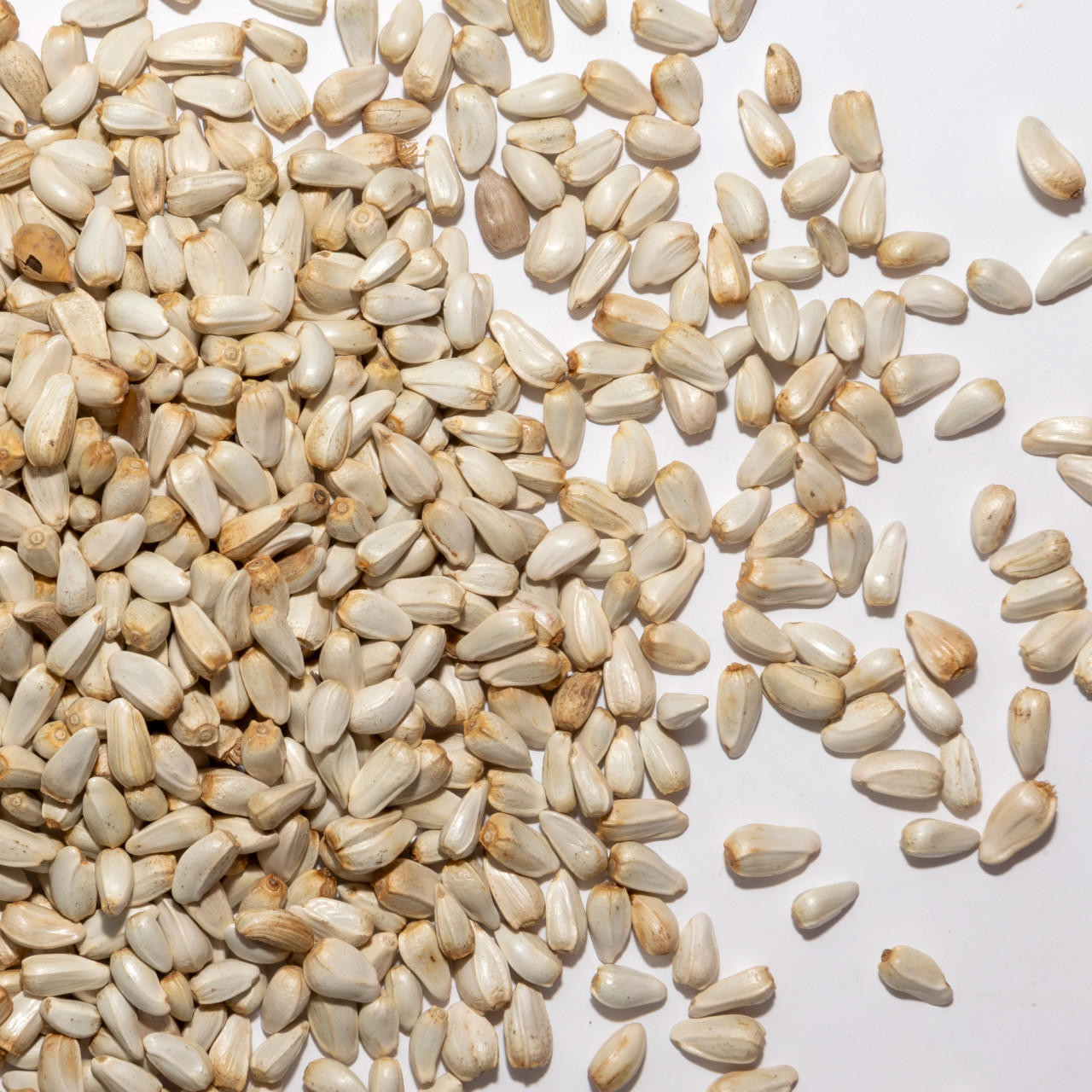
Credit: kennedywildbirdfood.co.uk
Choosing Safflower Seeds
Choosing the right safflower seeds is key to growing healthy plants that attract birds. Not all safflower seeds are created equal, and selecting the proper type can influence your garden’s success. Let’s look at what options you have and how to find quality seeds that will thrive in your space.
Types Of Safflower Seeds
Safflower seeds come in several varieties, each suited for different uses. Some are bred for oil production, while others are specifically grown as bird feed. The seeds meant for birds tend to be larger and have a tougher shell, making them less appealing to squirrels.
If you want to grow safflower to feed birds, look for these types:
- High-oleic safflower:Rich in healthy oils, this type attracts many bird species.
- Thistle-type safflower:Similar to thistle seed but with a harder shell, making it squirrel-resistant.
- Oilseed safflower:Often used for cooking oil, but can work for birds if untreated.
Choosing the right seed type can prevent wasting time and money on plants that won’t meet your goals. Have you noticed which types the birds in your area prefer?
Where To Buy Quality Seeds
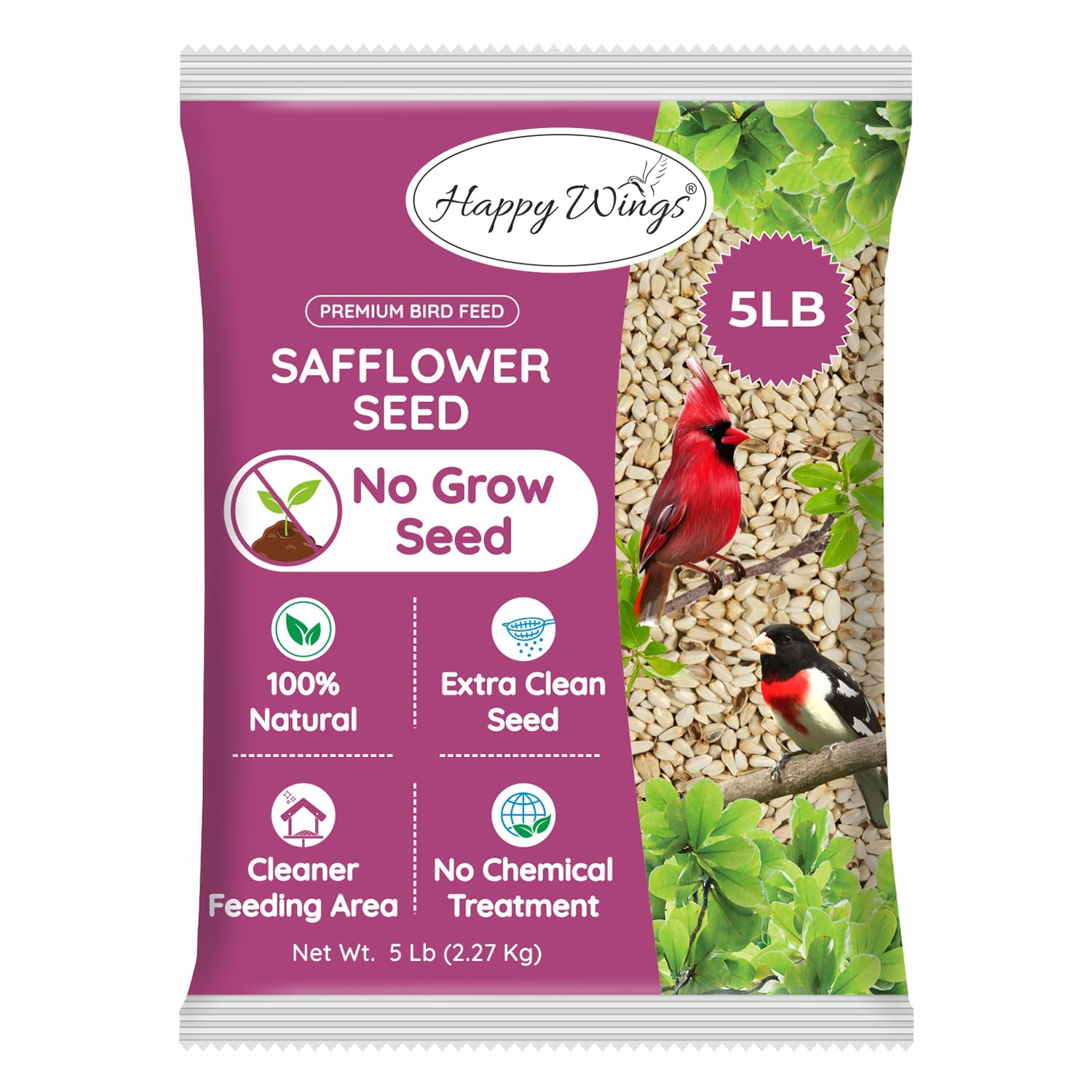
Buying safflower seeds from a reliable source makes a big difference. Seeds from garden centers or specialty bird seed suppliers tend to be fresher and untreated, which is better for planting. Avoid bird seed mixes with fillers or treated seeds if you plan to grow them.
Here are some tips to find quality safflower seeds:
- Check for seeds labeled as “untreated” or “raw” to ensure they will sprout.
- Look for reputable online stores specializing in bird or garden seeds.
- Ask local bird watchers or gardeners for seed recommendations.
Have you ever bought seeds that failed to grow? Finding a trusted supplier can save you from that frustration. Remember, fresh and untreated seeds give you the best chance for a flourishing safflower patch that birds will love.
Credit: www.amazon.com
Preparing The Planting Site
Preparing the planting site for safflower bird seed is crucial to ensure healthy growth and a bountiful harvest. Choosing the right soil and understanding the sunlight and temperature needs can make a significant difference. Let’s dig into what your garden needs to support safflower from seed to bloom.
Soil Requirements
Safflower thrives in well-draining soil that isn’t too rich. Heavy clay or waterlogged soil can cause root problems and stunt growth.
Test your soil’s texture—sandy loam is ideal. If your soil is dense, mix in some coarse sand or organic matter to improve drainage.
Neutral to slightly alkaline pH levels, around 6.0 to 7.5, work best. Have you checked your soil’s pH lately? A simple test kit can guide you on whether amendments are needed.
Sunlight And Temperature Needs
Safflower loves full sun and needs at least 6 hours of direct sunlight daily. Less sun means weaker plants and fewer seeds.
The plant prefers warm temperatures between 70°F and 85°F (21°C to 29°C). If you live in a cooler region, consider starting seeds indoors or waiting until the last frost has passed.
Have you noticed how certain plants in your garden struggle in partial shade? Safflower is one of those that won’t perform well without ample sunlight.
Planting Safflower Seeds
Planting safflower seeds can be a rewarding experience, especially if you want to grow vibrant flowers or provide nutritious feed for birds. These seeds are easy to handle and can thrive in various soil conditions. Understanding the right timing and planting techniques will increase your chances of success and make your garden flourish.
When To Plant
Safflower prefers warm soil, so plant your seeds after the last frost date in your area. This usually means late spring or early summer, depending on your climate zone. Planting too early can cause seeds to rot or fail to germinate, so checking soil temperature above 50°F (10°C) is essential.
If you live in a region with a short growing season, consider starting seeds indoors about 4-6 weeks before the last frost. This gives young plants a head start and improves growth once transplanted outdoors. Have you noticed how early planting can dramatically improve bloom size in your garden?
Seed Depth And Spacing
Plant safflower seeds about 1 to 1.5 inches deep in well-drained soil. This depth protects seeds from birds and keeps soil moisture consistent for germination. Avoid planting too deep, as this can delay sprouting or prevent it altogether.
Space your seeds 6 to 12 inches apart to give each plant enough room to grow tall and strong. Crowding leads to competition for nutrients and sunlight, which can stunt growth and reduce flower production. Have you ever seen a patch of safflower that looks sparse? Proper spacing often makes all the difference.
Watering And Care
Taking good care of safflower plants from bird seed requires attention to watering and nutrition. Proper moisture and feeding routines directly affect how well your safflowers grow and bloom. Let’s look at how often you should water and what fertilizing practices can boost your success.
Watering Frequency
Safflower plants prefer well-drained soil and don’t like to stay soggy. Water your plants deeply but infrequently to encourage strong root growth. This means giving them a good soak once or twice a week, depending on your climate and soil type.
In hotter or dryer areas, you might need to water more often, but always check the soil first. Stick your finger about an inch into the soil—if it feels dry, it’s time to water. Overwatering can cause root rot, so keep a balance that keeps the soil moist but not wet.
Fertilizing Tips
Fertilizing safflowers grown from bird seed can improve their growth, but too much fertilizer can harm them. Use a balanced fertilizer with equal parts nitrogen, phosphorus, and potassium—something like a 10-10-10 mix works well.
Apply fertilizer when the plants are about 4 inches tall and again when buds start to form. Avoid heavy feeding after flowering begins to prevent weak stems and fewer blooms. Have you noticed how a little extra feeding can make your plants more vibrant? That’s the power of careful fertilization.
Dealing With Pests And Diseases
Growing safflower from bird seed can be rewarding, but pests and diseases often challenge your efforts. Understanding how to handle these issues early protects your plants and ensures a healthy yield. Let’s look at common problems you might face and what you can do to keep your safflower thriving.
Common Pests
Safflower attracts a few pests that can damage leaves and stems. Aphids are tiny insects that suck sap, causing leaves to curl and yellow. Spider mites create fine webs and cause speckled discoloration on leaves, making your plant look unhealthy.
Another pest to watch out for is the safflower caterpillar, which can chew large holes in leaves. Birds might also peck at seeds, especially if you’re growing safflower specifically for bird feed. Have you noticed unusual spots or holes on your plants? That’s often a sign pests are at work.
Preventive Measures
Start by regularly inspecting your plants, especially under leaves where pests hide. Use a strong spray of water to knock off aphids early before they multiply. Introducing natural predators like ladybugs can reduce aphid numbers without chemicals.
Keep your garden clean by removing dead leaves and debris that attract pests and diseases. Rotate your planting area each year to reduce soil-borne problems. If you spot spider mites, apply neem oil or insecticidal soap to control them safely.
Have you tried companion planting? Herbs like basil or marigolds nearby can repel some pests naturally. Small changes in your garden routine can make a big difference in protecting your safflower from common threats.

Credit: www.canadiantire.ca
Harvesting And Using Safflower
Safflower bird seed can be planted to grow vibrant safflower plants. Harvest the seeds once they turn brown and dry. These seeds are great for cooking or feeding birds.
Harvesting safflower is a rewarding process. This unique plant offers seeds and vibrant blooms. Understanding the right time and technique ensures a bountiful yield. Once harvested, safflower seeds have multiple uses. They serve as bird feed, cooking oil, and more. Knowing the signs of maturity and proper harvest methods is crucial.Signs Of Maturity
Safflower plants indicate readiness with several signs. First, the flower heads turn brown. This change signals the seeds are mature. The plant leaves may dry and yellow. It’s also a maturity indicator. To check seed readiness, gently shake the flower head. If seeds rattle, they are ready to harvest.Harvest Techniques
Harvesting safflower requires careful handling. Use pruning shears to cut flower heads. This minimizes plant damage. Cut the heads when dry to prevent mold. Place the cut heads in a basket or container. Allow them to dry further in a warm, airy place. Once dry, remove seeds by hand or with a gentle rub. Store seeds in a cool, dry place. This ensures freshness for future use.Troubleshooting Growth Issues
Safflower bird seed can grow into healthy plants if planted properly. Poor growth often happens due to wrong soil or lack of water. Checking these issues helps improve plant success.
Growing safflower from bird seed can be a delightful project for garden enthusiasts, but it’s not without its challenges. Understanding and troubleshooting growth issues is crucial for a successful harvest. If you’re new to this, it’s normal to face a few hurdles. Identifying problems early can save you time and effort.Poor Germination Causes
Poor germination is a common issue when planting safflower bird seed. One major cause is inadequate soil temperature. Safflower seeds prefer warmth, so ensure the soil is at least 60°F (15°C) before planting. Another factor could be the seed quality. Bird seeds sometimes have low germination rates as they aren’t processed like garden seeds. Consider testing a small batch in a warm, moist paper towel to check viability before planting.Leaf Yellowing Solutions
Leaf yellowing can signal nutrient deficiency or overwatering. Check your soil’s nitrogen levels, as safflower plants need a balanced diet to thrive. A simple soil test can reveal nutrient gaps, which you can address with a suitable fertilizer. Be mindful of your watering habits. Safflower plants prefer dry conditions, so ensure the soil drains well and doesn’t remain soggy. If you’ve been overzealous with watering, let the soil dry out before your next session. Remember, every garden is unique. Have you faced a different challenge when growing safflower? Share your experience and insights in the comments below!Frequently Asked Questions
Can You Grow Safflower From Bird Seed?
Yes, you can grow safflower from bird seed if it is untreated and viable. Plant seeds in well-drained soil during spring. Keep the soil moist until germination. Safflower prefers full sunlight and grows best in warm climates.
Is Safflower Bird Seed Safe For Planting?
Safflower bird seed is safe for planting when free from chemicals. Avoid treated or roasted seeds as they won’t sprout. Untreated seeds germinate well and can produce healthy safflower plants in your garden.
How Long Does Safflower Take To Grow From Seed?
Safflower seeds typically take 7-14 days to germinate. Full maturity occurs in about 100-120 days. Growing conditions like temperature and soil quality affect growth speed. Proper care ensures a healthy safflower crop.
What Soil Is Best For Planting Safflower Seeds?
Well-drained, sandy or loamy soil with neutral pH is best. Safflower thrives in soil that doesn’t retain excess moisture. Avoid heavy clay soils to prevent root rot and promote healthy plant development.
Conclusion
Safflower bird seed can grow into healthy plants with proper care. The seeds need good soil, water, and sunlight to sprout well. Planting these seeds helps create a garden that attracts birds and insects. It also offers beautiful flowers and useful oil.
Growing safflower from bird seed is simple and rewarding. Give it a try and enjoy nature’s beauty right at home. Small steps lead to a lively and colorful garden space.




