
Have you ever wondered if the bird seed you scatter outside could do more than just feed your feathered friends? What if you could grow your own plants from those tiny seeds?
Imagine turning something simple into a thriving garden right at your fingertips. You’ll discover whether bird seed can actually grow into healthy plants and how you can try it yourself. Keep reading, because what you learn might change the way you think about your backyard and those little seeds you toss out every day.
Types Of Bird Seed For Planting
Choosing the right bird seed is important for growing plants from bird seed mixes. Not all seeds in these mixes will sprout or grow into healthy plants. Some seeds are meant only for bird food and do not germinate. Knowing which seeds work helps you start your garden successfully.
Common Seeds Found In Bird Mixes
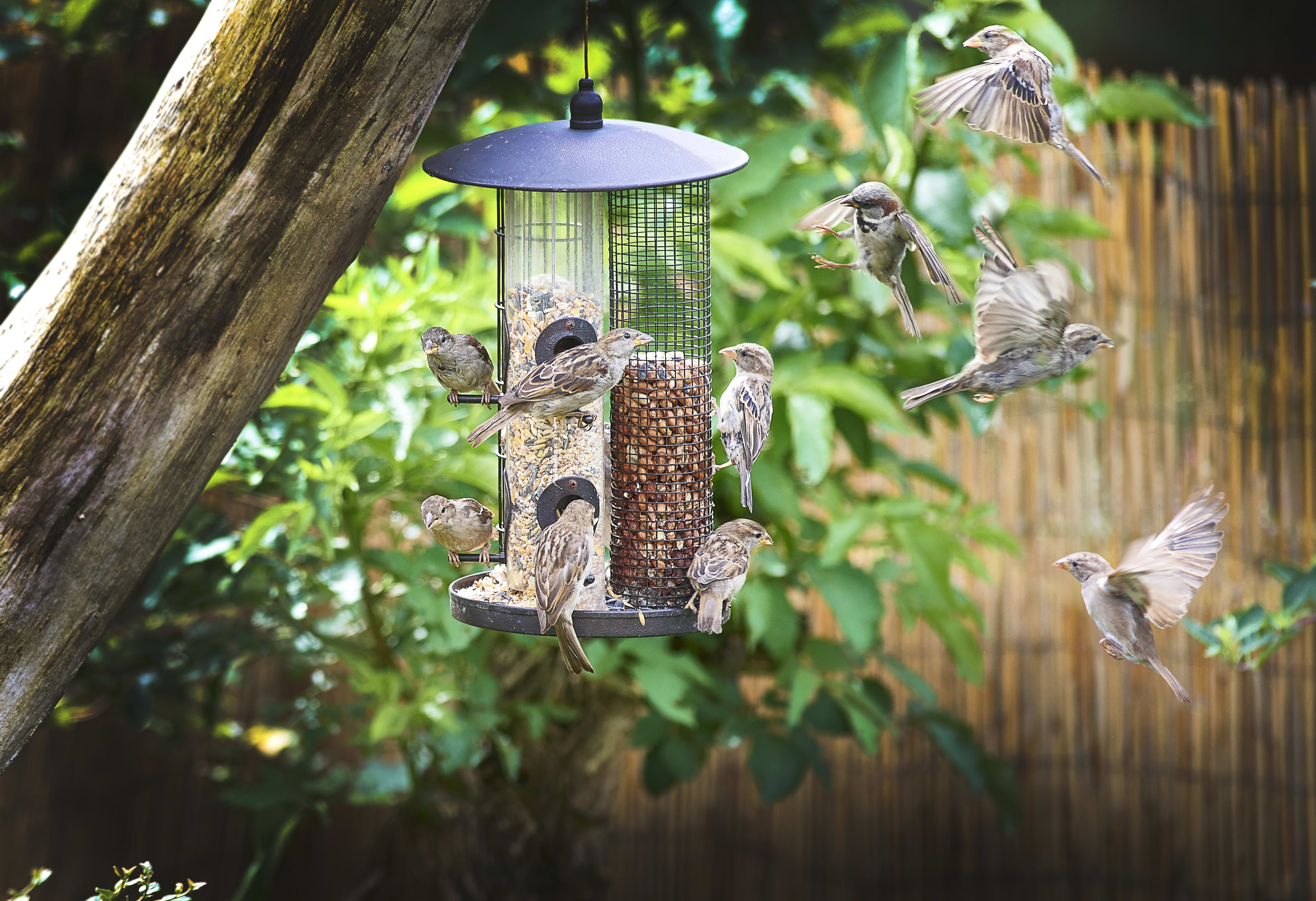
Bird seed mixes often contain a variety of seeds. Common types include:
- Sunflower seeds
- Millet
- Safflower seeds
- Cracked corn
- Thistle (nyjer) seeds
- Peanuts (shelled or unshelled)
These seeds attract different birds and vary in size and shape. Some are more likely to sprout than others.
Seeds That Actually Sprout
Not all bird seeds will grow into plants. Seeds that often sprout well include:
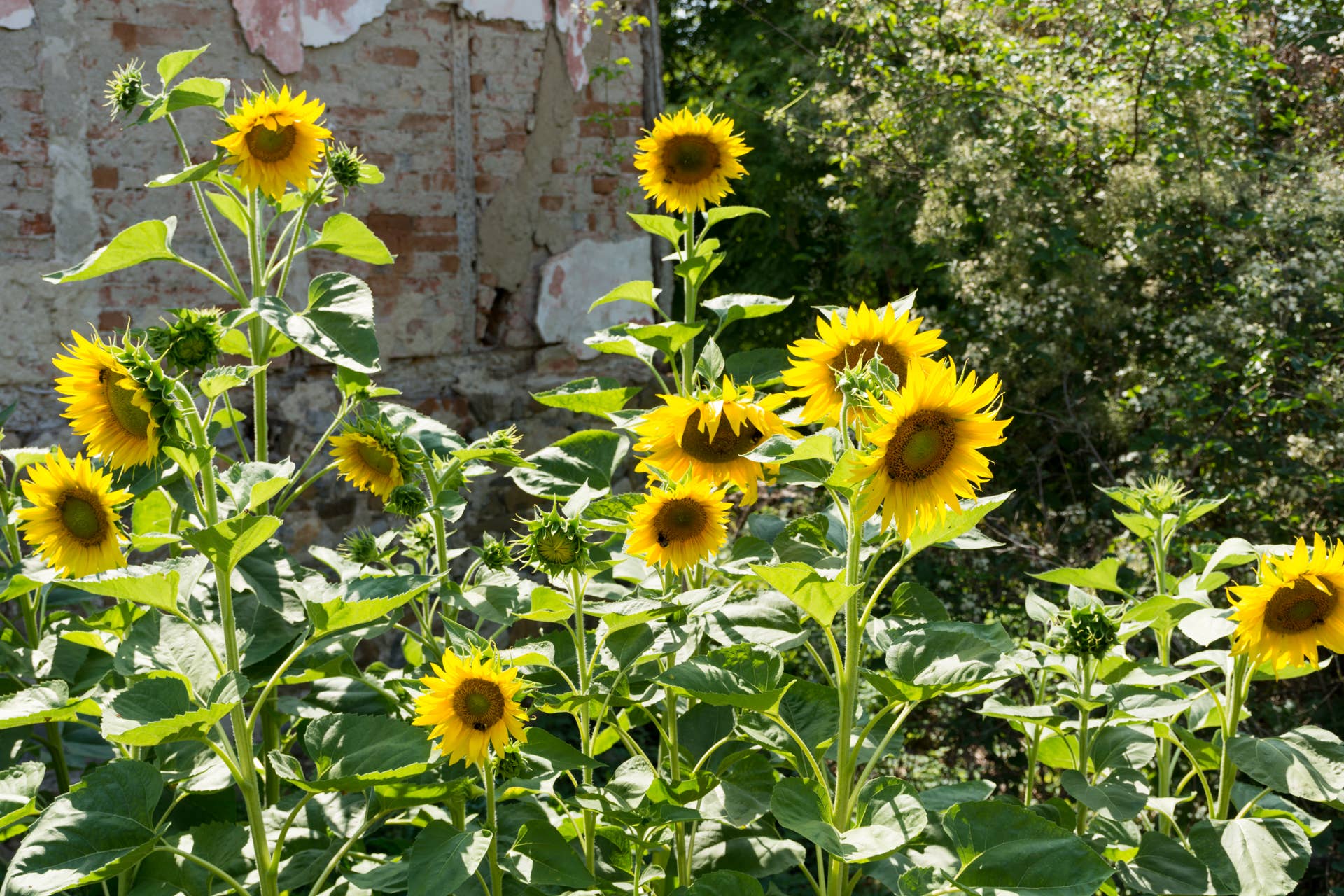
- Black oil sunflower seeds – easy to germinate and grow fast
- Millet – small seeds that sprout quickly
- Peanuts (raw and unshelled) – can grow into peanut plants
- Cracked corn – can sprout but needs more care
Seeds like safflower and thistle rarely sprout. Their coatings or size make germination difficult.
Avoiding Treated And Coated Seeds
Some bird seeds are treated with chemicals or coatings. These protect seeds from pests or mold. Such treatments stop seeds from growing.
Look for raw or untreated seeds for planting. Avoid colored or shiny seeds, as they usually have coatings.
Buying seeds labeled “for planting” or “raw” increases success. Avoid seed mixes designed only for feeding birds.
Credit: dengarden.com
Germination Basics
Germination is the first step in growing plants from bird seed. It means the seed starts to grow and turns into a small plant. Seeds need the right care to sprout well and become healthy plants. Understanding basic needs helps in successful germination.
Ideal Conditions For Seed Growth
Seeds need a warm and moist place to start growing. Temperature should be between 65°F and 75°F for most bird seeds. Too cold or too hot can stop seeds from sprouting. Good air circulation helps prevent mold and disease.
Soil Preparation Tips
Use loose, well-draining soil for planting bird seeds. Avoid heavy or compacted soil that holds too much water. Mix some compost or organic matter to add nutrients. Fill pots or trays with soil, leaving space for seeds on top.
Watering And Light Requirements
- Keep soil damp but not soggy to help seeds sprout.
- Use a spray bottle to water gently and avoid washing seeds away.
- Place seeds in a bright spot with indirect sunlight.
- Avoid direct harsh sun that can dry out soil too fast.
- Once seedlings appear, give them more light for strong growth.
Step-by-step Planting Guide
Growing plants from bird seed is a fun and rewarding activity. This guide breaks down the process into simple steps. Follow these easy instructions to help your seeds sprout and grow healthy plants.
Selecting Seeds From Bird Mix
Not all bird seeds will grow well into plants. Look for seeds that are whole and undamaged. Common seeds like sunflower, millet, and sorghum have a good chance of germinating. Avoid seeds that are cracked, shriveled, or treated with chemicals. Sorting seeds takes time but improves success rates. Pick seeds that are fresh and clean for best results.
Planting Techniques
Choose a small pot or seed tray with drainage holes. Fill it with light, well-draining soil. Plant seeds about twice as deep as their size. Press soil gently over the seeds to keep them in place. Water the soil lightly to make it moist but not soggy. Cover the pot with plastic wrap or a clear lid to keep humidity high. Place the pot in a warm spot with indirect sunlight. Check daily to keep the soil moist and watch for sprouts.
Care During Early Growth
Once seeds sprout, remove any cover to allow fresh air. Water plants regularly but avoid overwatering. Thin seedlings by removing the smallest ones to give space to stronger plants. Use a small fan or open a window to strengthen stems with gentle airflow. Move plants gradually to brighter light to prevent shock. Fertilize lightly with diluted plant food after two weeks. Keep pests away by inspecting leaves and soil often.
Common Challenges And Solutions
Growing plants from bird seed can be rewarding but also comes with a few common hurdles. Understanding these challenges helps you take quick, effective action. Let’s look at some typical problems and how you can solve them.
Dealing With Mold And Fungus
Mold and fungus thrive in damp, poorly ventilated conditions. If you notice a white or gray fuzzy layer on your seeds or soil, it’s likely mold. This can stunt seedling growth or kill young plants.
To prevent this, water seeds lightly and avoid overwatering. Make sure your planting container has drainage holes to keep excess moisture away. You can also sprinkle a thin layer of cinnamon on the soil surface—it acts as a natural antifungal agent.
Have you tried letting your seeds dry out a bit between watering? It’s a simple step that often stops mold before it starts.
Preventing Seedling Pests
Bird seed sprouts can attract pests like aphids, fungus gnats, or even tiny snails. These pests damage seedlings by feeding on their leaves or roots, weakening your plants before they get a chance to grow strong.
To keep pests away, introduce natural deterrents such as neem oil sprays or insecticidal soap. You can also place yellow sticky traps nearby to catch flying insects. Avoid overwatering, as damp environments invite pests.
Have you noticed pests appearing soon after watering? Adjusting your watering schedule might help reduce the problem without chemicals.
When Seeds Fail To Sprout
Sometimes seeds just don’t sprout, leaving you wondering if you did something wrong. Poor germination can result from old or low-quality bird seed, improper planting depth, or unsuitable temperature.
Start with fresh bird seed labeled for sprouting if possible. Plant seeds at the right depth—usually about twice their size—and keep the soil consistently warm, around 65-75°F (18-24°C). Patience is key; some seeds take longer to sprout than others.
If your seeds still don’t sprout, consider testing them by soaking a few in water overnight. Seeds that sink and feel firm are usually viable, while floating or mushy ones might be dead.
Plants You Can Grow From Bird Seed
Bird seed often holds more than just food for your feathered friends—it can be a surprising source of plants for your garden. Many types of seeds sold for birds are viable for growing a variety of plants. Understanding which plants you can grow from bird seed opens up new possibilities for your garden space, and can be a fun, rewarding experiment.
Wildflowers
Many bird seed mixes contain wildflower seeds like sunflowers, cosmos, or black-eyed Susans. These seeds often sprout with minimal care and bring vibrant colors to your garden. Have you ever noticed a burst of wildflowers where you spilled some bird seed? That’s nature’s way of showing you what’s possible.
Wildflowers attract pollinators, which can improve the health of your entire garden. If you want a natural, low-maintenance flower patch, try planting bird seed directly in soil. You might be surprised how quickly a patch of wildflowers can brighten your yard.
Grasses And Grains
Many bird seed blends include grains like millet, barley, or oats. These can grow into ornamental grasses or edible grains if you give them the right conditions. Growing them can add texture to your garden and even provide you with fresh grains for cooking.
Have you considered planting some millet or oats from your leftover bird seed? These plants grow quickly and can serve as a natural privacy screen or ground cover. Plus, they teach patience and care, as grains require slightly different watering and sunlight than typical garden plants.
Vegetables And Herbs Possibilities
Some bird seeds include vegetable or herb seeds such as sunflower seeds, coriander, or fennel. If you separate these from the mix, they can grow into useful kitchen garden additions. Imagine harvesting fresh herbs or crunchy sunflower sprouts from seeds meant for birds.
Trying to grow vegetables or herbs from bird seed might require a bit more patience and care, but it’s worth the effort. Have you ever thought about turning those bird seed packets into your next herb garden starter? It’s a practical way to reuse what you already have and enjoy fresh flavors at home.
Credit: dengarden.com
Creative Uses For Bird Seed Plants
Growing plants from bird seed offers a unique way to repurpose leftover seeds. Bird seed plants can sprout into beautiful flowers or herbs, adding greenery to your garden. This approach can attract beneficial insects and birds, enhancing the biodiversity of your outdoor space.
Growing plants from bird seed can offer many creative uses. These plants can add charm to gardens, attract wildlife, and serve as educational tools. Let’s explore these unique possibilities.Home Garden Enhancements
Bird seed plants can transform your garden’s appearance. They introduce a variety of textures and colors. Imagine sunflowers towering above other plants. Or millet adding a graceful touch with its slender stems. These plants can fill gaps in your garden. They also bring a natural, wild look. Plus, they require little maintenance. This makes them perfect for busy gardeners.Attracting Wildlife
Bird seed plants can draw wildlife to your yard. Birds flock to these plants for their seeds. They also attract butterflies and bees with their blooms. This creates a lively, buzzing environment. Watching wildlife can be a relaxing pastime. It also helps maintain a balanced ecosystem. Your garden can become a small sanctuary for local species.Educational Projects
Growing bird seed plants can be educational. It’s a hands-on way to learn about plant life cycles. Children can observe seeds sprouting and growing. This teaches patience and care. It also introduces concepts like photosynthesis. Students can document changes and make observations. This enriches their learning experience.
Credit: www.gardeningknowhow.com
Frequently Asked Questions
Can You Grow Plants Directly From Bird Seed?
Yes, many bird seeds can sprout and grow into plants. However, success depends on seed type and conditions. Some seeds are treated or mixed, reducing germination. Using untreated, pure seeds improves growth chances.
Which Bird Seeds Are Best For Planting?
Sunflower, millet, and safflower seeds are best for planting. These seeds germinate well and grow into healthy plants. Avoid mixed or coated seeds to ensure better sprouting results.
How Long Does It Take For Bird Seeds To Sprout?
Most bird seeds sprout within 7 to 14 days when kept moist and warm. Germination time varies by seed type and environmental conditions. Proper care speeds up the sprouting process.
Do Bird Seeds Need Special Soil To Grow?
Bird seeds grow best in well-draining, nutrient-rich soil. Ordinary garden soil or potting mix works well. Avoid compacted or overly wet soil to prevent seed rot.
Conclusion
Bird seed can grow some plants, but results may vary. Some seeds sprout quickly, while others might not grow at all. Use fresh, untreated seed for better chances. Keep soil moist and provide sunlight for healthy growth. Growing plants from bird seed is a fun, simple way to start gardening.
Give it a try and enjoy watching nature grow right at home. Patience and care will help your plants thrive over time.




