
Have you ever wondered if you can plant bird sunflower seeds in your garden? If you’re looking to grow bright, cheerful sunflowers that attract birds and add beauty to your outdoor space, this question is important.
You might think bird seeds are only for feeding, but what if they could also grow into stunning sunflowers right in your backyard? Keep reading, and you’ll discover the simple truth about planting bird sunflower seeds—and how you can turn those tiny seeds into a flourishing garden that brings joy and life to your home.

Credit: www.amazon.com
Choosing Bird Sunflower Seeds
Choosing the right bird sunflower seeds is essential for attracting a variety of feathered visitors to your garden. The type and quality of the seeds you pick will directly affect which birds show up and how often. Let’s dive into what you need to know to make the best choice for your outdoor space.
Types Of Bird Sunflower Seeds
Not all sunflower seeds are created equal when it comes to feeding birds. Black oil sunflower seeds are the most popular choice because they have a thinner shell and more oil content, making them easier for small birds to crack open.
Striped sunflower seeds have a thicker shell and are often used for human snacks, but birds like larger species such as cardinals and grosbeaks enjoy them too. However, they can be harder for smaller birds to eat.
Thinking about which birds you want to attract can help you pick the right seed type. Are you hoping to see chickadees and finches, or are you aiming for cardinals and jays? Your choice matters.
Seed Quality And Selection Tips
Freshness is key when selecting bird sunflower seeds. Old or stale seeds can lose nutritional value and may not attract birds as well. Always look for seeds stored in a cool, dry place to ensure they stay fresh longer.
Check the packaging for any signs of mold or moisture. Seeds with a musty smell or visible clumping should be avoided. Your birds deserve the best, and so does your garden.
Buy from trusted suppliers who specialize in bird feed. Sometimes, local garden centers offer bulk options that allow you to test different seed types without committing to large quantities.
Have you ever noticed how quickly birds flock to fresh, high-quality seeds? It’s a clear sign that your effort in choosing well pays off in lively, colorful visits.
Ideal Planting Time
Knowing the ideal planting time helps bird sunflower seeds grow strong and healthy. Planting at the right moment ensures good germination and steady growth. Timing depends on the season and soil warmth.
Best Season For Sowing
Bird sunflower seeds grow best in spring and early summer. These seasons offer enough sunlight and warmth. Avoid planting in cold or frosty weather. Late spring is perfect for most regions. This gives plants time to bloom and produce seeds.
Soil Temperature Requirements
Soil temperature must reach at least 50°F (10°C) for seeds to sprout. Warmer soil speeds up germination, usually between 60°F and 70°F (15°C to 21°C). Cold soil slows growth and may cause seeds to rot. Use a soil thermometer to check before planting.
Preparing The Soil
Preparing the soil is a key step before planting bird sunflower seeds. Healthy soil helps seeds sprout and grow strong plants. Taking time to prepare soil ensures better water absorption and nutrient supply. This step sets the foundation for a thriving sunflower garden.
Soil Type And Drainage
Bird sunflowers prefer loose, well-draining soil. Heavy clay or waterlogged soil can harm seed growth. Sandy loam soil works best as it drains well and holds some moisture. Good drainage stops roots from rotting and keeps the plant healthy.
Test soil drainage by digging a small hole and filling it with water. If water drains within a few hours, the soil is ready. If not, add organic matter or sand to improve drainage.
Nutrient Needs
Sunflowers need rich soil with balanced nutrients. Nitrogen helps leaves grow, phosphorus supports roots, and potassium boosts flowers. Adding compost or well-rotted manure enriches the soil naturally.
Use a balanced fertilizer with equal parts nitrogen, phosphorus, and potassium for best results. Avoid over-fertilizing, as it can harm seedlings. Healthy soil nutrients encourage strong stems and vibrant blooms.
Planting Techniques
Planting bird sunflower seeds requires simple but careful techniques for best growth. Proper seed depth and spacing help roots grow strong. Correct watering after planting supports seed germination and seedling health.
Seed Depth And Spacing
Plant bird sunflower seeds about 1 to 1.5 inches deep. This depth keeps seeds safe from birds and drying out. Space seeds 6 to 12 inches apart to give each plant room to grow. Crowded seeds may compete for water and nutrients. Use a ruler or stick to measure spacing evenly. Proper seed placement leads to healthier and taller sunflowers.
Watering After Planting
Water the soil gently right after planting. The soil should be moist but not soaked. Too much water can cause seeds to rot. Keep soil damp for about two weeks until seedlings appear. Use a spray bottle or watering can with a fine nozzle. Water early in the morning to reduce evaporation. Consistent moisture helps seeds sprout quickly and grow strong.
Caring For Seedlings
Caring for bird sunflower seedlings requires attention to a few key details that can make a big difference in their growth. These young plants are delicate and need consistent care to thrive. Understanding how to properly water, provide sunlight, and fertilize will help your seedlings turn into strong, vibrant sunflowers.
Watering Schedule
Seedlings need moist soil but not soggy conditions. Water them gently every day or every other day, depending on the temperature and humidity where you live. Check the top inch of soil—if it feels dry, it’s time to water.
Too much water can drown roots and cause mold, so avoid overwatering. I once drowned my sunflower seedlings by watering too often; since then, I water only when the soil starts drying out. This simple adjustment improved their growth dramatically.
Sunlight Needs
Bird sunflower seedlings love bright light. Place them where they get at least 6 hours of sunlight daily. If you don’t have a sunny spot, consider using a grow light to mimic natural light.
Seedlings that don’t get enough light may stretch and become weak. Have you noticed your seedlings leaning toward a window? That’s a sign they need more direct sunlight.
Fertilizing Tips
Young seedlings don’t need heavy feeding, but a mild fertilizer helps. Use a balanced, water-soluble fertilizer diluted to half strength every two weeks. This supports steady growth without burning delicate roots.
Remember, too much fertilizer can harm seedlings. If your leaves turn yellow or brown, cut back on feeding. Sometimes, less is more when it comes to nurturing young plants.

Credit: www.reddit.com
Common Challenges
Planting bird sunflower seeds can be tricky due to pests and unpredictable weather. Soil quality and sunlight also affect growth success. Patience and care help overcome these common challenges.
Planting bird sunflower seeds can be a rewarding experience, offering vibrant blooms and attracting delightful avian visitors to your garden. However, like any gardening endeavor, it comes with its set of challenges. Tackling these issues head-on can make the difference between a thriving patch and one that struggles. Here, we explore common challenges that you might face and how to tackle them effectively.Pests And Diseases
Bird sunflower seeds can attract unwanted guests. You might find that certain insects, like aphids or caterpillars, take a keen interest in your plants. Regularly inspecting your sunflowers will help you catch these pests early. Diseases such as rust or mildew can also pose problems. Ensuring proper spacing between plants can help improve air circulation and reduce the risk of fungal infections. Using natural remedies, such as neem oil, can be an effective way to protect your sunflowers without harming the environment.Dealing With Weather Issues
Sunflowers are generally hardy, but extreme weather can be tough on them. Heavy rains can lead to waterlogged soil, which might cause root rot. Make sure your soil has good drainage to prevent this issue. On the other hand, intense heat and drought can stress your plants. Regular watering during dry spells is crucial. Mulching can help retain soil moisture and keep roots cool. Are you prepared to adjust your care routine with changing weather patterns? Your sunflowers will thank you for it.Harvesting And Storage
Harvest bird sunflower seeds when petals dry and backs turn brown. Store seeds in a cool, dry place to keep them fresh for planting. Proper drying prevents mold and helps seeds last longer.
Harvesting and storing sunflower seeds from your garden can be a rewarding experience. Not only do you get to enjoy the vibrant blooms during the summer, but you also have the opportunity to gather seeds for bird feeding or future planting. Getting the timing and technique right ensures you maximize the yield and quality of your seeds. Let’s dive into the specifics of how you can do just that.Signs Of Maturity
Recognizing when your sunflower seeds are ready for harvest is crucial. Look for the back of the flower head to turn from green to a yellow-brown color. The seeds themselves should be plump and have developed their characteristic stripes or patterns. If birds are beginning to snack on them, it’s a good sign they’re ready for you to harvest.Proper Seed Drying And Storage
Once harvested, drying your seeds properly is essential. Spread the seeds in a single layer on a clean, dry surface such as a baking sheet. Allow them to dry in a well-ventilated area for several days. After drying, store the seeds in a cool, dry place. Use an airtight container to keep moisture out. For long-term storage, consider adding a silica gel packet to absorb any residual moisture. Thinking about the future, are you planning to plant these seeds or share them with your feathered friends? Ensuring proper storage now will make sure they’re viable for your intended purpose.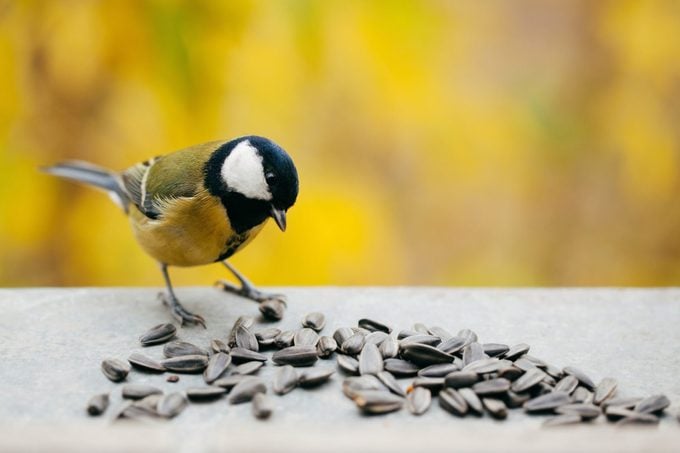
Credit: www.familyhandyman.com
Frequently Asked Questions
Can I Grow Bird Sunflower Seeds In My Garden?
Yes, bird sunflower seeds can be planted in your garden. They grow well in sunny spots with well-drained soil. These seeds attract birds and produce beautiful sunflowers for decoration.
Are Bird Sunflower Seeds Safe For Planting?
Bird sunflower seeds sold for bird feed are safe to plant. However, untreated seeds work best for germination. Avoid seeds with chemical coatings, as they may hinder growth or harm plants.
How Long Do Bird Sunflower Seeds Take To Sprout?
Bird sunflower seeds typically sprout within 7 to 14 days. Warm soil and consistent moisture speed up germination. Ensure the soil stays moist but not waterlogged for best results.
What Care Do Bird Sunflower Plants Need?
Bird sunflowers need full sun, regular watering, and well-drained soil. Avoid overwatering and provide support for tall plants. Fertilize occasionally to encourage strong growth and vibrant blooms.
Conclusion
Planting bird sunflower seeds can bring beauty to your garden. These seeds grow into tall, bright sunflowers that attract birds and butterflies. They are easy to plant and care for, even for beginners. Sunflowers also help improve soil health naturally.
Watching the flowers grow can be a fun and relaxing activity. Give bird sunflower seeds a try and enjoy nature’s charm right outside your door.




