
Have you ever wondered if the bird seeds you scatter outside can turn into plants? It’s a question that sparks curiosity and a bit of hope.
Imagine turning those tiny seeds into a lush garden right in your backyard. But can bird seeds really grow into healthy plants? If you’ve been tossing them out without a second thought, this might just change how you see those little packets of nature’s potential.
Keep reading to uncover the truth and discover how you can make the most of the seeds you already have.
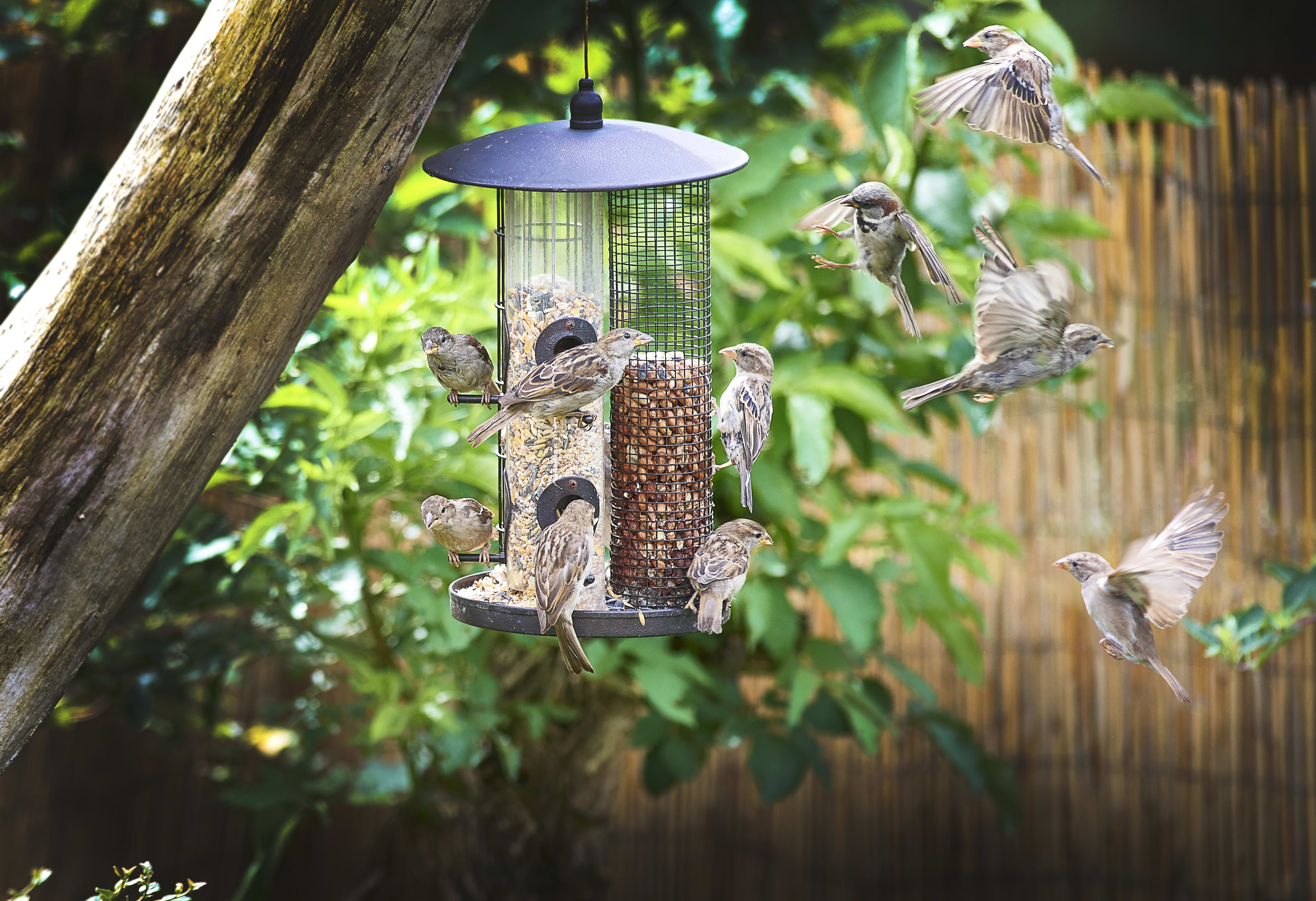
Credit: dengarden.com
Types Of Bird Seeds
Understanding the types of bird seeds is essential if you’re curious about whether these seeds can grow into plants. Not all bird seeds are created equal—some are natural and ready to sprout, while others are processed and less likely to grow. Knowing the differences helps you decide if you want to try planting bird seeds or just enjoy feeding the birds.
Common Seeds In Bird Feed
Bird feed often contains a mix of seeds designed to attract various bird species. Some of the most common seeds you’ll find include:
- Sunflower seeds:Popular among many birds, especially black oil sunflower seeds.
- Millet:Small, light seeds favored by smaller birds like sparrows and finches.
- Safflower seeds:Loved by cardinals and grosbeaks.
- Cracked corn:A favorite of doves and pigeons, often included in mixes.
These seeds vary in size, nutritional value, and their potential to grow if planted.
Seeds That Can Germinate
Not all bird seeds will sprout into plants, but some definitely can. Seeds like black oil sunflower, millet, and safflower are natural and often viable for growing. If you’ve ever spilled birdseed in your garden, you might have noticed little seedlings popping up—this is proof these seeds can germinate.
On the other hand, seeds such as nyjer or thistle are often heat-treated or processed, which kills their ability to sprout. So, if you’re aiming to grow plants from bird seeds, look for raw, untreated seeds.
Processed Vs Natural Seeds
Bird seeds come either as natural, raw seeds or processed ones. Processed seeds may be roasted, heat-treated, or chemically treated to prevent sprouting and extend shelf life. These are great for feeding birds but won’t grow into plants.
Natural seeds retain their germination ability but may spoil faster or attract unwanted pests if not stored properly. If you want to experiment with growing bird seeds, choose natural seeds labeled as untreated or raw. Have you ever tried planting bird seeds and been surprised by what grew?

Credit: birdsupplies.com
Seed Viability And Germination
Seeds found in bird feed sometimes can grow into plants. Their ability to sprout depends on seed viability and germination conditions. Understanding these factors helps explain why some seeds grow and others do not.
Factors Affecting Seed Viability
Seed viability means the seed is alive and able to grow. Several things affect this:
- Seed age: Older seeds often lose their ability to sprout.
- Storage conditions: Heat, moisture, and light can harm seeds.
- Seed type: Some seeds last longer than others.
- Damage: Cracks or insect bites lower viability.
Viable seeds have a better chance to grow into healthy plants.
How Bird Digestive Systems Impact Seeds
Birds often eat seeds and pass them through their digestive systems. This process can affect seed survival:
- Strong stomach acids may damage seeds.
- Some seeds have hard coatings that protect them.
- Seeds that survive digestion may be dispersed far from the original spot.
- Digestive passage can help soften seed coats, aiding germination.
Not all seeds survive digestion, but some do and can sprout later.
Conditions Needed For Germination
Germination means a seed starts to grow. Seeds need the right conditions:
- Water to swell and activate the seed.
- Proper temperature suitable for the seed type.
- Oxygen for respiration and energy production.
- Sometimes light or darkness triggers sprouting.
- Good soil or growing medium to support roots.
Without these conditions, seeds will not sprout, even if viable.
Growing Plants From Bird Seeds
Growing plants from bird seeds is an exciting way to bring nature closer. Many bird seeds have the potential to sprout and grow into beautiful plants. This process lets you see how tiny seeds transform into green life. It also makes gardening fun and educational for all ages.
Not all bird seeds will grow, but some common types do. Sunflower seeds, millet, and nyjer seeds often sprout well. Growing these seeds requires patience and care. The results can be rewarding, showing the power of nature in your hands.
Steps To Plant Bird Seeds
- Choose fresh, untreated bird seeds suitable for planting.
- Prepare a small pot or garden space with well-draining soil.
- Place seeds on the soil surface or cover lightly with soil.
- Water gently to keep the soil moist but not soaked.
- Place the pot in a warm, sunny spot to encourage growth.
- Keep soil moist and watch for sprouts to appear in days or weeks.
- Thin seedlings if they grow too crowded to allow room to grow.
Common Challenges
- Seeds may be treated with chemicals that stop germination.
- Bird seed mixes often contain shells or debris that slow growth.
- Overwatering can cause seeds to rot before sprouting.
- Insufficient sunlight may result in weak, leggy plants.
- Some seeds may never sprout due to age or storage conditions.
Successful Examples
| Seed Type | Plant Result | Notes |
|---|---|---|
| Sunflower | Tall, bright flowers | Needs full sun and space to grow tall |
| Millet | Grass-like plants | Grows quickly and easy to care for |
| Nyjer (Thistle) | Small flowers attracting birds | Prefers cooler temperatures |
Environmental Impact
Understanding the environmental impact of bird seeds growing into plants helps you see the bigger picture of your backyard ecosystem. It’s more than just a chance to grow something new—it’s about how nature interacts and changes around you. Let’s look at how birds play a crucial role, the risks involved, and the benefits you might enjoy.
Role Of Birds In Seed Dispersal
Birds act as natural gardeners by carrying seeds from one place to another. When birds eat seeds, they often drop some on the ground or pass them through their digestive system, which can help seeds sprout in new locations.
This process supports plant diversity and helps forests and gardens grow healthier. Have you noticed how certain plants pop up near bird feeders or resting spots? That’s nature’s way of spreading life around.
Invasive Species Risks
Not all seeds brought by birds are safe to grow. Some can become invasive, crowding out local plants and upsetting the natural balance.
For example, seeds from non-native plants may grow aggressively and reduce space for native species that local wildlife depends on. It’s important to watch which plants start to appear and remove those that seem to take over too quickly.
Benefits To Garden Ecosystems
Allowing bird seeds to grow can add variety and beauty to your garden. New plants can attract beneficial insects, pollinators, and even more birds, creating a lively, balanced environment.
Plus, these plants can improve soil health and provide food or shelter for small creatures. Think about the last time you saw a new flower or tree in your yard—did it change how you felt about your space?
Tips For Gardeners
Growing plants from bird seeds can be a rewarding experience, but it requires some thoughtful care. Knowing how to select, prepare, and nurture these seeds can make all the difference in your garden’s success. Here are some practical tips to help you get started and keep your seedlings thriving.
Selecting Seeds For Planting
Not all bird seeds are created equal when it comes to growing plants. Look for seeds that are whole and unprocessed, as these have the best chance of germinating.
Seeds like sunflower, millet, or safflower often come in bird seed mixes and are easier to grow. Avoid mixes with salt, preservatives, or coatings, as these reduce germination rates.
Have you checked the seed packet or product label? Sometimes, companies list whether seeds are treated or meant only for feeding, which can save you time and effort.
Preparing Seeds For Growth
Some seeds benefit from soaking before planting. Soaking softens the outer shell and speeds up germination.
Try soaking seeds in lukewarm water for 8 to 12 hours but avoid soaking too long to prevent rotting. After soaking, plant them in well-draining soil to avoid waterlogging.
Remember to keep the soil moist but not soggy. You might be surprised how much a simple change in watering habits can improve your seedling’s growth.
Maintaining Healthy Seedlings
Once your seeds sprout, they need proper light, water, and space to grow strong. Place seedlings where they get plenty of indirect sunlight – too much direct sun can dry them out.
Water gently and consistently, watching for signs of overwatering like yellow leaves or mold. Thin out crowded seedlings to give each plant room to develop roots and leaves.
Have you noticed how some seedlings stretch towards the light? Rotating your pots daily can prevent this and encourage even growth.
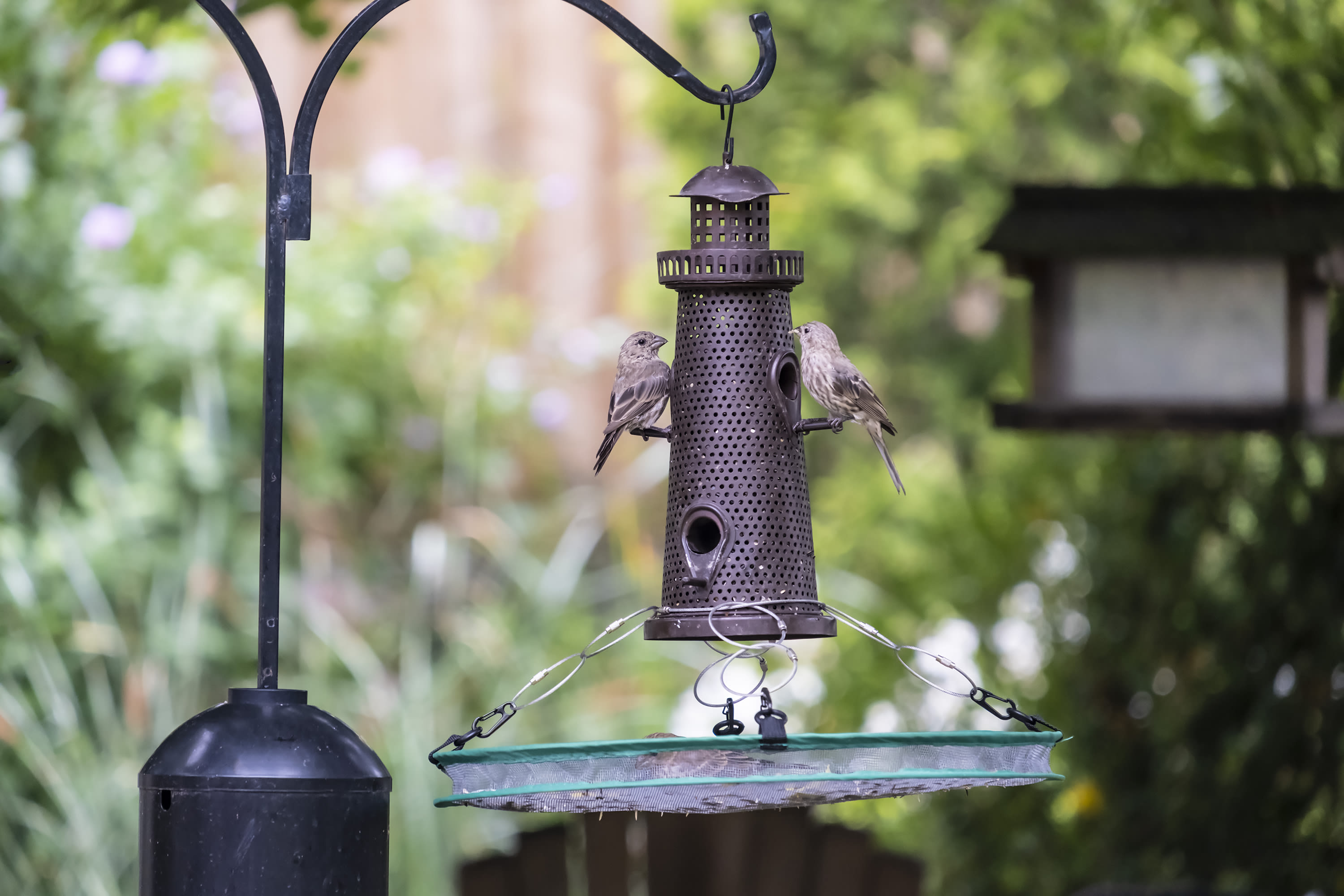
Credit: dengarden.com
Frequently Asked Questions
Can Bird Seeds Sprout Into Plants At Home?
Yes, many bird seeds can sprout into plants if planted properly. Conditions like soil, water, and sunlight must be suitable. Common seeds like sunflower, millet, and safflower often grow well. However, some commercial bird seeds are treated and may not germinate.
Which Bird Seeds Are Best For Planting?
Sunflower, millet, and safflower seeds are ideal for planting. These seeds have high germination rates and grow into healthy plants. Avoid seeds treated with chemicals, as they won’t sprout. Using untreated, fresh seeds increases the chance of successful growth.
Do All Bird Seeds Grow Into Edible Plants?
Not all bird seeds grow into edible plants for humans. Some produce edible fruits or nuts, like sunflower seeds. Others may grow into decorative or wild plants. It’s essential to identify the seed type before consumption or planting.
How Long Does It Take Bird Seeds To Germinate?
Bird seeds typically germinate within 7 to 14 days under optimal conditions. Soaking seeds before planting can speed up germination. Temperature and moisture levels also significantly affect sprouting time. Patience and proper care ensure successful seed growth.
Conclusion
Bird seeds can sometimes grow into plants, but not always. Many bird seeds are treated or mixed with other ingredients. These factors affect their ability to sprout. Planting fresh, untreated seeds gives better chances. Nature works in its own way.
Watching seeds grow can be fun and rewarding. Try planting seeds from your bird feeder to see what happens. Patience and care help plants grow strong. Gardening teaches us about life and growth. Give it a try and enjoy the process.




