
Have you ever wondered if the hummingbird you see darting around your garden is truly a tropical bird? These tiny, vibrant creatures captivate many with their dazzling colors and rapid wing beats.
But where do they really belong? Understanding whether hummingbirds are tropical can change how you appreciate their behavior and habitat. Keep reading to uncover fascinating facts about hummingbirds that might surprise you and deepen your connection with these incredible little birds.
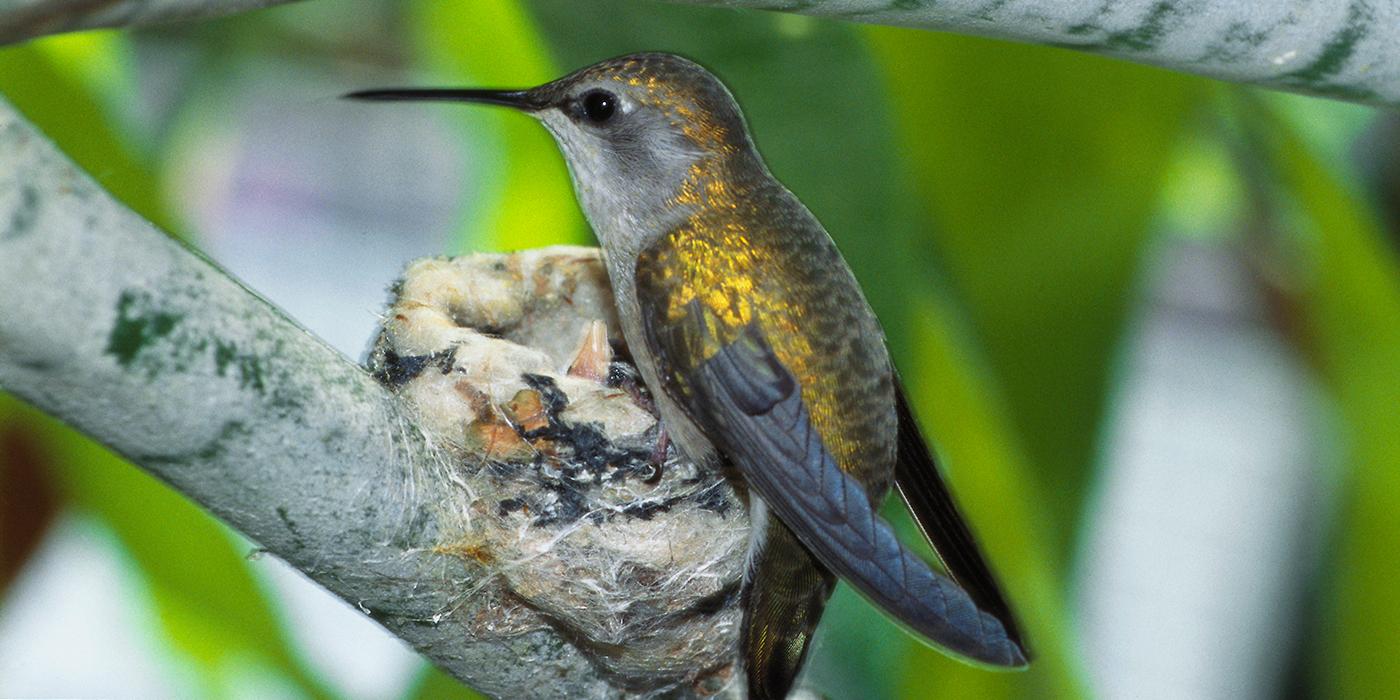
Credit: nationalzoo.si.edu
Hummingbird Basics
Hummingbirds are fascinating creatures known for their vibrant colors and tiny size. These birds are found mainly in the Americas, especially in tropical regions. Understanding their basics helps to appreciate their unique traits and behaviors.
Physical Traits
Hummingbirds are very small birds, often only 3 to 5 inches long. They have bright, shiny feathers that can look like gems in the sunlight. Their beaks are long and thin, perfect for reaching deep into flowers to drink nectar. Their tiny bodies are light, helping them move quickly and easily through the air.
Flight Abilities
Hummingbirds have amazing flight skills. They can hover in one place by flapping their wings very fast—up to 80 times per second. They can also fly backward and sideways, unlike most birds. These flying abilities help them reach nectar from flowers while staying in the air.

Credit: www.wildlifenomads.com
Hummingbird Habitats
Hummingbirds live in many different places. Their habitats depend on the type of hummingbird and the climate. Understanding where they live helps us learn about their behavior and needs. Hummingbirds are not only found in warm places but also in cooler ones.
Tropical Regions
Many hummingbirds thrive in tropical regions. These areas have warm temperatures and plenty of flowers. Tropical forests provide food and shelter for hummingbirds. They find nectar, insects, and safe spots to build nests. Countries in Central and South America have many tropical hummingbird species.
Tropical habitats offer:
- High flower diversity
- Stable warm climate
- Dense vegetation for protection
- Abundant insects for extra food
Non-tropical Areas
Some hummingbirds live outside the tropics. They adapt to cooler or drier environments. These birds may migrate to warmer places during cold seasons. Mountain regions and temperate zones also host hummingbirds. They find food in gardens, meadows, and forests.
Non-tropical habitats include:
- Mountain slopes with flowering plants
- Open fields with scattered trees
- Urban gardens with feeders
- Seasonal flower blooms
Diet And Feeding
Understanding what hummingbirds eat gives you a clearer picture of their role in tropical ecosystems. Their diet is unique and perfectly suited to their high-energy lifestyle. If you’ve ever watched a hummingbird dart from flower to flower, you’ve witnessed their feeding habits in action.
Nectar Sources
Hummingbirds primarily feed on nectar from flowers. This sugary liquid provides the quick energy they need to flap their wings at incredible speeds. You might see them visiting trumpet-shaped flowers, which are often rich in nectar and shaped just right for their long bills.
Some favorite nectar sources include:
- Hibiscus
- Salvia
- Fuchsia
- Columbine
Have you noticed how hummingbirds prefer bright red or orange flowers? These colors often signal a good nectar supply to them.
Insect Consumption
Nectar alone doesn’t provide all the nutrients hummingbirds need. They also eat small insects and spiders to get protein, essential vitamins, and minerals. This diet balance supports their muscle strength and overall health.
Common insects on their menu include:
- Aphids
- Fruit flies
- Gnats
- Small spiders
Next time you watch a hummingbird, see if you spot it catching tiny insects mid-air or plucking them from leaves. This behavior is crucial for their survival, especially during breeding season when they need extra energy.

Credit: www.wildlifenomads.com
Migration Patterns
Hummingbirds are small yet mighty travelers. These vibrant creatures migrate annually. Their journeys are fascinating. They travel long distances despite their tiny size. Understanding their migration patterns is crucial. It reveals the adaptability of these birds. Let’s delve into their seasonal movements and long-distance flights.
Seasonal Movements
Hummingbirds migrate with the changing seasons. In spring, they fly north. This move aligns with blooming flowers. These flowers provide nectar, their primary food source. In autumn, they head south. They seek warmer climates and abundant food supplies. This seasonal movement helps them survive harsh weather.
Long-distance Flights
Hummingbirds undertake remarkable long-distance flights. Some species travel over 3,000 miles. They cross vast landscapes and even open waters. The Ruby-throated Hummingbird is a prime example. It flies non-stop over the Gulf of Mexico. This flight can take up to 18 hours. Such endurance is impressive for a small bird.
These long journeys require preparation. Hummingbirds store fat as energy. They double their body weight before migration. This energy reserve fuels their strenuous flights. Their migration showcases their resilience and adaptation skills.
Adaptations To Climate
Hummingbirds showcase remarkable adaptations that allow them to thrive in various climates, especially tropical environments. Their ability to manage temperature and survive through different weather conditions is key to their success. Understanding these adaptations can help you appreciate how these tiny birds endure and flourish.
Temperature Tolerance
Hummingbirds handle temperature changes better than many other birds. Their small size means they can lose heat quickly, but they have special ways to keep warm.
- They enter a state called torpor, lowering their body temperature to conserve energy during cold nights.
- Their feathers provide excellent insulation, trapping heat close to their body.
- During hot days, they flap their wings rapidly to create airflow and cool down.
Have you noticed how hummingbirds sometimes seem to hover almost motionless? This precise control helps them avoid overheating or freezing, showing how finely tuned their temperature tolerance really is.
Survival Strategies
Survival in the tropical climate means more than just dealing with heat and cold. Hummingbirds use clever strategies to make sure they have enough energy and shelter.
- They feed frequently on nectar, which provides quick energy to fuel their high metabolism.
- Some species migrate short distances to escape extreme weather or find better food sources.
- Hummingbirds build well-hidden nests, often using soft materials like spider silk to protect their young from the elements.
Think about how you prepare for a busy day—hummingbirds do the same by planning their feeding and resting carefully. What changes in your environment have made you adjust your daily routine? They do it too, but with wings that beat up to 80 times per second!
Common Myths
Many people have strong ideas about hummingbirds, but not all of them are true. These small birds often get wrapped up in myths that can confuse your understanding of where they live and what they are like. Let’s clear up some of these common misunderstandings so you can appreciate hummingbirds better.
Tropical Exclusivity
It’s easy to think hummingbirds live only in tropical areas because they are often pictured in lush rainforests. However, hummingbirds actually thrive in a variety of climates, from tropical zones to mountainous regions and even temperate forests.
Some species can be found as far north as Alaska during summer. Have you ever wondered how they survive colder weather? Hummingbirds migrate to warmer places when it gets too cold, showing their adaptability beyond tropical limits.
Size Misconceptions
Many imagine hummingbirds as tiny creatures that barely catch the eye, but their size varies significantly across species. While most are small, some species can be surprisingly larger than the common tiny ones you might know.
For instance, the Giant Hummingbird can grow up to 8 inches long, which is quite big for a hummingbird. Does knowing this change how you picture these birds? Understanding their size diversity helps you see them as more than just tiny, fast flyers.
Frequently Asked Questions
Are Hummingbirds Considered Tropical Birds?
Yes, many hummingbird species are native to tropical regions. They thrive in warm climates with abundant flowers and insects for food.
Where Do Most Hummingbirds Live Geographically?
Most hummingbirds live in Central and South America, especially in tropical and subtropical forests and gardens.
Do Hummingbirds Migrate From Tropical Areas?
Yes, some hummingbirds migrate seasonally. They travel from temperate zones to tropical areas during colder months.
What Makes Hummingbirds Suited For Tropical Habitats?
Hummingbirds have adapted to warm, flower-rich environments. Their diet relies on nectar found mostly in tropical flowers.
Conclusion
Hummingbirds mostly live in tropical areas, but not all are tropical birds. They thrive where flowers and warm weather are common. Some species also live in cooler places during certain times. These tiny birds are special because of their fast wings and bright colors.
Knowing where they live helps us appreciate their unique nature. Hummingbirds show how diverse and adaptable birds can be. They bring life and color to many environments. Their presence reminds us of nature’s beauty everywhere.




