
If you love watching birds visit your yard, keeping your bird feeders clean is a must. Dirty feeders can spread germs and make birds sick, ruining your peaceful moments.
But cleaning them doesn’t have to be hard or full of harsh chemicals. You can use something simple and natural—vinegar. You’ll discover easy steps to clean your bird feeders safely with vinegar, so your feathered friends stay healthy and happy.
Ready to learn how? Keep reading!

Credit: green-backyard.com
Why Clean Bird Feeders
Keeping your bird feeders clean is more important than you might think. Dirt, mold, and leftover seeds build up quickly and can harm the birds you want to help. Regular cleaning not only protects your feathered visitors but also improves your bird-watching experience.
Prevent Disease Spread
Bird feeders can become a hotspot for germs if not cleaned regularly. Diseases like salmonella and avian pox spread easily through contaminated feeders. By cleaning with vinegar, you remove harmful bacteria and mold without using harsh chemicals that could hurt the birds.
Have you ever noticed sick birds around your feeder? That’s a sign it’s time for a thorough cleaning.
Attract Healthy Birds
Birds prefer feeders that look and smell fresh. Dirty feeders with moldy seeds or droppings turn them away. A clean feeder signals a safe and reliable food source, encouraging a variety of healthy birds to visit your yard.
Think about the last time you avoided a messy restaurant — birds feel the same way about feeders.
Extend Feeder Lifespan
Cleaning your feeder regularly with vinegar helps prevent rust, mildew, and other damage. This simple step saves you money by reducing the need for replacements. It also keeps your feeder looking good for longer, maintaining your outdoor space’s appeal.
Taking care of your feeder is like maintaining your car—you protect your investment by paying attention to small details.
Benefits Of Using Vinegar
Using vinegar to clean bird feeders offers many advantages. It is a natural and safe choice for maintaining your feeders. Vinegar helps keep birds healthy and protects the environment. It also saves money and is easy to find. These benefits make vinegar a smart option for bird lovers.
Natural Disinfectant
Vinegar kills many harmful germs and bacteria. It cleans without harsh chemicals that can harm birds. The acetic acid in vinegar breaks down dirt and mold effectively. This natural disinfectant keeps feeders safe for birds to use.
Safe For Birds And Environment
Vinegar is non-toxic and gentle on birds. It does not leave dangerous residues that harm wildlife. Using vinegar protects the environment by avoiding chemical pollution. It is safe to rinse away, keeping nature clean and healthy.
Cost-effective Solution
Vinegar is inexpensive and widely available. A small amount goes a long way in cleaning feeders. It costs less than commercial cleaning products. This budget-friendly option helps you care for birds without extra spending.
Supplies Needed
Cleaning bird feeders with vinegar is simple and effective. Before starting, gather all necessary supplies. Having the right items makes the process smooth and safe. It also ensures the feeder is cleaned well, keeping birds healthy and happy.
Types Of Vinegar
- White distilled vinegar: Best for cleaning due to its strong acidity.
- Apple cider vinegar: Milder scent but less effective for deep cleaning.
- Cleaning vinegar: Higher acidity, designed specifically for tough dirt.
Additional Cleaning Tools
- Soft brush or old toothbrush: To scrub tight spots and corners.
- Spray bottle: Helps apply vinegar solution evenly.
- Bucket or basin: For soaking feeder parts in vinegar solution.
- Clean cloth or sponge: For wiping and drying after cleaning.
- Warm water: To rinse off vinegar and loosen dirt.
Safety Gear
- Rubber gloves: Protect hands from vinegar’s acidity.
- Eye protection: Guards against splashes during cleaning.
- Old clothes or apron: Keeps clothing safe from stains.
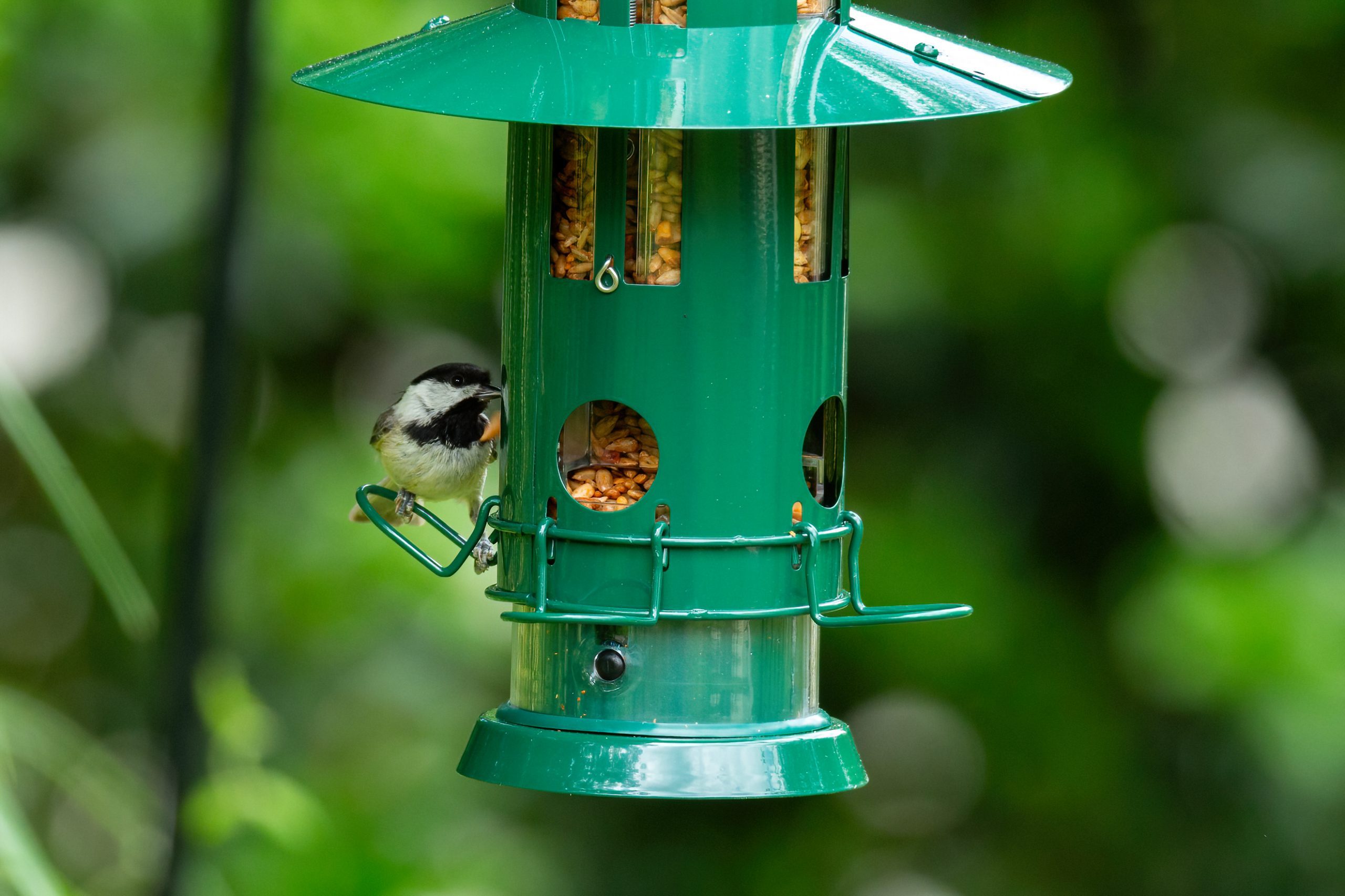
Credit: www.kingsyard.com
Step-by-step Cleaning Process
Cleaning your bird feeder with vinegar is simple and effective. It helps remove mold, bacteria, and leftover food that can harm your feathered visitors. Let’s break down the process into easy actions that you can follow without hassle.
Disassemble Feeder
Start by taking your bird feeder apart completely. Remove all removable parts like trays, perches, and lids. This makes sure every nook and cranny gets cleaned properly, not just the outside.
Have you noticed how some feeders have hidden spots where dirt hides? Disassembling helps you reach those spots easily.
Soak In Vinegar Solution
Prepare a solution of one part white vinegar and four parts warm water in a basin or bucket. Submerge all feeder parts in the solution and let them soak for about 20 to 30 minutes. Vinegar naturally kills germs and loosens grime without harsh chemicals.
Soaking gives the vinegar time to break down stubborn buildup. This step is key to a deep clean that protects your birds’ health.
Scrub Thoroughly
After soaking, grab a soft brush or sponge to scrub each piece carefully. Focus on corners, crevices, and feeding ports where dirt gathers. If you see mold or sticky residue, apply a little extra elbow grease.
Does your brush reach all the tight spaces? If not, a toothbrush can work wonders here.
Rinse And Dry
Rinse every part thoroughly under running water to remove all vinegar smell and loosened debris. Make sure no residue remains because it can affect the taste of the birdseed. Finally, let the feeder air dry completely before putting it back together and refilling.
Drying fully prevents mold from growing again. How often do you clean your feeder? Frequent cleaning keeps your birds safe and coming back for more.
How Often To Clean Feeders
Cleaning your bird feeders regularly is essential to keep the birds healthy and to prevent the spread of diseases. But how often should you clean them? The answer varies based on different factors like the season, how often you fill your feeder, and visible signs of dirt or mold. Understanding these can help you maintain a safe feeding spot for your feathered visitors.
Seasonal Considerations
During colder months, birds tend to rely more on feeders, so the seed stays longer and moisture can build up. This means you should clean your feeders at least once every two weeks in winter to prevent mold and bacteria growth.
In warmer seasons, moisture and heat speed up seed spoilage. Cleaning weekly or even twice a week can keep your feeders safe and attractive to birds.
Feeder Usage Frequency
If your feeder empties quickly—say every day or two—you might be tempted to clean less often. However, even if you fill it frequently, residue and droppings can accumulate fast.
Feeders used daily should be cleaned weekly. Less-used feeders might get away with cleaning every two to three weeks, but don’t wait too long.
Signs Feeders Need Cleaning
- Mold or clumpsin the seed or on feeder surfaces.
- Wet or soggy seedthat sticks together.
- Birds avoidingthe feeder or showing unusual behavior.
- Visible dirt, droppings, or debrison the feeder parts.
Have you ever noticed birds skipping your feeder? It might be a signal that it’s time to give it a thorough vinegar wash. Paying attention to these signs helps you act before problems grow.
Tips For Maintaining Clean Feeders
Vinegar is a natural cleaner that removes dirt and kills germs on bird feeders. Soak parts in a vinegar solution, scrub gently, and rinse with water. Regular cleaning keeps birds healthy and feeders fresh.
Keeping bird feeders clean is essential for bird health. Dirty feeders can spread diseases among birds. Cleaning them with vinegar is a natural and safe method. To maintain clean feeders, follow these simple tips.Regular Inspection
Regularly check your bird feeders. Look for signs of mold or spoiled seed. Examine for any cracks or damage. A quick inspection can prevent bigger problems. Make it a habit to inspect weekly.Proper Placement
Place feeders in a safe, dry area. Keep them away from direct rain. Choose a spot with good air circulation. This helps keep the birdseed dry and fresh. Avoid placing feeders near bushes where predators can hide.Using Quality Birdseed
Opt for high-quality birdseed. Cheap seed often contains fillers. Fillers spoil faster and attract pests. Fresh, quality seed reduces waste and keeps birds healthy. Store birdseed in a cool, dry place to maintain freshness.Common Mistakes To Avoid
Avoid using too much vinegar, as it can leave a strong smell that birds dislike. Rinse feeders well to remove all residue before refilling. Neglecting regular cleaning can lead to mold and harm birds.
Cleaning bird feeders with vinegar is an eco-friendly and effective way to ensure your feathered visitors remain healthy. However, there are common mistakes people often make that can hinder the cleaning process or even harm the birds. By avoiding these pitfalls, you can keep your bird feeders both clean and safe.Using Harsh Chemicals
Many people think using strong chemicals will do a better job at cleaning. But harsh chemicals can leave residues that are harmful to birds. Vinegar is a natural alternative that effectively cleans without posing risks. Ensure the safety of your backyard birds by sticking to vinegar instead of chemical cleaners.Skipping Drying Step
After cleaning, it’s easy to forget or rush the drying process. Wet feeders can lead to mold growth, which is harmful to birds. Always make sure your feeders are completely dry before refilling them. Consider leaving them in the sun for a while; this speeds up the drying and adds an extra layer of sanitation.Ignoring Mold And Debris
Simply rinsing your feeders isn’t enough. Mold and debris can hide in crevices, posing a threat to bird health. Regularly check for and remove any mold or stuck seeds. Even a small amount can be harmful, so be thorough in your inspection. Would you eat from a moldy plate? Neither should your birds! Taking the time to avoid these common mistakes can make a significant difference. Not only will you ensure a healthier environment for the birds, but you’ll also enjoy watching them flock to your clean and inviting feeders.
Credit: valleyfarms.shop
Frequently Asked Questions
How Often Should I Clean Bird Feeders With Vinegar?
Clean bird feeders every two weeks using vinegar to prevent mold and bacteria buildup. Regular cleaning keeps birds healthy and feeders attractive.
Can Vinegar Harm Birds If Not Rinsed Properly?
Yes, vinegar residue can irritate birds. Always rinse feeders thoroughly with water after cleaning to remove all vinegar traces.
Is Vinegar Safe For All Types Of Bird Feeders?
Vinegar is safe for plastic, metal, and glass feeders. Avoid using vinegar on wooden feeders as it may damage the wood.
What Vinegar Concentration Is Best For Cleaning Feeders?
Use a solution of one part white vinegar to four parts water. This ratio effectively cleans without harming the feeder.
Conclusion
Cleaning bird feeders with vinegar keeps birds safe and healthy. Vinegar works well to remove dirt and mold. It is easy to find and gentle on feeders. Clean feeders help prevent bird diseases and attract more birds. Regular cleaning means happier, cleaner feeding spots.
Try vinegar next time you clean your feeder. Simple steps make a big difference for your feathered friends. Stay consistent and enjoy watching birds visit safely.




