
Are you tired of raccoons raiding your bird feeders every night? It’s frustrating to see your hard-earned birdseed disappear while your feathered friends go hungry.
You want to enjoy watching birds without unwanted visitors causing chaos. Luckily, there are simple and effective ways you can keep raccoons away from your feeders. You’ll discover easy tips that protect your birdseed and bring peace back to your backyard.
Keep reading to find out how to enjoy your birdwatching without raccoon interruptions!
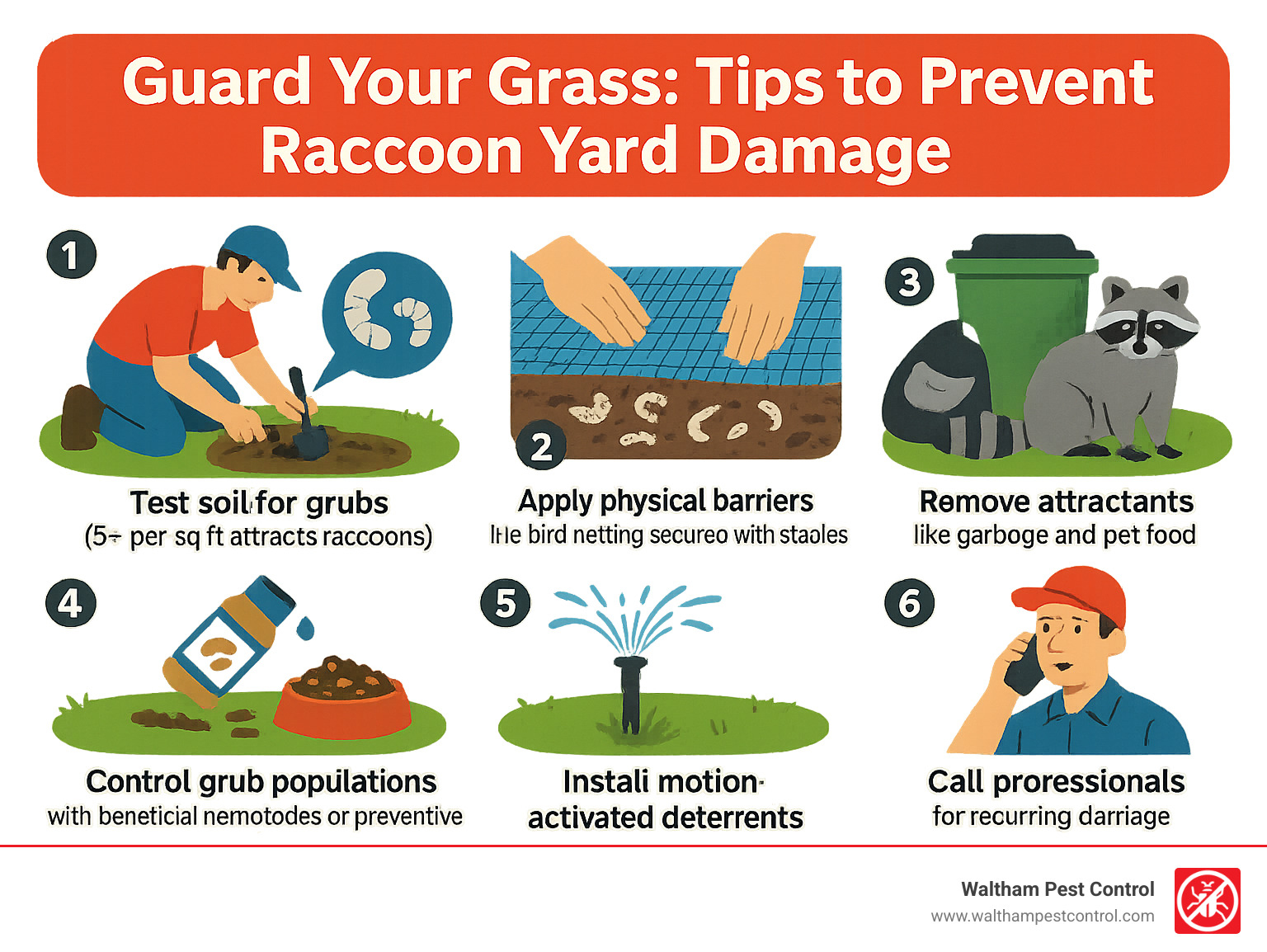
Credit: walthampestcontrol.com
Why Raccoons Visit Bird Feeders
Understanding why raccoons visit your bird feeders is key to keeping them away. These clever creatures are attracted to more than just the seeds you offer. Knowing their behavior and diet helps you take smarter steps to protect your feeders and enjoy birdwatching without uninvited guests.
Raccoon Behavior And Diet
Raccoons are nocturnal animals, mostly active at night, which means they often visit bird feeders after dark. They have nimble paws that allow them to open containers, making bird feeders an easy food source. Their diet is highly varied, including fruits, nuts, insects, and small animals.
Because raccoons are opportunistic feeders, they will eat almost anything they find. Birdseed is an easy meal, especially when natural food sources are scarce. Have you noticed raccoons visiting your yard more during certain seasons? This often happens when their usual food is less available.
Attraction To Bird Feeders
Bird feeders provide a reliable and concentrated source of food, which is very attractive to raccoons. Spilled seeds on the ground create a buffet that’s hard for them to resist. Even the scent of the birdseed can draw raccoons from quite a distance.
Raccoons also look for water, and if your birdbath or feeder area has standing water, it increases their visits. You might think placing feeders high up would stop them, but raccoons are excellent climbers and jumpers. Have you tried to secure your feeders only to find them raided again? Understanding what draws raccoons helps you find better deterrents.
Choosing Raccoon-proof Feeders
Choosing raccoon-proof feeders helps protect bird food from unwanted visitors. These feeders reduce waste and keep your garden clean. They make feeding birds easier and more enjoyable. The right feeder stops raccoons without disturbing the birds.
Types Of Raccoon-resistant Feeders
Some feeders have special features to block raccoons. Tube feeders with small feeding ports limit access to seeds. Hopper feeders with weight-activated perches close when heavy animals land. Caged feeders surround food with metal bars, allowing only small birds inside.
- Tube feeders with narrow openings
- Weight-sensitive hopper feeders
- Caged feeders with strong wire mesh
- Squirrel-proof feeders that also deter raccoons
Materials And Design Features
Feeders made from strong materials resist raccoon damage. Heavy-duty metal and thick plastic work best. Smooth surfaces make it hard for raccoons to climb. Some feeders have baffles—rounded shields—that block raccoons from climbing poles.
- Metal or thick, durable plastic construction
- Rounded baffles on poles or hanging wires
- Secure lids that raccoons cannot open
- Feeders placed at least 5 feet above ground
Placement Strategies
Placement strategies play a key role in keeping raccoons away from bird feeders. Choosing the right spot can reduce raccoon visits. Proper placement makes it hard for raccoons to reach food. It also encourages birds to visit safely.
Ideal Locations To Minimize Raccoon Access
Place feeders far from trees and fences. Raccoons use these to climb and reach feeders. Open areas without nearby structures are best. Avoid placing feeders near sheds or decks. These give raccoons easy access points. Spot feeders where birds feel safe but raccoons struggle to reach.
Height And Distance Considerations
Mount feeders at least 5 feet high. Raccoons can jump up to 4 feet easily. Keep feeders 10 feet away from jumping spots. This includes trees, roofs, and fences. Use poles with smooth surfaces to prevent climbing. Make sure no branches are close enough to jump from. This spacing keeps feeders out of raccoon reach.
Physical Barriers And Deterrents
Physical barriers and deterrents provide a direct and effective way to stop raccoons from raiding your bird feeders. These solutions create obstacles that raccoons find difficult or impossible to overcome. You’ll find that a few smart adjustments to your feeder setup can make a big difference in protecting the food and keeping the raccoons at bay.
Using Baffles And Guards
Baffles are dome- or cone-shaped barriers that you can place above or below your bird feeder. They prevent raccoons from climbing down or up to reach the food. Installing a baffle on the pole or hanging wire of your feeder makes it slippery or blocks their path.
Choose a metal or heavy-duty plastic baffle for durability. Some baffles come with adjustable sizes, which helps you fit different feeders or poles. You can also use guards around the base of the feeder to stop raccoons from grabbing seeds directly.
Have you noticed how raccoons can squeeze through tight spots? A well-fitted guard keeps them from using their clever paws to get around your feeder.
Fencing And Enclosures
Building a small fence or enclosure around your bird feeder can stop raccoons from getting close. Use wire mesh or chicken wire with small holes to prevent raccoons from squeezing through. Make sure the fence is tall enough—at least 4 feet—to discourage climbing.
Some people create entire feeding stations inside a screened enclosure. This keeps birds safe and raccoons out, but it requires regular maintenance. Check for holes or weak spots often, since raccoons are persistent and can exploit any gap.
Think about placing the feeder inside a cage with a door that only you can open. This way, you control when the food is accessible, reducing unwanted visitors. What other creative enclosures could you design to protect your feeder?
Repellents And Scare Tactics
Keeping raccoons away from bird feeders can be tricky. Using repellents and scare tactics helps protect your bird food and keeps raccoons at a distance. These methods work by making the area less inviting or by startling raccoons to discourage visits.
Natural And Chemical Repellents
Natural repellents use smells or tastes that raccoons dislike. Common options include:
- Sprinkling cayenne pepper or chili powder around feeders
- Using garlic or ammonia-soaked cotton balls nearby
- Placing predator urine, like coyote or fox, around feeding areas
Chemical repellents can also help. These products often contain ingredients that irritate raccoon senses without harming them. Always follow instructions and avoid harming birds or pets.
Motion-activated Devices
Motion-activated devices surprise raccoons and scare them away quickly. Popular types include:
- Motion-activated sprinklers that spray water when triggered
- Ultrasonic devices emitting high-pitched sounds
- Flashing lights activated by movement
These devices work best when combined with other methods. Raccoons avoid places where they feel unsafe or uncomfortable. Changing device locations keeps raccoons guessing and prevents them from getting used to the scare tactics.

Credit: www.amazon.ca
Feeding Schedule Adjustments
Adjust feeding times to daylight hours when raccoons are less active. Remove leftover seeds at night to reduce attraction. This simple change helps keep raccoons away from bird feeders.
Adjusting your bird feeder’s schedule might sound simple, but it’s a powerful method to keep pesky raccoons at bay. These nocturnal critters are less likely to raid your bird feeders if the food isn’t available when they’re most active. By tweaking the feeding times, you can enjoy birds without the worry of raccoon visitors.Timing To Discourage Raccoons
Raccoons are night owls, typically active when the sun goes down. So, feeding birds in the early morning and removing the feeders before dusk can make a big difference. This way, the raccoons don’t find anything to munch on during their nighttime wanderings. If you’re worried about missing the evening bird activity, try feeding your feathered friends just after dawn and again in the late afternoon. Birds adapt quickly, and soon you’ll have a routine that works for you and deters unwanted guests. Have you ever noticed how quickly they learn when mealtime is?Cleaning Up Spilled Seed
Spilled seeds are like a welcome mat for raccoons. After feeding time, take a moment to clean up any leftovers around the feeder area. This simple act can stop raccoons from sniffing out your yard. Using a small brush or even just your hands, gather the scattered seeds and dispose of them. Consider placing a tray under the feeder to catch spills, making cleanup even easier. Have you ever tried this? It can be quite satisfying to see how it keeps your yard tidy and raccoon-free. Remember, consistency is key. Small changes in your routine can make a huge impact. Are you ready to tweak your feeding schedule and watch the results?Alternative Feeding Options
Raccoons are smart and persistent creatures. They often find ways to raid bird feeders. Offering alternative feeding options can divert their attention. This approach helps keep your bird feeders safe. Consider these strategies for success.
Separate Feeding Stations For Raccoons
Set up a dedicated feeding station for raccoons. Place it away from bird feeders. This can help distract them. Provide foods they love, like fruits and nuts. It satisfies their hunger and keeps them busy. Ensure the station is easy for raccoons to access. This keeps them away from the bird feeders.
Attracting Other Wildlife Safely
Invite other wildlife without attracting raccoons. Use feeders designed for specific animals. Choose squirrel-proof or raccoon-proof designs. These keep unwanted guests at bay. Hang feeders high and use baffles. This prevents raccoons from climbing. Select seeds that raccoons dislike. Spicy suet or safflower seeds can deter them. Attract birds while keeping raccoons away.
Credit: www.callnorthwest.com
Maintaining A Raccoon-free Yard
Keeping raccoons away from your yard starts with making the area less attractive to them. Raccoons search for easy meals. Removing other food sources helps prevent visits. A tidy yard discourages these clever animals from sticking around.
Eliminating Other Food Sources
Raccoons are drawn to pet food, fallen fruit, and bird seed spills. Clean up any spilled seeds under feeders every day. Store pet food indoors or in sealed containers. Pick up fallen fruit from trees promptly. Remove any standing water where raccoons might drink.
- Use lids on outdoor pet dishes.
- Harvest fruit as soon as it ripens.
- Clear garden debris regularly.
Securing Trash And Compost
Trash and compost bins attract raccoons with strong smells. Use trash cans with tight-fitting, locking lids. Secure compost bins with sturdy covers or wire mesh. Avoid composting meat or dairy products to reduce odors. Keep bins in a shed or garage if possible.
- Use bungee cords to secure lids.
- Place bins on concrete or metal stands.
- Clean bins regularly to remove smells.
Frequently Asked Questions
How Can I Stop Raccoons From Reaching My Bird Feeders?
Use raccoon-proof feeders with weight-sensitive perches. Hang feeders on poles with baffles to prevent climbing. Remove spilled seeds to avoid attracting raccoons.
What Natural Repellents Keep Raccoons Away Effectively?
Peppermint oil and ammonia-soaked rags repel raccoons. Place these near feeders but away from birds. The strong smell discourages raccoon visits without harming wildlife.
When Are Raccoons Most Active Around Bird Feeders?
Raccoons are mostly active at night, especially after dusk. Secure feeders before evening to reduce raccoon access. Regularly check feeders for signs of nighttime visits.
Can Motion-activated Lights Deter Raccoons At Feeders?
Yes, motion-activated lights startle raccoons and prevent feeder raids. Install lights near feeders to create an uncomfortable environment. This simple method reduces raccoon disturbances effectively.
Conclusion
Keeping raccoons away from bird feeders takes patience and simple steps. Secure your feeders with raccoon-proof designs. Clean up spilled seeds to avoid attracting them. Use baffles or place feeders where raccoons cannot reach. Consistency matters—keep your yard tidy and feeders maintained.
Enjoy watching birds without unwanted visitors. Small efforts bring big results. Protect your feeders and enjoy peaceful birdwatching.




