
Have you ever heard the phrase “birds of a feather” and wondered what it really means? This simple expression pops up in conversations more often than you might think.
But why do people use it, and what message are they trying to send? Understanding this saying can help you connect better with others and even see relationships in a new light. Keep reading, because by the end of this article, you’ll not only know the meaning behind “birds of a feather” but also how it can relate to your own life and the people around you.
Origin Of The Expression
The expression “Birds of a feather” is more than just a catchy phrase you might hear in everyday conversations. Understanding where it comes from helps you appreciate why it resonates so well when describing people who share similar traits or interests. Let’s uncover the story behind this familiar saying and see how it took flight in language.
Historical Background
The phrase “Birds of a feather flock together” dates back to at least the 16th century. It appeared in William Turner’s work in 1545, highlighting the idea that similar creatures tend to group. This observation wasn’t just about birds—it was a way to describe human behavior too.
Over time, the saying was adopted into English proverbs, often used to explain social bonds. It became a simple yet powerful way to describe why people with common interests or personalities naturally gather. Have you ever noticed how your friends often share your hobbies or values? This phrase captures that instinct perfectly.
Cultural Roots
The concept behind “birds of a feather” isn’t unique to English. Many cultures have similar sayings reflecting the natural tendency to stick with like-minded individuals. For example:
- In Latin, the phrase “Similes similes congregantur” means “like attracts like.”
- Chinese proverbs also express the idea that similar people tend to associate with each other.
- Even Native American cultures observe this trait, using animal behavior to explain human social patterns.
These examples show a universal truth recognized across societies. When you think about your own circles, do you find that this idea fits your experience? Understanding these roots can help you see why the expression feels so relatable and timeless.
Literal Meaning
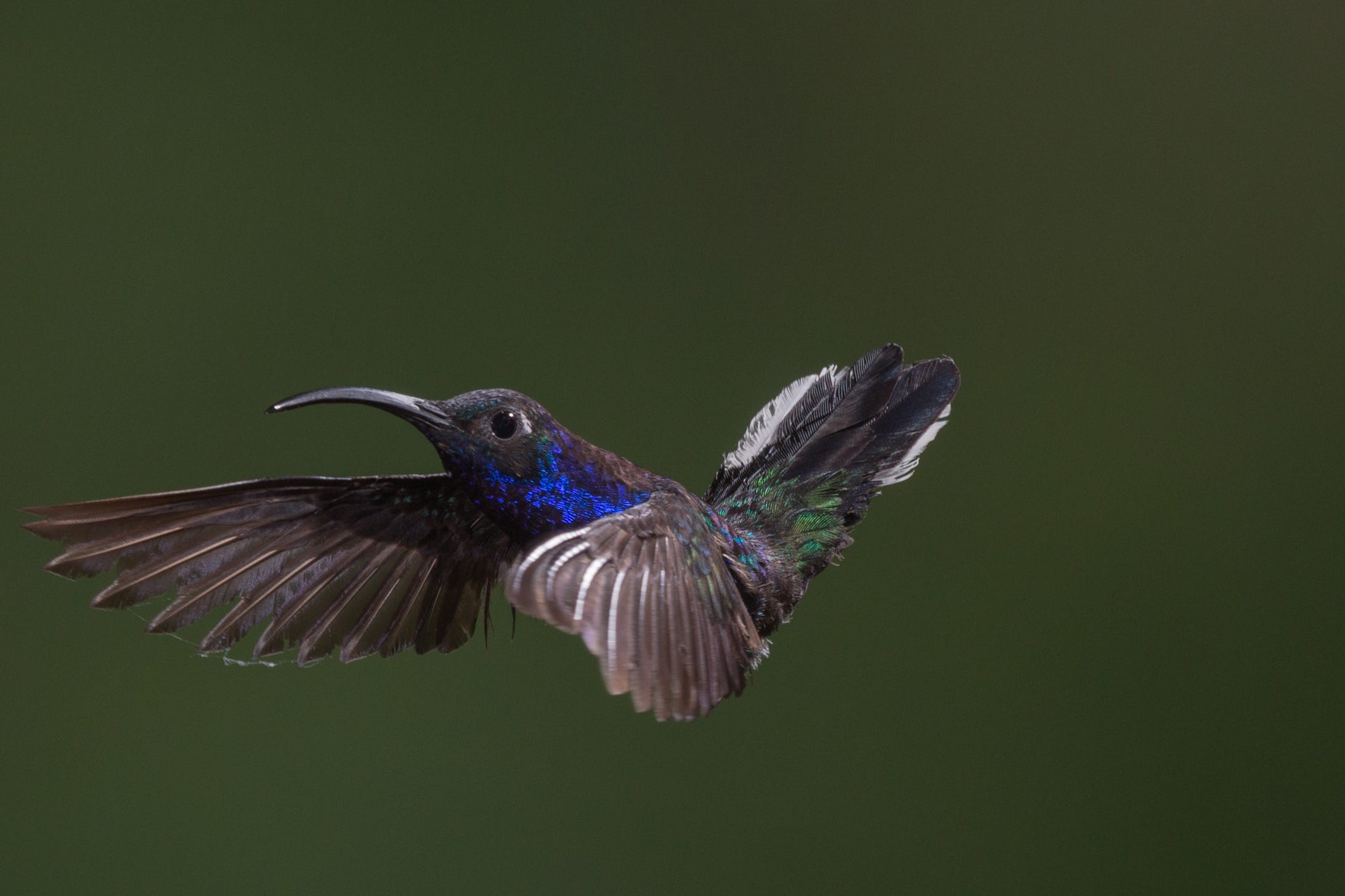
The expression “birds of a feather” draws from a simple, literal observation in nature. It suggests that birds with similar feathers tend to flock together. This behavior hints at a deeper meaning about how similarity creates connection.
Bird Behavior
Birds often group with others that share their appearance and habits. You might notice sparrows sticking close to other sparrows rather than joining a group of pigeons. This natural tendency helps them find mates, protect themselves, and navigate their environment.
Think about your own social circles. Do you find yourself naturally drawn to people who share your interests or style? Bird behavior shows us that grouping with similar others is a survival strategy, not just a preference.
Feather Symbolism
Feathers carry rich symbolism across cultures. They represent freedom, identity, and even belonging. When birds of the same feather gather, it’s like a visual symbol of shared identity and purpose.
Have you ever noticed how a group’s style or look can signal their values or background? Feathers in the phrase underline that outward similarities often reflect deeper connections. This literal image invites you to consider how visible traits influence your own social choices.
Figurative Meaning
The expression “birds of a feather” goes beyond its literal meaning about similar birds. Figuratively, it highlights the idea that people with shared traits or interests tend to stick together. This phrase captures how likeness draws individuals into close connections. It reflects human nature to bond with those who resemble them in values, habits, or tastes.
Friendship And Similarity
This phrase often describes friendships formed through common traits. People who enjoy the same hobbies or think alike naturally find each other. Similar attitudes and personalities create strong, lasting friendships. It suggests that shared qualities build trust and understanding between friends. This similarity makes social interactions smoother and more comfortable.
Social Groups And Communities
The saying also applies to social groups and communities. People tend to join groups where they feel a sense of belonging. These communities share common goals, beliefs, or interests. The phrase explains why people cluster in familiar environments. It shows how similarity helps form bonds within larger social settings.

Credit: www.reddit.com
Usage In Everyday Language
The expression birds of a featheris a popular phrase you’ll hear in many daily conversations. It highlights how people with similar interests, habits, or backgrounds tend to stick together. Understanding how to use it naturally can add color to your speech and help you connect with others more easily.
Common Contexts
You’ll often hear this phrase in social settings when people talk about friendships or groups. It’s common in workplaces, schools, and even family gatherings to describe why certain people seem to get along well. Sometimes, it also appears in casual remarks about shared hobbies or attitudes.
Think about your own circle of friends. Have you noticed that you and your closest friends share similar tastes or values? This phrase perfectly sums up that idea.
Examples In Conversation
- At work:“You and Sarah both love hiking—birds of a feather, I guess!”
- Among friends:“Those two are always together; birds of a feather really do flock together.”
- In family:“My brother and I enjoy the same music. Birds of a feather, right?”
Next time you notice people bonding over shared interests, try using this phrase. It’s a simple way to acknowledge their connection and even spark a deeper conversation about what brings people together.
Variations Across Cultures
The expression “birds of a feather” speaks about people with similar traits or interests. This idea is not unique to English. Different cultures have their own ways to show this meaning. These variations reflect local traditions and languages. Understanding them helps us see how people connect worldwide.
Equivalent Expressions
Many languages use nature or animals to express similarity. Here are a few examples:
- Spanish:“Dios los cría y ellos se juntan” (God creates them and they come together)
- French:“Qui se ressemble s’assemble” (Those who resemble each other gather)
- Chinese:“物以类聚,人以群分” (Things of the same kind come together, people form groups)
- Russian:“Рыбак рыбака видит издалека” (A fisherman sees another fisherman from afar)
Cultural Differences
Some cultures use animals that are common or symbolic locally. For example, in Japan, the phrase “similar waves gather” shows likeness. In Arabic, “like attracts like” often uses desert imagery. These phrases reflect local nature and lifestyle.
In some places, the saying may focus more on shared habits or beliefs than physical traits. This shows how culture shapes language. The idea of people grouping by similarity is universal, but its expression varies widely.
Credit: medium.com
Psychological Insights
The expression “Birds of a Feather” often refers to the natural tendency of people to associate and bond with those who share similar characteristics, interests, or beliefs. But why do we gravitate towards those who are like us? Psychological insights shed light on this behavior, revealing how it influences our interactions and relationships. Understanding these dynamics can enhance our social connections and personal growth.
Why People Gravitate To Similar Others
Humans have an innate desire to belong. Being around people who share your values and interests provides a sense of comfort and security. It’s like finding a group where you can truly be yourself without fear of judgment.
This tendency is deeply rooted in our need for social validation. When others mirror our beliefs or behaviors, it reinforces our self-esteem and confidence. It’s easier to trust and empathize with someone who shares your worldview.
Think about your own circle of friends. Are they similar to you in certain ways? This isn’t just coincidence—it’s a reflection of this psychological pull. How does this influence who you choose to spend time with?
Impact On Relationships
While bonding over similarities can strengthen relationships, it can also create echo chambers. When everyone around you thinks the same way, it might limit your perspective and growth. Are you open to engaging with diverse viewpoints?
However, shared interests can enhance communication and understanding. When you and your partner enjoy similar activities or have common goals, it can lead to more meaningful interactions. This shared foundation often results in stronger, more resilient relationships.
But it’s important to strike a balance. Embracing differences within your relationships can lead to personal growth and a broader understanding of the world. Are you willing to step out of your comfort zone to experience this growth?
Modern Interpretations
The expression “Birds of a Feather” suggests people with similar traits. In today’s world, this saying takes new forms. It reflects how people connect based on shared interests.
In Media And Literature
Modern media uses this phrase to show strong bonds. Stories often feature characters with shared goals. They stick together through challenges. This unity captivates audiences. It highlights the power of teamwork.
Books often explore friendships. Characters support each other. Readers relate to these connections. They find comfort in familiar themes. The phrase becomes more than words. It represents companionship and loyalty.
Social Media Influence
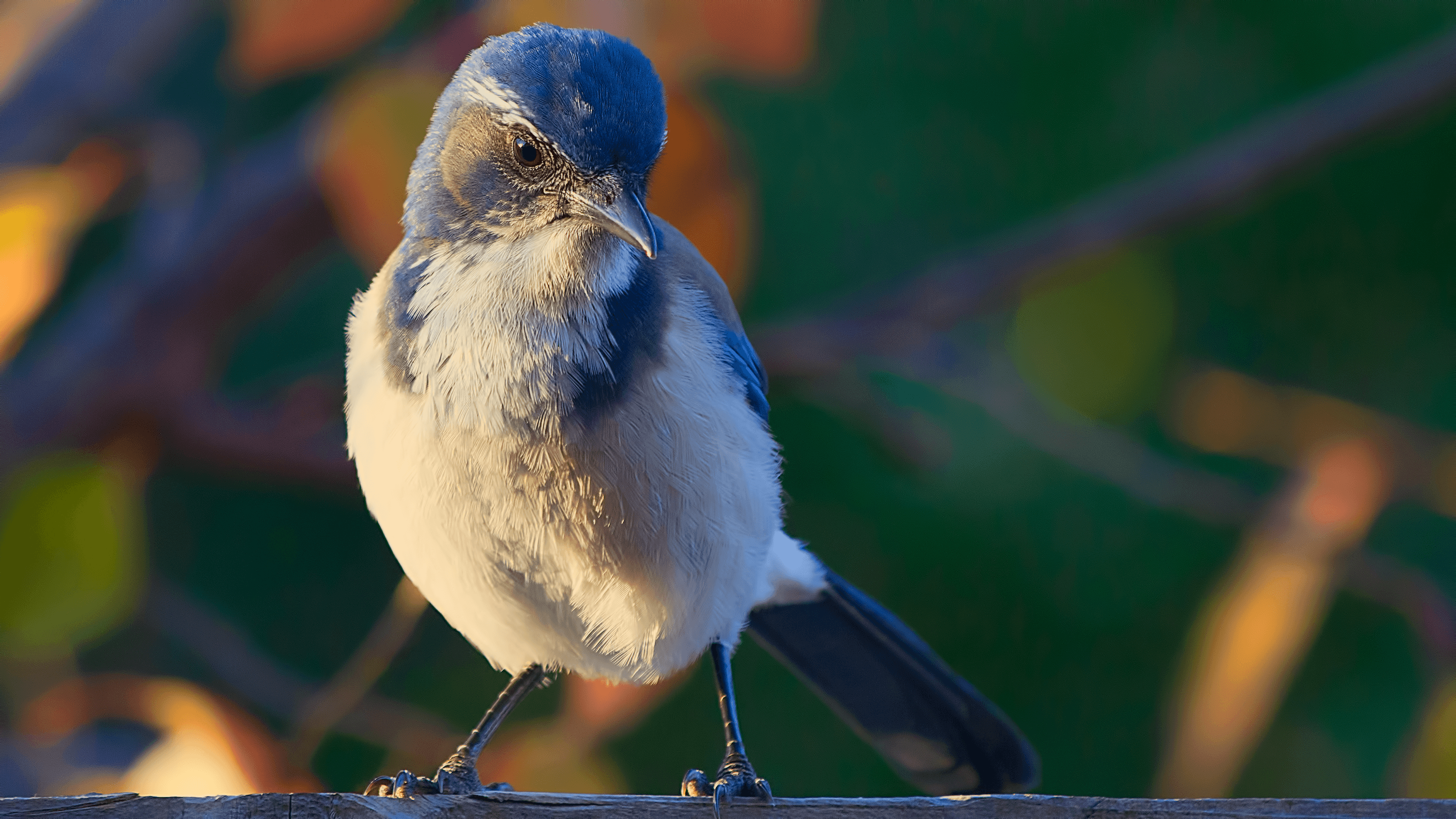
Social media brings new meaning to “Birds of a Feather.” Platforms connect like-minded people. Users form groups based on interests. They share content and ideas. This creates online communities. A sense of belonging emerges.
Influencers often gather followers with similar views. They create spaces for discussion. This strengthens the saying’s modern interpretation. People feel connected despite distances. Technology bridges gaps, uniting diverse flocks.
Credit: medium.com
Frequently Asked Questions
What Does “birds Of A Feather” Mean?
“Birds of a feather” means people with similar interests or characteristics tend to group together. It highlights how like-minded individuals naturally connect and form friendships or communities.
Where Did The Phrase “birds Of A Feather” Originate?
The phrase originated from a 16th-century English proverb. It uses the imagery of birds of the same species flocking together to symbolize human social behavior.
How Is “birds Of A Feather” Used In Conversation?
It is used to describe people who share common traits or interests. For example, “They became friends quickly because birds of a feather flock together. “
Can “birds Of A Feather” Have Negative Meanings?
Yes, it can imply that people with similar negative traits also stick together. However, it is mostly used neutrally or positively.
Conclusion
The expression “birds of a feather” shows how people with similar traits stick together. It helps explain why friends often share interests or habits. This phrase comes from nature, where birds flock with their own kind. Using it in daily talk makes ideas clear and relatable.
Understanding such sayings can improve your English skills. Remember, language is full of colorful phrases like this one. They make conversations more fun and meaningful. Keep exploring idioms to sound more natural and confident when speaking.




