
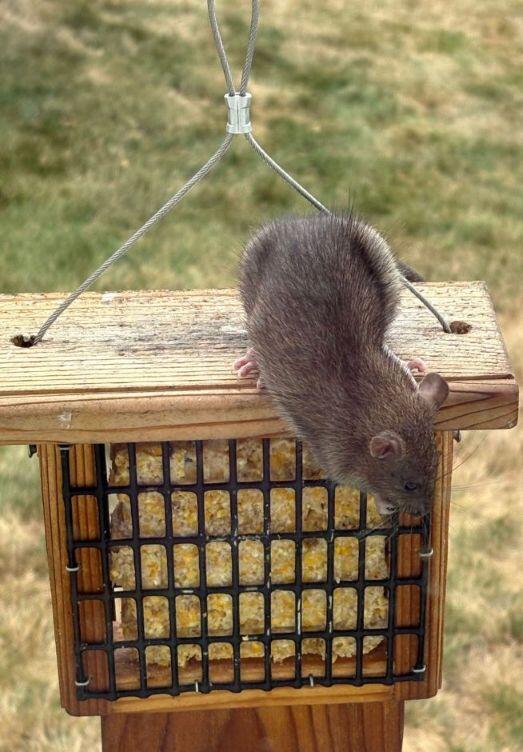
Have you ever noticed tiny footprints around your bird feeder and wondered, “Do rats eat from bird feeders?” If you’re feeding your feathered friends, you might unintentionally be inviting unwanted visitors. Rats are clever and persistent, and once they discover an easy food source, they won’t hesitate to come back.
Understanding why rats are attracted to bird feeders and how to keep them away can save you time, money, and a lot of frustration. Keep reading to find out what you need to know to protect your garden and enjoy watching birds without unwanted guests stealing the show.
Rats And Bird Feeders
Rats often visit bird feeders in search of food. These feeders provide an easy meal for them. Their small size and quick movement help them reach the food unnoticed. People enjoy feeding birds but may not want rats nearby. Understanding why rats come to feeders helps in keeping them away.
Why Rats Are Attracted To Feeders
Bird feeders offer a steady food source. Rats are always looking for easy meals. Feeders often have spilled seeds on the ground. Rats find these leftovers very tempting. The food is high in calories, which rats need. Feeders also provide shelter and hiding spots. This makes the area more attractive to rats. Rats feel safe near feeders, so they return often.
Common Bird Feeder Foods That Attract Rats
- Sunflower seeds – easy to eat and high in fat
- Peanuts – a favorite snack for many rodents
- Millet – small grains that scatter easily
- Cracked corn – messy and falls on the ground
- Safflower seeds – less popular with birds but eaten by rats
Spilled seeds create a constant food supply for rats. Choosing certain seeds can reduce rat visits. Keeping feeders clean helps limit food for rats. Proper feeder placement also lowers rat attraction.
Signs Of Rats At Feeders
Bird feeders often attract more than just birds. Rats find these feeders a great food source. Spotting signs of rats early can protect your garden and home. Recognizing these clues helps stop rats before they cause serious problems.
Visual Indicators Around Feeders
- Small footprints in dirt or snow near feeders
- Droppings shaped like black rice grains under or around feeders
- Scattered seed hulls and spilled food on the ground
- Grease marks or smudge trails along feeder poles or nearby surfaces
- Chewed holes or bite marks on feeder parts or seed bags
- Nests made of shredded material close to feeder areas
Damage Caused By Rats
Rats chew on feeder components, leaving visible damage. Metal or plastic parts may have bite marks. Wooden supports can show gnawing and splintering. Seed containers may develop holes, causing waste. Electrical wires near feeders risk being chewed, creating hazards. Plants near feeders might get uprooted or damaged by rats digging or nesting.
Risks Of Rats Near Bird Feeders
Rats near bird feeders create several risks for both birds and humans. These rodents are attracted by spilled seeds and easy food access. Their presence can lead to problems that affect health and the overall bird feeding experience. Understanding these risks helps in taking proper measures to keep feeders safe and clean.
Health Concerns For Birds And Humans
Rats carry diseases that can spread to birds and people. Their droppings and urine contaminate seeds and feeder surfaces. Birds may get sick from eating infected food. Humans can catch diseases through direct contact or by touching contaminated areas.
Rats also bring parasites like fleas and ticks. These pests may spread to pets and family members. The risk of infection increases if feeders are not cleaned regularly. Keeping feeders free of rats reduces these health dangers.
Impact On Bird Feeding Experience
Rats often scare away birds from feeders. Their loud noises and movements create stress for birds. This reduces the number of birds visiting the feeder. Rats also consume large amounts of seed. This leads to quicker seed depletion and extra costs.
Damage to feeders is another issue. Rats chew on feeder parts, causing breakage and leaks. This makes feeders unusable and requires repairs or replacements. Protecting feeders from rats helps maintain a pleasant bird watching time and saves money.
Credit: www.mass.gov
Preventing Rats From Eating Bird Food
Rats are clever and persistent when it comes to finding food, and bird feeders can easily become an unintended buffet for them. Preventing rats from eating your bird food requires a mix of smart choices and regular habits. You can protect your feathered friends’ meals and keep unwanted pests away with a few simple strategies.
Choosing Rat-resistant Feeders
Not all bird feeders are created equal when it comes to keeping rats out. Look for feeders made with metal or heavy-duty materials that rats can’t chew through. Feeders with weight-sensitive perches are great because they close access to the food when heavier animals, like rats, try to land on them.
I switched to a metal tube feeder with a guard around the seed ports, and it made a noticeable difference in rat visits. How often do you check if your feeder’s design actually deters pests?
Proper Placement And Maintenance
Where you put your feeder is just as important as what kind it is. Place feeders away from fences, trees, or structures that rats can use to jump onto the feeder. Hanging feeders at least 5 feet above the ground and 10 feet from any jumping-off point helps reduce rat access.
Cleaning up spilled seed daily and removing old food also cuts down on rat attraction. Have you noticed that simply sweeping the ground after feeding birds can make your yard less appealing to rodents?
Food Storage Tips
How you store bird food matters a lot for keeping rats at bay. Use metal or heavy plastic containers with tight-fitting lids to keep food sealed and inaccessible. Avoid leaving large amounts of seed out overnight or for extended periods.
Keeping the storage area clean and dry prevents rats from sniffing out easy meals. If you’ve ever found chewed bags of seed, you know how important secure storage is for your efforts to control rats around your bird feeders.
Natural Deterrents For Rats
Keeping rats away from your bird feeders can be challenging, but natural deterrents offer an effective and eco-friendly solution. These methods focus on making your outdoor space less inviting to rats without harming the birds or other wildlife. You can protect your feeders while maintaining a healthy garden environment.
Plants And Scents That Repel Rats
Certain plants and scents naturally drive rats away. Mint, for example, has a strong smell that rats dislike. Planting mint around your bird feeder can create a natural barrier.
Other plants like lavender, garlic, and rosemary also work well. Their strong aromas confuse and discourage rats from settling nearby.
Essential oils such as peppermint oil can be sprayed around the feeder area. This is a quick way to add a scent barrier without planting.
Have you ever noticed how some gardens seem rat-free just because of the plants? Adding these to your yard might be an easy fix you haven’t tried yet.
Safe Traps And Barriers
Using safe traps helps you catch rats without causing harm to other animals. Live traps allow you to release rats far from your home.
Physical barriers like metal guards around feeder poles stop rats from climbing up. Make sure the guards are smooth and wide enough so rats can’t get a grip.
Another option is placing feeders on tall, thin poles that rats find hard to climb. Combine this with a baffle—a dome-shaped barrier—below the feeder to keep rats at bay.
Have you considered how simple changes like these could save you time and frustration? Protecting your bird feeders with safe traps and barriers is practical and kind to wildlife alike.

Credit: www.devonlive.com
When To Seek Professional Help
Persistent rat problems around bird feeders may need expert attention. Professional help ensures effective and humane solutions.
When you notice an increase in rodents around your bird feeders, it might be time to consider seeking professional help. Rats are not just a nuisance; they can pose a health risk to you and your family. Identifying when to call in the experts can save you time and effort, ensuring a safer environment for everyone.Signs Of Infestation
You might wonder how to tell if rats are frequenting your bird feeders. Droppings are a clear indicator, often found around the feeders or nearby areas. Chewed bird seed bags or gnaw marks on the feeder itself are other telltale signs. Nocturnal activity is another clue. If you hear scurrying sounds at night or spot rats during late hours, it’s a strong sign of infestation.Effective Pest Control Options
Once you’ve confirmed a rat problem, what can you do? Professional pest control services offer targeted solutions. They assess your situation and use safe, effective methods to eliminate the rats. You can also take proactive steps to deter rats. Consider using rat-proof feeders or placing feeders at a height or location that’s harder for rats to access. Maintaining a clean area around feeders can significantly reduce rat attraction. Have you ever had to deal with an unexpected rat issue? How did you tackle it? Sharing your experiences or learning from others can offer new insights into managing these uninvited guests.
Credit: www.providingisloving.co.uk
Frequently Asked Questions
Do Rats Commonly Eat From Bird Feeders?
Yes, rats are attracted to bird feeders as they offer an easy food source. They often steal seeds meant for birds.
How Can I Prevent Rats From Eating Bird Food?
Use rodent-proof feeders, clean spills regularly, and avoid overfilling. Placing feeders away from rat-friendly areas helps too.
Why Do Rats Prefer Bird Seed Over Other Foods?
Bird seed is high in calories and easy to access. This makes it an attractive and convenient food option for rats.
Can Rats Damage Bird Feeders?
Yes, rats can chew through feeders and supports. Their gnawing damages feeders, causing loss of food and costly repairs.
Conclusion
Rats often visit bird feeders for easy food. They can eat seeds left behind by birds. This causes problems for people who feed birds. Keeping feeders clean helps reduce rat visits. Using feeders designed to keep rats out works well.
Watching your feeder can stop unwanted visitors. Protect your garden and enjoy bird watching safely. Small steps make a big difference in controlling rats. Stay alert and keep your bird feeder safe and clean.




