
Are you wondering if your bird feeder might be inviting more than just feathered friends into your yard? You’re not alone.
Many people love watching birds but worry that the seeds could be attracting unwanted visitors like mice. It’s a common concern that can affect how you enjoy your outdoor space. You’ll discover the surprising truth about bird feeders and mice, and learn simple steps to keep your garden a safe and happy spot for birds — without the extra guests you don’t want.
Keep reading to find out what you need to know!
How Bird Feeders Attract Mice
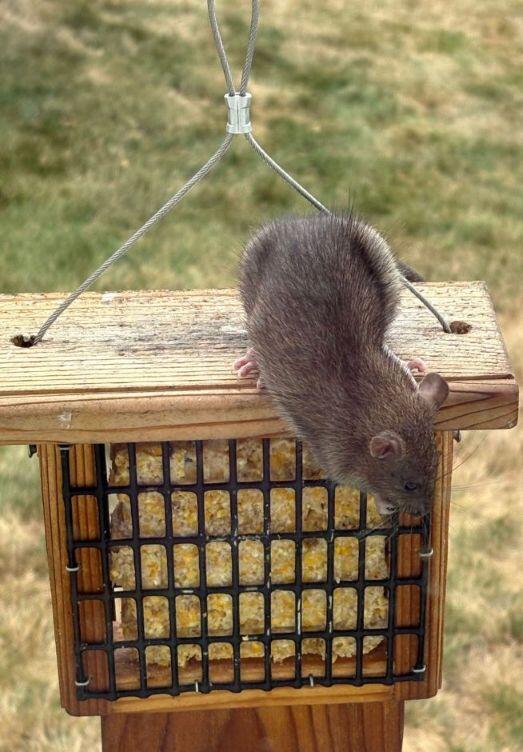
Bird feeders can attract more than just birds. Small animals like mice often visit these areas too. Understanding why mice come near bird feeders helps manage unwanted visitors. Several factors make bird feeders inviting spots for mice.
Food Sources Near Feeders
Bird feeders often spill seeds and nuts on the ground. These food bits create easy meals for mice. Mice are attracted to places where food is easy to find. The leftover seeds offer a reliable food supply all year round. This constant availability makes feeders a hotspot for mice searching for snacks.
Shelter Around Feeding Areas
Vegetation and structures near feeders provide good hiding spots. Bushes, shrubs, and garden debris offer safe places for mice to hide. These shelters protect mice from predators and harsh weather. Mice feel secure near feeders because of this natural cover. The close shelter and food make it an ideal living area for mice.
Common Mouse Behaviors
Mice are nocturnal and active mostly at night. They search for food quietly and quickly. Their strong sense of smell helps them find seeds under feeders. Mice are cautious but persistent when food is available. They create burrows or nests close to the food source. This behavior keeps them close to bird feeders for easy access.

Credit: www.amazon.com
Signs Of Mouse Infestations
Signs of mouse infestations near bird feeders can be subtle but clear. Detecting these signs early helps prevent bigger problems. Mice leave behind physical evidence that is easy to spot with a careful eye. Understanding these signs helps protect your home and garden.
Droppings And Tracks
Mouse droppings are small, dark, and pellet-shaped. They often appear near bird feeders or along walls. Tracks may show tiny footprints in dusty or muddy areas. Look for smudge marks from their oily fur on walls or surfaces.
Gnaw Marks
Mice chew to keep their teeth sharp. Check bird feeder poles, wooden structures, and plastic parts. Gnaw marks are small, rough edges or holes. Fresh chewed areas look lighter than old ones.
Nesting Materials
Mice build nests using shredded paper, leaves, or soft fabric. You may find these materials hidden in nearby bushes or under feeders. Nests are often tucked in quiet, protected spots close to food sources.
Choosing The Right Bird Feeder
Choosing the right bird feeder can make a big difference in keeping your feathered friends happy while avoiding unwanted visitors like mice. The design and placement of your feeder directly impact how much spillage occurs and how easily rodents can access the food. Let’s look at practical ways to pick a feeder that keeps mice at bay and still attracts birds.
Types That Discourage Mice
Some bird feeders are naturally better at keeping mice away. Tube feeders with small feeding ports limit access to seeds, making it harder for mice to reach the food. Hopper feeders with enclosed seed storage also reduce spillage, which lowers the chance of attracting rodents.
Consider feeders made with smooth metal or plastic surfaces instead of wood, as mice find it harder to climb slippery materials. Feeders with built-in baffles or guards can block rodents from climbing up the pole or hanging wire. Have you noticed that feeders with seed trays tend to spill more? Avoid those if mice are a concern in your yard.
Placement Strategies
Where you put your bird feeder plays a huge role in controlling mice. Keep feeders away from walls, fences, or dense shrubbery that mice can use as a bridge to reach the food. Hanging feeders from thin, smooth poles or wires without nearby jumping points can help.
Placing the feeder at least 5 feet above the ground is a smart move to keep mice out. Also, avoid areas where spilled seed can accumulate, like directly over mulch or soft soil. Instead, place feeders above a hard surface like concrete or gravel, which discourages burrowing rodents.
Feeder Maintenance Tips
Regular cleaning and seed management are vital to prevent mice problems. Clean up any spilled seed beneath the feeder every few days to remove tempting snacks. Using seed trays or mats designed to catch debris can make this easier.
Rotate the location of your feeder occasionally to avoid creating a permanent food source in one spot. Also, avoid overfilling feeders; less seed means less chance of spillage and leftover food. Have you ever noticed that dried, moldy seed attracts pests even more? Keep your feeder dry and inspect it often for wet or spoiled seed.
Feeding Practices To Minimize Mice
Keeping mice away from your bird feeders is easier than you might think. Small changes in how you feed birds can make a big difference in minimizing unwanted visitors like mice. Let’s look at practical feeding practices that help you enjoy birdwatching without dealing with pesky rodents.
Avoiding Spilled Seeds
Spilled seeds on the ground act like an open invitation for mice. You can prevent this by checking your feeders regularly and cleaning up any dropped seeds promptly. Using feeders designed to reduce seed scatter also helps keep the area tidy.
I once noticed a sudden increase in mice around my backyard feeder until I realized seeds were spilling everywhere. After switching to a feeder with a smaller opening and sweeping the ground daily, the mice visits dropped drastically.
Using Seed Trays And Catchers
Adding seed trays or catchers beneath your feeders catches stray seeds before they hit the ground. These trays help contain the food and reduce the chances of mice finding an easy meal nearby. Make sure to clean the trays frequently to avoid attracting pests.
Consider trays made of metal or plastic that are easy to clean and durable. You might also find models with rims high enough to keep seeds contained even on windy days.
Feeding Schedule Adjustments
Leaving seeds out overnight gives mice plenty of time to sneak in for a feast. Try feeding your birds during daylight hours only and removing feeders at dusk. This simple change limits the food available to nocturnal rodents.
Have you noticed more mice activity at night near your feeders? Adjusting your feeding times could be the key to reducing this problem while still supporting your feathered friends.
Natural Deterrents And Barriers
Bird feeders can sometimes attract mice, as spilled seeds provide an easy food source. Position feeders away from potential nesting areas and regularly clean the ground beneath them. This can help in reducing the chances of mice visiting your yard.
Bird feeders bring joy by attracting birds to your garden. Yet, they may also invite unwanted guests like mice. Natural deterrents and barriers can help keep these pests away. They provide effective solutions without harming the environment.Planting Mouse-repellent Plants
Certain plants naturally repel mice. Planting them around your feeders can work wonders. Consider lavender, mint, or marigolds. These plants have scents that mice dislike. Plus, they add beauty to your garden.Physical Barriers Around Feeders
Physical barriers can prevent mice from reaching feeders. Install feeders on poles with baffles. These barriers stop mice from climbing. Use metal or plastic baffles for durability. Elevate feeders at least five feet off the ground. This height deters mice from jumping up.Ultrasonic Devices And Other Tools
Ultrasonic devices emit sounds mice can’t stand. Place them near feeders for extra protection. These devices are silent to humans and pets. Solar-powered options are available for eco-friendly pest control. Other tools include motion-activated lights. Sudden light can scare away mice during the night.
Credit: www.livingwithbirds.com
Safe Mouse Control Methods
Keeping mice away from bird feeders requires safe and effective control methods. Using humane techniques protects animals and the environment. It also helps maintain a clean, safe space for birds and people. Understanding different options can help choose the best solution for your home or garden.
Humane Traps
Humane traps catch mice without harming them. These traps allow you to release mice far from your property. Place traps near bird feeders or mouse pathways. Check traps often to avoid stress for the animals. Use bait like peanut butter to attract mice inside.
Chemical Treatments
Chemical treatments can control mice but require careful use. Choose products labeled safe for outdoor use. Avoid placing chemicals where birds can reach. Follow all instructions on the packaging. Use chemicals as a last resort and combine with other methods.
Professional Pest Control Options
Professional pest control offers expert help for mouse problems. Experts identify the source and size of infestations. They use safe, effective tools and treatments. Professionals can advise on preventing future mouse visits. Hiring a service ensures thorough and lasting control.
Credit: www.mass.gov
Frequently Asked Questions
Do Bird Feeders Attract Mice To My Yard?
Yes, bird feeders can attract mice because spilled seeds provide an easy food source. Mice are drawn to areas with accessible food, especially during colder months.
How Can I Prevent Mice Near Bird Feeders?
To prevent mice, use seed trays that reduce spillage and clean up fallen seeds regularly. Placing feeders away from walls and using metal or squirrel-proof feeders also helps.
Are Certain Bird Seed Types More Attractive To Mice?
Yes, seeds like sunflower and millet attract mice more than others. Choosing larger seeds or less preferred varieties can reduce mouse visits around feeders.
Can Mice Damage Bird Feeders Or Property?
Mice can chew on feeders and nearby structures, causing damage. They may also carry diseases, so controlling their presence is important for safety and maintenance.
Conclusion
Bird feeders can attract mice due to spilled seeds on the ground. Mice find easy food and shelter near feeders. Keep the area clean to reduce mouse visits. Use feeders designed to limit seed spillage. Place feeders away from walls and low spots.
Regularly check for signs of mice around feeders. Taking simple steps helps enjoy birds without unwanted pests. Feeding birds can be safe and fun with care. Small actions make a big difference in keeping mice away.




