
Are you worried about your pet bird’s health? You might have heard about Beak and Feather Disease and wondered if it can spread to your other birds.
This disease can be scary because it affects the feathers and beak, which are vital for your bird’s well-being. Understanding whether Beak and Feather Disease is contagious is crucial to keeping your feathered friends safe. You’ll learn exactly how this disease spreads, what signs to watch for, and how to protect your birds from infection.
Keep reading to make sure you’re doing everything to safeguard your birds’ health.

Credit: au.news.yahoo.com
What Is Beak And Feather Disease
Beak and Feather Disease (BFD) is a viral illness that primarily affects parrots and other bird species. It targets the bird’s feathers, beak, and immune system, often causing serious health issues. Understanding what BFD is helps you protect your birds and spot early warning signs before the disease spreads.
What Causes Beak And Feather Disease?
BFD is caused by the circovirus, a tiny but tough virus that attacks a bird’s developing feathers and beak. It weakens the bird’s immune system, making it vulnerable to other infections. This virus mainly spreads through contact with infected birds or contaminated objects like cages and food bowls.
Which Birds Are Most At Risk?
While many parrots can catch BFD, species like cockatoos, African grey parrots, and lovebirds are especially vulnerable. Younger birds are more likely to show severe symptoms since their immune systems are not fully developed. If you own any of these birds, vigilance is key to keeping them safe.
How Does Beak And Feather Disease Affect Birds?
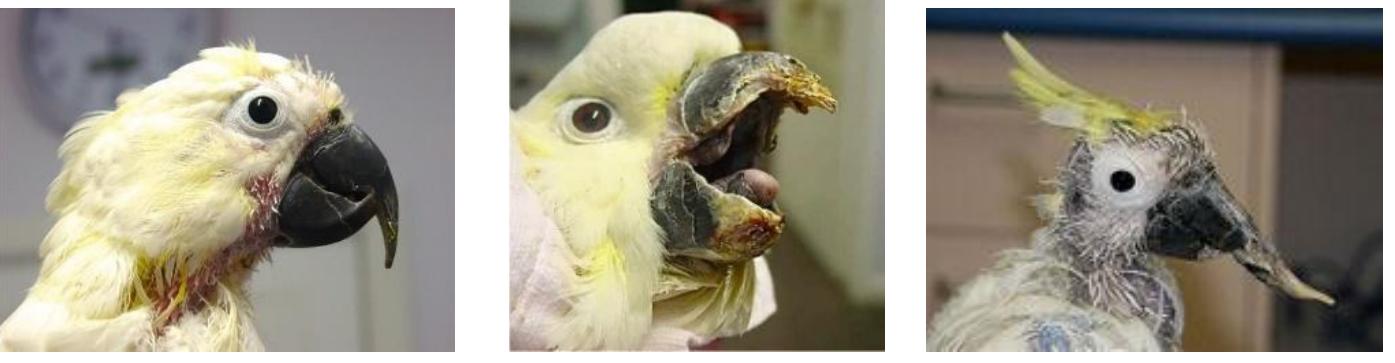
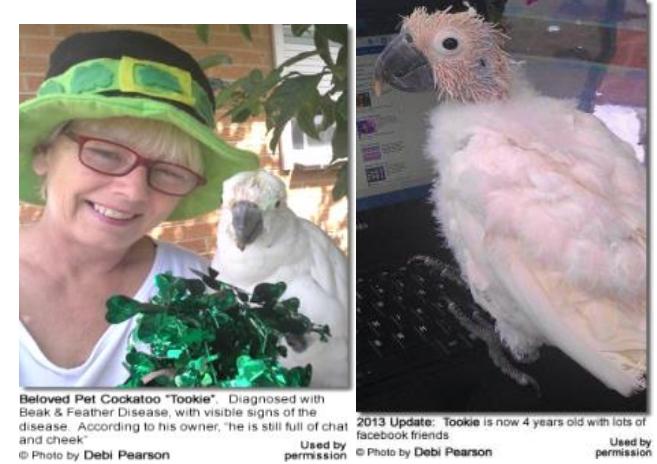
Birds with BFD often lose feathers in patches, and their beaks may become deformed or brittle. You might notice your bird’s feathers looking dull, broken, or failing to grow properly. The disease also makes birds weaker, which can lead to secondary infections that are harder to treat.
Can Birds Recover From Beak And Feather Disease?
Unfortunately, BFD has no known cure, and many birds do not fully recover. Some birds can live with the virus for years but require careful management to reduce symptoms and prevent spread. Early detection and strict hygiene can improve your bird’s quality of life and protect others.
How Beak And Feather Disease Spreads
Understanding how Beak and Feather Disease (BFD) spreads is crucial for protecting your birds. This viral illness can pass from one bird to another in several ways, often catching bird owners off guard. Knowing the main paths of transmission helps you take smart steps to reduce the risk.
Direct Contact Transmission
BFD spreads easily when infected birds come into close contact with healthy ones. This happens through touching, grooming, or sharing food and water bowls. If you notice birds preening each other or huddling closely, this is a prime opportunity for the virus to jump.
Have you checked how often your birds interact physically? Minimizing close contact between new or sick birds and your flock can slow down the spread dramatically.
Contaminated Surfaces
The virus behind BFD can survive on cages, perches, toys, and feeding equipment. When a healthy bird comes into contact with these contaminated surfaces, infection can occur. Cleaning and disinfecting these items regularly is not just a good idea—it’s essential.
Think about how often you clean your bird’s environment. Are you using the right disinfectants that kill viruses effectively? Small changes in your cleaning routine can make a big difference.
Airborne Particles
Though less common, BFD can also spread through dust and feather particles in the air. In crowded or poorly ventilated spaces, these tiny particles can carry the virus from one bird to another. Good airflow and space between cages help reduce this risk.
Have you noticed feather dust accumulating around your birds? Improving ventilation might be the simple step you need to protect your flock from airborne threats.
Species Susceptibility
Understanding which bird species are more vulnerable to Beak and Feather Disease (BFD) helps you protect your feathered friends better. Not all birds catch this disease equally, and knowing who’s at risk can guide your care and prevention strategies.
Commonly Affected Birds
Psittacine birds, especially parrots, cockatoos, and budgerigars, are the most commonly affected by BFD. These species show severe symptoms, including feather loss and beak deformities, making the disease hard to ignore.
For instance, I once cared for a cockatoo that developed classic signs of BFD within weeks of exposure. It was heartbreaking to see how quickly the disease impacted its health. Have you noticed any unusual feather or beak changes in your birds lately?
- African Grey Parrots
- Budgerigars (Budgies)
- Cockatoos
- Macaws
These species not only catch the disease easily but also spread it rapidly among flocks. Close contact and shared environments increase their risk.
Resistant Bird Species
Some bird species show a natural resistance to BFD. Pigeons and canaries, for example, rarely contract the disease despite exposure.
This resistance doesn’t mean these birds can’t carry the virus, though. They might act as silent carriers, which is a risk for more susceptible birds around them.
- Pigeons
- Canaries
- Finches
- Some wild bird species
Knowing which birds resist BFD can help you plan your aviary setup. Could mixing species unintentionally put your vulnerable birds at risk? It’s a question worth considering for any bird owner.
Symptoms In Infected Birds
Recognizing the symptoms of Beak and Feather Disease (BFD) in birds is crucial to prevent its spread. This disease affects the feathers, beak, and behavior of infected birds, making early detection important. Understanding these signs can help you take quick action to protect your flock.
Feather Loss Patterns
Feather loss in birds with BFD is often uneven and patchy. You might notice missing feathers around the head, neck, and tail first. The feathers that remain may look dull, brittle, or malformed.
Have you seen birds losing feathers in unusual spots? This odd pattern is a red flag that points toward BFD rather than natural molting.
Beak Deformities
Infected birds often develop beak abnormalities. The beak may become overgrown, cracked, or misshapen, making it hard for the bird to eat or groom properly. Sometimes the surface looks rough or flaky.
Watch your birds closely—if their beaks look different or they struggle to pick up food, it could be a sign of serious trouble.
Behavioral Changes
BFD doesn’t just affect appearance; it changes how a bird acts. Infected birds may become lethargic, lose interest in social interaction, or show difficulty flying. They might also stop preening, which worsens feather condition.
Have you noticed your bird acting withdrawn or less active? Behavioral shifts often happen before physical symptoms become obvious, so don’t ignore even subtle changes.
Diagnosis Methods
Diagnosing Beak and Feather Disease (BFD) accurately is crucial if you want to protect your birds and prevent the spread of this contagious illness. The diagnosis involves a combination of observing physical signs and conducting specific tests to confirm the presence of the virus. Understanding these methods helps you act quickly and minimize risk.
Clinical Examination
Carefully checking your bird’s beak, feathers, and overall condition is the first step. Look for symptoms like feather loss, abnormal feather growth, or beak deformities. These signs can hint at BFD but are not definitive on their own.
During a clinical exam, veterinarians also assess your bird’s behavior and weight. If you notice persistent feather damage or unusual beak changes, don’t wait. Early detection through physical signs can be lifesaving.
Laboratory Testing
Lab tests provide a clear answer by detecting the virus in your bird’s blood, feathers, or tissue samples. Polymerase Chain Reaction (PCR) tests are the most reliable for identifying BFD virus DNA.
Blood tests can also check your bird’s immune response, helping determine if the infection is active. Don’t rely solely on appearance—lab tests confirm the diagnosis, especially when symptoms are subtle or confusing.
Have you ever hesitated to test a seemingly healthy bird? Testing is vital because even birds without symptoms can carry and spread the virus. Protect your flock by seeking lab confirmation before making decisions about quarantine or treatment.
Preventing Disease Spread
Beak and Feather Disease spreads easily among birds through close contact. Keeping infected birds separate helps stop the virus from reaching others. Clean cages and tools regularly to reduce the risk of spreading disease.
Preventing the spread of Beak and Feather Disease is crucial for maintaining healthy bird populations. This viral disease can spread rapidly, causing severe symptoms and sometimes death. By implementing effective strategies, you can help protect your feathered friends from this contagious threat. Let’s explore some actionable measures you can take.Quarantine Practices
Quarantine newly acquired birds for at least 30 days. This waiting period allows you to monitor them for any signs of illness before introducing them to other birds. Keep the quarantine area separate, minimizing any contact with your existing flock. Use disposable gloves and dedicated feeding and cleaning equipment for quarantine areas. This reduces the risk of cross-contamination. Regularly check for symptoms like feather loss or beak deformities during this period.Sanitization Techniques
Regular cleaning is your best defense against disease spread. Clean cages, feeding dishes, and water containers daily with a mild bleach solution. Ensure all surfaces are thoroughly rinsed and dried before reuse. Disinfect shared spaces like play areas and bird toys weekly. A simple mix of water and vinegar can be an effective cleaning solution. Remember, consistent sanitization practices can significantly reduce the risk of infection.Handling Infected Birds
If you suspect a bird is infected, handle it with utmost care. Use gloves and wash hands thoroughly after any contact. Isolate the bird immediately to prevent spreading the virus. Consult a veterinarian for a proper diagnosis and treatment plan. Be mindful of your other birds’ health and avoid unnecessary handling of the infected bird. Your proactive steps can make a significant difference in controlling the disease’s impact.Treatment Options
Beak and Feather Disease can be distressing for bird owners. Treatment focuses on improving the bird’s quality of life. No specific cure exists, but several methods can help.
Supportive Care
Good nutrition strengthens the bird’s immune system. Provide a balanced diet with vitamins and minerals. Keep the bird’s environment clean to prevent infections.
Reduce stress by maintaining a calm setting. Regular veterinary check-ups are crucial. They help monitor the bird’s health and adjust care as needed.
Medical Interventions
Antiviral drugs may slow disease progression. Consult with a vet before starting any medication. Antibiotics can treat secondary bacterial infections.
Immunomodulators might boost the bird’s immune response. Ongoing research explores new treatment options. Stay informed about advancements in veterinary care.
Credit: www.academia.edu
Impact On Bird Populations
Beak and feather disease (BFD) affects bird populations in several serious ways. The disease spreads quickly and can reduce the number of healthy birds. It impacts both wild and captive birds, changing how these groups survive and grow. Understanding the effects on different bird communities helps protect them better.
Wild Bird Populations
In wild birds, BFD causes severe health problems. Birds with the disease lose feathers and have damaged beaks. This makes flying, feeding, and escaping predators very hard. Sick birds often die young. The disease spreads through contact with infected birds or contaminated environments.
Bird groups can shrink fast because many sick birds do not survive. This reduces genetic diversity and weakens the overall population. In some areas, rare species face a higher risk of extinction due to BFD.
Captive Bird Communities
Captive birds like parrots and cockatoos are also vulnerable. BFD spreads easily in crowded spaces like aviaries or bird markets. Infected birds show poor feather growth and poor beak health. They often become weak and die quickly.
Captive breeding programs struggle to keep birds healthy. The disease can halt breeding efforts and reduce the number of birds available for release into the wild. Strict hygiene and quarantine are necessary to control outbreaks.
Research And Future Directions
Research into Beak and Feather Disease (BFD) is ongoing to better understand its spread and effects. Scientists study how the disease passes from one bird to another. This research helps protect wild and pet birds from infection.
Future studies aim to find better ways to detect BFD early. Researchers also focus on developing treatments or vaccines. These efforts could reduce the disease’s impact on bird populations.
Current Research On Bfd Transmission
Scientists investigate how the BFD virus spreads among birds. They examine direct contact and environmental factors. Understanding transmission helps reduce new infections.
Advances In Diagnostic Tools
New tests allow quicker and more accurate detection of BFD. Early diagnosis improves bird care and limits virus spread. Researchers work on making these tools easier to use.
Potential Treatments And Vaccines
Efforts are underway to find effective treatments for BFD. Vaccine development is a key focus to prevent infections. Successful vaccines could protect many bird species.
Conservation And Management Strategies
Research supports better strategies to protect wild birds. It guides quarantine and hygiene practices in aviaries. These measures help control the disease’s spread and impact.
Credit: www.academia.edu
Frequently Asked Questions
Is Beak And Feather Disease Contagious Among Birds?
Yes, Beak And Feather Disease (PBFD) is highly contagious. It spreads through direct contact, feather dust, and contaminated surfaces. Infected birds can easily transmit the virus to healthy birds, especially in close living conditions.
Which Birds Are Most At Risk Of Pbfd?
Parrots, cockatoos, and other psittacine birds are most vulnerable to PBFD. The disease mainly affects these species, causing severe feather and beak deformities. Wild and captive populations can both be affected.
How Does Pbfd Virus Transmit Between Birds?
The virus spreads via feather dust, feces, and direct contact. Contaminated food, water, and cages can also facilitate transmission. Infected birds shed the virus for months, increasing the risk to others.
Can Pbfd Be Prevented In Multi-bird Households?
Yes, strict hygiene, quarantine of new birds, and regular vet checks help prevent PBFD. Avoid sharing cages and feeders to reduce cross-contamination risks. Early detection is crucial to stop the spread.
Conclusion
Beak and feather disease spreads easily among birds. It harms their feathers, beaks, and health. Birds living close together face higher risks. Clean cages and good hygiene help prevent the disease. Quarantine new birds before joining others. Early detection can protect your flock.
Keep watching your birds for signs of illness. Taking these steps keeps your birds safe and healthy. Protect your feathered friends by staying informed and careful.




