
Have you ever wondered if pine cone bird feeders are actually good for the birds visiting your yard? You want to help your feathered friends, but it’s hard to know which feeders are best.
Pine cone feeders look natural and are easy to make, but do they really provide what birds need? Keep reading to discover how these simple feeders impact your local birds and whether they are a smart choice for your backyard.
You might be surprised by what you learn.

Credit: cooknwithmrsg.com
Why Choose Pine Cone Feeders
Choosing a pine cone bird feeder offers several unique benefits that make it a smart choice for anyone wanting to attract birds safely and sustainably. These feeders blend naturally into outdoor spaces, are simple to create, and support eco-friendly habits. But what exactly makes pine cone feeders stand out compared to other feeding options?
Natural Materials And Safety
Pine cones are completely natural, which means they don’t introduce harmful chemicals or plastics into your bird feeding area. This reduces the risk of injury or ingestion of toxic substances by birds. You can feel confident knowing your feathered visitors are safe while enjoying their snacks.
Using pine cones also minimizes the chance of mold growth or bacterial buildup, especially if you clean and replace the food regularly. This keeps the feeding environment healthy and inviting for birds.
Easy To Make At Home
Making a pine cone feeder requires just a few simple items you likely already have, like peanut butter, birdseed, and string. The process is quick and fun, perfect for a family project or a weekend DIY activity.
Once you get the hang of it, you can customize your feeders with different seed mixes or coatings to attract specific bird species. Have you ever noticed how much satisfaction comes from watching birds enjoy something you made yourself?
Eco-friendly Feeding Option
By using pine cones, you’re recycling natural materials instead of buying plastic or metal feeders that may end up in landfills. This small action helps reduce waste and supports a healthier planet.
Plus, you avoid packaging waste from commercial bird food containers by buying seeds in bulk. How often do you get the chance to feed birds while also feeding your environmental responsibility?
Benefits For Birds
Pine cone bird feeders offer more than just a simple snack for your feathered visitors. They create a natural feeding experience that benefits birds in several meaningful ways. Understanding these benefits can help you decide if pine cone feeders are a good addition to your backyard habitat.
Encourages Natural Foraging
Birds enjoy the challenge of picking seeds from the crevices of a pine cone, which mimics their natural foraging behavior. This activity keeps their minds sharp and bodies active. Have you noticed how birds spend more time at feeders that require a bit of effort? That engagement supports their instincts and improves their overall well-being.
Supports Diverse Bird Species
Pine cone feeders attract a variety of birds, from chickadees to finches and nuthatches. Their design allows different species to feed simultaneously without much competition. By offering a variety of seeds on the pine cone, you can welcome a broader range of birds to your yard, increasing biodiversity right outside your window.
Provides Nutritional Value
You can fill pine cone feeders with nutrient-rich foods like peanut butter, sunflower seeds, and suet. These ingredients supply essential fats and proteins that birds need, especially during colder months. Offering such nutrition helps birds maintain energy and stay healthy throughout the year.
Attracting Birds With Pine Cone Feeders
Pine cone bird feeders offer a simple, natural way to attract birds to your yard. Their rustic charm blends well with outdoor settings, making them an inviting spot for birds looking for food. Understanding how to use these feeders effectively can turn your outdoor space into a lively bird haven.
Best Seeds To Use
Choosing the right seeds is key to attracting a variety of birds. Black oil sunflower seeds stand out because many bird species love them. They are easy for birds to crack open and packed with nutrients.
You can also try:
- Millet – favorite for smaller birds like sparrows and finches.
- Nyjer (thistle) – great for attracting goldfinches.
- Cracked corn – attracts larger birds like jays and doves.
- Peanuts – loved by woodpeckers and chickadees, but use shelled or chopped peanuts to avoid choking hazards.
Mixing seeds adds variety and draws in more bird species. Have you noticed which seeds your local birds prefer?
Placement Tips For Maximum Visits
Where you place your pine cone feeder matters a lot. Birds feel safer when feeders are near natural cover like shrubs or trees. This gives them a quick escape route from predators.
Keep feeders at least 5 feet off the ground to avoid ground predators like cats. Also, avoid placing feeders too close to windows to reduce collision risks.
Try hanging feeders in spots visible from inside your home so you can enjoy watching your feathered visitors without disturbing them. Have you experimented with different locations to see where birds visit most?
Seasonal Feeding Advantages
Pine cone feeders are especially useful in colder months when natural food sources are scarce. Birds expend more energy staying warm, so high-energy seeds like sunflower and peanuts help them survive winter.
In spring and summer, feeders support birds during nesting season by providing extra nutrition. This can encourage repeat visits and even attract new species.
Offering food year-round can help you observe seasonal changes in bird behavior and species diversity. Which seasons bring the most birds to your feeder?
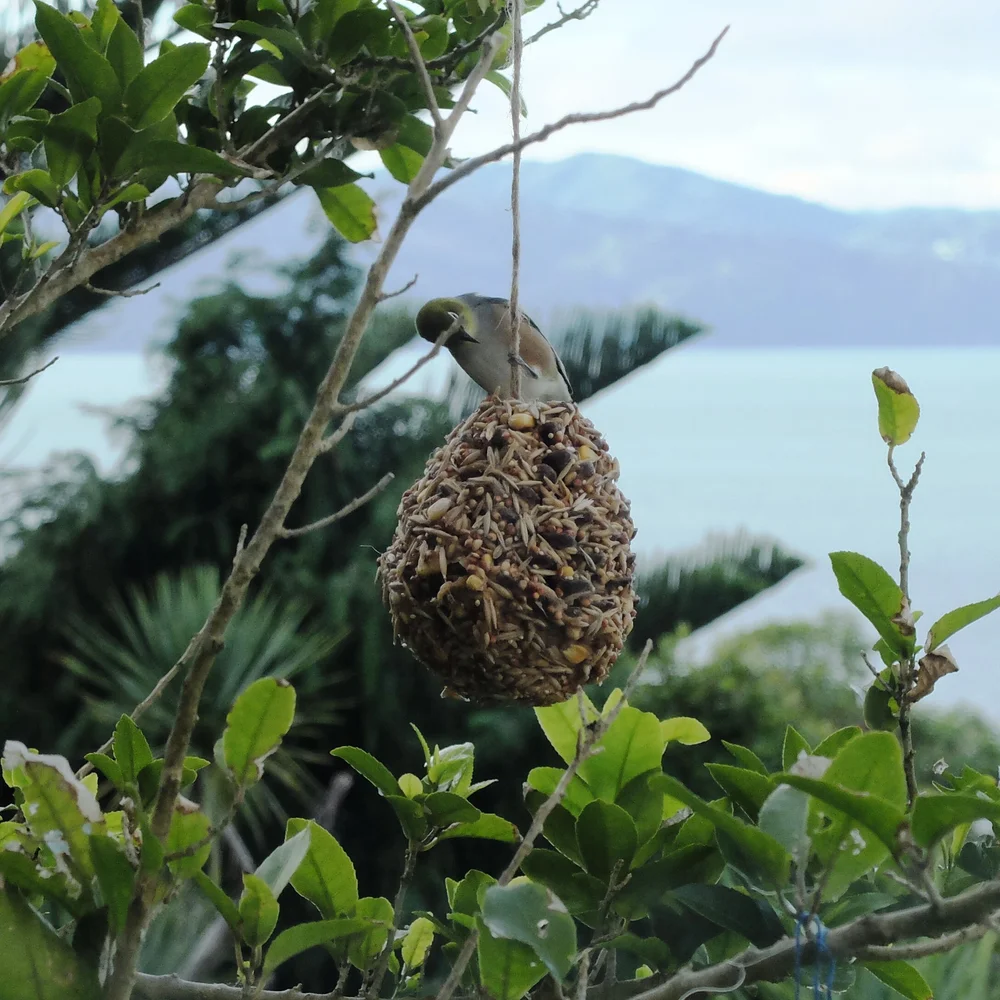
Credit: www.upstartmag.co.nz
Potential Drawbacks To Consider
Pine cone bird feeders offer a natural and charming way to attract birds, but they come with some potential drawbacks you should keep in mind. Understanding these issues helps you decide if this type of feeder fits your bird-feeding routine and local environment.
Weather Impact On Feeders
Outdoor feeders face the elements, and pine cone feeders are no exception. Rain and snow can soak the seeds, making them soggy and less appealing to birds.
Over time, moisture can cause mold growth on the seeds and cone, which harms birds’ health. If you live in a rainy or humid area, you might need to check and replace the seeds more often to keep things fresh.
Maintenance And Cleaning
Cleaning pine cone feeders can be tricky because the seeds are nestled deep in the crevices. Unlike smooth feeders, it’s harder to wash and dry these thoroughly.
If you don’t clean them regularly, leftover food can rot and attract unwanted pests or bacteria. You’ll need to put in extra effort to maintain a safe feeding spot for your feathered visitors.
Risk Of Predators
Bird feeders can sometimes attract more than just birds. Squirrels, raccoons, and even neighborhood cats might come looking for an easy snack.
Pine cone feeders hung in low or easily accessible spots increase the risk of predators disturbing or scaring away birds. How can you make sure your feeder stays a safe haven rather than a danger zone?
Diy Pine Cone Feeder Ideas
Creating your own pine cone bird feeder is a fun and rewarding way to attract feathered friends to your backyard. It’s simple, cost-effective, and allows you to customize feeders to suit the birds in your area. Plus, the hands-on process connects you with nature in a meaningful way.
Basic Pine Cone Feeder Setup
Start by choosing a large, open pine cone with wide scales. Attach a sturdy string or twine to the top for hanging. Next, use a butter knife or spoon to spread peanut butter or a similar sticky base between the scales.
Once coated, roll the pine cone in birdseed until it’s well covered. Hang your feeder from a tree branch or hook where birds can easily spot it but predators can’t reach it. How close can you get to your feeder without scaring the birds away?
Creative Decoration Tips
Make your feeder stand out by adding bright natural elements like dried berries or small pine branches. Use non-toxic paint or natural dyes to add color to the pine cone scales without harming the birds. You can even tie small bells or colorful ribbons to attract attention.
These small touches not only enhance the feeder’s visual appeal but can also make it easier for birds to find. Think about what colors or textures in your garden might draw birds closer.
Using Natural Adhesives And Seeds
Choose natural, bird-safe adhesives like peanut butter, suet, or lard to hold seeds in place. These materials provide extra nutrition for birds, especially during colder months. Mix various seeds such as sunflower, millet, and cracked corn to attract a wider range of bird species.
Try combining sticky bases with a variety of seeds to see which combinations your local birds prefer. Does your feeder attract more finches, sparrows, or chickadees with certain seed mixes?

Credit: elizabethgracegardens.com
Frequently Asked Questions
What Are Pine Cone Bird Feeders Made Of?
Pine cone bird feeders are made from natural pine cones. They are usually coated with peanut butter and rolled in birdseed. This makes them an eco-friendly and affordable feeding option for birds.
Do Pine Cone Feeders Attract Many Bird Species?
Yes, pine cone feeders attract various bird species. Birds like chickadees, finches, and sparrows are commonly drawn to them. The feeders provide easy access to seeds, making them popular among backyard birds.
Are Pine Cone Feeders Safe For Birds?
Pine cone feeders are safe when made with bird-friendly ingredients. Avoid using salted or sugary snacks. Use natural peanut butter and clean feeders regularly to prevent mold and bacteria growth.
How Do I Hang A Pine Cone Bird Feeder?
Hang pine cone feeders using a sturdy string or twine. Choose a sheltered spot away from predators and harsh weather. Make sure it is accessible for birds and easy to refill.
Conclusion
Pine cone bird feeders offer a simple way to help birds find food. They use natural materials that birds enjoy. These feeders attract many types of birds to your yard. They also provide a safe place for birds to eat.
Making and filling them is easy and fun. Feeding birds this way supports local wildlife health. Try adding one to your garden this season. Watch as birds visit and bring life to your space. Small actions like this make a big difference for birds.




