
Are you tired of seeing your beautiful bird feeder turn into a playground for curious cats? You want to enjoy watching colorful birds visit your yard, but those sneaky cats keep scaring them away.
It’s frustrating, isn’t it? You’re not alone, and luckily, there are simple ways to protect your feathered friends without harming the cats. Keep reading to discover easy, effective tips that will help you keep cats away from your bird feeders and bring peace back to your backyard.
Why Cats Are Attracted To Bird Feeders
Bird feeders attract more than just birds. If you’ve noticed your cat lingering around the feeder, it’s not just curiosity—it’s instinct. Understanding why cats are drawn to bird feeders helps you figure out how to keep them away effectively.
Cats’ Hunting Instincts
Cats are natural hunters. Even well-fed indoor cats retain a strong urge to stalk and catch prey. Bird feeders offer a perfect hunting opportunity because they attract small, quick-moving birds.
Have you ever watched your cat suddenly freeze and focus intently on something? That’s their hunting mode kicking in. The fluttering birds trigger your cat’s chase reflex, making the feeder an irresistible spot.
Bird Feeders As Hunting Grounds
Bird feeders become hunting grounds because they concentrate birds in one area. This makes it easier for cats to spot and plan their approach. The noise and movement around feeders keep your cat interested and alert.
Think about how often you see birds gather at your feeder. This steady presence is like a buffet for your cat’s hunting instincts. If you want to protect both birds and your cat’s safety, you need to break this attraction.
Choosing The Right Bird Feeder Location
Choosing the right location for your bird feeder plays a big role in keeping cats away. Cats are skilled hunters and use low spots to hide and pounce. Placing the feeder carefully can make it harder for cats to reach the birds.
Think about safety and visibility for the birds. The right spot helps birds feel secure while they eat. It also keeps your feathered friends safe from sneaky predators like cats.
Avoiding Low And Accessible Spots
Keep bird feeders away from low branches or fences. Cats can easily jump or climb to these places. Avoid spots near thick bushes or shrubs too. Cats like to hide there and wait for birds.
Choose open areas where cats have no cover to sneak. Avoid placing feeders close to walls or decks. Cats use these for quick access. A clear view helps birds watch for danger.
Using Height To Your Advantage
Place feeders high off the ground. At least five feet up is best. Cats find it hard to jump that high. Use tall poles or hang feeders from tree branches.
Make sure poles have smooth surfaces so cats cannot climb. Adding baffles below feeders blocks cats from climbing up. Hanging feeders on thin, flexible branches also helps. They bend when cats try to jump on them.
Physical Barriers To Protect Bird Feeders
Keeping cats away from your bird feeders is essential to ensure the safety of visiting birds and to maintain a peaceful backyard environment. Physical barriers offer a straightforward and effective way to deter cats without causing them harm. These solutions create a protective zone that makes it difficult for cats to access the feeders, giving birds a safe place to eat.
Installing Cat-proof Poles
Cat-proof poles are designed to prevent cats from climbing up to the bird feeder. These poles often have smooth, slippery surfaces or built-in guards that block a cat’s grip. You can buy specialized poles or modify existing ones by wrapping them with materials like metal flashing or PVC pipe.
Placing your feeder on a tall, isolated pole away from structures like fences or trees reduces the chance of cats jumping onto it. Have you noticed how cats tend to use nearby objects to leap onto feeders? Removing these launching points is a simple yet effective step.
Using Baffles And Guards
Baffles and guards act as physical shields around poles or feeders, stopping cats from climbing or jumping close. These come in various shapes—cone-shaped, cylindrical, or flat—and are usually made from metal or plastic. Installing a baffle below the feeder or on the pole creates a barrier cats can’t get past.
Make sure the baffle is wide enough and securely attached so cats can’t slip around or push it aside. You might have to experiment with placement to find the spot that best blocks access. Have you tried placing a baffle and noticed a drop in cat visits? Many bird lovers find this simple addition changes everything.
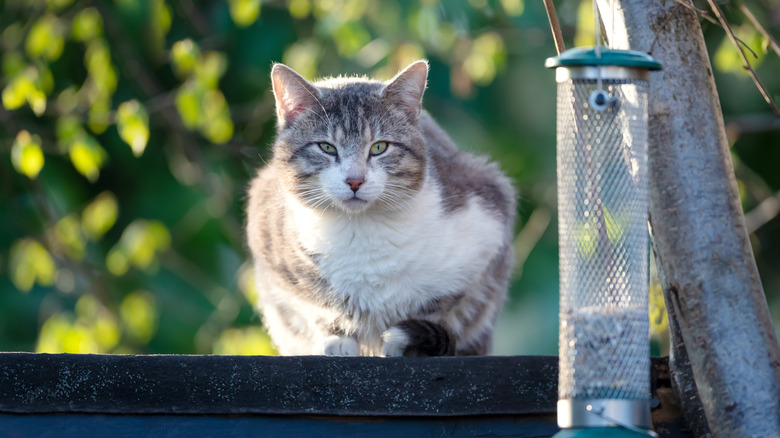
Credit: www.housedigest.com
Natural Deterrents For Cats
Natural deterrents offer a safe way to keep cats away from bird feeders. These options use scents and plants that cats dislike. They protect birds without harming cats or the environment. Using natural methods helps maintain a peaceful garden space for all animals.
Scent-based Repellents
Cats have a strong sense of smell. Certain scents repel them naturally. You can use these smells around bird feeders to keep cats at a distance.
- Citronella oil: Cats dislike its sharp smell.
- Vinegar: Its strong scent can deter cats.
- Citrus peels: Orange and lemon peels work well.
- Lavender: A scent cats tend to avoid.
Spray diluted citronella or vinegar near feeders. Replace scents often to keep them effective. Avoid spraying directly on plants or birds.
Plants That Repel Cats
Certain plants naturally keep cats away. They add beauty and safety to your garden. Planting these near feeders creates a natural barrier.
- Rue: A strong-smelling herb cats dislike.
- Rosemary: Its scent repels cats effectively.
- Lavender: Pleasant for humans, unpleasant for cats.
- Coleus canina: Known as the “scaredy cat” plant.
Place these plants close to bird feeders. They create a natural fence cats avoid. These plants need little care and grow well in many gardens.
Electronic And Motion-activated Devices
Electronic and motion-activated devices offer a modern approach to keeping cats away from bird feeders. These tools use sound or movement to deter cats without causing harm. They can be highly effective, especially if you want a low-maintenance solution that activates only when needed.
Ultrasonic Repellents
Ultrasonic repellents emit high-frequency sounds that cats find uncomfortable but are usually inaudible to humans. You can place these devices near your bird feeder, and they will activate when a cat comes close. This targeted approach minimizes disturbance to other animals and keeps your feathered friends safe.
One thing to consider is that effectiveness depends on the device’s range and placement. Make sure the repellent covers the feeding area without being blocked by plants or furniture. Have you noticed if your cat reacts to high-pitched noises? That can help you decide if this device will work well for your setup.
Motion-activated Sprinklers
Motion-activated sprinklers detect movement and spray a quick burst of water toward the intruder. Cats usually dislike getting wet, so this surprise keeps them from returning. It’s a humane and chemical-free way to protect your bird feeder while adding a bit of garden fun.
These sprinklers are easy to install and adjust. You can set the sensor’s sensitivity to avoid false alarms from birds or falling leaves. Have you tried using water as a deterrent before? This method can work wonders if your cat is cautious around sudden sprays.
Training And Behavioral Tips
Cats have a natural curiosity that often leads them to bird feeders. Keeping them away requires a blend of training and behavioral adjustments. Understanding these strategies can help protect your feathered friends.
Discouraging Cats From Approaching
Train cats to avoid bird feeders using gentle deterrents. Noise can be effective. Use a bell or chime near the feeder. Cats dislike sudden sounds. This can discourage them from approaching.
Spraying water can also deter cats. Use a spray bottle to create a harmless barrier. Cats generally dislike water, making this method effective. Ensure the water is clean and safe.
Reinforce positive behavior with treats. Reward your cat when it stays away from the feeder. This encourages them to seek rewards elsewhere, away from birds.
Providing Alternative Entertainment
Offer your cat alternative activities. Cats love toys. Provide them with balls, feathers, and catnip toys. This keeps them engaged and away from birds.
Cat trees or scratching posts can also help. They give cats a place to climb and scratch. This satisfies their natural instincts.
Interactive playtime is crucial. Spend time playing with your cat daily. Use laser pointers or feather wands. This reduces their interest in the bird feeder.
Safety Tips For Both Cats And Birds
Place bird feeders away from places where cats can easily hide or jump. Use baffles or guards to block cats from climbing poles or trees near feeders. Keeping feeders high and open helps birds stay safe and cats stay away.
Keeping both cats and birds safe around bird feeders is a priority for any nature lover. Cats, being natural hunters, are often drawn to the activity and sounds of birds feeding, creating a potential risk for both animals. By implementing safety measures, you can create a harmonious environment where birds can dine in peace, and cats stay out of harm’s way.Ensuring Bird Feeder Stability
A wobbly bird feeder is an invitation for disaster. Birds may get frightened and fly away, while curious cats might see it as a fun challenge. Ensure your bird feeder is firmly anchored and resistant to any attempts to topple it over. Consider placing feeders on sturdy poles or hanging them from strong branches, out of a cat’s reach. Use baffles, which are dome-shaped devices, to deter climbing. This not only keeps the feeder stable but also prevents unwanted feline visitors.Protecting Cats From Harm
While keeping birds safe, it’s equally important to consider the safety of the cats. Cats can easily get stuck or injured while trying to reach birds. Providing alternative entertainment for your cats can divert their attention from the feeders. Install cat-friendly zones in your yard, like climbing trees or scratching posts, to keep them engaged. Additionally, consider using safe repellents like citrus peels or motion-activated sprinklers around the feeder area. These measures can protect both the playful instincts of your cat and the lives of visiting birds. Have you ever noticed how cats react to bird sounds? It can be amusing to watch. Yet, ensuring their safety is the responsible choice. How do you plan to balance the natural instincts of your cat with the serenity of your bird visitors?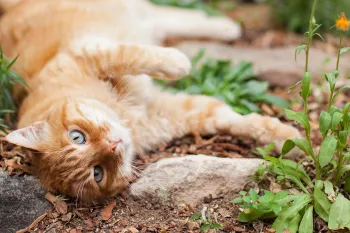
Credit: www.humaneworld.org

Credit: www.aol.com
Frequently Asked Questions
How Can I Protect Bird Feeders From Cats?
Place feeders on tall, smooth poles with baffles to prevent climbing. Keep feeders away from trees or structures cats can jump from. Use cat deterrents like motion-activated sprays or ultrasonic devices to discourage cats near feeders.
What Plants Repel Cats Near Bird Feeders?
Planting rosemary, lavender, or rue near feeders can repel cats naturally. These plants emit scents cats dislike, keeping them away. Incorporate dense shrubs to create a physical barrier around feeders for extra protection.
Are Motion-activated Devices Effective Against Cats?
Yes, motion-activated sprinklers or ultrasonic repellents startle cats when they approach. These devices are humane, safe, and effectively discourage cats from entering feeding areas. Regular use conditions cats to avoid the space over time.
Can I Train My Cat To Stay Away From Feeders?
Training cats with positive reinforcement and distractions can reduce feeder visits. Provide alternative entertainment or feeding spots to divert their attention. Consistent supervision and deterrent use help teach cats to avoid bird feeders.
Conclusion
Keeping cats away from bird feeders protects the birds and keeps your garden safe. Use simple barriers like fences or plant thorny bushes nearby. Place feeders where cats cannot easily reach. Motion-activated devices can scare cats without harming them. Regularly check your feeders for signs of cats.
These small steps help create a peaceful space for birds to visit. Enjoy watching birds without worrying about cats. A little care goes a long way in protecting wildlife around your home.




