
Have you ever found a feather and wondered, “What bird is this feather from?” That small, delicate piece holds a secret story about the bird it came from. Imagine unlocking that mystery with just a little knowledge.
You’ll discover simple ways to identify feathers and learn fascinating facts about the birds behind them. By the end, you’ll feel confident turning any feather you find into a clue about the natural world around you. Ready to become a feather detective?
Let’s get started.
Feather Types And Structures
Feathers come in a variety of types and structures, each designed to serve a specific purpose for the bird. Understanding these differences can help you identify the bird species just by examining a single feather. Let’s break down the main types of feathers you might encounter and what makes each unique.
Flight Feathers
Flight feathers are the strong, stiff feathers found on the wings and tail. They provide the lift and control needed for flying. You can usually spot these feathers by their long, narrow shape and firm texture.
Notice the asymmetry in flight feathers—the leading edge is narrower than the trailing edge. This design improves aerodynamics and maneuverability. If you find a feather like this, it likely came from a bird that spends a lot of time in the air.
Contour Feathers
Contour feathers cover the bird’s body, giving it a smooth, streamlined look. They help with waterproofing and insulation while also playing a big role in a bird’s coloration and pattern. These feathers are softer than flight feathers but still maintain a firm shape.
Have you ever noticed how a bird’s body looks sleek yet fluffy? That’s thanks to contour feathers lying flat over the down feathers underneath. They create the bird’s outer appearance and often carry distinct color patterns that can be a key to identification.
Down Feathers
Down feathers are the soft, fluffy feathers found beneath the contour feathers. Their main job is insulation—they trap heat to keep birds warm in cold weather. Unlike flight feathers, down feathers don’t have a firm shaft, making them feel almost like cotton.
If you find a feather that’s very soft and lacks a rigid structure, it’s probably a down feather. These feathers rarely leave the bird’s body but can sometimes be found after molting, especially in colder climates.
Specialized Feathers
Some birds have feathers that serve unique purposes beyond flying or insulation. Examples include the bristles around a bird’s eyes or mouth, which help protect sensitive areas or assist in catching insects. Another type is the filoplumes, small hair-like feathers that help birds sense feather position.
Have you ever felt a feather that seems too small or oddly shaped to be for flying or warmth? It might be a specialized feather. These feathers play subtle but important roles that often go unnoticed but are crucial to a bird’s survival.
Key Features For Identification
Identifying a bird from a single feather can be tricky. Key features help narrow down the possibilities. These features include size, shape, color, texture, and tiny structural details. Careful observation of these traits guides accurate identification. Each feature reveals clues about the bird’s species and habits.
Size And Shape
Feather size varies by bird type and purpose. Flight feathers tend to be long and narrow. Tail feathers often have a broader shape. Down feathers are small and fluffy. Measure the feather length and note its outline. Shape hints at the feather’s role and bird size.
Color Patterns
Color helps spot the bird’s species quickly. Look for unique markings or stripes. Some feathers show bright colors, others blend with nature. Patterns may include spots, bars, or gradients. Color contrast can distinguish similar birds. Note if the color is solid or mixed.
Texture And Flexibility
Texture reveals the feather’s function and bird type. Stiff feathers support flight and gliding. Soft feathers provide warmth and insulation. Run fingers gently over the feather surface. Flexibility varies from rigid to bendable. This feature shows how the bird moves and lives.
Barb And Barbule Details
Barbs are the main branches on a feather. Barbules are tiny hooks connecting barbs. Check if barbs are tightly linked or loose. Tightly linked barbs form a smooth surface for flight. Loose barbs create fluff for insulation. Zooming in reveals these fine structures clearly.
Common Feather Colors And Their Origins
Feathers display a stunning variety of colors that can tell you a lot about the bird they come from. These colors don’t just happen by chance; they come from specific natural processes and materials. Understanding the origins of feather colors can help you identify birds more accurately and appreciate the complexity behind their beauty.
Pigments In Feathers
Pigments are natural substances that give feathers their base colors. The most common pigments are melanins and carotenoids. Melanins produce shades of black, brown, and gray, while carotenoids create bright yellows, oranges, and reds.
These pigments come from the bird’s diet or are produced by its body. For example, flamingos get their pink color from carotenoids in the shrimp and algae they eat. Have you ever noticed how some feathers look dull while others shine? That’s often due to the amount and type of pigment present.
Structural Colors
Not all colors come from pigments. Some feathers show colors because of their microscopic structure. These structures reflect and scatter light, creating iridescent blues, greens, and purples.
The blue feathers of a Blue Jay or the shimmering green of a hummingbird don’t have blue pigment. Instead, tiny structures in their feathers bend light to produce these vivid colors. This means the color can change depending on the angle you view it from.
Color Changes Over Time
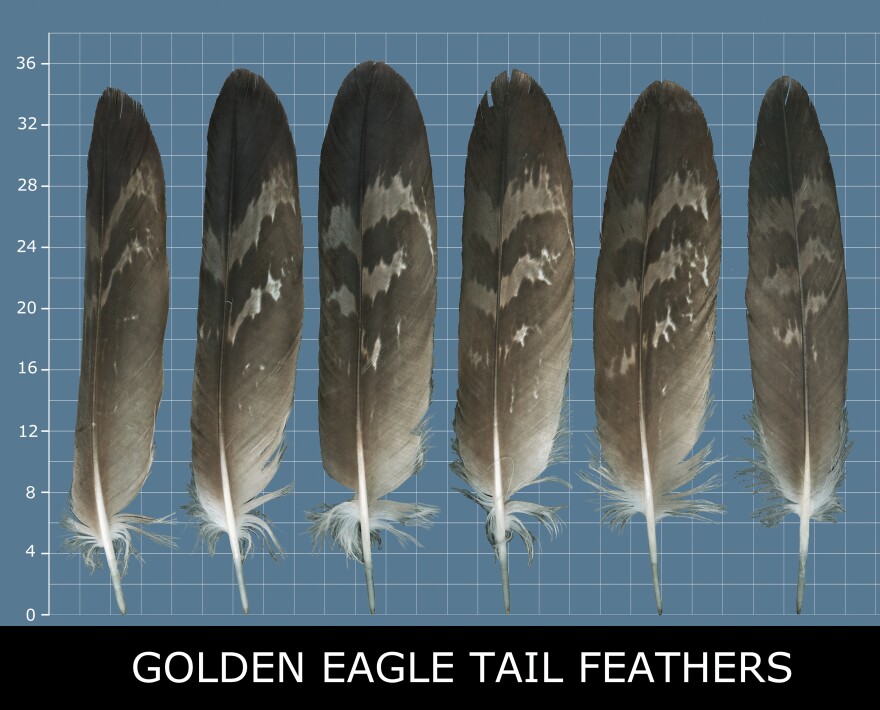
Feather colors can change as the feather ages or due to environmental factors. Sunlight can fade pigments, making colors appear washed out over time. Wear and tear can also affect the feather’s structure, dulling its shine.
Some birds molt and grow new feathers to keep their colors bright and fresh. Have you ever picked up a feather that looked much different than the live bird? That’s because feathers lose their original vibrancy after falling off. Paying attention to these changes can give you clues about how old a feather might be.
Credit: www.knau.org
Using Feather Databases And Resources
Identifying a bird from a single feather can feel like solving a mystery, but you don’t have to do it alone. Feather databases and various resources provide detailed information that can help you match colors, patterns, and sizes to specific bird species. These tools make the process accessible and often quite enjoyable, even if you’re new to birdwatching or feather collecting.
Online Identification Tools
Online feather identification tools offer a quick way to compare your feather with hundreds of images and data points. Websites like the Feather Atlas by the U.S. Fish and Wildlife Service let you search by feather type, color, and size. You can even zoom in on high-resolution photos to examine tiny details.
Have you ever wondered how many feathers a single bird has? These tools often provide information about feather placement on the bird’s body, which can help you understand why the feather looks the way it does. The convenience of these databases means you can start your identification process right from your phone or computer.
Field Guides And Books
Physical field guides remain invaluable for feather identification, especially when you want a deeper understanding of the bird’s natural history. Books like “Peterson Field Guide to Feathers of Eastern North America” offer detailed descriptions and illustrations. They often include tips on distinguishing similar feathers from different species.
Flipping through a guide can be surprisingly satisfying, and it often sparks curiosity about the bird’s habitat and behavior. Do you keep a nature journal? Adding your feather finds alongside notes from field guides can deepen your learning and connection with the natural world.
Museum Collections
Many museums house extensive feather collections that are open to researchers and enthusiasts by appointment or through virtual archives. These collections provide a chance to study feathers up close and see rare or unusual specimens. Handling or viewing feathers from verified bird species can sharpen your identification skills.
Have you ever visited a museum and paused at a bird exhibit? The feathers displayed often tell stories about migration, adaptation, and evolution. Accessing museum resources can turn your feather identification from guesswork into a confident discovery backed by expert knowledge.
Techniques For Collecting And Preserving Feathers
Collecting and preserving feathers requires more than just picking them up off the ground. You need to respect wildlife laws, handle feathers carefully to avoid damage, and store them properly so they last. These techniques will help you enjoy and learn from your feather finds while protecting nature.
Legal Considerations
Did you know that many feathers are protected by law? In the United States, the Migratory Bird Treaty Act makes it illegal to collect feathers from most native birds without a permit. Always check local regulations before you take a feather home.
Some feathers from non-protected species or those found on private land with permission might be okay to collect. If you aren’t sure, it’s safer to leave the feather where it is or seek advice from wildlife authorities. This respect keeps ecosystems balanced and avoids legal trouble.
Safe Collection Methods
When you find a feather, approach gently to avoid damaging it. Use clean hands or gloves to pick it up, minimizing oils or dirt transfer. If you spot feathers in the wild, don’t disturb nesting sites or birds themselves.
To keep feathers intact, store them in a breathable container like a paper envelope or cloth bag right after collection. Avoid plastic bags as they trap moisture and can cause mold. Always label your finds with the date and location to help with identification later.
Storage Tips
Proper storage preserves feather color, shape, and prevents pests. Keep feathers in a cool, dry place away from direct sunlight. Light can fade colors, and humidity invites mold or insects.
Consider using acid-free tissue paper to wrap each feather if you want extra protection. You can also add small packets of silica gel to absorb moisture. Regularly check your collection for signs of damage or bugs to catch problems early.
Case Studies Of Feather Identification
Feather identification reveals clues about the bird it came from. Case studies show how shape, color, and pattern help name the species. This process aids bird watchers and researchers in understanding local wildlife.
Case Studies of Feather Identification Feather identification can be fascinating. Each feather tells a unique story. Let’s explore some intriguing case studies. These studies help us understand birds better.Identifying Common Birds
Many people find feathers from common birds. These feathers are easy to identify. For example, the blue jay’s feather has a bright blue color. Robin feathers are brown and orange. Sparrow feathers are small and brown. These features help in quick identification.Unusual Or Rare Feathers
Some feathers are rare and unusual. They belong to unique bird species. Rare feathers often have striking patterns. For instance, the feather of a peacock is vivid and colorful. The quetzal feather is another example. It is long and emerald green. Identifying these feathers requires more skill. Observing feather patterns is crucial here.Feathers From Different Habitats
Feathers vary based on habitats. Forest birds have camouflage colors. This helps them blend with trees. Desert birds have light-colored feathers. These reflect heat and help stay cool. Water birds have waterproof feathers. This aids in swimming and staying dry. Recognizing habitat influences aids in identification. Each habitat offers different feather characteristics.Expert Tips For Accurate Feather Id
Identifying a bird from its feather requires careful observation of color, size, and shape. Comparing these details with known bird feather guides helps make accurate matches. Understanding feather patterns can reveal surprising insights about the bird’s species.
Identifying a bird feather can be an intriguing and rewarding experience. Whether you’re a seasoned birdwatcher or a curious nature enthusiast, accurately identifying feathers enhances your understanding of avian life. Here are some expert tips to help you in this fascinating pursuit.Comparing With Known Samples
One effective way to identify a feather is by comparing it with known samples. Start by collecting feathers from various species for future reference. Create a catalog, either physically or digitally, to organize these samples by species, size, and color. When you find an unknown feather, compare it to your collection. Pay attention to patterns and colors. Does the feather match any in your catalog? This method provides a visual confirmation and helps refine your identification skills over time.Consulting With Ornithologists
Leverage the knowledge of ornithologists, who are experts in bird biology and ecology. Reach out to them through birdwatching clubs or online forums. They can offer insights that go beyond simple visual comparison. When consulting, provide detailed information about the feather. Share clear photos and mention the location where it was found. This context helps ornithologists make more accurate identifications.Using Microscopic Analysis
For a more scientific approach, consider using microscopic analysis. This method involves examining the feather’s structure at a microscopic level. It can reveal unique patterns and barbs that aren’t visible to the naked eye. Access to a microscope may seem daunting, but many educational institutions and nature centers offer resources. You might discover intricate details that distinguish one species from another, making this method both educational and thrilling. Have you ever tried these methods? Which one do you find most effective? Your journey in feather identification can open new doors to understanding the avian world around you.
Credit: www.carters.com.au
Credit: www.parksconservancy.org
Frequently Asked Questions
What Bird Species Does This Feather Belong To?
This feather likely belongs to a specific bird species based on its size, color, and pattern. Identifying features help narrow down the species, such as common birds in the area where it was found.
How Can I Identify A Bird From Its Feather?
To identify a bird from its feather, examine its shape, size, color, and markings. Compare these traits to feather guides or online databases for accurate identification.
Why Is Feather Identification Important?
Feather identification helps understand bird species distribution, behavior, and ecology. It aids bird watchers, researchers, and conservationists in tracking and protecting bird populations.
Can Feathers Indicate A Bird’s Health Or Age?
Yes, feather condition can reveal a bird’s health and age. Worn or damaged feathers may indicate poor health or molting phases in younger or older birds.
Conclusion
Identifying a bird from its feather can be fun and rewarding. Each feather tells a small story about the bird’s life. Colors, shapes, and patterns give clues to the bird’s identity. With practice, spotting these signs becomes easier. Nature offers many surprises for those who watch closely.
Keep exploring, and you will learn more every day. Feathers connect us to the wild in a simple way. Enjoy the journey of discovery.




