
Have you ever wondered if you can place a hummingbird feeder alongside other bird feeders in your yard? If you’re hoping to attract a variety of feathered friends, this question matters.
You want to create a welcoming space for hummingbirds without scaring off the other birds you enjoy watching. But mixing feeders isn’t always as simple as it seems. You’ll discover the best way to set up your feeders so all your favorite birds can thrive.
Keep reading to learn the secrets that will make your garden a buzzing paradise for every bird species.

Credit: www.hummingbirdsociety.org
Choosing The Right Location
Choosing the right location for your hummingbird feeder alongside other bird feeders can make all the difference in attracting a variety of birds without causing stress or competition. Placement affects how comfortable the birds feel and how often you get to enjoy their visits. Let’s look at some key points to help you arrange your feeders thoughtfully.
Separate Spaces For Different Feeders
Hummingbirds and other birds often prefer different feeding environments. Giving each type of feeder its own space helps reduce conflicts and keeps the birds safe.
Try placing your hummingbird feeder at least 10 feet away from feeders meant for larger birds like finches or cardinals. This distance prevents bigger birds from intimidating the tiny hummingbirds.
Think about your yard layout. Could you hang the hummingbird feeder near flowers while setting other feeders closer to shrubs or trees? This natural separation creates inviting spots tailored to each bird’s habits.
Ideal Placement For Hummingbird Feeders
Hummingbirds are attracted to bright colors and need a clear view to spot predators quickly. Position your feeder where it gets some sunlight but also offers shade during the hottest parts of the day.
Placing the feeder near native flowering plants can encourage hummingbirds to stick around longer. They’ll appreciate having natural nectar sources nearby.
Make sure the feeder hangs at eye level or slightly above. This height lets you enjoy watching them up close without disturbing their feeding.
Avoiding Crowding And Competition
If feeders are too close together, birds may compete aggressively for food. This competition can scare away shy species and reduce the number of visitors overall.
Spacing feeders apart gives birds room to feed comfortably and reduces aggressive behavior. You might notice more peaceful visits and a wider variety of species.
Observe your yard at different times to see how the birds use the feeders. Adjust spacing if you spot bullying or overcrowding. How can you tweak your setup to create a calmer feeding environment?
Credit: www.walmart.ca
Feeder Types And Their Compatibility
Choosing the right feeders and arranging them properly attracts a variety of birds. Each feeder type suits different bird species and feeding habits. Understanding feeder designs helps create a safe and inviting bird space. Some feeders can share space well, while others need distance to avoid conflict.
Hummingbird Feeder Designs
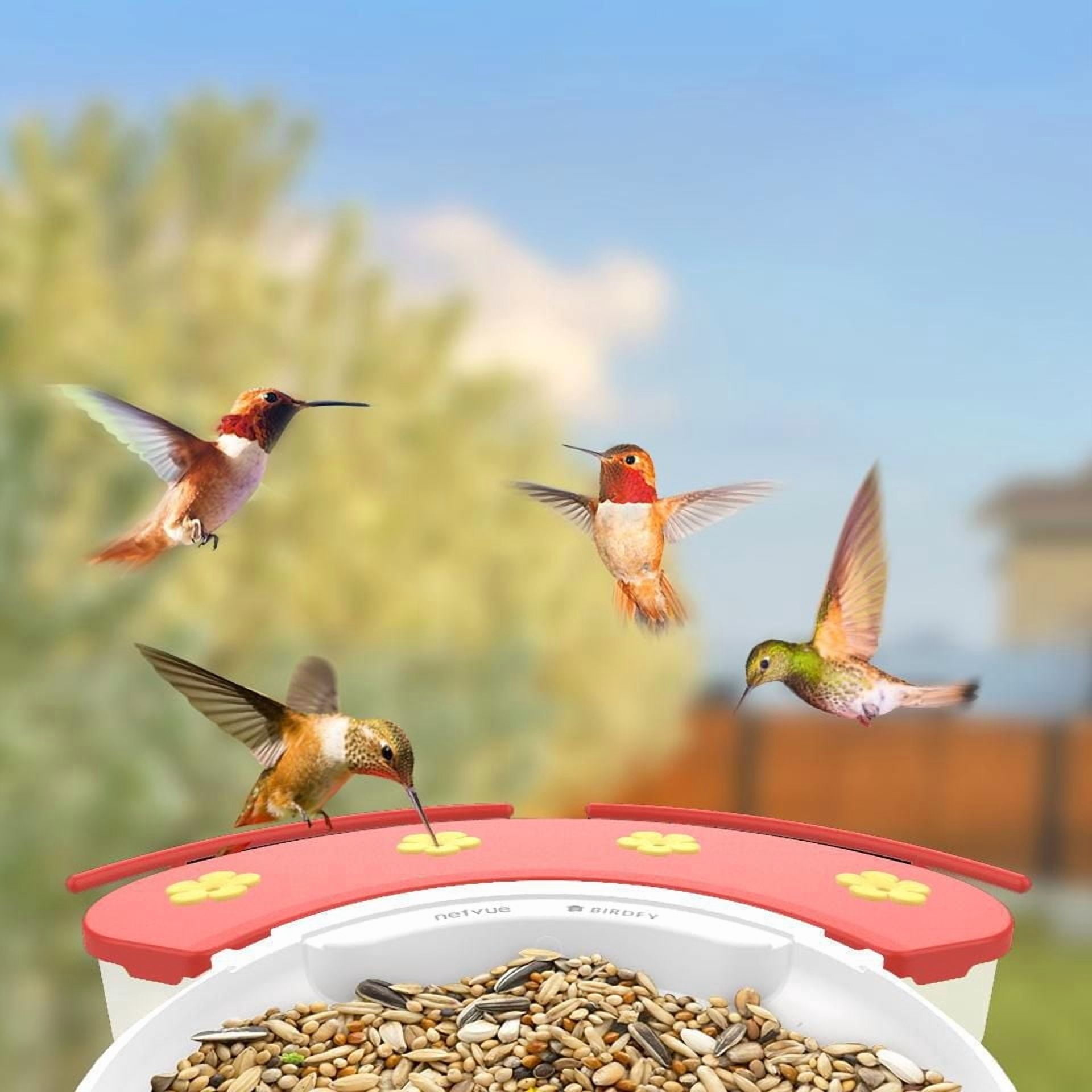
Hummingbird feeders often have bright colors like red to attract these tiny birds. They use nectar, a sugar-water mix, instead of seeds. Most hummingbird feeders have small feeding ports shaped like flowers. These ports prevent larger birds from stealing nectar.
Many designs include:
- Tube feeders with multiple feeding holes
- Bell-shaped feeders with built-in perches
- Window-mounted feeders for close viewing
These feeders hang easily and are easy to clean, which helps keep nectar fresh.
Common Bird Feeder Styles
Seed feeders come in many styles to attract different birds:
- Tube feeders for small songbirds
- Platform feeders for ground birds
- Suet feeders for woodpeckers and nuthatches
- Hopper feeders that hold large seed amounts
Each style offers food differently to match bird feeding habits. Platform feeders are open and can attract many birds at once. Tube feeders protect seeds from weather and pests. Suet feeders provide high-energy food in colder months.
Mixing Feeders Safely
Place hummingbird feeders away from seed feeders. This reduces competition and aggression between birds. Hummingbirds need calm spaces to feed without disturbance. Keep feeders at least 10 feet apart if possible.
Clean feeders regularly to prevent mold and disease. Use separate cleaning tools for nectar and seed feeders. Avoid placing feeders too close to windows to prevent collisions. Adding perches nearby helps birds rest between feeding.
Use feeder placement to create a peaceful environment. This encourages more bird visits and safe feeding times.
Feeding Habits And Behavior
Understanding the feeding habits and behavior of hummingbirds and other birds is key before placing feeders together. Each species has its own rhythm and preferences that influence how they interact with feeders and one another. Knowing these details helps you create a bird-friendly space where everyone can enjoy the food without conflict.
Hummingbird Feeding Patterns
Hummingbirds feed frequently throughout the day due to their fast metabolism. They prefer nectar from feeders that mimic the natural flowers they visit, sipping small amounts often. These tiny birds tend to defend their feeding spots fiercely but usually focus on a single feeder at a time.
Hummingbirds are most active during early morning and late afternoon. You might notice them darting back and forth quickly, pausing only briefly to drink. Their feeding is precise and fast, which means they won’t hang around a feeder for long unless it’s abundant.
Other Birds’ Feeding Preferences
Other birds have a much different approach. Seed-eaters like finches and sparrows prefer feeders filled with sunflower seeds or millet. These birds often feed in groups, taking their time and sharing the space.
Unlike hummingbirds, many seed-eaters are ground feeders or prefer platform or tube feeders. They are less territorial about a single feeder but can get aggressive if food is scarce. Understanding these differences helps you decide where and how to set up your feeders.
Minimizing Aggression Among Birds
Feeder placement plays a huge role in reducing bird fights. Keep hummingbird feeders at least 10 feet away from seed feeders to give each bird space. This distance helps prevent larger birds from intimidating the smaller, more delicate hummingbirds.
You can also add multiple feeding stations to reduce competition. Offering a variety of foods and feeder types will attract different species without crowding. Have you noticed how some birds ignore certain feeders? Using that knowledge can help you position feeders strategically to keep peace in your backyard.

Credit: www.birdwatchingdaily.com
Maintenance And Hygiene Tips
Keeping bird feeders clean is essential for healthy birds and a safe feeding environment. Proper maintenance prevents harmful bacteria and mold from growing. This section covers important tips for cleaning hummingbird and other bird feeders.
Cleaning Hummingbird Feeders
Empty the feeder before cleaning. Use warm water and mild soap to wash all parts. Avoid strong chemicals that can harm birds. Rinse the feeder well to remove soap residue. Dry the feeder completely before refilling with fresh nectar. Clean the feeder at least twice a week in warm weather.
Keeping Other Feeders Clean
Remove old seed and debris daily. Use a brush to scrub the feeder with warm soapy water. Rinse thoroughly to avoid soap traces. Let feeders dry in the sun to kill germs. Clean feeders weekly or more often during wet weather.
Preventing Mold And Disease
Use fresh nectar and seed to stop mold growth. Store bird food in a cool, dry place. Check feeders regularly for mold or slimy residue. Replace nectar every two to three days in hot weather. Keep feeder areas dry and free of spilled food to reduce disease risk.
Attracting A Variety Of Birds
Attracting a variety of birds to your yard can turn your outdoor space into a lively, colorful haven. Offering different types of feeders invites diverse bird species, each with unique feeding habits and preferences. Mixing hummingbird feeders with other bird feeders creates an exciting ecosystem where you can enjoy watching multiple birds interact and thrive.
Using Nectar And Seed Feeders Together
Combining nectar and seed feeders allows you to cater to both hummingbirds and seed-eating birds like finches, cardinals, and chickadees. Nectar feeders attract hummingbirds with their sweet liquid, while seed feeders offer peanuts, sunflower seeds, or mixed grains favored by other birds.
Place these feeders a few feet apart to reduce competition and give each bird space to feed comfortably. You might notice hummingbirds zooming between nectar feeders while sparrows or doves settle on seed feeders nearby. This setup keeps your yard buzzing with activity throughout the day.
Seasonal Feeding Strategies
Adjust your feeding approach according to the seasons to keep birds visiting year-round. In spring and summer, nectar feeders are essential for hummingbirds during their breeding season. Meanwhile, seed feeders provide energy for resident birds and those migrating through your area.
During colder months, high-fat seeds and suet help birds survive the chilly weather. You can also offer fresh water sources, which many feeders lack. Have you tried changing your feeder offerings with the seasons to see which birds show up?
Encouraging Safe Bird Interaction
When you mix hummingbird feeders with other bird feeders, safety is key to prevent conflicts or harm. Avoid overcrowding feeders and keep them at different heights or locations to reduce territorial disputes.
Clean feeders regularly to stop the spread of diseases, especially nectar feeders that can ferment quickly. Watching birds feed peacefully side by side is rewarding, but providing plenty of space and clean food keeps your feathered visitors healthy and happy.
Frequently Asked Questions
Can Hummingbird Feeders Be Placed Near Other Bird Feeders?
Yes, hummingbird feeders can be placed near other feeders. Keep them at least 10 feet apart to reduce competition and aggression.
Will Other Birds Bother Hummingbirds At Feeders?
Some birds may try to dominate hummingbird feeders. Placing feeders apart helps protect hummingbirds and ensures they get enough nectar.
How To Prevent Ants Near Hummingbird And Bird Feeders?
Use ant moats or place feeders away from branches. Regular cleaning also helps keep ants and other pests away from feeders.
What Is The Best Location For Multiple Bird Feeders?
Choose a quiet, shaded area with good visibility. Space feeders 10-15 feet apart to minimize territorial disputes and attract diverse bird species.
Conclusion
Placing a hummingbird feeder near other bird feeders can work well. Just keep the feeders clean and spaced apart. Hummingbirds need easy access to their nectar. Other birds may prefer seeds and different food. Watching all kinds of birds visit is fun.
It helps create a lively backyard scene. Try different spots to find what works best. Enjoy the colorful hummingbirds and feathered friends together. Small changes make your garden inviting for all birds.




