
Are you wondering if bird feeders are illegal in Florida? You’re not alone.
Many people love feeding birds, but the rules can be confusing. Knowing what’s allowed can save you from fines or trouble with local authorities. You’ll discover the truth about bird feeders in Florida. By the end, you’ll feel confident about how to enjoy birdwatching the right way.
Keep reading to find out what you need to know before setting up your feeder.
Florida Laws On Bird Feeders
Understanding the laws around bird feeders in Florida is essential if you want to enjoy backyard birdwatching without running into legal trouble. The rules aren’t just about protecting birds; they also help maintain local ecosystems and prevent issues like attracting unwanted wildlife. Knowing what’s allowed and what’s not can save you from fines and help you create a safe space for birds.
State Regulations
Florida has specific state laws that regulate the use of bird feeders, mainly to protect native wildlife and prevent the spread of diseases. You must avoid feeding certain protected species, such as migratory birds, in ways that could harm them or disrupt their natural habits.
Some key points to keep in mind:
- Feeding wild birds is generally allowed, but feeding wildlife that can become pests, like raccoons or feral hogs, is prohibited.
- Using feeders that attract invasive species can be restricted or discouraged.
- Proper cleaning of feeders is required to prevent disease transmission among birds.
Have you ever noticed how some bird feeders attract more pests than birds? That’s often a sign you might be unintentionally breaking a rule or harming the environment.
Local Ordinances
Local counties and cities in Florida often have their own rules about bird feeders, which can be stricter than state laws. These ordinances can vary widely, so it’s important to check with your local government before setting up a feeder.
Typical local rules may include:
- Restrictions on feeder placement to avoid attracting nuisance animals near homes.
- Limits on the types of bird food allowed to prevent attracting rodents.
- Guidelines on feeder maintenance and cleaning schedules.
In some neighborhoods, homeowners’ associations have their own policies that you must follow. Have you checked with your city or HOA before putting out that bird feeder? It might save you a headache later.

Credit: edis.ifas.ufl.edu
Reasons For Restrictions
Restrictions on bird feeders in Florida exist for important reasons that affect both the environment and public health. Understanding these reasons helps you see why certain rules are in place and how they protect local ecosystems. Let’s break down the main concerns behind these limitations.
Wildlife Protection
Bird feeders can attract more than just birds. They may lure unwanted animals like raccoons, squirrels, and even invasive species. This can disrupt the natural balance and put native wildlife at risk.
Feeding birds in certain areas might also cause aggressive behavior among species competing for food. This can harm vulnerable bird populations and reduce biodiversity. Have you noticed how some birds dominate feeders, pushing others away?
By restricting feeders, Florida aims to keep wildlife interactions natural and minimize human impact on these ecosystems.
Disease Prevention
Bird feeders can become hotspots for spreading diseases among birds. When many birds gather in one place, pathogens like salmonella can quickly spread. This not only affects wild bird populations but can also threaten pets and humans.
Dirty feeders and leftover food create breeding grounds for bacteria and fungi. Regular maintenance is essential, yet even then, the risk remains higher than in natural feeding conditions. Have you ever found moldy seed in your feeder?
Restrictions help reduce disease outbreaks by limiting artificial feeding and encouraging safer ways to support wildlife health.
Common Bird Feeder Violations
Bird feeders are a popular way to enjoy Florida’s wildlife. Yet, certain actions can break local laws. Violations often happen without the feeder owner knowing. Understanding common mistakes helps keep bird feeding legal and safe for birds.
Feeding Protected Species
Some birds in Florida are protected by law. Feeding these birds can cause legal trouble. Examples include certain migratory species and endangered birds. Laws aim to protect their health and natural habits. Feeding protected species may attract unwanted attention from wildlife officers. Avoid offering food that attracts these birds to stay within the law.
Improper Placement
Where you place your bird feeder matters. Placing feeders too close to roads risks bird safety. It can cause accidents and harm birds. Feeders near private property without permission may lead to complaints. Also, placing feeders near water sources can spread disease. Follow local guidelines on safe and legal feeder placement.
Permits And Exceptions
Understanding permits and exceptions is important for bird feeders in Florida. The state has rules to protect wildlife and habitats. Knowing when permits apply helps avoid fines or legal trouble. Some situations allow feeding without permits, especially on private land.
When Permits Are Needed
Permits are required if you feed birds in protected areas or parks. Public lands often have strict rules to prevent harm to wildlife. You may need a special permit from the Florida Fish and Wildlife Conservation Commission. This applies to feeding that could attract large groups or disrupt natural behavior. Also, commercial feeding or selling bird food may need a permit.
Exemptions For Private Property
Feeding birds on your own property usually does not require a permit. Homeowners can use feeders to enjoy backyard birds freely. The state allows this to encourage bird watching and support local wildlife. However, feeding should not cause harm or attract nuisance animals. Keep feeders clean and avoid overfeeding to stay within guidelines.
Alternatives To Traditional Feeders
If you’re concerned about the legality of bird feeders in Florida, there are plenty of ways to support local wildlife without traditional feeders. Alternatives can help you enjoy birdwatching while respecting local regulations and the environment.
Natural Food Sources
Encouraging natural food sources in your yard can attract birds without the need for a feeder. Plant native trees, shrubs, and flowers that produce seeds, berries, and nectar. These provide a steady and healthy food supply for birds throughout the year.
Consider adding plants like beautyberry, elderberry, or wild sunflowers. These not only attract birds but also support the entire ecosystem by providing shelter and food for insects.
Have you noticed how birds behave differently around natural food sources compared to feeders? They tend to forage more actively, which is better for their health and survival skills.
Safe Feeding Practices
If you choose to feed birds despite restrictions, follow safe feeding practices to minimize risks. Clean any feeding areas regularly to prevent disease spread among birds.
Use feeders designed to discourage pests and avoid overfeeding, which can lead to dependency. Opt for natural, unprocessed seeds and avoid bread or other human food that can harm birds.
Think about placing feeders away from windows and busy areas to reduce bird collisions and stress. Simple changes in how you feed can make a big difference in your feathered friends’ wellbeing.
Penalties For Illegal Feeding
Feeding birds in Florida may seem harmless. Yet, it can lead to legal trouble. Some areas have strict rules against feeding wildlife. These rules aim to protect both animals and humans. Breaking these laws can result in serious consequences. Understanding these penalties is crucial for Florida residents.
Fines And Enforcement
Florida enforces fines for illegal bird feeding. The exact amount varies by location. Fines act as a deterrent. They encourage compliance with wildlife laws. Law enforcement and wildlife officers monitor feeding activities. They ensure residents follow local regulations. This helps maintain the balance of local ecosystems.
Impact On Wildlife
Feeding birds illegally can harm wildlife. It disrupts natural feeding patterns. Birds may become dependent on human food. This affects their survival skills. Some foods can even be harmful to birds. They may contain ingredients that are not safe. Protecting wildlife means letting them find natural food sources. This preserves their natural behaviors and habitats.
Tips For Responsible Bird Feeding
Feeding birds in Florida can be a delightful activity. Yet, it’s essential to do it responsibly. This ensures the well-being of local wildlife and keeps your backyard lively.
Choosing The Right Feeder
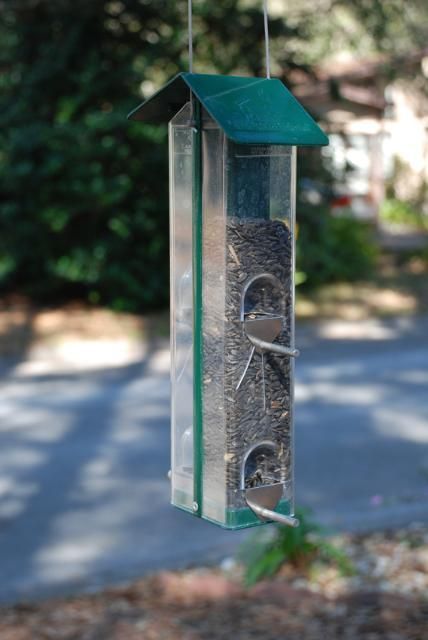
Selecting a suitable bird feeder is crucial. Different feeders attract different species. Tube feeders are perfect for small birds like finches. Platform feeders cater to larger birds. Consider squirrel-proof feeders to prevent unwanted guests. Place feeders in safe locations, away from predators. Ensure they’re easily accessible for cleaning and refilling.
Maintaining Cleanliness
Keeping feeders clean is vital for birds’ health. Dirty feeders can spread diseases. Clean your feeders every two weeks. Use a mild soap and hot water. Rinse thoroughly to remove soap residues. Allow feeders to dry completely before refilling. Regularly check for moldy or rotten food. Dispose of any spoiled feed immediately.

Credit: www.allaboutbirds.org
Credit: edis.ifas.ufl.edu
Frequently Asked Questions
Are Bird Feeders Illegal In Florida?
No, bird feeders are not illegal in Florida. However, some local rules regulate their placement to protect native wildlife. Always check with your city or county guidelines before installing a feeder.
Why Do Some Florida Areas Restrict Bird Feeders?
Certain Florida areas restrict bird feeders to prevent attracting nuisance wildlife. Restrictions help protect endangered species and reduce human-wildlife conflicts. These rules vary by region and local wildlife management priorities.
What Laws Regulate Bird Feeders In Florida?
Florida has laws protecting native wildlife, which can affect bird feeder use. Feeding certain protected species may be illegal. Local ordinances may also set feeder guidelines to ensure ecological balance.
How To Legally Use Bird Feeders In Florida?
Use bird feeders responsibly by following local laws and guidelines. Avoid feeding protected species and keep feeders clean to prevent disease. Contact local wildlife authorities for specific regulations in your area.
Conclusion
Bird feeders are mostly legal in Florida, but some rules apply. Certain areas restrict feeding to protect wildlife and public health. Always check local laws before placing a feeder in your yard. Feeding birds can bring joy and support nature safely.
Keeping feeders clean helps prevent disease in birds. Enjoy bird watching while respecting the environment and regulations. Simple steps make feeding birds safe and legal in Florida.




