
Have you ever spotted fresh bird poop on your car and wondered if it’s just a harmless mess or something more serious? You might think it’s easy to clean off later, but the truth is, bird droppings can cause real damage to your car’s paint if left unattended.
Imagine your shiny, smooth finish turning dull or even peeling because of something so small. You’ll discover why bird poop can be a hidden threat to your car’s look and what you can do to protect your investment. Keep reading to learn how to save your car’s paint from this common but often overlooked enemy.
Why Bird Poop Is Harmful
Bird poop might seem harmless, but it can damage your car’s paint quickly. The waste contains substances that attack the paint’s surface. The longer it stays, the worse the damage becomes. Understanding why bird poop is harmful helps protect your car better.
Chemical Composition
Bird droppings contain uric acid, a strong chemical. This acid is different from human urine, much more potent. It also has enzymes and minerals that harm paint. These chemicals work together to weaken the car’s protective layer.
Acidity Levels
Bird poop has a high acid level. Its pH is often below 4, making it very acidic. Acid eats away at the clear coat on your car’s paint. This causes dull spots and discoloration. Acid damage worsens under sunlight and heat.
Impact On Paint Layers
Car paint has multiple layers: clear coat, color coat, and primer. Bird poop first damages the clear coat. Without this shield, the color coat becomes vulnerable. Over time, the paint may peel, crack, or fade. Repairing this damage can be costly and time-consuming.
How Quickly Damage Occurs
Understanding how quickly bird poop can damage your car’s paint is crucial for protecting your vehicle. The timing of exposure plays a big role in how severe the damage becomes. Let’s break down the key factors that influence this process so you know exactly when to act.
Exposure Time
Bird droppings contain acidic substances that start eating away at your paint almost immediately. Even a few minutes of exposure can begin to dull the clear coat. If left unattended for hours, the damage can become permanent, leaving stains and etching that require professional repair.
I once left my car parked under a tree overnight and found fresh droppings the next morning. By the afternoon, I noticed the paint looked dull and rough where the spots had landed. Quick cleaning is your best defense.
Weather Conditions
Weather plays a surprising role in how fast bird poop damages your car. Rain can sometimes dilute and wash away droppings, minimizing harm if you clean soon after. However, during dry spells, the droppings harden and bond tightly to the paint, making them tougher to remove.
Think about your local climate. Are you more likely to encounter wet or dry conditions? This affects how vigilant you need to be about checking and cleaning your car.
Temperature Effects
Heat accelerates the chemical reaction between bird poop and your car’s paint. On hot days, droppings can burn into the surface within minutes. Conversely, cooler temperatures slow down this process but don’t eliminate the risk entirely.
If you park outside on a sunny day, you should inspect your car more frequently. A simple quick wipe can save you from costly paint repairs later.
Signs Of Paint Damage
Bird poop contains acids that can harm your car’s paint. It often sits on the surface for hours or days. This causes visible damage to the paint over time. Knowing the signs helps you protect your car’s look and value.
Discoloration
One common sign is color change on the paint. The affected area may look lighter or darker. It often appears as white, yellow, or brown spots. These spots do not wash off easily with water.
Etching And Stains
Bird droppings can eat into the clear coat layer. This damage creates small pits or grooves called etching. Stains may also form if the poop sits too long. These marks remain even after cleaning.
Surface Texture Changes
The smooth paint surface may turn rough or uneven. You can feel bumps or scratches by running your hand gently. These texture changes show the paint layer is damaged beneath.

Credit: paragonmicrofibre.com
Preventing Damage
Preventing damage from bird poop is easier than fixing it later. Bird droppings contain acids that can eat into car paint. Acting fast helps protect your car’s look and value. Simple habits and products keep paint safe and shiny.
Regular Cleaning Tips
Clean bird droppings as soon as possible. Use a soft cloth or sponge with water. Avoid scrubbing hard to stop scratches. Car wash soap works better than household cleaners. Rinse the area well after cleaning. Repeat cleaning often to maintain paint quality.
Protective Coatings
Apply a protective coating to your car’s surface. Wax creates a thin barrier that repels dirt and acids. Sealants last longer and provide stronger protection. Ceramic coatings offer durable defense against bird poop damage. These coatings make cleaning easier and protect paint over time.
Parking Strategies
Choose parking spots wisely to reduce bird droppings. Avoid parking under trees or near power lines. Covered parking or garages provide the best protection. Look for open spaces away from bird habitats. Small changes in parking can save your car’s paint.
Removing Bird Poop Safely
Removing bird poop safely protects your car’s paint from damage. Act quickly to prevent stains and corrosion. Use gentle methods to clean without harming the surface. Follow simple steps to keep your car looking fresh and new.
Immediate Actions
Remove bird poop as soon as you see it. Letting it sit allows acids to eat into the paint. Use a soft cloth or paper towel to cover the spot. Soak it with water or a mild cleaner to soften the mess. Avoid scrubbing hard to prevent scratches.
Effective Cleaning Products
Choose cleaners made for car paint. Look for pH-balanced or gentle formulas. Avoid harsh chemicals like bleach or ammonia. A mix of water and car shampoo works well. Special bird poop removers are also available and safe. Always test a small area before full cleaning.
Avoiding Scratches
Use soft microfiber cloths or sponges for cleaning. Never use abrasive materials like brushes or rough towels. Clean in a gentle, circular motion to lift dirt. Rinse thoroughly with clean water to remove residue. Dry with a soft cloth to prevent water spots. Regular waxing adds a protective layer against future stains.
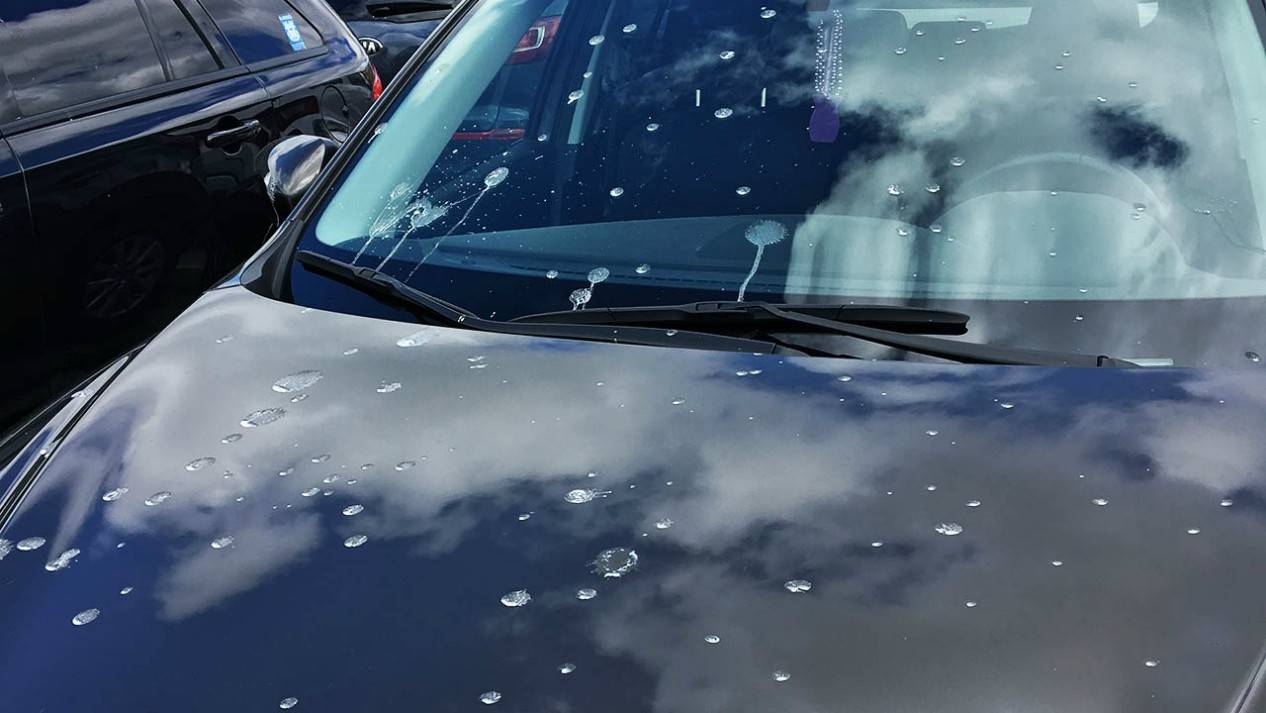
Credit: www.carmudi.com.ph
Long-term Car Paint Care
Bird droppings can damage car paint if left untreated. The acid in bird poop eats away the paint, leaving stains. Regular cleaning prevents this damage and keeps your car looking new.
Long-Term Car Paint Care Caring for your car’s paint in the long run is about more than just keeping it looking shiny. It involves protecting the surface from daily elements like bird poop, which can cause damage if not addressed. By adopting a few practical steps, you can ensure that your car’s paint remains vibrant and intact for years to come.Waxing And Sealing
Applying a layer of wax or sealant is like giving your car a protective shield. Wax not only enhances the shine but also provides a barrier against bird droppings and other contaminants. Regular waxing every few months can prevent stains from setting in, saving you from costly paint repairs. Think about it: have you ever noticed how water beads up on a freshly waxed car? That’s the protective layer at work. By maintaining this barrier, you reduce the risk of damage and keep your car looking new.Professional Detailing
Sometimes, it’s best to leave it to the experts. Professional detailing goes beyond a simple wash and wax by addressing finer details and potential problems. A detailer can spot issues that might escape your eye, ensuring your car’s paint remains in top condition. Enlisting professional help occasionally can be a wise investment. They use advanced tools and techniques to maintain and enhance your car’s appearance, tackling stubborn stains and providing a deeper clean.Routine Maintenance
Routine care is your first line of defense against paint damage. Regular washing removes harmful contaminants like bird droppings before they can do harm. Even a quick rinse can be effective if you’re in a hurry. Consider setting a weekly or bi-weekly schedule for washing your car. This habit ensures that you stay ahead of potential damage, keeping your vehicle in pristine condition. Are you already doing this, or could your routine use a little tweaking?
Credit: www.carsales.com.au
Frequently Asked Questions
Can Bird Poop Damage Car Paint Instantly?
Yes, bird poop can damage car paint quickly. Its acidic nature breaks down the protective wax and paint layers, causing stains and discoloration if not cleaned promptly.
How Long Does Bird Poop Take To Ruin Paint?
Bird poop can start damaging paint within hours. The longer it stays, the more it corrodes and etches into the car’s clear coat and paint surface.
What Is The Best Way To Clean Bird Poop Off Cars?
Use a soft cloth or sponge with water and mild soap. Gently wipe the area to avoid scratching the paint. Clean promptly for best results.
Can Bird Poop Cause Permanent Stains On Car Paint?
Yes, if left untreated, bird poop can cause permanent stains and etching. Early removal and proper cleaning prevent lasting damage to your car’s paintwork.
Conclusion
Bird poop can damage your car paint if left too long. The acids in droppings eat into the clear coat. Clean the spots quickly to protect the paint. Use water and gentle soap for best results. Avoid harsh scrubbing to prevent scratches.
Regular washing helps keep your car safe and shiny. Small efforts save money on repairs later. Watch your car often, especially after parking outside. Taking care of your car paint keeps it looking great. Don’t let bird poop cause lasting damage.
Act fast, keep your car looking new.




