
Are you struggling to keep birds from snatching your grass seed before it has a chance to grow? Watching your hard work get undone by hungry birds can be frustrating.
But don’t worry—you’re not alone, and there are simple ways to protect your lawn. You’ll discover effective tips that help keep birds away, so your grass seed can thrive and your yard looks its best. Keep reading to learn how to turn your lawn into a bird-free zone and enjoy a lush, green lawn sooner than you think.
Credit: www.outdoorguide.com
Reasons Birds Target Grass Seed
Understanding why birds target grass seed is key to protecting your lawn. Birds see freshly spread grass seed as an easy and nutritious meal. Knowing their behavior helps you take steps that keep your lawn safe and your grass growing strong.
Birds And Seed Attraction
Birds are naturally drawn to seeds because they provide energy and nutrients. Grass seed, especially when freshly laid, is soft and easy for birds to eat. The smell and visibility of the seed make it a tempting snack for many bird species.
Have you noticed birds flocking right after you spread seed? Their quick response is because seeds are a reliable food source during planting season. This attraction can lead to significant seed loss if not managed properly.
Common Bird Species
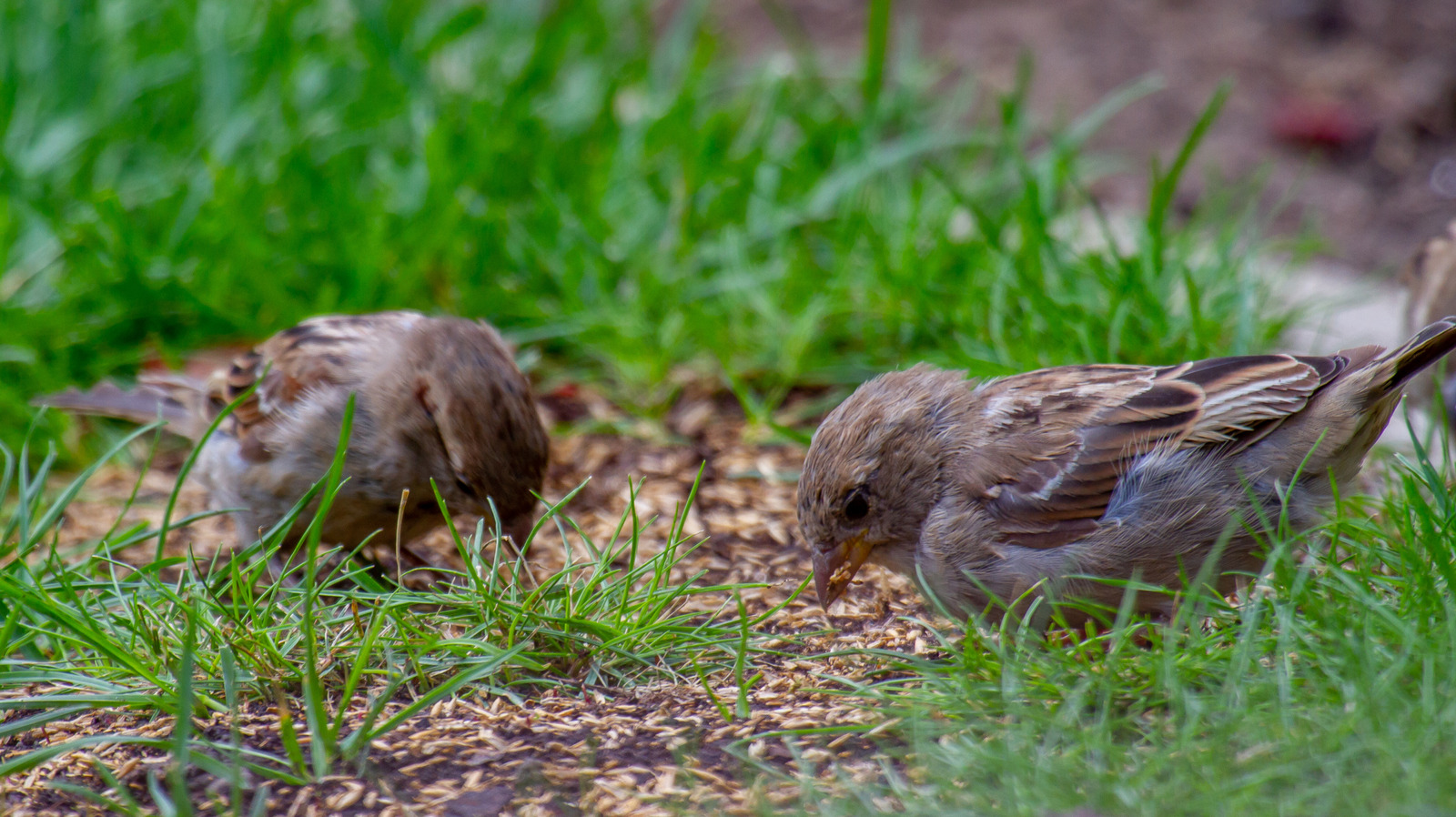
Crows, sparrows, pigeons, and starlings are frequent visitors to lawns with fresh grass seed. These birds are opportunistic feeders and often travel in groups, increasing the amount of seed they can consume.
Some species, like doves, prefer smaller seeds, while others, such as crows, can crack open larger seed types. Knowing which birds are around your area helps you choose the right deterrents.
Impact On Lawn Growth
Birds eating grass seed can cause uneven lawn growth or bare patches. Losing seed means fewer grass shoots sprout, which weakens the overall lawn health. This can result in a patchy, thin lawn that struggles to fill in.
Have you ever wondered why some parts of your lawn look sparse despite regular seeding? Birds could be the reason. Protecting your seed ensures your lawn gets the best chance to grow thick and green.
Credit: www.youtube.com
Choosing Bird-resistant Grass Seeds
Choosing bird-resistant grass seeds helps protect your lawn during growth. Birds often eat fresh seeds, causing patchy grass and slow growth. Selecting seeds less appealing to birds reduces this problem. It also saves time and effort in reseeding.
Some grass seed types naturally attract fewer birds. Others have coatings or treatments that discourage birds from eating them. Knowing these options improves your success in growing a healthy lawn without bird damage.
Seed Types Less Appealing To Birds
Certain grass seeds are not popular with birds. These seeds are harder or taste bitter, so birds avoid them.
- Fescue:Has a tough seed coat that birds dislike.
- Perennial ryegrass:Slightly bitter, less tasty to birds.
- Buffalograss:Seeds are small and less visible to birds.
- Fine fescue blends:Mixes reduce seed appeal to birds.
Choosing these seeds lowers the chances of birds eating your lawn seed.
Seed Coatings And Treatments
Seed coatings help protect grass seeds from birds. These coatings can change the seed’s taste or appearance.
- Non-toxic bird repellents:Coatings with safe chemicals that birds dislike.
- Colored coatings:Bright colors scare or confuse birds.
- Pelletized seeds:Seeds covered with clay or other materials to hide them.
Coated seeds offer extra protection during the critical germination phase. They reduce seed loss and improve lawn establishment.
Physical Barriers To Protect Seeds
Protecting grass seed from birds is important to ensure healthy lawn growth. Physical barriers create a strong shield between seeds and birds. These barriers stop birds from eating or disturbing the seeds. They keep the area safe while seeds take root. Using simple tools can save time and effort in lawn care.
Using Netting And Covers
Netting is an effective way to cover grass seed. It acts like a fence in the air. Birds cannot reach the seeds through the fine mesh. Choose lightweight netting that allows sunlight and water to pass through. Secure the edges tightly to prevent birds from sneaking underneath. Covers like garden fabric or mesh sheets also protect seeds. These covers help keep seeds in place and reduce bird damage.
Temporary Fencing Options
Temporary fencing creates a physical boundary around the seeded area. Use stakes and plastic or wire fencing to build a small enclosure. This stops birds from landing on the seed bed. It also marks the area to avoid accidental trampling. Fencing is easy to set up and remove once the grass grows. This method works well for larger areas or long-term protection.
Natural Deterrents For Birds
Keeping birds away from your grass seed can be tricky without using harsh chemicals or harmful traps. Natural deterrents offer a safe, eco-friendly way to protect your lawn while respecting wildlife. These options often combine simple tools and plants that create an unwelcoming environment for birds.
Scare Devices And Decoys
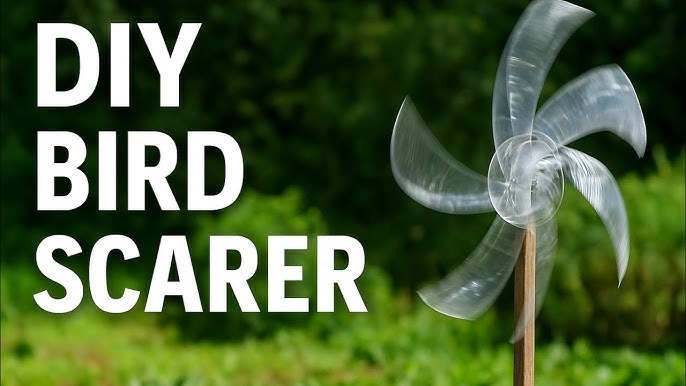
Scare devices can be surprisingly effective if you change their placement frequently. Reflective tape, shiny pinwheels, or even old CDs hung around the seeded area catch sunlight and create movements that birds dislike. I’ve found that a moving scarecrow or a fake owl placed nearby can make birds think twice before landing.
Decoys such as plastic snakes or predator birds work by triggering a bird’s natural fear instinct. However, birds get used to static decoys quickly, so rotate or move them every few days. Try combining several scare devices to keep birds guessing and reduce their confidence in returning.
Plants That Repel Birds
Certain plants naturally discourage birds from settling nearby. For example, planting thorny bushes like hawthorn or barberry around your yard creates a physical barrier that birds avoid. Herbs such as lavender and rosemary emit strong scents that many birds find unpleasant.
Adding these plants near your seeded grass can help create a subtle but effective boundary. Have you noticed how birds avoid some gardens but flock to others? The choice of surrounding plants might be the hidden factor influencing their behavior.
Timing And Techniques For Seeding
Planting grass seed can be challenging. Birds love to feast on seeds. Timing and proper techniques are crucial. Knowing the right time and method helps protect your seeds. This ensures a lush, green lawn.
Best Time To Sow Seeds
Choose the right season for planting. Early spring and early fall work best. During these times, temperatures are mild. Rainfall is also more frequent. This creates ideal growing conditions. Seeds can establish roots quickly. Birds are less active during these seasons.
Proper Seed Depth And Coverage
Plant seeds at the correct depth. Shallow planting makes seeds easy targets. Aim for a depth of 1/4 inch. Cover seeds with a thin layer of soil. This helps hide them from birds. Use a rake to lightly cover the seeds. Ensure even distribution across the area.
Mulch can be a helpful addition. It provides extra coverage. It also retains moisture. This aids in seed germination. Mulch can deter birds from reaching the seeds.
Chemical Repellents And Safe Usage
Chemical repellents can be a powerful tool to protect your grass seed from hungry birds. Using them correctly ensures you keep your lawn safe without harming the environment or other animals. Let’s look at the types of repellents available and how to use them safely.
Types Of Bird Repellents
Bird repellents come in different forms, each working in unique ways to keep birds away.
- Liquid Sprays:These contain bitter or unpleasant-tasting substances that discourage birds from pecking at the seed.
- Granules and Powders:Applied directly to the soil or grass seed, these create a barrier that birds avoid.
- Gel Repellents:Sticky gels produce a texture birds dislike, making the area less appealing.
- Ultrasonic Devices:Emit sounds unpleasant to birds but inaudible to humans, although effectiveness varies.
Choosing the right repellent depends on your lawn size, bird species, and environmental concerns. Have you noticed which type works best in your area?
Application Tips And Precautions
Applying chemical repellents needs care to protect your grass, wildlife, and family.
- Read Instructions Thoroughly:Each product has specific guidelines about how much and how often to apply.
- Apply Evenly:Uneven application leaves gaps where birds can still access seeds.
- Avoid Overuse:Too much repellent can harm your grass or nearby plants.
- Reapply After Rain:Many repellents wash away, so reapplication is necessary to maintain effectiveness.
- Keep Pets and Children Away:Store and apply repellents in areas inaccessible to them for safety.
Once, I overlooked reapplying after a heavy rain, and birds quickly returned to feast on the seeds. That taught me how crucial timing is. What challenges have you faced in using repellents effectively?
Maintaining Seeded Lawns
Scattering bird deterrents like netting or scare devices helps protect fresh grass seed. Covering seeds lightly with straw or soil also keeps birds from eating them. Creating a barrier ensures healthy lawn growth without seed loss.
Maintaining a newly seeded lawn requires care and attention. Birds can be a nuisance, pecking at seeds and damaging your hard work. Proper maintenance techniques are essential to ensure healthy grass growth. Explore effective strategies to protect your lawn from birds and keep your grass thriving.Watering Strategies
Watering plays a crucial role in lawn maintenance. Keep the soil moist to help seeds germinate faster. Moist soil discourages birds as it’s harder for them to access seeds. Water early in the morning or late in the afternoon. This ensures water reaches the roots without evaporating quickly. Use a gentle spray to avoid washing away seeds.Monitoring And Repairing Damage
Regularly check your lawn for any signs of damage. Look for areas where seeds may have been disturbed. If you find bare spots, reseed them promptly. Use netting or floating row covers to protect vulnerable areas. These barriers deter birds from accessing the seeds. Keep a close watch and address issues early to ensure a lush, green lawn.
Credit: www.angi.com
Frequently Asked Questions
How Can I Protect Grass Seed From Birds?
Cover grass seed with a light layer of straw or mulch. Use bird netting to create a physical barrier. These methods prevent birds from accessing and eating the seeds, ensuring better germination and growth.
What Natural Repellents Keep Birds Away From Grass Seed?
Birds dislike scents like garlic, chili, and vinegar. Spray diluted solutions around the seeded area. These natural repellents discourage birds without harming the environment or your grass seed.
Does Using Scare Devices Help Deter Birds From Grass Seed?
Yes, scare devices like reflective tape, fake predators, or noise makers can be effective. Move them regularly to prevent birds from getting used to them. This keeps birds cautious and away from your grass seed.
When Is The Best Time To Seed Grass To Avoid Birds?
Early morning or late evening seeding reduces bird activity. Birds are less active during these times, allowing seeds to settle before birds forage. This timing improves seed survival chances.
Conclusion
Keeping birds away from grass seed takes patience and simple steps. Use covers, netting, or natural repellents to protect seeds. Check your lawn often to catch problems early. Changing methods can keep birds guessing and away. Healthy grass grows better without bird damage.
Small efforts now lead to a green, lush yard later. Stay consistent and watch your grass thrive. Success comes with care and attention. Your lawn will thank you.




