
Capturing birds in flight is both exciting and challenging. This guide offers clear tips to help you photograph birds in motion.
Bird photography requires patience and good technique. Birds move fast, so you need to adjust your camera settings quickly. Understanding bird behavior helps you predict their movements. Lighting plays a big role in getting sharp, bright photos. Using the right lens can make a big difference.
Practice focusing on flying birds to improve your skills. This guide covers key points like camera settings, timing, and composition. You will learn how to capture birds in flight clearly and beautifully. Enjoy the process, and watch your bird photos improve step by step.
Capturing Flight

Ideal for bird photography enthusiasts and nature lovers looking to enhance their skills, Capturing Flight: Photography Tips To Showcase Birds In Motion offers valuable insights into photographing birds in action. Whether you’re an amateur seeking to improve your shots or a professional aiming to master dynamic wildlife photography, this book provides practical guidance tailored to your needs.
Pros:
- Comprehensive tips on capturing birds in flight with clarity and precision
- Contains 176 pages of detailed techniques and examples
- Published recently in 2024, ensuring up-to-date photography methods
- Helps improve both technical skills and creative composition
- Suitable for various skill levels, from beginners to advanced photographers
Cons:
- Focuses specifically on bird photography, which may limit appeal for general wildlife photographers
- Requires some prior knowledge of photography basics to fully benefit from advanced tips
- Printed format may not offer interactive content found in digital resources
Capturing Flight delves into the art and science of photographing birds in motion, offering readers expert advice on camera settings, lighting, and timing to freeze stunning action shots. The book emphasizes techniques such as fast shutter speeds, continuous autofocus, and tracking moving subjects, empowering photographers to capture sharp, vibrant images of birds in flight. These practical tips enable users to overcome common challenges like motion blur and unpredictable bird behavior.
Beyond technical guidance, the book explores creative aspects like composition and background selection, helping photographers create visually compelling images that highlight the grace and beauty of birds on the wing. With its thorough approach, Capturing Flight not only enhances photographic skill but also deepens appreciation for avian wildlife, making every photo session more rewarding and enjoyable.
Mastering Bird Photography

The book Mastering Bird Photography: The Art, Craft, and Technique of Photographing Birds and Their Behavior is ideal for avid photographers, nature enthusiasts, and bird watchers who want to elevate their skills in capturing stunning images of birds. Whether you are a beginner looking to learn the fundamentals or an experienced photographer aiming to refine your technique, this guide offers valuable insights tailored to anyone passionate about bird photography.
Pros:
- Comprehensive coverage of bird behavior and photographic techniques
- Includes practical tips for different lighting and environmental conditions
- Illustrated edition with detailed images aiding visual learning
- Authored by Rocky Nook, a reputable brand in photography publications
- Compact and portable dimensions make it easy to carry on field trips
Cons:
- May be too detailed for casual photographers seeking quick tips
- Focuses exclusively on bird photography, limiting broader wildlife coverage
This 340-page illustrated edition delves into the intricate relationship between birds’ behavior and how to best photograph them, offering readers a deep understanding of timing, positioning, and technical settings. Its well-structured chapters guide users through everything from choosing the right equipment to mastering post-processing techniques that enhance the final image quality. The book’s publication by Rocky Nook ensures a professional approach with high-quality content and photography.
With dimensions of 8.0 x 1.0 x 10.25 inches and weighing just over two pounds, this volume is designed to be a practical companion during outdoor photography sessions. The book’s detailed explanations and visual aids empower users to anticipate bird behavior, making it easier to capture unique moments. Overall, this guide enriches photographers’ abilities and encourages a deeper appreciation for avian subjects.
100 Flying Birds

The book 100 Flying Birds: Photographing the Mechanics of Flight is ideal for nature enthusiasts, photographers, and bird watchers who want to deepen their understanding of avian flight through stunning visuals and detailed analysis. If you are passionate about capturing the beauty and complexity of birds in motion or simply wish to appreciate the intricate mechanics behind flight, this book is designed for you.
Pros:
- Contains 320 pages filled with high-quality photographs and detailed explanations.
- Published by the reputable Firefly Books, ensuring excellent production quality.
- Compact dimensions (10 x 10 x 1 inches) make it easy to handle and store.
- Offers a unique perspective on the mechanics of bird flight, combining art and science.
- Perfect for both professional photographers and casual readers interested in ornithology.
Cons:
- Weighs over 2.3 pounds, which may be slightly heavy for some readers.
- Focuses primarily on photography, which might not cover extensive scientific theory.
- Publication date in 2021 means some newer bird flight research might not be included.
This book stands out with its exceptional collection of photographs that capture the precise moments of birds in flight, highlighting the mechanical aspects such as wing movement, feather positioning, and aerodynamic principles. Each image is accompanied by insightful commentary, making it a valuable resource for understanding how birds achieve such graceful and efficient flight. The visual storytelling not only appeals to photographers but also educates readers about the fascinating physics behind avian motion.
Beyond its artistic value, 100 Flying Birds serves as an educational tool that enhances observational skills and inspires creativity. The detailed images encourage readers to notice subtle details in bird behavior and movement, which can improve both field photography and bird watching experiences. Overall, this book is a perfect blend of visual delight and informative content, tailored for anyone eager to explore the wonders of bird flight from a photographic and mechanical standpoint.
The Handbook Of Bird Photography
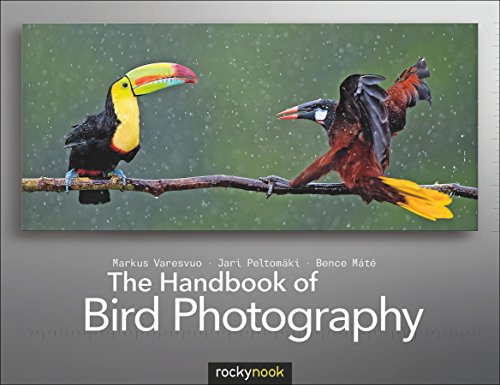
The Handbook of Bird Photography is ideal for both amateur and professional photographers who are passionate about capturing stunning images of birds. Whether you are a nature enthusiast, a wildlife photographer, or someone looking to improve your photographic skills in bird photography, this comprehensive guide provides valuable insights and techniques tailored to your needs.
Pros:
- Detailed guidance from a reputable brand and manufacturer, Rocky Nook.
- Contains 368 pages filled with expert tips and techniques.
- Compact and portable size with dimensions of 8.0 x 1.1 x 10.0 inches, making it easy to carry outdoors.
- Covers a wide range of bird photography topics suitable for different skill levels.
- Published in 2013, offering timeless principles and methods.
Cons:
- Some content may be slightly outdated due to advances in camera technology since 2013.
- The book’s weight of approximately 2.88 pounds might be a bit heavy for some users to carry on long trips.
- Limited to the 1st edition, so newer editions might provide updated information.
This handbook offers an in-depth exploration of bird photography techniques, focusing on aspects such as composition, lighting, and behavior of birds to help photographers capture their subjects in the best possible way. The book discusses camera settings and equipment choices tailored specifically for bird photography, allowing users to optimize their gear for sharper and more vivid images. Its detailed explanations empower readers to understand the unique challenges of photographing birds in their natural habitats.
Additionally, the handbook emphasizes practical advice that can be applied in the field, such as how to approach birds without disturbing them and how to anticipate their movements for better shots. This not only enhances the quality of photographs but also enriches the overall experience of bird photography enthusiasts. With its clear instructions and expert insights, the book serves as a valuable resource for anyone looking to elevate their bird photography skills.
Hawks From Every Angle

The book Hawks from Every Angle: How to Identify Raptors In Flight is ideal for birdwatchers, nature enthusiasts, and wildlife photographers who want to enhance their ability to identify different species of raptors while they are soaring in the sky. Whether you are a beginner or an experienced observer, this guide provides practical insights to improve your field identification skills.
Pros:
- Comprehensive visual guide with detailed illustrations of raptors from multiple angles
- Compact and lightweight paperback format for easy portability during outdoor excursions
- Concise yet informative content with 129 pages focused specifically on raptor identification
- Published by the reputable Princeton University Press, ensuring authoritative and accurate information
- Dimensions (9.75 x 7.75 x 0.5 inches) make it convenient to carry in a backpack or field bag
Cons:
- Limited to raptors in flight, so it may not cover identification of perched birds extensively
- Paperback edition might be less durable compared to hardcover for frequent field use
- Publication date (2005) means some taxonomic updates or recent findings may not be included
Hawks from Every Angle offers readers a unique perspective by illustrating raptors from various flight positions, which is essential for accurate identification in the field. The detailed drawings help users recognize subtle differences in wing shape, tail length, and flight patterns, which are often missed in traditional bird guides. This focus on flight characteristics enhances the observer’s ability to quickly and confidently identify species while they are airborne.
Additionally, the book’s manageable size and weight make it a perfect companion for birders on the go. Its clear, straightforward text complements the visuals, providing context and tips for interpreting the flight behavior and plumage features of raptors. Overall, this guide equips users with both the knowledge and practical tools to deepen their appreciation and understanding of these majestic birds of prey.
How To Master Digital Bird Photography

How To Master Digital Bird Photography: A Comprehensive Guide is ideal for aspiring photographers, nature enthusiasts, and bird watchers who want to enhance their skills in capturing stunning digital images of birds. Whether you are a beginner looking to learn the basics or an intermediate photographer aiming to refine your techniques, this guide offers valuable insights tailored to your needs.
Pros:
- Comprehensive coverage of digital bird photography techniques
- Step-by-step instructions suitable for all skill levels
- Published by the reputable Loons Press
- Includes tips on equipment selection and camera settings
- Focuses on both artistic and technical aspects of bird photography
Cons:
- Limited to digital photography, excluding film techniques
- Edition 1 may lack updates found in future releases
- Publication date in late 2024 means some emerging technologies may not be covered
This guide offers a detailed exploration of essential digital bird photography techniques, starting from understanding your camera to mastering complex shooting scenarios. Readers will benefit from clear explanations of how to adjust camera settings like shutter speed, ISO, and aperture to capture birds in motion with sharp clarity. The book also delves into the importance of lighting and composition, helping photographers create visually appealing and impactful images.
Additionally, the guide provides practical advice on choosing the right equipment, such as lenses and tripods, that best suit different bird photography conditions. By emphasizing both the technical skills and creative approaches, this publication empowers users to not only take technically sound photographs but also express their artistic vision. Overall, How To Master Digital Bird Photography serves as a valuable resource for anyone passionate about bird photography in the digital age.
Owling
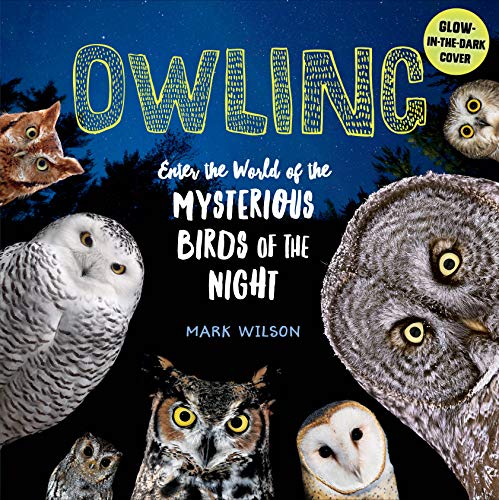
Are you fascinated by the world of owls and eager to delve deeper into their mysterious lives? Then “Owling: Enter the World of the Mysterious Birds of the Night” is the perfect guide for you. Ideal for bird enthusiasts, nature lovers, and anyone with a keen interest in wildlife photography, this book provides an immersive experience into the nocturnal world of these enchanting birds.
Pros:
- Comprehensive guide to understanding owls and their habitats.
- High-quality photographs that capture the essence of these majestic birds.
- Written by experts in the field, ensuring accurate and insightful information.
Cons:
- Limited to 120 pages, which may not satisfy those seeking an in-depth study.
- Large dimensions can make it cumbersome for casual reading.
“Owling: Enter the World of the Mysterious Birds of the Night” stands out with its stunning imagery and informative content. The book’s comprehensive coverage of owl species and their behaviors makes it an excellent resource for both beginners and seasoned bird watchers. The high-quality photographs provide a visual feast that complements the detailed narratives, making each page a journey into the lives of these captivating creatures.
The book’s expert authors share their wealth of knowledge, offering readers an insider’s view into the nocturnal activities of owls. Although the compact format limits the depth of exploration, the book makes up for it with concise, engaging content that keeps readers hooked. It’s a must-have for anyone looking to enhance their understanding of these enigmatic birds and enjoy a visually rich reading experience.
Capturing The Moment

If you are an aspiring wildlife photographer or a seasoned professional looking to hone your skills in capturing the essence of wild animals, “Capturing the Moment: The Art & Science of Photographing Wild Animals” by Kathleen Reeder is an indispensable resource. This book is perfect for those who are passionate about wildlife photography and wish to master the techniques and art involved in capturing stunning images of animals in their natural habitat.
Pros:
- Comprehensive guide with 72 pages of content.
- Authored by the experienced Kathleen Reeder.
- Offers a blend of artistic and scientific approaches.
- Published recently in 2016, ensuring up-to-date techniques.
Cons:
- May be too advanced for absolute beginners.
- Limited to wildlife photography; not applicable to other genres.
This book offers a detailed exploration of both the artistic elements and the technical skills required for successful wildlife photography. With Kathleen Reeder’s guidance, readers can learn how to approach their subjects with sensitivity and creativity, ensuring that each photo tells a compelling story. The author shares her insights on how to utilize natural light, compose shots effectively, and patiently wait for the perfect moment to capture the essence of the animal.
Furthermore, the book delves into the scientific techniques that are essential for capturing high-quality images. Kathleen Reeder explains how to use the right equipment and settings, such as choosing the appropriate camera lens and adjusting the aperture and shutter speed for various wildlife scenarios. These practical tips are invaluable for those who wish to elevate their photography skills and produce images that stand out in the competitive field of wildlife photography.
Birds Of The Pacific Northwest
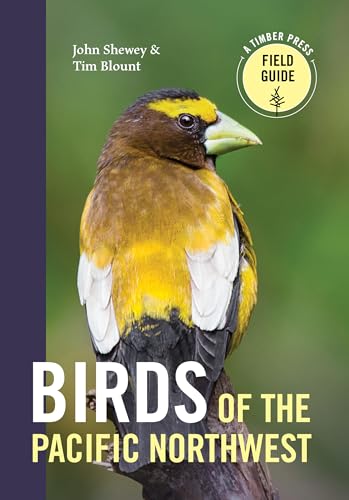
The Birds of the Pacific Northwest (A Timber Press Field Guide) is ideal for birdwatchers, nature enthusiasts, and anyone interested in identifying and learning about the diverse bird species native to the Pacific Northwest region. Whether you are a beginner looking to deepen your knowledge or an experienced birder seeking a comprehensive reference, this guide offers valuable insights tailored to your needs.
Pros:
- Comprehensive coverage of 560 bird species found in the Pacific Northwest.
- Compact and portable dimensions (8.5 x 6.15 x 0.847 inches) making it easy to carry outdoors.
- Published by the reputable Timber Press, ensuring quality and accuracy.
- Detailed illustrations and descriptions enhance bird identification skills.
- Durable and well-bound, suitable for frequent use in the field.
Cons:
- Weighs over 2 pounds, which might be slightly heavy for some users during long hikes.
- Publication date from 2017 may mean some recent bird sightings or changes are not included.
The Birds of the Pacific Northwest guide excels in providing detailed and easy-to-understand information about a wide variety of bird species. Its extensive 560-page content is designed to help users quickly identify birds through clear illustrations and concise descriptions. The book’s size balances portability with enough space to present thorough details, making it a dependable companion for outdoor birdwatching trips.
Manufactured and published by Timber Press, this field guide boasts high-quality production standards. The sturdy build and user-friendly layout allow for convenient reference even in rugged outdoor conditions. Overall, this guide enhances the birdwatching experience by combining expert knowledge with practical usability, making it a valuable addition to any naturalist’s library.
Hummingbird Watching 101

Ideal for nature enthusiasts, bird watchers, and anyone fascinated by the delicate beauty of hummingbirds, Hummingbird Watching 101: How to Observe and Identify Hummingbird Species is the perfect guide to deepen your appreciation and knowledge of these fluttering jewels. Whether you’re a beginner or looking to refine your identification skills, this book offers accessible insights to help you connect with the vibrant world of hummingbirds.
Pros:
- Concise yet informative with 51 pages of focused content
- Published recently in May 2023, ensuring up-to-date information
- Clear guidance on how to observe and identify various hummingbird species
- Engaging writing style that is easy to follow for beginners
- Helps enhance outdoor experiences and birdwatching skills
Cons:
- Limited page count may not cover all hummingbird species in depth
- Primarily focused on observation and identification, less on hummingbird behavior or habitat conservation
- May require supplemental resources for advanced study
This book excels at breaking down the essentials of hummingbird watching, offering readers practical tips on how to spot these tiny birds in their natural habitat. The clear explanations on identifying features, such as plumage colors and flight patterns, empower readers to distinguish between species with confidence. Its compact size makes it a handy companion for field trips and casual birdwatching sessions alike.
Moreover, the publication’s recent release date ensures that the content reflects the latest research and observations in the field of ornithology. By focusing on the most common and visually striking hummingbird species, the book provides a rewarding introduction that can inspire further exploration. Overall, it enriches the user’s outdoor experience by fostering a deeper connection to the natural world through the enchanting lens of hummingbird observation.
Frequently Asked Questions
What Camera Settings Work Best For Birds In Flight Photography?
Use a fast shutter speed (1/1000s or faster) to freeze motion. Set continuous autofocus and burst mode for sharp, well-timed shots. ISO should balance exposure without too much noise. Use aperture around f/5. 6 to f/8 for good depth of field.
How Can I Capture Sharp Images Of Birds In Motion?
Track the bird smoothly using continuous autofocus and burst mode. Use a telephoto lens with image stabilization. Pre-focus on a spot birds frequent. Shoot in good light to allow faster shutter speeds and reduce motion blur.
What Techniques Help Showcase Bird Wing Movement Clearly?
Use panning to follow the bird’s flight path, blurring the background. Choose a shutter speed between 1/500 and 1/1000 seconds to capture wing details. Experiment with burst mode to get the best wing positions. Shoot in bright light for clarity.
How Do I Identify Raptors While Photographing Them In Flight?
Observe wing shape, flight pattern, and size. Hawks have broad wings and soar with slow wingbeats. Use a field guide or app for quick identification. Photograph from multiple angles to capture key identification features.
What Gear Is Essential For Digital Bird Photography Outdoors?
A DSLR or mirrorless camera with fast autofocus is vital. Use a telephoto lens (300mm or longer) for close-ups. A sturdy tripod or monopod improves stability. Extra batteries and memory cards ensure longer shooting sessions. Weather protection gear is also helpful.
How To Photograph Nocturnal Birds Like Owls Effectively?
Use a fast lens with wide aperture (f/2. 8 or lower). Employ high ISO settings while managing noise. Use a spotlight or natural moonlight for illumination. Be quiet and patient to avoid disturbing the birds. Shoot in RAW for better editing flexibility.
Conclusion
Capturing birds in flight takes patience and practice. Use the right camera settings to freeze their fast movements. Focus on clean backgrounds to make birds stand out. Learn about bird behavior to predict their flight paths better. Try different angles and lighting for more interesting shots.
Keep your gear ready and always be patient. Over time, your photos will show more detail and emotion. Remember, every photo is a chance to tell a story about these beautiful creatures. Enjoy the process, and don’t rush. With simple steps and steady effort, you can improve your bird flight photography skills.
Happy shooting!




