
Capturing birds in sharp, clear photos depends on using the right camera settings. Choosing proper settings helps freeze motion and show details well.
Bird photography requires patience and good technique. Birds move fast and often appear in low light. Using a fast shutter speed stops blur from wing movement. A high ISO setting helps keep images bright without noise. Selecting the right aperture controls depth of field, making the bird stand out from the background.
Autofocus mode must track moving subjects accurately. These settings vary based on the bird’s size, behavior, and environment. Understanding these basics improves photo quality and makes shooting more enjoyable. This guide shares the best camera settings for bird photography, helping beginners and hobbyists capture stunning bird images with ease.
Mastering Bird Photography

Mastering Bird Photography: The Art, Craft, and Technique of Photographing Birds and Their Behavior is ideal for both amateur and professional photographers who have a passion for wildlife, particularly birds. If you are looking to deepen your understanding of bird behavior and improve your photography skills to capture stunning bird images, this book is an excellent resource. Nature enthusiasts, bird watchers, and anyone interested in combining art with outdoor adventure will benefit greatly from this comprehensive guide.
Pros:
- Detailed insights into bird behavior to help anticipate and capture unique moments.
- Comprehensive techniques covering both artistic and technical aspects of bird photography.
- Illustrated edition with 340 pages offering rich visual examples and practical guidance.
- Compact and portable size (8.0 x 1.0 x 10.25 inches) suitable for field use.
- Published by Rocky Nook, a reputable brand known for quality photography books.
Cons:
- Weighing over 2.3 pounds, it may be somewhat heavy for carrying on long hikes.
- Primarily focuses on birds, so it may not cover broader wildlife photography techniques.
- Publication date from 2019, some newer camera technologies may not be included.
This book stands out by combining the art and science of bird photography into one detailed manual. It offers readers an understanding of bird behavior, which is crucial for anticipating shots and capturing authentic moments in nature. The illustrated format enhances learning by providing visual examples that complement the technical instructions, making it easier for photographers at any level to grasp complex concepts.
The practical advice covers equipment selection, camera settings, and composition techniques tailored specifically for bird photography. By mastering these elements, users can significantly improve their photo quality and storytelling ability. The book’s size and detailed content make it an excellent companion for fieldwork and study, allowing photographers to apply the teachings directly in real-world situations.
Digital Photography Complete Course

The Digital Photography Complete Course: Learn Everything You Need to Know in 20 Weeks by DK is ideal for aspiring photographers, hobbyists, and beginners who want a structured, comprehensive guide to mastering digital photography. If you are someone looking to build solid foundational skills and progress to advanced techniques in a manageable, step-by-step format, this course book is perfect for you.
Pros:
- Comprehensive coverage of photography concepts over 20 weeks
- Easy-to-follow lessons suitable for beginners and intermediate users
- Richly illustrated with high-quality, multicolor images to enhance learning
- Compact and portable dimensions (9.5 x 8.0 x 1.18 inches) for easy handling
- Well-organized structure with 360 pages of detailed content
Cons:
- Publication date is from 2015, so some content may not cover the latest camera models or technology
- Heavier weight (2.8 pounds) may be less convenient for carrying around frequently
This course book by DK presents an in-depth journey through the essentials and nuances of digital photography. Its carefully structured 20-week curriculum breaks down complex topics into digestible lessons, empowering users to progressively build their skills. The inclusion of vivid, multicolor illustrations supports visual learners and helps clarify technical concepts, making it easier to understand camera settings, composition, and lighting techniques.
Additionally, the reissue edition consolidates a wealth of knowledge into a single, accessible volume of 360 pages. This allows readers to reference detailed explanations and practical tips at their own pace. Although the book is slightly dated, the fundamental principles it teaches remain relevant, providing lasting value for photographers looking to enhance their craft systematically.
The Handbook Of Bird Photography
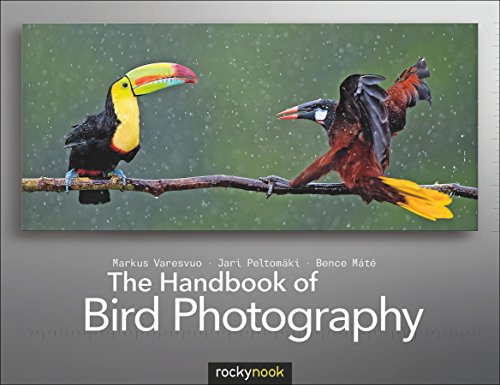
The Handbook of Bird Photography is ideal for both amateur and professional photographers who have a keen interest in capturing stunning images of birds. Whether you are a nature enthusiast, wildlife photographer, or simply someone who wants to improve your bird photography skills, this comprehensive guide offers valuable insights and practical tips tailored to your needs.
Pros:
- Comprehensive coverage of bird photography techniques and equipment.
- Detailed guidance on camera settings, composition, and lighting.
- Includes expert tips from experienced wildlife photographers.
- Well-structured with 368 pages of in-depth content.
- Compact and portable size: 8.0 inches height, 10.0 inches length, 1.1 inches width.
Cons:
- Publication date (2013) may mean some newer camera technologies are not covered.
- Weight of nearly 2.88 pounds might be slightly heavy for carrying on long field trips.
This handbook stands out by combining technical advice with artistic inspiration, making it a valuable resource for mastering bird photography. It covers everything from choosing the right gear to understanding bird behavior, enabling photographers to anticipate and capture the perfect shot. The detailed explanations on camera settings such as shutter speed, aperture, and ISO help users optimize their equipment for various lighting conditions and bird species.
Additionally, the book emphasizes composition and lighting techniques that enhance the visual impact of bird photos. With practical tips on how to approach birds ethically and patiently, readers learn to respect wildlife while achieving remarkable results. The durable and well-bound edition ensures that this guide remains a trusted companion on photography excursions. Overall, The Handbook of Bird Photography offers a blend of expert knowledge and actionable advice that benefits photographers at any skill level.
Secrets Of Backyard Bird Photography

The Secrets of Backyard Bird Photography is ideal for amateur photographers and bird enthusiasts who want to capture stunning images of birds in their natural backyard environment. If you are looking to enhance your photography skills without the need for expensive equipment or extensive travel, this book offers practical guidance tailored for home settings.
Pros:
- Provides clear, step-by-step techniques for photographing backyard birds.
- Compact and easy-to-handle size with 128 pages packed with valuable insights.
- Published by Rocky Nook, a trusted name in photography literature.
- Focuses on accessible methods suitable for beginners and intermediate photographers.
- Offers tips on equipment, settings, and timing to improve photo quality.
Cons:
- Limited to backyard bird photography; may not cover advanced or exotic bird photography techniques.
- First edition published in 2014, so some technological aspects might be slightly outdated.
This book emphasizes practical features such as lighting, composition, and patience, all crucial for capturing the best shots of birds in a familiar environment. The detailed descriptions and examples help readers understand how to make the most of natural light and how to use simple equipment effectively. The manageable size and weight make it a convenient reference to carry outdoors.
Additionally, the Secrets of Backyard Bird Photography guides users on how to attract birds and position themselves for optimal shots without disturbing their subjects. This approach not only improves photo quality but also enhances the overall birdwatching experience. By following the techniques outlined, users can expect to develop a deeper appreciation for backyard wildlife while producing impressive photographs.
Learn The Art Of Bird Photography

The ideal customer for “Learn the Art of Bird Photography: The Complete Field Guide for Beginning and Intermediate Photographers and Birders” is an aspiring photographer or bird enthusiast who is eager to capture stunning images of birds in their natural habitats. Whether you’re a beginner looking to start your journey into bird photography or an intermediate photographer aiming to refine your skills, this comprehensive guide offers invaluable insights and techniques to elevate your craft.
Pros:
- Comprehensive coverage of both photography techniques and birding tips.
- User-friendly format suitable for beginners and intermediate photographers.
- Portable dimensions make it easy to carry along on photography excursions.
Cons:
- Limited to 154 pages, which might not cover advanced techniques in depth.
- Published in 2018, some information may not reflect the latest advancements in photography technology.
This guide stands out for its detailed exploration of both the artistic and technical aspects of bird photography. It emphasizes understanding bird behavior, which is crucial for capturing the perfect shot. The book’s structured approach helps photographers develop a keen eye for detail, ensuring they can anticipate moments worth capturing. Additionally, the emphasis on various camera settings and lighting conditions is beneficial in mastering the art of photography.
Furthermore, the portable design of the book, with its manageable dimensions and weight, makes it an excellent companion for fieldwork. The ability to have this resource on hand allows photographers to quickly reference techniques and tips while out in nature. The combination of practical advice and inspirational content encourages photographers to experiment and improve their skills continually.
Bird Photography

The book Bird Photography: A Beginner’s Guide to Mastering the Art of Capturing Stunning Images of Birds is ideal for aspiring photographers who have a passion for nature and want to develop their skills in bird photography. Whether you are a complete novice or someone looking to refine basic techniques, this guide provides a clear and concise introduction to capturing breathtaking bird images. It is perfect for hobbyists, wildlife enthusiasts, and anyone eager to explore the art of photography with a focus on avian subjects.
Pros:
- Concise and easy-to-understand content tailored for beginners
- Provides practical tips on equipment and shooting techniques
- Compact size (Height: 11.0 inches, Width: 0.16 inches, Length: 8.5 inches) makes it portable for field use
- Published by a reputable source, CreateSpace Independent Publishing Platform
- Includes 66 pages packed with valuable insights and examples
Cons:
- Limited depth due to the relatively short length
- Publication date (2017) means some newer photography technologies might not be covered
- Primarily focuses on beginners, so advanced photographers may find it too basic
This guidebook emphasizes fundamental techniques for capturing sharp, vivid images of birds, addressing challenges such as lighting, composition, and timing. Readers will learn how to select the appropriate camera gear and settings for various bird photography scenarios, enabling them to enhance image quality and creative expression. The structured approach ensures that beginners can gradually build confidence and skill without feeling overwhelmed.
Additionally, the book highlights the importance of patience and understanding bird behavior to anticipate moments worth capturing. By following the advice provided, users can improve their ability to photograph birds in natural environments effectively. Overall, this beginner-friendly guide offers a valuable resource for anyone looking to start or improve their journey in bird photography.
How To Master Digital Bird Photography

Ideal for aspiring photographers and nature enthusiasts, How To Master Digital Bird Photography: A Comprehensive Guide is perfect for those looking to enhance their skills in capturing stunning bird images using digital equipment. Whether you’re a beginner eager to learn the basics or an intermediate photographer aiming to refine your techniques, this guide offers valuable insights tailored to your needs.
Pros:
- Comprehensive coverage of digital bird photography techniques
- Step-by-step instructions suitable for all skill levels
- Published by reputable Loons Press ensuring quality content
- Includes up-to-date information as of its 2024 edition
- Practical tips for both equipment setup and fieldwork
Cons:
- Limited to digital photography; does not cover film photography
- May require some prior knowledge of basic camera operations
- Focused exclusively on bird photography, not broader wildlife subjects
The guide dives deep into essential aspects of digital bird photography, from selecting the right gear to mastering camera settings like shutter speed and aperture. By understanding these features, users can capture sharper, more vibrant bird images, making each shot count. The book also discusses composition and lighting techniques, helping photographers create visually compelling photos that stand out.
Additionally, the guide offers practical advice on fieldwork strategies, such as scouting locations and understanding bird behavior, which greatly increases the chances of successful shoots. With its detailed instructions and expert tips, readers gain confidence and improve their photographic outcomes, making How To Master Digital Bird Photography a valuable resource for anyone passionate about capturing the beauty of birds in the digital age.
World’s Best Photographer Log Book

The World’s Best Photographer: Log Book for Photography Sessions and Setting is an essential tool for both amateur and professional photographers who want to meticulously track and improve their photography sessions. Ideal for those who are serious about honing their craft, this log book provides a structured way to document each session’s details, making it perfect for photographers looking to enhance their skills, organize their work, and maintain a thorough record of their creative journey.
Pros:
- Compact size makes it easy to carry.
- 122 pages offer ample space for extensive notes.
- Independently published, supporting small businesses.
- Durable design ensures longevity.
Cons:
- Limited to 122 pages, requiring frequent replacement for frequent users.
- Basic design may not appeal to those seeking a more personalized aesthetic.
The World’s Best Photographer: Log Book is designed with the photographer’s workflow in mind. Measuring 9.0 inches by 6.0 inches, it is compact enough to fit into most camera bags, ensuring it is always within reach during sessions. The 0.31-inch thickness and a weight of 0.53 pounds make it lightweight, so it won’t add unnecessary bulk. These dimensions and weight are particularly beneficial for photographers who travel frequently and need to keep their gear light.
With 122 pages, photographers have plenty of space to document each shoot’s settings, locations, and creative notes. This allows users to reflect on their work, identify patterns, and make improvements. Additionally, being independently published, this log book supports small businesses, and it comes with the unique charm and personal touch that mass-produced alternatives may lack. This can be an attractive feature for photographers who appreciate supporting independent creators and owning unique products.
World’s Best Photographer: Log Book For Photography Sessions And Setting
The World’s Best Photographer: Log Book for Photography Sessions and Setting is an ideal purchase for both professional and amateur photographers who want to meticulously document their photography projects. If you are someone who values organization, wants to track your progress, or needs a handy reference for past shoots, this log book is designed specifically for you. It also makes an excellent photographer gift for friends or family members passionate about photography.
Pros:
- Compact and portable size with dimensions of 9.0 x 6.0 x 0.31 inches, making it easy to carry on shoots.
- Contains 122 pages dedicated to recording detailed photography session information.
- Published by an independent publisher, offering a unique and specialized product.
- Helps photographers track settings, locations, and outcomes to improve future shoots.
- Durable design suitable for frequent use in various shooting environments.
Cons:
- Limited to written documentation; no digital or app integration.
- May not suit photographers who prefer fully digital record-keeping solutions.
- Publication date from 2020, so newer photography trends or techniques may not be included.
This log book offers a practical and organized way for photographers to keep detailed notes on their sessions, including camera settings, location details, and lighting conditions. Such thorough documentation can enhance a photographer’s ability to replicate successful shots and learn from past experiences, ultimately improving their craft. Its compact size ensures that it can easily accompany photographers on the go without adding bulk to their gear.
Beyond just being a simple notebook, the World’s Best Photographer Log Book fosters better project management and creativity by encouraging users to reflect on each shoot. Whether you are experimenting with new techniques or managing multiple client sessions, this log book becomes a valuable tool for streamlining your workflow and preserving your photographic journey.
Pet Photography
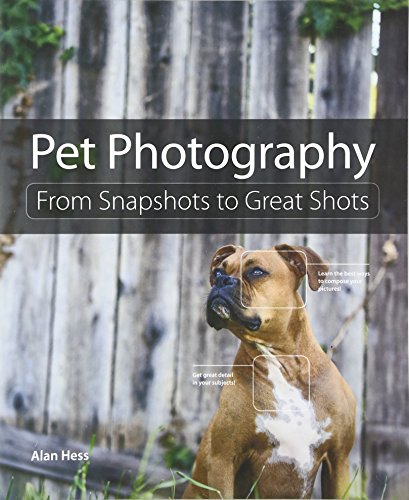
Pet Photography: From Snapshots to Great Shots is ideal for pet owners, amateur photographers, and animal lovers who want to capture stunning images of their furry friends. Whether you’re new to photography or looking to enhance your skills specifically for pets, this book offers practical guidance to transform simple snapshots into memorable, high-quality photos.
Pros:
- Comprehensive guide tailored specifically to pet photography.
- Provides easy-to-follow tips for both beginners and intermediate photographers.
- Includes techniques to capture pets’ personality and behavior effectively.
- 230 pages packed with valuable insights and practical advice.
- Compact and lightweight design makes it easy to carry during photo sessions.
Cons:
- Published in 2014, some techniques may be slightly outdated with modern camera technology.
- Focuses primarily on natural light photography, with less emphasis on studio setups.
- Limited edition content, as it is the 1st edition.
This book’s detailed approach to pet photography helps readers understand how to work with animals, anticipate their movements, and create compelling compositions. By emphasizing natural light and simple equipment, it makes it accessible for anyone to start capturing beautiful images without needing expensive gear. The practical advice on timing, patience, and engaging pets ensures that photographs reflect genuine emotion and character.
Measuring 9.25 inches in height and weighing just over a pound, this compact volume is designed to be a handy reference during photo sessions. Published by Peachpit Press, it offers reliable and well-structured content that covers everything from camera settings to creative techniques. Whether you want to preserve memories of your own pets or develop skills for professional pet photography, this book provides a solid foundation to elevate your work from casual snapshots to great shots.
Frequently Asked Questions
What Camera Settings Work Best For Bird Photography?
Use a fast shutter speed (1/1000s or faster) to freeze motion. Set ISO to 400-800 for clarity. Use aperture f/5. 6-f/8 for sharp focus and background blur.
How Do I Adjust Iso For Bird Photography?
Increase ISO in low light to maintain fast shutter speeds. Keep ISO as low as possible to reduce noise. Balance ISO, shutter speed, and aperture for sharp, clear images.
Which Lens Is Ideal For Bird Photography?
A telephoto lens (300mm or longer) is best to capture distant birds. Use lenses with image stabilization for sharper shots. Fast lenses (f/4 or wider) help in low light.
How To Focus Quickly On Fast-moving Birds?
Use continuous autofocus (AI Servo/AF-C mode) to track moving birds. Select a single focus point or zone for precise focusing. Practice panning to improve tracking accuracy.
What Settings Enhance Bird Feather Details?
Use a smaller aperture (f/8-f/11) for greater depth of field. Ensure good lighting to reveal feather texture. Use a tripod or stabilization for sharper images.
How To Shoot Birds In Different Lighting Conditions?
In bright light, use lower ISO and faster shutter speed. In low light, increase ISO and use wider aperture. Adjust exposure compensation to avoid over or underexposure.
Conclusion
Choosing the right settings is key to capturing beautiful bird photos. Use fast shutter speeds to freeze motion and avoid blur. Set a wide aperture to focus on the bird and blur the background. Adjust ISO carefully to keep images clear without too much noise.
Be patient and ready to change settings as light and bird behavior shift. Practice often to improve your skills and understand how different settings affect your shots. Remember, good bird photography combines technical knowledge with patience and observation. Keep learning from trusted guides and real experience.
Every photo is a chance to see nature’s beauty up close. With time, your pictures will show the unique charm of each bird. Keep your camera ready, and enjoy the process of capturing these amazing creatures in their natural world.




