
Have you ever found a feather and wondered which bird it came from? Identifying a bird feather can feel like solving a mystery.
But with a few simple tips, you can learn to recognize key features that reveal its origin. Imagine how exciting it would be to tell your friends exactly which bird left that feather behind. You’ll discover easy ways to spot the differences in size, shape, color, and texture.
By the end, you’ll have the confidence to identify bird feathers whenever you find them. Ready to become a feather detective? Let’s get started!
Feather Types
Bird feathers come in different types, each serving a special purpose. Identifying these types helps understand birds better. Feathers vary in size, shape, and function. Some help birds fly, others keep them warm or waterproof.
Flight Feathers
Flight feathers are strong and long. They attach to the wings and tail. These feathers help birds fly and steer. They have a stiff central shaft with closely knit barbs. Usually, they are darker and more rigid than other feathers.
Contour Feathers
Contour feathers cover the bird’s body, giving shape and color. They smooth the bird’s outline and protect it. These feathers overlap like roof tiles. They help birds stay waterproof and warm. Contour feathers are softer than flight feathers but still firm.
Down Feathers
Down feathers lie beneath the contour feathers. They are soft and fluffy. Their main job is insulation. Down traps air close to the bird’s skin to keep it warm. These feathers do not have the stiff shaft found in flight feathers.
Semiplume Feathers
Semiplume feathers sit between contour and down feathers. They are soft like down but have a small shaft. They add insulation and help smooth the bird’s body shape. Semiplume feathers fill gaps and give a fluffy look.
Credit: www.knau.org
Key Feather Features
Understanding key feather features is essential if you want to identify bird feathers accurately. Each feather tells a story through its size, shape, color, and structure. Paying attention to these details helps you connect the feather to a specific bird species or at least narrow down your options.
Size And Shape
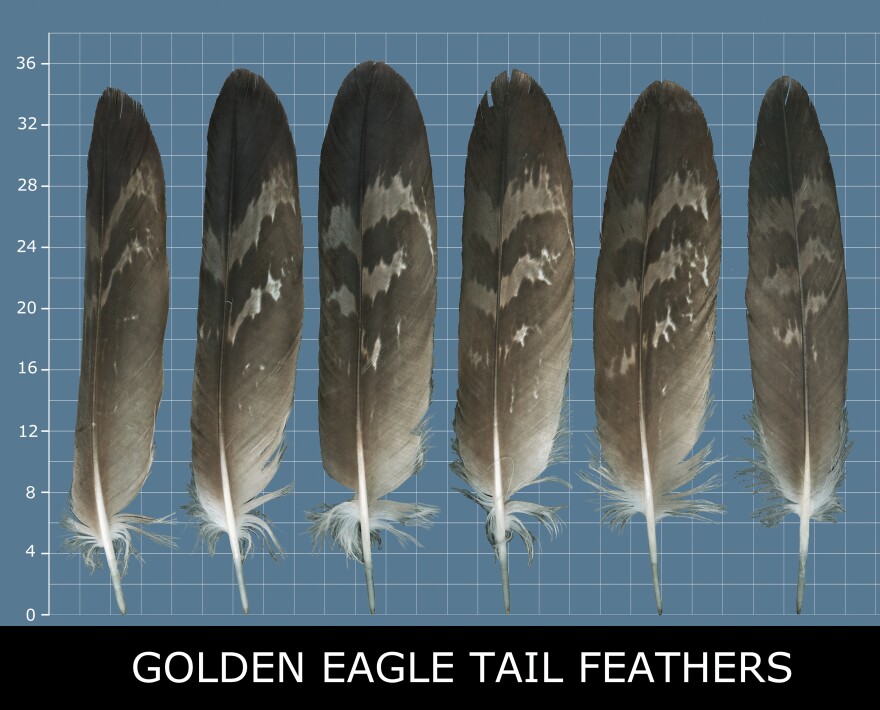
Feather size varies widely depending on its location on the bird’s body. Wing feathers tend to be long and stiff for flight, while body feathers are smaller and softer. Have you ever found a feather so large it could almost be a ruler? That likely came from a large bird like a hawk or eagle.
The shape also gives clues—some feathers are pointed, ideal for speed, while others are rounded to aid in silent flight, like those of owls. Notice the curve and tapering; these traits are often unique to certain bird groups.
Color Patterns
Color is one of the most striking features to observe. Look for distinct patterns such as spots, stripes, or bands. These markings can be a fingerprint for species identification.
Colors may also fade over time, so don’t rely solely on vibrancy. Some feathers have iridescence, changing color with light angle—a fascinating detail that can help you pinpoint birds like hummingbirds or starlings.
Barb And Barbule Structure
On a closer look, feathers are made of barbs and barbules—tiny structures that hook together to keep the feather smooth and aerodynamic. Some feathers have closely packed barbs that create a solid surface, while others are loose and fluffy.
This difference affects the feather’s function. For example, down feathers have loose barbs for insulation, while flight feathers have tight barbs for strength. Have you tried running your fingers along a feather? The texture you feel reflects these microscopic features.
Shaft Characteristics
The central shaft, or rachis, supports the feather. It can be thick and rigid or thin and flexible, depending on the feather’s role. A strong shaft is typical in flight feathers, while body feathers have thinner shafts.
Look for color variations in the shaft too—some are dark, others pale or even translucent. These subtle differences can offer additional clues about the feather’s origin. Next time you pick up a feather, examine the shaft closely; it might reveal more than you expect.
Common Feather Colors And Markings
Feathers come in a stunning variety of colors and patterns that can tell you a lot about the bird they came from. Recognizing common feather colors and markings can make identifying bird species easier and more fun. Pay close attention to these details—sometimes a small stripe or a single spot holds the key to unlocking the feather’s origin.
Solid Colors
Some feathers show a single, solid color, which might seem simple but can be very telling. A pure white feather often points to waterfowl like swans or gulls, while deep black feathers might belong to crows or ravens.
Have you ever found a bright red or blue feather? These bold colors often come from birds like cardinals or blue jays. Notice the shade and intensity—these subtle differences can help you narrow down the species.
Stripes And Bands
Stripes or bands across feathers are common and vary widely among bird species. You might see alternating dark and light bands that serve as camouflage or signaling.
Owls often have feathers with horizontal bands, helping them blend into tree bark. Woodpeckers, on the other hand, show vertical stripes or bands that are very distinctive. Spotting these patterns can guide you towards the right family of birds.
Spots And Speckles
Spotted or speckled feathers are fascinating because the size, shape, and arrangement of spots differ a lot. Some birds, like thrushes and grouse, have feathers dotted with small, round spots that help break up their outline.
Look closely at the spots—are they clustered or spread out? Are they light on a dark background or dark on a light one? These details can be critical clues in your feather identification journey.
Iridescence
Iridescent feathers shimmer with changing colors depending on the light angle. This effect is common in birds like starlings, grackles, and hummingbirds.
Have you noticed a feather that shifts from green to purple in sunlight? That’s iridescence at work. These feathers are often harder to photograph but easier to recognize in person if you move them gently in the light.

Credit: www.featherbase.info
Tools For Feather Identification
Identifying a bird feather can feel like solving a small mystery. The right tools make this process easier and more accurate. Whether you’re a beginner or have some experience, having the proper resources can help you learn quickly and enjoy the discovery.
Field Guides
Field guides are essential tools for anyone interested in feather identification. These books often include detailed pictures and descriptions of feathers from various bird species. You can compare your feather directly with the images and notes, helping you narrow down possibilities.
Choose a guide that focuses on your region or the type of birds you are most interested in. Some guides are specifically designed for feathers, while others cover whole birds but include feather sections. Keep a field guide handy during your outdoor adventures—you’ll be surprised how often it comes in useful.
Magnifying Glass
A magnifying glass lets you see the fine details of a feather up close. Patterns, barbs, and color variations become clearer, which are crucial clues for identification. Even a small handheld magnifier can reveal these details better than the naked eye.
When you’re examining feathers, look for the shape of the tip, the texture, and any unique markings. These small features often differentiate one species from another. Have you ever noticed how a simple tool like this can change your whole perspective on a feather?
Feather Identification Apps
Technology offers new ways to identify feathers quickly. Several apps let you upload photos of your feather and provide possible matches. These apps often use vast databases and machine learning to suggest species based on color, shape, and size.
Using an app can speed up your identification process, especially when you are unsure where to start. Some apps also allow you to track your finds and share them with a community of bird lovers. Try using an app alongside traditional methods to see which works best for you.
Online Databases
Online databases are treasure troves of feather information, often maintained by museums or bird research groups. These sites provide high-resolution images, measurements, and detailed descriptions that you can access anytime. They cover thousands of species and are regularly updated.
You can search by feather type, color, or bird species, making your investigation more targeted. Many databases also include user forums or expert contacts for additional help. Have you checked out any online feather collections yet? They might change the way you identify feathers forever.
Where To Find Feathers
Finding bird feathers can be a fascinating part of nature exploration. Feathers often tell stories about the birds that live nearby. Knowing where to find them helps in identifying these birds better. Feathers appear in many places around natural environments. Some spots are more common than others for finding loose feathers.
Natural Habitats
Bird feathers often lie scattered in natural habitats. Look near trees, bushes, and water sources. Forest floors and grasslands hold many feathers. Feathers blow off during flights or rests. Soft ground or leaf piles catch falling feathers well.
Bird Nests
Nests contain feathers used for lining and comfort. These feathers come from the bird itself or from other birds. Check old nests after the breeding season. Be gentle and avoid disturbing active nests. Feathers here can show species and nesting habits.
Feather Piles
Some birds clean and discard old feathers in piles. These piles form near favorite resting spots. Look under branches or near feeding areas. Feather piles can have different types and colors. They give clues about local bird populations.
After Moulting Seasons
Moulting is when birds shed old feathers for new ones. After moulting, feathers lie thick on the ground. Spring and late summer are common moulting times. Collect feathers from open fields and parks. These feathers help identify species changing their plumage.

Credit: www.reddit.com
Ethical Considerations
Respecting wildlife is key when handling bird feathers. Avoid taking feathers from protected species or nests to stay ethical. Always follow local laws and guidelines to protect birds and their habitats.
Identifying bird feathers can be a fascinating journey into the world of avian wonders. However, it’s crucial to approach this hobby with a sense of responsibility and ethics. As you admire these natural treasures, consider the ethical implications of your actions. Are you aware of the laws that govern feather collection? Do you respect the creatures that leave these feathers behind? Let’s explore the ethical considerations involved in identifying bird feathers.Legal Restrictions
Did you know that in many countries, it’s illegal to collect bird feathers? Laws like the Migratory Bird Treaty Act in the United States protect all native bird species, prohibiting the possession of feathers, nests, or eggs. Before you pick up that beautiful feather, ensure you know the regulations in your area to avoid legal trouble.Respecting Wildlife
Birds are more than just their feathers. They are living creatures that play a vital role in our ecosystem. By respecting their space and not disrupting their natural habitats, you contribute to their well-being. Consider how your actions might impact these feathered friends.Avoiding Disturbance
When you find a feather, resist the urge to disturb the surrounding area. Birds often lose feathers during molting or preening, which is a natural process. Avoid trampling through nesting sites or areas where birds are active, as this can cause unnecessary stress and disruption.Collecting Guidelines
If you’re considering starting a feather collection, it’s essential to follow ethical guidelines. Focus on feathers that you find naturally on the ground rather than attempting to pluck them from birds. This ensures that your hobby is sustainable and respectful. By keeping these ethical considerations in mind, you can enjoy the beauty of bird feathers while ensuring that you’re not causing harm to the creatures you admire. So, next time you spot a feather, take a moment to ponder its journey and the bird it once belonged to.Common Mistakes To Avoid
Mistaking plant fibers or debris for feathers is common. Ignoring size and shape differences can lead to wrong identification. Focus on texture and color patterns to avoid errors.
Identifying bird feathers can be fun and educational. Yet, many make common mistakes during the process. These errors can lead to incorrect conclusions and missed insights. Awareness of these pitfalls enhances your feather identification skills. Here are some common mistakes to avoid.Confusing Similar Species
Many birds have similar feathers. This confuses even experienced bird watchers. Pay attention to small details. Size, shape, and markings matter. A hawk and an owl may have similar feathers. Yet, their patterns and sizes differ.Ignoring Feather Condition
Feathers can be damaged or worn. This affects their appearance. A worn feather may look different from a fresh one. Consider the feather’s condition when identifying. A broken or frayed edge can mislead. Always observe carefully.Overlooking Context
The environment provides clues about the feather’s origin. Consider where you found it. Forests, wetlands, and urban areas host different birds. Look around for signs of bird activity. Droppings, nests, or sounds can give hints.Relying On Color Alone
Colors can be misleading. Lighting and age affect feather color. Many birds share similar hues. Don’t base identification on color alone. Check patterns and shapes too. This ensures accurate identification.Practice Tips For Accurate Id
Practice is key to identifying bird feathers accurately. Regularly working with real feathers sharpens your eye. Learning to see small differences helps you tell species apart quickly. Consistency improves your confidence and skill over time.
Comparing Multiple Feathers
Gather several feathers from different birds for side-by-side comparison. Notice variations in size, color, and shape. This practice reveals unique feather patterns and markings. Use a magnifying glass to see fine details clearly. Comparing often helps spot subtle differences.
Documenting Finds
Write down details about each feather you find. Include location, date, and feather type. Take clear photos from different angles. Organize your notes in a notebook or digital file. Documentation builds a useful reference for future IDs.
Joining Birding Communities
Connect with other bird feather enthusiasts online or locally. Share your photos and ask for ID help. Learn from others’ experiences and tips. Community feedback improves your skills faster. Join forums, social media groups, or local bird clubs.
Continuous Learning
Read books and watch videos about bird feathers regularly. Study different bird species and their feather types. Attend workshops or birding events when possible. Practice identifying feathers often to keep skills sharp. Learning never stops in birding.
Frequently Asked Questions
What Features Help Identify A Bird Feather Type?
Key features include size, shape, color, and pattern. Examine the feather’s vane, shaft, and tip. These details reveal if it’s a flight, contour, or down feather. Unique markings can link feathers to specific bird species.
How Can Feather Color Indicate Bird Species?
Feather color varies widely among birds and helps in identification. Bright or unique hues often point to specific species. Patterns like spots or stripes provide additional clues. Color alone isn’t enough but is a crucial first step.
Why Is Feather Texture Important In Identification?
Texture reveals the feather’s function and bird type. Flight feathers are stiff and strong. Down feathers are soft and fluffy for insulation. Contour feathers have smooth, sleek textures for streamlined bodies.
Can Feather Size Determine The Bird’s Size?
Yes, larger feathers typically come from larger birds. Wing and tail feathers often reflect the bird’s overall size. However, feather size alone isn’t definitive. Combine size with other features for accurate identification.
Conclusion
Identifying bird feathers takes practice and patience. Notice the color, size, and shape closely. Each feather tells a story about its bird. Use simple guides to compare and learn more. Keep exploring nature with curiosity and care. Every feather you find brings new knowledge.
Soon, recognizing feathers will feel natural and fun. Enjoy the journey of discovery outside.




