
Have you ever wondered why some people seem drawn to those who are very different from them, while others stick close to those who share their interests and values? Is it true that opposites attract, or do birds of a feather really flock together?
This question touches something deep inside you—your relationships, your friendships, even your work connections. Understanding how and why you connect with others can change the way you see the people around you and improve your own relationships. Keep reading, because what you discover here might surprise you and help you build stronger, more meaningful bonds.
Opposites Attract Theory
The Opposites Attract theory suggests that people with different personalities often feel drawn to each other. This idea challenges the belief that we only connect with those like ourselves. It sparks curiosity about what makes relationships work despite differences.
Many find this theory exciting because it explains why some couples seem so different yet deeply connected. It raises questions about balance, growth, and attraction in human relationships.
Origins And Popularity
The Opposites Attract idea goes back to ancient times. Philosophers noticed people often paired with those unlike themselves. The phrase became popular in the 20th century, especially in movies and books.
This theory gained attention as a way to explain surprising relationships. It became a common topic in psychology and everyday conversations about love.
Psychological Basis
Psychologists say differences can create attraction through curiosity and excitement. Opposite traits may complement each other in daily life. For example, a calm person might balance a more energetic partner.
Some studies show people seek traits they lack to grow and learn. Differences can spark new experiences and fresh views. Yet, too much difference can cause conflict.
Examples In Relationships
- A shy person pairs well with someone outgoing.
- An organized individual complements a spontaneous partner.
- A logical thinker matches with a creative soul.
- A quiet homebody enjoys the company of an adventurous mate.
These examples show how opposites can create harmony. Differences bring variety and balance to relationships. They help couples support and challenge each other.
Birds Of A Feather Concept
The Birds of a Feather concept suggests that people tend to connect with others who share similar traits, interests, or values. This idea challenges the popular belief that opposites attract, pointing instead to the comfort and ease found in similarity. Understanding this concept can help you recognize why certain relationships feel more natural and enduring.
Shared Interests And Values
When you and someone else enjoy the same activities or hold similar beliefs, it creates a strong foundation. Imagine meeting a friend who loves hiking as much as you do—your shared enthusiasm leads to more meaningful conversations and fun experiences. These commonalities reduce conflicts and make spending time together feel effortless.
Social And Cultural Factors
Your background shapes your worldview and daily habits. People from similar social or cultural environments often understand each other’s norms and expectations without needing much explanation. This familiarity can make relationships smoother, whether they are friendships or romantic partnerships.
Impact On Long-term Bonds
Relationships built on shared ground tend to last longer because they support mutual understanding and respect. When you and your partner or friend align on core values, you’re more likely to navigate challenges successfully. Have you noticed that your closest relationships often involve people who think and act in ways similar to you?
Scientific Research Findings
Scientific research offers fascinating insights into whether opposites truly attract or if birds of a feather flock together. These studies dive into human behavior, preferences, and relationship dynamics to understand what draws people together. The findings reveal a complex picture that might challenge what you expect about attraction and compatibility.
Studies Supporting Opposites Attract
Some research shows that people are drawn to partners who complement their traits rather than mirror them. For example, individuals with outgoing personalities might seek someone more reserved, creating a balance in the relationship. This can bring new perspectives and keep interactions fresh.
One study found couples with differing strengths often reported higher satisfaction, suggesting that differences can create a stronger bond. Think about how your own relationships might benefit from traits you don’t naturally possess.
Studies Supporting Similarity
On the other hand, many studies highlight the importance of similarity in values, interests, and backgrounds. Shared habits and beliefs tend to reduce conflict and increase understanding between partners. When your partner thinks and feels like you, communication often flows more smoothly.
Research also shows that people often choose partners with similar education levels and social status. This common ground can build trust and a sense of stability. Have you noticed how much easier it is to connect with someone who sees the world like you do?
Mixed Results And Interpretations
Interestingly, some research finds evidence for both attraction to similarity and attraction to differences. It suggests that the stage of the relationship plays a role—opposites might attract initially, but similarity helps sustain the relationship long-term. This dual nature challenges you to think about what you value most in your connections.
Other factors like personality, cultural background, and life goals also influence these outcomes. What this means for you is that attraction isn’t one-size-fits-all—your unique mix of traits and experiences shapes what works best. Could your own relationship be thriving because of a blend of both similarity and difference?

Credit: www.redbubble.com
Personality And Compatibility
Personality and compatibility are intriguing topics when it comes to relationships. Do opposites really attract, or do we find comfort in those who are like us? These questions have sparked debates for years, diving deep into how personality traits influence our connections with others.
Role Of Personality Traits
Personality traits shape how we view the world and interact with people. They can dictate whether we are drawn to someone who challenges us or someone who mirrors our values and interests. Think about your own friendships and relationships. Do you tend to get along better with those who share your humor or those who offer a contrasting perspective?
Complementary Vs. Similar Traits
There is a fascinating dynamic between complementary and similar traits. Some people find that opposites ignite passion and keep things exciting. Others argue that shared traits provide stability and understanding.
Consider your own experiences. Have you ever felt that a partner’s opposite trait balanced you out, or did it drive you crazy? On the other hand, do shared traits create a sense of harmony, or do they lead to stagnation?
Case Studies
Research and case studies offer insights into how personality traits affect compatibility. A study of successful couples might reveal that they share core values, even if their personalities differ. In contrast, friendships might thrive on differences that bring new perspectives.
Reflect on a relationship you admire. What do you think contributes to its success? Understanding these dynamics can help you assess your own relationships and what you value in others.
Relationship Dynamics
Understanding relationship dynamics is essential to figuring out whether opposites truly attract or if birds of a feather flock together. How two people interact daily, handle challenges, and find common ground shapes the strength and quality of their bond. Your experience might reveal surprising truths about what really keeps a connection alive.
Conflict And Harmony
Differences often spark conflict, but they can also create harmony if handled well. When you and your partner have contrasting views, it’s easy to get frustrated, yet those moments can push both of you to grow emotionally. Have you noticed that some disagreements actually lead to deeper understanding rather than division?
Harmony doesn’t mean agreeing on everything; it means respecting your differences and finding ways to balance them. Couples who navigate conflict with curiosity instead of judgment often build a stronger foundation. Think about a time when a disagreement helped you learn something new about your partner or yourself.
Growth Through Differences
Differences can be a source of personal and relational growth. When you’re with someone who challenges your beliefs or habits, it can open doors to new perspectives. Imagine how your patience or communication skills might improve simply because you’re adapting to someone unlike you.
Yet, growth requires effort and willingness from both sides. If you’re eager to understand your partner’s world, you’ll likely discover new strengths in yourself. How open are you to stepping outside your comfort zone for the sake of your relationship?
Comfort In Similarity
Similarity offers a kind of comfort that feels safe and predictable. When you share values, interests, or communication styles, it’s easier to connect without constant adjustments. This comfort can build a sense of stability and ease in your relationship.
However, comfort doesn’t guarantee excitement or growth. You might find yourself wondering if your relationship feels too routine. Do you sometimes crave new experiences or viewpoints to keep the spark alive?
Balancing comfort and challenge is key. Reflect on how your similarities support your bond and where differences might add unexpected value.
.jpg)
Credit: www.peoplehum.com
Cultural And Social Influences
Cultural and social influences play a powerful role in shaping how people choose their partners. These forces often guide whether you feel drawn to someone similar or completely different from yourself. Understanding these influences can help you see beyond personal preferences and recognize the bigger picture behind attraction.
Cultural Norms And Expectations
Culture sets the rules for what is considered an ideal relationship. In some societies, marrying within your community or social group is encouraged, reinforcing the idea that “birds of a feather flock together.”
On the other hand, cultures that value diversity or have a history of blending different groups may support the idea that opposites attract. Have you noticed how family expectations or traditions might subtly push you toward certain types of partners?
Social Circles And Matching
Your social circle often determines who you meet and connect with. People tend to date within their circles because shared interests and values are common, making relationships smoother and more predictable.
Think about your own experience: How often have you found yourself attracted to someone outside your usual group? Sometimes, stepping outside your social comfort zone can reveal unexpected connections that challenge the “birds of a feather” rule.
Media Portrayals
Movies, TV shows, and books shape your ideas about relationships. Media often dramatizes the “opposites attract” storyline because it creates tension and excitement, even if it’s not always realistic.
At the same time, many romantic comedies and dramas show couples with similar backgrounds and personalities living happily ever after, reinforcing the “birds of a feather” concept. Which types of couples do you find yourself rooting for, and why?
Practical Advice
Opposites often bring excitement, while similar traits create comfort and understanding. Both can shape strong relationships in different ways. Finding balance between differences and similarities matters most.
When navigating the complex terrain of relationships, understanding whether opposites truly attract or if birds of a feather flock together can be both enlightening and perplexing. The real question is, how do you apply this wisdom to cultivate a healthy and harmonious relationship? Below, you’ll find practical advice that can help you find the right balance, spot potential red flags, and build strong, nurturing connections.Finding Balance
Striking the right balance between differences and similarities is crucial. Reflect on what truly matters to you in a relationship. Do you value shared interests, or are you excited by contrasting personalities? Try to engage in activities that both of you enjoy, while also exploring new experiences that might be outside your comfort zone. It’s important to have common ground, but don’t shy away from embracing unique traits that can add spice to your relationship.Recognizing Red Flags
Being aware of red flags can save you from future heartache. Pay attention to how differences impact your relationship. Are they causing frequent conflicts or misunderstandings? Trust your instincts. If certain behaviors consistently make you uncomfortable or unhappy, it might be time to reassess the compatibility of your partnership. Remember, it’s okay to walk away if your needs aren’t being met.Building Healthy Relationships
A healthy relationship thrives on mutual respect and understanding. Always communicate openly and honestly with your partner. Address issues head-on rather than letting them fester. Celebrate each other’s strengths and support each other’s weaknesses. Encourage growth and change, as these are vital to a lasting bond. What steps will you take today to nurture a fulfilling relationship?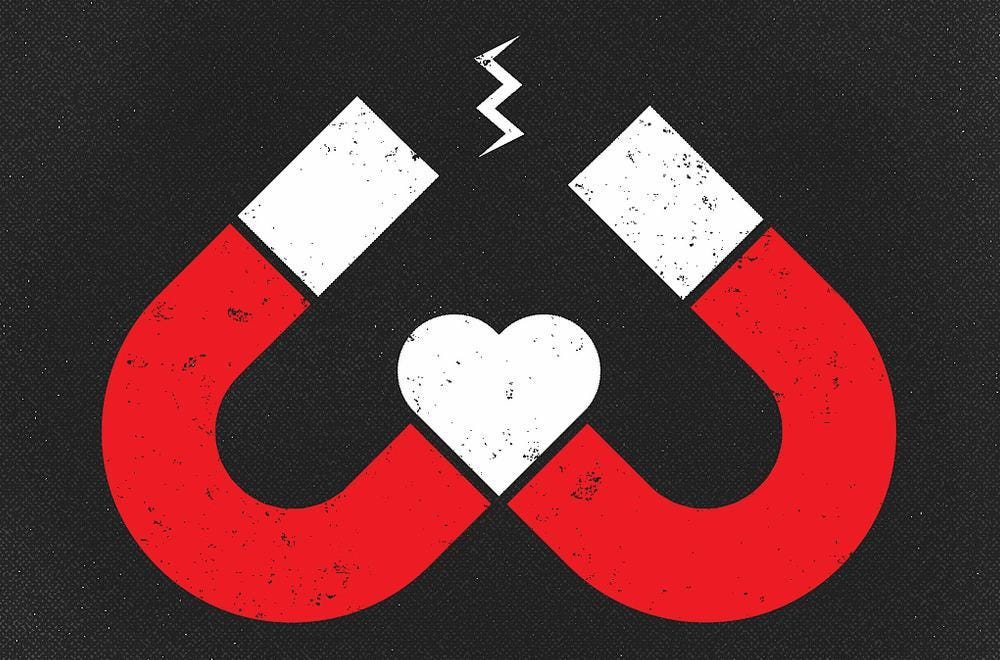
Credit: medium.com
Frequently Asked Questions
Do Opposites Really Attract In Relationships?
Opposites can attract due to novelty and curiosity. However, lasting relationships often need shared values and interests. Differences may spark initial excitement, but common ground builds deeper bonds over time.
What Does “birds Of A Feather Flock Together” Mean?
This phrase means people with similar traits or interests tend to group together. Shared values and hobbies create comfort and understanding, promoting stronger and more harmonious relationships.
Which Is Better: Similarity Or Difference In Couples?
Similarity often leads to better communication and fewer conflicts. Differences can add excitement but may cause misunderstandings. A balance of both can create a dynamic and fulfilling relationship.
Can Opposites Complement Each Other In Love?
Yes, opposites can complement by balancing strengths and weaknesses. This can enhance personal growth and relationship depth. However, mutual respect and compromise are essential for harmony.
Conclusion
People connect in many ways. Some find comfort in similarity. Others enjoy the spark of difference. Both can build strong, lasting bonds. It depends on personalities and situations. Love and friendship do not follow one rule. Understanding and respect matter most in any relationship.
So, whether opposites attract or birds flock together, connection is key. Choose what feels right for you. Relationships grow with care and effort. That is what truly makes them strong.




