
Finding an injured bird can be upsetting, and you might wonder how to help without making things worse. You want to do the right thing, but you’re unsure where to start.
This guide will walk you through simple and effective steps to care for an injured bird safely. By learning these easy tips, you’ll feel confident in giving the bird the best chance to heal. Keep reading to discover what you need to do right now to make a real difference.
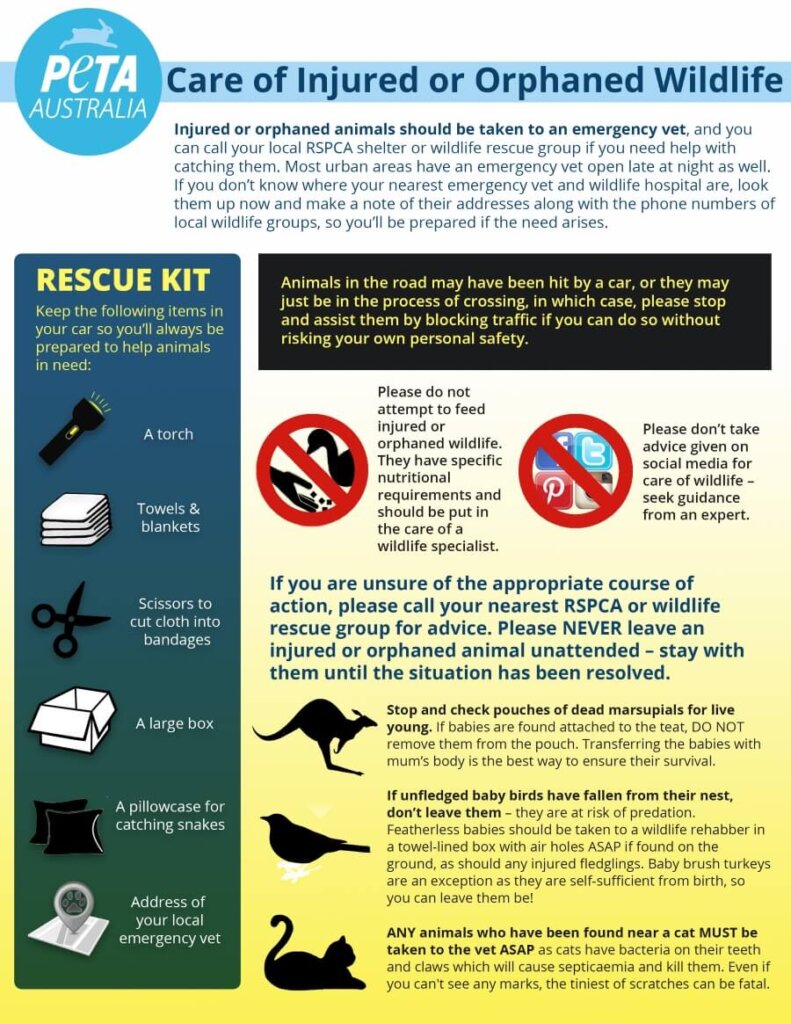
Credit: www.peta.org.au
Identifying Bird Injuries
Knowing how to spot injuries in birds helps provide quick care. Birds hide pain well, so watch closely for subtle signs. Early detection improves their chance to heal. Learn to recognize common symptoms and injury types.
Common Signs Of Injury
- Fluffed or ruffled feathers that do not smooth out
- Unusual drooping of wings or tail
- Difficulty standing or walking
- Visible bleeding or wounds on the body
- Swelling or lumps on limbs or body
- Bird is unusually quiet or lethargic
- Labored or noisy breathing
- Head tilted to one side or unusual posture
Types Of Bird Injuries
| Injury Type | Description | Signs to Watch For |
|---|---|---|
| Wing or Leg Fractures | Broken bones from falls or attacks | Swelling, inability to move limb, deformity |
| Wounds and Cuts | Open injuries from sharp objects or predators | Bleeding, raw skin, pain on touch |
| Head Trauma | Injuries to skull or brain from impact | Unsteady movement, tilted head, unconsciousness |
| Feather Damage | Broken or missing feathers affecting flight | Patchy feathers, unable to fly properly |
| Respiratory Issues | Breathing problems from illness or injury | Noisy breathing, open mouth breathing, coughing |
Initial Steps To Help
Helping an injured bird starts with calm and careful actions. Your first moves can make a huge difference in the bird’s recovery. Knowing how to approach and handle the bird safely protects both you and the animal from further harm.
Approaching An Injured Bird
Approach the bird slowly and quietly. Sudden movements or loud noises can scare it, causing more stress or injury. Watch for signs of distress like rapid breathing or attempts to flee.
Try to observe the bird from a distance first. This helps you assess the injury without startling it. Ask yourself: Is the bird able to move or is it completely still? This will guide your next steps.
Keep your body low to the ground. This makes you appear less threatening. Use soft voices or gentle sounds if you need to talk to the bird.
Safe Handling Techniques
Wear gloves to protect yourself from scratches or bites. Birds can carry diseases and may react defensively when scared. Thick gloves or a towel work well for protection.
Hold the bird gently but firmly. Support its body and wings without squeezing. Try to keep the wings close to prevent flapping, which can worsen injuries.
- Place one hand over the bird’s back with fingers around the wings.
- Use your other hand to support the bird’s feet and body.
- Keep the bird’s head away from your face to avoid pecking.
Remember, your goal is to keep the bird calm and still. Have you ever noticed how even small movements can increase an animal’s fear? Minimizing motion is key to safe handling.
Setting Up A Recovery Space
Setting up a recovery space is vital for an injured bird’s healing. A calm and safe area helps reduce stress and speeds recovery. The space should protect the bird from loud noises and sudden movements. Comfort and cleanliness are key to prevent further injury or infection. Prepare the area carefully before bringing the bird home.
Choosing A Quiet Environment
Pick a room or corner away from noise and activity. Avoid places near televisions, radios, or busy hallways. A quiet spot reduces stress and helps the bird rest. Ensure the area is free from pets and children. Soft natural light is better than harsh artificial lighting. Keep the temperature steady, avoiding drafts and direct sunlight.
Creating A Comfortable Shelter
Use a small box or cage to make the bird feel secure. Line the bottom with soft towels or cloth for cushioning. Change the bedding regularly to keep it clean and dry. Provide perches or resting spots low enough to prevent falls. Place food and water within easy reach but away from droppings. Cover the shelter lightly with a cloth to create a cozy, dim space.

Credit: www.brieftaubenshop.de
Feeding And Hydration
Feeding and hydration are crucial for an injured bird’s recovery. Proper nutrition helps the bird regain strength and heal faster. Water keeps the bird hydrated and supports all body functions. Careful attention to diet and water can improve the bird’s chances of survival.
Proper Diet For Healing
Offer foods rich in protein and vitamins. Protein aids tissue repair and muscle strength. Fresh fruits and vegetables provide essential vitamins and minerals. Avoid giving processed or salty foods. Seeds and nuts can be part of the diet but should not be the only food.
- Soft fruits like apples and berries
- Boiled eggs for protein
- Small insects such as mealworms
- Cooked rice or oats for energy
Feed small amounts often to avoid overwhelming the bird. Use a shallow dish or feed by hand if the bird cannot eat alone.
Providing Water Safely
Keep fresh water available at all times. Use a shallow container to prevent drowning risks. Change water daily to avoid bacteria growth. If the bird cannot drink on its own, use a dropper or syringe carefully.
- Place water near the food dish
- Check water temperature; room temperature is best
- Watch for signs of dehydration like dry eyes or lethargy
Never force water into the bird’s mouth. Gentle, slow drops help prevent choking or stress.
Monitoring Health And Behavior
Keeping a close eye on an injured bird’s health and behavior is crucial during its recovery. Your observations can reveal subtle changes that indicate whether the bird is healing or if it needs extra care. Paying attention to these details helps you make timely decisions and provide better support.
Signs Of Improvement
Look for increased activity levels, such as the bird moving around more or trying to flap its wings. Notice if it starts eating and drinking regularly—this is a strong sign of recovery.
Another positive sign is clearer eyes and smoother feathers, showing that the bird is feeling better. You might also see less wobbling or limping as strength returns.
Have you noticed your bird responding to sounds or coming closer when you approach? These behaviors often mean it’s regaining trust and comfort.
When To Seek Professional Help
If the bird shows no improvement after a few days, or if its condition worsens, it’s time to consult a veterinarian or wildlife rehabilitator. Signs like persistent bleeding, difficulty breathing, or paralysis require immediate attention.
Don’t ignore sudden changes such as refusal to eat, extreme lethargy, or unusual vocalizations—they often signal distress. Remember, your quick action can save the bird’s life.
Have you wondered if a limp is serious or just a minor issue? When in doubt, a professional’s advice is always the safest choice for your feathered friend.

Credit: www.reddit.com
Preventing Future Injuries
Handle an injured bird with gentle care. Provide a quiet, safe space to reduce stress. Consult a wildlife expert for proper guidance.
Preventing future injuries to birds is vital for their wellbeing. Once you have nursed an injured bird back to health, the next step is ensuring that it remains safe, whether it’s in your backyard or inside your home. By adopting a few simple practices, you can create a secure environment that minimizes the risk of harm to these delicate creatures.Safe Outdoor Practices
Creating a safe outdoor environment is essential. Ensure your backyard is free from hazards such as loose wires, sharp objects, or any leftover netting that birds might get tangled in. Bird feeders and birdbaths should be placed at a safe height and distance from potential predators like cats. Reflective window decals or wind chimes can help prevent birds from colliding with glass surfaces. Planting native bushes or trees can provide natural shelter and protection. Are there areas in your yard that could serve as safe havens for local birds?Protective Measures At Home
Inside your home, simple adjustments can create a safer space for birds. Windows should have screens or decals to prevent accidental crashes. Keep curious pets away from areas where birds might be resting or nesting. Store cleaning supplies and other chemicals securely to prevent accidental ingestion. Consider using sheer curtains to soften hard window reflections. Is there a specific room where your bird prefers to stay? Make it a bird-friendly zone by removing hazards and adding soft, safe perches. By taking these proactive steps, you can help ensure that the birds you care for remain safe and healthy, both now and in the future. How will you implement these practices in your own space?Frequently Asked Questions
How Do I Safely Approach An Injured Bird?
Approach slowly and calmly to avoid frightening the bird. Use a towel or cloth to gently cover and pick it up. Always wear gloves to protect yourself and the bird. Keep the bird in a quiet, warm, and dark place to reduce stress.
What Should I Feed An Injured Bird?
Feed the bird according to its species, usually small insects or seeds. Avoid giving water directly to prevent choking. Consult a wildlife expert for proper diet advice. Do not feed bread or milk as they can harm the bird.
When Should I Contact A Wildlife Rehabilitator?
Contact a rehabilitator immediately if the bird has visible wounds, broken wings, or is weak. Professional care is crucial for serious injuries. Early intervention increases the bird’s chance of survival and safe release.
Can I Treat An Injured Bird At Home?
Basic first aid like cleaning minor wounds is possible at home. However, avoid administering medication or complex treatments. Serious injuries require expert care. Always seek advice from wildlife professionals to ensure proper healing.
Conclusion
Caring for an injured bird needs patience and gentle hands. Act quickly but stay calm to avoid stressing the bird. Keep the bird safe and warm in a quiet place. Feed it appropriate food and water carefully. Watch for signs of improvement or worsening health.
Seek help from wildlife experts or vets when needed. Your kindness can help the bird heal and return to nature. Small steps make a big difference in bird rescue. Remember, every injured bird deserves care and respect.




