
Have you ever wondered if simply touching a bird’s feather could put you at risk of getting bird flu? It’s a question that might cross your mind, especially if you enjoy nature or find feathers around your home.
You want to stay safe, but you don’t want to live in fear or avoid harmless things. You’ll discover the truth about bird flu and feathers. By the end, you’ll know exactly what to watch out for—and what you don’t need to worry about.
Keep reading to protect yourself and those you care about without missing out on life’s little moments.
Credit: www.mpi.govt.nz
Bird Flu Basics
Understanding the basics of bird flu is essential if you’re concerned about catching it from everyday encounters, like touching a feather. Knowing what bird flu really is and how it spreads can help you protect yourself without unnecessary fear. Let’s break down the essentials so you can make informed decisions.
What Is Bird Flu
Bird flu, also known as avian influenza, is a viral infection that primarily affects birds. Some strains can infect humans, but these cases are rare and usually linked to close contact with infected birds.
The virus targets the respiratory system and can cause symptoms ranging from mild to severe. It’s important to remember that not all bird flu viruses are the same—some are more dangerous than others.
How Bird Flu Spreads
Bird flu mainly spreads through direct contact with infected birds or their secretions, such as saliva, nasal discharge, or feces. You won’t catch it just by being near birds or touching feathers that are dry and clean.
Contaminated surfaces, like cages or equipment, can also carry the virus. This is why washing your hands after handling birds or anything in their environment is crucial.
- Touching a fresh, wet feather from an infected bird might pose a risk.
- Touching old, dry feathers is much less likely to spread the virus.
- Proper hygiene, like handwashing, significantly lowers any risk.
Have you ever wondered if a simple feather could really carry such a serious virus? The key lies in how fresh and contaminated the feather is, not the feather itself. Staying informed helps you avoid unnecessary worry.
Feathers And Virus Transmission
Feathers might seem harmless and soft, but they can play a role in virus transmission. Understanding how viruses survive on feathers and the risk of infection from touching them can help you stay safe. Let’s look closer at what feathers can carry and how careful you should be around them.
Virus Survival On Feathers
Viruses, including bird flu, can survive on feathers for varying lengths of time depending on conditions like temperature and humidity. In cool, moist environments, the virus may stay alive longer, sometimes for several days. However, direct sunlight and dry air tend to reduce virus survival quickly.
Think about handling feathers you find outdoors or from birds nearby. If the feathers are fresh and haven’t been exposed to harsh conditions, they could still carry the virus. This makes it important to avoid touching feathers with bare hands, especially if you are around wild or domestic birds.
Risk Of Infection From Touching Feathers
Touching a feather alone doesn’t guarantee you will get bird flu. The virus needs to enter your body through your eyes, nose, or mouth to cause infection. Still, if the feather is contaminated and you touch your face afterward, there is a possible risk.
- Always wash your hands thoroughly after handling feathers.
- Avoid touching your face before cleaning your hands.
- If you work with birds regularly, consider wearing gloves to reduce exposure.
Have you ever picked up a feather without thinking twice? Next time, ask yourself if it’s really worth the risk. Protecting yourself from potential viruses is simple if you stay aware and practice good hygiene.
Cases Linked To Feather Contact
Understanding whether you can catch bird flu from touching a feather is crucial, especially if you often handle birds or find feathers in your surroundings. While feathers might look harmless, they can sometimes carry viruses. Let’s look closely at cases linked to feather contact to see what the evidence says.
Reported Incidents
There have been a few reported incidents where people got infected with bird flu after touching feathers. These cases usually involve close contact with wild birds or contaminated environments.
One notable incident occurred when poultry workers handled feathers without proper protection and later showed symptoms of the virus. This highlights the risk when feathers are wet or soiled with bird droppings, which can carry the virus.
Still, such cases are rare compared to infections from direct contact with infected birds or their droppings. Have you ever wondered if simply brushing against a feather on a trail could be risky? Most evidence suggests the risk is low but not impossible.
Scientific Studies
Scientific research has tested whether bird flu viruses survive on feathers and for how long. Studies show that the virus can remain on feathers under certain conditions, especially in cold and moist environments.
Researchers found that feathers can act as a temporary carrier, but the virus does not multiply on them. This means the main danger is from fresh contamination rather than old, dry feathers.
One study tested virus survival on feathers exposed to sunlight and found the virus died quickly. This suggests that touching a feather outdoors is less risky than handling feathers indoors or in shaded, damp areas.
So, what should you do if you find a feather? Wearing gloves and washing your hands afterward can greatly reduce any potential risk. Are you ready to change how you handle feathers after learning this?
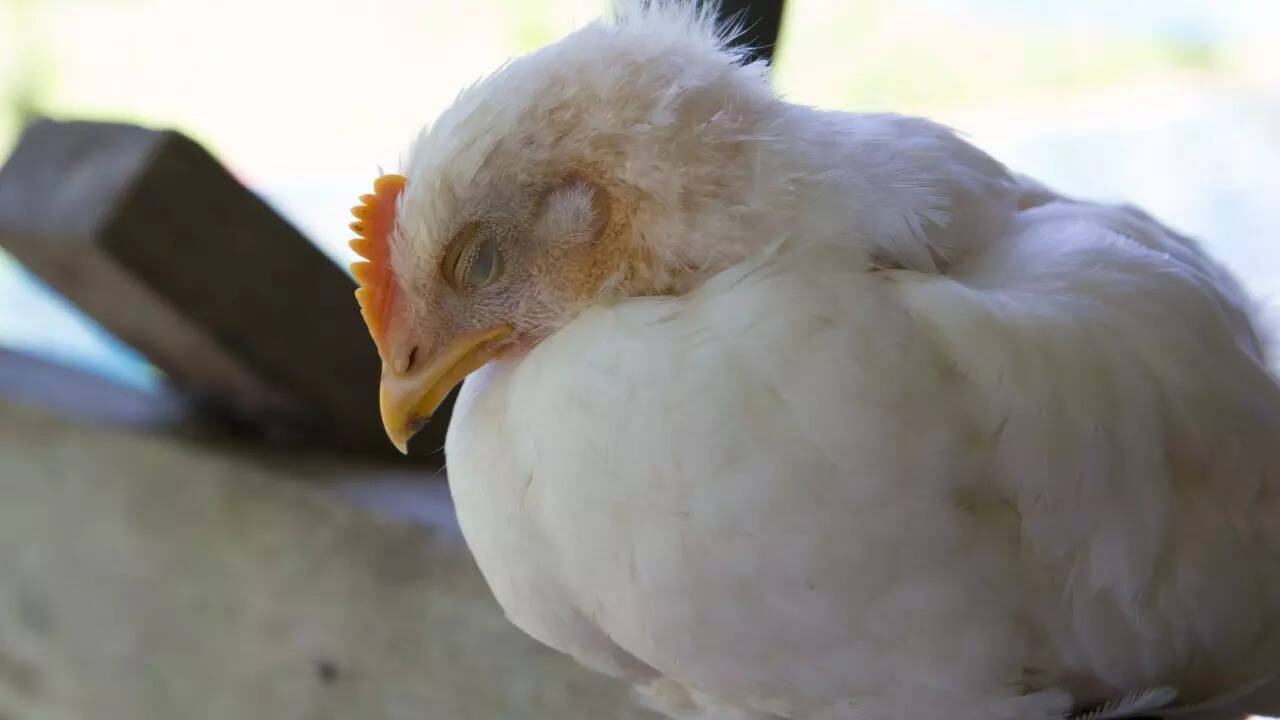
Credit: timesofindia.indiatimes.com
Preventive Measures
Taking preventive measures is key to avoid any risk of bird flu from feathers. Careful handling and protective habits reduce the chance of infection. Simple actions protect your health and keep you safe around birds and their feathers.
Safe Handling Of Bird Feathers
Always avoid direct contact with feathers from wild or sick birds. Use gloves when touching feathers to prevent germs from reaching your skin. Wash hands thoroughly with soap and water after handling any bird feathers. Do not touch your face, eyes, or mouth while handling feathers. Dispose of feathers properly in sealed bags to stop germs from spreading. Clean and disinfect any surfaces that come into contact with feathers.
Protective Practices
- Wear gloves and masks when working near birds or their feathers.
- Keep birds and their feathers away from food preparation areas.
- Do not allow children to play with feathers from unknown birds.
- Wash clothes and shoes after contact with bird feathers or droppings.
- Use hand sanitizer if washing is not immediately possible.
- Report any sick or dead birds to local health authorities.
Myths Vs Facts
Many people worry about catching bird flu from feathers. There are many stories and ideas that may not be true. Sorting myths from facts helps us stay safe and calm. Knowing the truth stops unnecessary fear and wrong actions. Let’s explore common misconceptions and what experts actually say.
Common Misconceptions
- Touching a feather always spreads bird flu.
- Bird flu virus lives long on feathers outside birds.
- Handling feathers without gloves is very dangerous.
- Feathers from healthy birds carry the virus.
- Bird flu spreads easily through casual contact with feathers.
What Experts Say
Experts explain that bird flu spreads mainly through direct contact with sick birds.
Virus survival on feathers is short and depends on conditions like sunlight and temperature.
Dry feathers reduce virus survival; wet or fresh droppings pose more risk.
Washing hands after touching feathers is enough to stay safe.
Wearing gloves is good practice but not always necessary if hands are cleaned.

Credit: www.agriland.ie
Frequently Asked Questions
Can Bird Flu Spread Through Feather Contact?
Bird flu rarely spreads through feathers alone. The virus mainly transmits via infected bird droppings, saliva, or respiratory secretions. Handling feathers from healthy birds poses minimal risk. Always wash hands after contact with wild bird feathers to stay safe.
Are Feathers A Common Source Of Bird Flu Infection?
Feathers themselves are not a common infection source. The virus survives better in bird droppings and secretions. Feather contact may carry some risk if contaminated, but proper hygiene reduces chances of infection significantly.
How To Safely Handle Feathers During Bird Flu Outbreaks?
Wear gloves and avoid touching your face when handling feathers. Wash hands thoroughly with soap afterward. Disinfect surfaces that may have contacted feathers. These steps minimize bird flu transmission risk.
Can Bird Flu Viruses Survive On Feathers Long?
The virus can survive on feathers for hours to days, depending on conditions. Moisture and temperature affect survival time. Despite this, infection risk from dry feathers is low with proper hygiene.
Conclusion
Touching a feather rarely spreads bird flu. The virus needs close contact with infected birds or their droppings. Washing hands after handling feathers is smart. Avoid touching your face during and after contact. Staying clean helps lower the risk a lot.
Most feathers you see are safe to touch. Keep simple habits to protect yourself from illness. Being careful is better than worrying later. Stay informed and stay healthy every day.




