
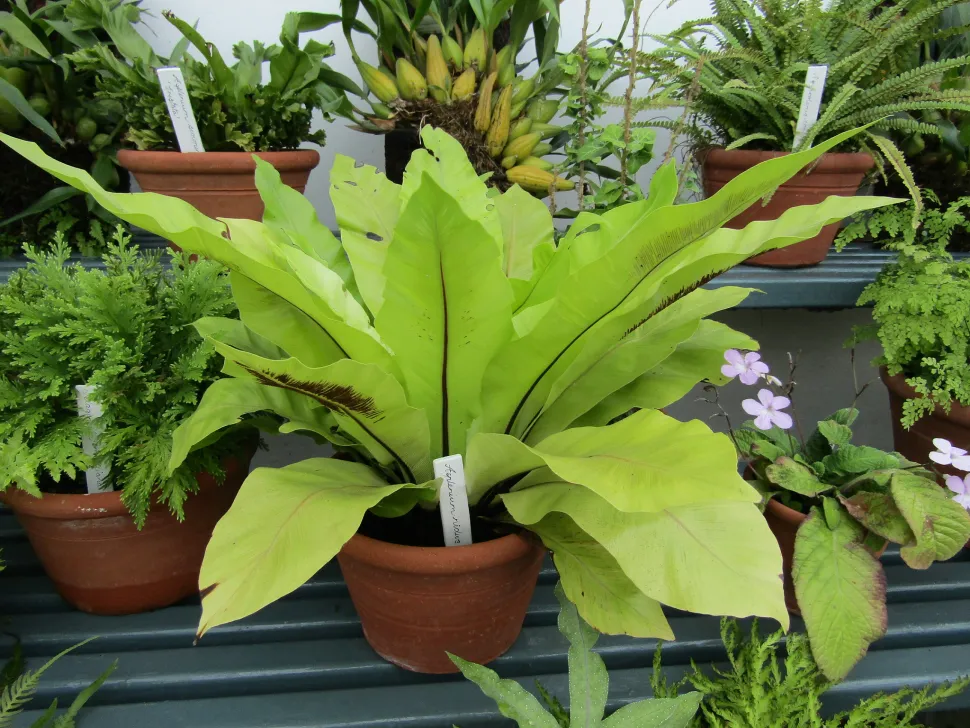
If you’ve ever admired the lush, bright green leaves of a Bird Nest Fern, you’re not alone. These beautiful plants can bring a fresh, tropical touch to any room.
But to keep your fern healthy and thriving, you need to know the right care steps. Imagine watching your fern grow fuller and more vibrant every day. In this guide, you’ll discover simple tips that make caring for your Bird Nest Fern easy and rewarding.
Ready to unlock the secrets to a happy, healthy fern? Let’s dive in.

Credit: www.thesill.com
Choosing The Right Spot
Choosing the right spot for your Bird Nest Fern is crucial to keep it thriving. This plant doesn’t just need any corner; it demands a specific environment that matches its natural habitat. Getting this right can mean the difference between a vibrant fern and a struggling one.
Light Requirements
Bird Nest Ferns prefer bright, indirect light. Direct sunlight can scorch their delicate fronds, leaving unsightly brown patches.
A north or east-facing window often works well. If your home is darker, try placing the fern near a sheer curtain to diffuse the light.
Have you noticed how your fern reacts to different light spots? Pay attention—it will tell you if it’s too bright or too dim.
Ideal Temperature
These ferns thrive in moderate temperatures between 60°F and 75°F (15°C to 24°C). Avoid placing your fern near drafts or vents that blow hot or cold air.
If your room tends to dip below 55°F (13°C), consider moving the fern to a warmer spot. Sudden temperature changes can stress the plant.
Ask yourself: does the spot feel consistently comfortable to you? If yes, it’s likely good for your fern too.
Humidity Needs
Bird Nest Ferns love humidity. Aim for 50% or higher to mimic their tropical environment.
If your home is dry, especially in winter, try grouping your fern with other plants or placing a humidifier nearby.
Another trick: mist the leaves regularly or set the pot on a tray filled with water and pebbles. This helps keep the air moist around your fern.
Credit: www.monstera-app.com
Planting And Potting
Planting and potting your Bird Nest Fern correctly sets the foundation for a thriving, lush plant. The right soil, container, and repotting approach can make all the difference in how well your fern grows. Let’s break down these essentials so you can give your fern the best start and ongoing care.
Selecting The Soil
Your Bird Nest Fern needs soil that drains well but also retains some moisture. A mix that includes peat moss, pine bark, and perlite works wonderfully. This combination keeps the soil airy, preventing waterlogging, which ferns dislike.
Have you noticed your fern’s leaves turning yellow or drooping? It might be a sign the soil is too dense or holds too much water. Adjusting the soil mix can quickly improve its health.
Choosing The Container
Choose a pot with drainage holes to avoid soggy roots. Terra cotta pots are a great option because they breathe, helping excess moisture evaporate. Plastic pots hold moisture longer, which can be useful if you tend to forget watering.
Think about the size too. A pot that’s too big can keep soil wet for too long, while a too-small pot restricts root growth. Your fern’s roots need space to spread but not too much empty soil around them.
Repotting Tips
Repot your Bird Nest Fern every 2-3 years or when you see roots growing out of the drainage holes. Gently loosen the root ball before placing it in fresh soil. This encourages new root growth and helps the plant settle into its new home.
Don’t pack the soil too tightly around the roots. Keep it loose to allow air flow. After repotting, water thoroughly but avoid letting the plant sit in water.
Watering Guidelines
Watering your Bird Nest Fern correctly is key to keeping it lush and vibrant. These ferns thrive when you strike the right balance—not too dry, not too soggy. Let’s dive into how often to water, what kind of water to use, and how to spot if you’re giving your fern too much.
Water Frequency
Bird Nest Ferns prefer consistently moist soil, but they don’t like sitting in water. Water your fern every 1 to 2 weeks, depending on your home’s humidity and temperature. During warmer months, you might need to water more often, while in cooler months, watering less frequently works better.
Check the top inch of soil before watering. If it feels dry, it’s time to give your fern a drink. This simple test helps avoid underwatering and overwatering, which are common mistakes.
Water Quality
Your fern is sensitive to chemicals often found in tap water, like chlorine and fluoride. Using filtered or distilled water can make a noticeable difference in the plant’s health. If you don’t have access to filtered water, let tap water sit out overnight to allow some chemicals to evaporate.
Using rainwater is an excellent option if you can collect it. It’s naturally soft and free of harmful additives. This small change in water quality can boost your fern’s growth and reduce leaf damage.
Signs Of Overwatering
Overwatering can quickly harm your Bird Nest Fern, so watch for these signs:
- Yellowing leaves:A common warning that roots might be drowning.
- Soft, mushy roots or base:This means the soil is staying too wet for too long.
- Foul odor from the soil:Indicates root rot, which can kill your plant if untreated.
If you spot these signs, reduce watering immediately and improve drainage. Have you ever noticed these symptoms and wondered what went wrong? Adjusting your watering habits can revive your fern quicker than you expect.

Credit: soltech.com
Feeding Your Fern
Feeding your bird nest fern supports its growth and keeps its leaves vibrant. Proper nutrition helps the plant stay healthy and resist pests. Understanding the right fertilizer and feeding routine will improve your fern’s overall condition.
Fertilizer Types
Choose a balanced fertilizer with equal parts nitrogen, phosphorus, and potassium. Look for formulas like 10-10-10 or 20-20-20. Liquid fertilizers work well because they absorb quickly.
Slow-release pellets offer steady nutrients over time. Avoid high nitrogen fertilizers that can burn the roots. Ferns prefer mild, gentle feeding to avoid stress.
Feeding Schedule
Feed your fern every 4 to 6 weeks during spring and summer. This matches the plant’s active growth period. Reduce feeding during fall and winter when growth slows down.
Always water your fern before applying fertilizer. This prevents root burn and helps nutrients spread evenly. Stop feeding if you notice yellowing or wilting leaves.
Organic Vs. Synthetic
Organic fertilizers come from natural sources like compost and fish emulsion. They improve soil health and release nutrients slowly. Synthetic fertilizers act faster and offer precise nutrient control.
Organic options suit those who want eco-friendly care. Synthetic fertilizers suit gardeners seeking quick results. Both types work well if used properly and in moderation.
Maintaining Humidity
Bird Nest Ferns thrive in moist air. Keep humidity high by misting leaves or placing a water tray nearby. This helps the plant stay healthy and green.
Maintaining the right humidity is crucial for your Bird Nest Fern to thrive. These lush, tropical plants naturally flourish in environments with high humidity, mimicking their native rainforest habitat. Without adequate moisture in the air, their leaves can become dry and brown, losing their vibrant charm. How can you ensure your fern stays happy and healthy? Let’s explore some effective ways to maintain humidity.Misting Techniques
Misting your Bird Nest Fern can be a quick and effective method to boost humidity around the plant. Use a spray bottle filled with distilled water to lightly mist the leaves. Aim to do this in the morning, allowing the foliage to dry throughout the day. Consistency is key; make it a part of your daily routine. However, be cautious not to overdo it, as too much water can encourage mold growth.Using Humidifiers
Consider investing in a humidifier if you live in a particularly dry climate. A humidifier can maintain a steady level of moisture in the air, creating a comfortable environment for your fern. Place the humidifier near the plant, but not too close to avoid excess moisture accumulation. Adjust the settings to maintain humidity levels between 50% and 60%, which is ideal for most ferns.Grouping Plants
Grouping your Bird Nest Fern with other houseplants can naturally increase humidity. Plants release moisture through a process called transpiration, which can create a microclimate of higher humidity. Choose plants with similar care needs to form a thriving plant community. This method not only helps with humidity but can also create a stunning indoor garden display. Maintaining the right humidity for your Bird Nest Fern doesn’t have to be a daunting task. With a few simple adjustments, you can ensure your plant thrives and remains a lush, green focal point in your home. What other creative solutions can you think of to keep your fern happy?Pruning And Cleaning
Remove dead or yellow leaves regularly to keep the fern healthy. Wipe the leaves gently with a damp cloth to remove dust and help the plant breathe.
Pruning and cleaning are vital for your Bird Nest Fern’s health. Regular attention ensures its vibrant, lush appearance. This process involves removing dead leaves, trimming for optimal growth, and cleaning the fronds. Each task contributes to the plant’s well-being and longevity.Removing Dead Leaves
Dead leaves can attract pests and diseases. Gently remove them with clean hands. Look for brown or yellow leaves. Cut them close to the base. Use clean, sharp scissors. This keeps your fern healthy and tidy.Trimming For Growth
Trimming encourages new growth. Focus on overgrown or damaged fronds. Use sharp scissors for precise cuts. Aim for a balanced shape. This helps light reach all parts of the plant. It promotes even growth.Cleaning The Fronds
Dust can block sunlight from reaching leaves. Use a damp cloth to clean the fronds. Wipe gently to remove dust and debris. Clean once a month for best results. Avoid harsh chemicals. Clean fronds absorb nutrients better. This keeps your fern looking fresh and vibrant.Pest And Disease Control
Keeping your Bird Nest Fern healthy means keeping pests and diseases at bay. These plants are generally resilient but can attract some unwelcome visitors that affect their growth and appearance. Recognizing common pests early and knowing how to prevent and treat infestations will keep your fern thriving.
Common Pests
Bird Nest Ferns often attract pests like scale insects, mealybugs, and spider mites. Scale insects look like small, brown bumps on the leaves, while mealybugs appear as white cottony masses. Spider mites are tiny and cause fine webbing and yellow speckles on leaves.
Have you noticed sticky residue or tiny holes on your fern’s leaves? These are signs pests might already be feeding on your plant.
Preventive Measures
- Keep your fern’s leaves clean by wiping them gently with a damp cloth every week.
- Avoid overwatering, as damp conditions attract pests and encourage fungal growth.
- Place your fern in a well-ventilated area with indirect light to reduce stress and susceptibility to pests.
- Inspect new plants before bringing them home to avoid introducing pests.
Simple habits like these can save you from dealing with bigger problems later. Have you checked the undersides of leaves lately? That’s where many pests hide.
Treatment Options
If pests do appear, act quickly. Start by wiping affected leaves with a solution of mild soap and water. This can remove many pests without harming your plant.
For persistent infestations, natural insecticides like neem oil work well. Spray your fern every 7-10 days and focus on the undersides of leaves.
In extreme cases, isolate your plant to prevent pests from spreading to others. Regular monitoring after treatment ensures pests don’t return. What’s your experience with treating plant pests—do you prefer natural remedies or store-bought products?
Propagation Methods
Propagation is an exciting way to multiply your Bird Nest Fern and share its lush beauty. Understanding the different propagation methods helps you choose what fits your experience and patience level. Whether you prefer quick results or enjoy the challenge of growing from spores, there’s a path for you.
Division Technique
Dividing your Bird Nest Fern is the fastest way to create new plants. Carefully remove the fern from its pot and look for natural clumps with their own roots. Use a clean, sharp knife to separate these clumps, making sure each division has enough roots to survive.
This method works best in spring or early summer when the plant is actively growing. After dividing, pot each new plant in fresh, well-draining soil and keep the environment humid. Have you noticed how quickly these divisions take off compared to spores?
Growing From Spores
Growing Bird Nest Ferns from spores is a slower, but rewarding process that connects you to the plant’s natural cycle. Spores can be found under the fronds and look like tiny brown dots. Collect them by gently shaking the frond over a piece of paper and then scatter them on moist, sterile soil.
Cover the container with plastic wrap to maintain humidity and place it in indirect light. It may take several weeks for tiny green growths to appear, which means patience is key here. Have you ever tried growing a plant from spores? It’s like watching life start all over again.
Care For New Plants
Newly propagated Bird Nest Ferns need gentle care to thrive. Keep the soil consistently moist but not soggy, and maintain high humidity by misting or using a humidity tray. Avoid direct sunlight, which can scorch delicate new leaves.
Watch for signs of stress like yellowing or drooping fronds and adjust watering or light accordingly. How often do you check on your new plants? Regular attention makes all the difference in their survival and growth.
Frequently Asked Questions
How Often Should I Water A Bird Nest Fern?
Water your Bird Nest Fern once a week, keeping soil consistently moist but not soggy. Avoid letting it dry out completely. Adjust watering frequency based on humidity and temperature for optimal health.
What Light Conditions Are Best For Bird Nest Fern?
Bird Nest Fern thrives in indirect, bright light. Avoid direct sunlight, which can scorch its fronds. Low to medium light is acceptable but may slow growth.
How Do I Fertilize A Bird Nest Fern Properly?
Feed your Bird Nest Fern monthly during spring and summer with a balanced liquid fertilizer diluted to half strength. Avoid fertilizing in winter to prevent nutrient overload.
Can Bird Nest Fern Grow Outdoors?
Yes, Bird Nest Fern can grow outdoors in USDA zones 10-12. It prefers shaded, humid environments and well-draining soil to mimic its natural habitat.
Conclusion
Caring for a Bird Nest Fern is simple and rewarding. Keep its soil moist but not wet. Place the plant where it gets indirect light. Avoid cold drafts and strong winds. Regularly wipe the leaves to keep them clean. Watch for pests and act quickly if needed.
With these steps, your fern will stay healthy and green. Enjoy the fresh look it brings to your space. A little care goes a long way.




