
Are Birds of Paradise hard to care for? If you’ve ever admired their striking, tropical blooms and wondered whether you could grow one yourself, you’re not alone.
These stunning plants can transform your space, but many people hesitate because they think they’re too difficult to maintain. What if caring for a Bird of Paradise isn’t as complicated as you believe? You’ll discover simple tips and surprising facts that make growing this exotic beauty easier than you ever imagined.
Keep reading to unlock the secrets to thriving Birds of Paradise—and bring a splash of paradise right into your home or garden.
Birds Of Paradise Basics
Birds of Paradise are known for their bright, unique flowers. They bring a tropical feel to any garden or indoor space. Understanding their basics helps decide if they fit your care routine. These plants have distinct types and natural settings that shape their care needs.
Plant Varieties
Birds of Paradise belong to the Strelitzia genus. The most common types are:
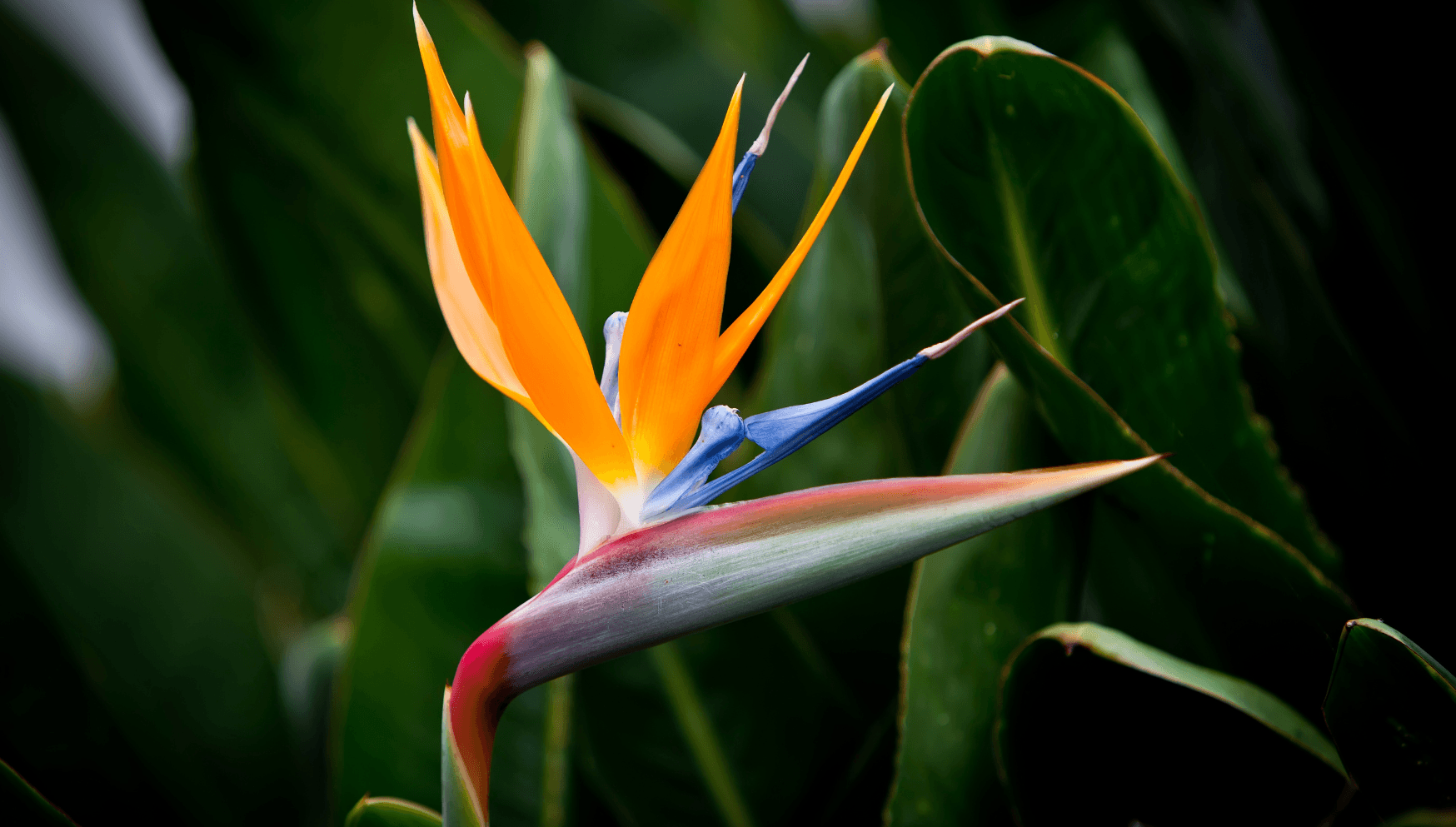
- Strelitzia reginae:The classic orange and blue flower, often called the “Crane Flower.”
- Strelitzia nicolai:Larger, with white and blue flowers, sometimes called the “Giant Bird of Paradise.”
- Strelitzia juncea:Has thin, reed-like leaves and orange flowers, less common but striking.
Each variety has slightly different size and growth habits. They all share a love for sunlight and warmth.
Natural Habitat
Birds of Paradise plants come from South Africa’s subtropical regions. They thrive in warm, moist environments.
These plants grow well in:
- Open forests
- Riverbanks
- Coastal areas
Their natural habitat offers high humidity and indirect sunlight. This environment helps them develop their bright, exotic flowers.
Ideal Growing Conditions
Birds of Paradise need specific conditions to grow well and bloom beautifully. These tropical plants thrive best when their environment matches their natural habitat. Understanding the ideal growing conditions helps keep the plant healthy and vibrant. Focus on light, temperature, humidity, soil, and drainage to support strong growth.
Light Requirements
Birds of Paradise need bright, indirect sunlight to flourish. They do well with several hours of morning sun. Avoid harsh afternoon sun that can scorch the leaves. Indoors, place them near a window with filtered light. Too little light causes slow growth and fewer flowers.
Temperature And Humidity
These plants prefer warm temperatures between 65°F and 70°F (18°C to 21°C). Night temperatures should not drop below 50°F (10°C). High humidity helps the plant stay healthy. Use a humidifier or mist leaves regularly. Dry air can cause leaf edges to turn brown.
Soil And Drainage
Use well-draining soil to prevent root rot. A mix of potting soil, sand, and peat works well. Make sure the pot has drainage holes. Water the plant only when the top inch of soil feels dry. Excess water can harm the roots and stunt growth.
Watering And Feeding
Watering and feeding Birds of Paradise requires a balanced approach to keep them healthy. These tropical plants need enough moisture without being waterlogged. Proper nutrition boosts their vibrant flowers and strong leaves.
Watering Frequency
Birds of Paradise like their soil moist but not soggy. Water deeply once a week during warm months. In cooler months, reduce watering to every two weeks. Always check the top inch of soil before watering. If it feels dry, it’s time to water. Avoid letting water sit in the pot’s base to prevent root rot.
Fertilizer Tips
Feed Birds of Paradise regularly during the growing season. Use a balanced, water-soluble fertilizer with equal parts nitrogen, phosphorus, and potassium. Apply fertilizer every two weeks in spring and summer. Cut back feeding in fall and winter when growth slows. A slow-release fertilizer also works well. Follow package instructions to avoid overfeeding.
Common Challenges
Birds of Paradise are stunning plants that can brighten any space, but they do come with a set of challenges. Understanding these common hurdles helps you prepare better and care for your plant more effectively. Let’s look at the typical issues you might face and how to handle them.
Pests And Diseases
Pests like spider mites and scale insects often attack Birds of Paradise. These tiny invaders can cause leaves to yellow and drop, making your plant look unhealthy. Regularly inspect the leaves, especially the undersides, to catch infestations early.
Diseases such as root rot can develop if the soil stays too wet. This happens when drainage is poor or watering is too frequent. You might notice wilting or a foul smell from the soil. To prevent this, make sure your pot has good drainage holes and water only when the top inch of soil feels dry.
Growth Issues
Slow growth or stunted plants can be frustrating when you expect your Bird of Paradise to thrive. Lack of sunlight is often the cause; these plants love bright, indirect light. If your plant isn’t growing well, try moving it to a sunnier spot and see if it responds.
Another common problem is leaf browning, which can signal low humidity or improper watering. Birds of Paradise enjoy moist air, so misting the leaves or using a humidifier might help. Are you tracking your watering routine closely enough to spot patterns that could cause stress?
Pruning And Maintenance
Pruning and maintenance are essential for healthy Birds of Paradise plants. Proper care keeps them looking vibrant and encourages growth. Regular trimming removes dead or damaged leaves. It also helps shape the plant for a neat appearance. Learning the right time and tools for pruning makes the task easier and more effective.
When To Prune
Prune Birds of Paradise during the growing season, typically spring or early summer. This timing supports quick recovery and new growth. Avoid pruning in late fall or winter, as the plant rests then. Remove yellow, brown, or damaged leaves promptly to prevent disease. Cutting spent flower stalks also promotes new blooms.
Tools And Techniques
Use sharp pruning shears or scissors for clean cuts. Disinfect tools before use to avoid spreading pests. Cut leaves close to the base without damaging nearby stems. Remove entire leaves rather than trimming bits to keep the plant healthy. Wear gloves to protect your hands from sap and sharp edges.
Credit: plnts.com
Repotting And Propagation
Repotting Birds of Paradise helps keep their roots healthy and supports growth. Propagation is simple by dividing the plant during repotting. These steps make caring for them easier and keep the plants strong.
Repotting and propagating Birds of Paradise can seem daunting, but with a little guidance, it becomes a rewarding process. Repotting ensures your plant continues to thrive, while propagation allows you to expand your indoor garden or share these stunning plants with friends. Understanding when and how to perform these tasks is key to your plant’s health and vitality.Signs For Repotting
Birds of Paradise need repotting every 1-2 years. Look for signs like roots growing through the drainage holes or the plant appearing top-heavy. If water drains quickly from the pot, it might be time to repot. A personal tip: I noticed my plant’s growth slowed, which was a clear signal it needed a new, more spacious home. After repotting, it perked up considerably.Propagation Methods
Propagation can be done through division. Begin by gently removing the plant from its pot and separating the root clumps. Make sure each division has at least one healthy stem and root system. Another method involves using seeds, although this requires patience as germination can take several months. If you have the time, it’s a fulfilling project to watch seedlings grow into magnificent plants. Both methods have their perks, but division is faster and more reliable. Which method appeals to you more?Expert Care Tips
Birds of Paradise need bright light and regular watering but avoid overwatering. They thrive with good air circulation and occasional feeding. Patience helps, as they grow slowly but reward with stunning blooms.
Caring for a Bird of Paradise plant can be a rewarding experience, but it requires attention and dedication. These stunning plants, with their vibrant and exotic blooms, can transform any space into a tropical oasis. However, understanding their specific needs is key to ensuring they thrive. With a few expert care tips, you can keep your Bird of Paradise healthy and flourishing.Seasonal Care Adjustments
Plants, like people, need different things at different times of the year. During the warmer months, your Bird of Paradise will appreciate more frequent watering to match its growth spurts. Ensure the soil remains moist but not soggy. In contrast, during the cooler months, the plant enters a rest period. You should reduce watering and avoid fertilizing, allowing the soil to dry out more between waterings. Adjusting your care routine according to the seasons can make a significant difference in the plant’s health.Troubleshooting Common Problems
Even with the best care, issues can arise. Yellowing leaves often signal overwatering. If this happens, check the drainage and adjust your watering schedule. On the other hand, if the leaves are crispy and brown, your plant might be thirsty or in need of higher humidity. Consider misting the leaves or using a humidifier to provide a more comfortable environment. Are you noticing no blooms? A lack of light could be the culprit. Position your Bird of Paradise in a bright spot, as they love basking in sunlight. If space permits, relocating it to a sunny window could bring back its vibrant flowers. Implement these tips and watch your Bird of Paradise flourish, transforming your home into a lush, tropical escape.
Credit: greg.app

Credit: www.reddit.com
Frequently Asked Questions
Are Birds Of Paradise Difficult To Maintain Indoors?
Birds of Paradise require moderate care indoors. They need bright light, regular watering, and humidity. Proper care prevents common issues like drooping leaves and slow growth.
How Often Should I Water A Birds Of Paradise?
Water Birds of Paradise once a week during growing season. Keep soil moist but not soggy. Reduce watering in winter to avoid root rot.
What Light Conditions Do Birds Of Paradise Prefer?
These plants thrive in bright, indirect sunlight. They tolerate some direct sunlight but avoid harsh afternoon rays to prevent leaf burn.
Can Birds Of Paradise Survive In Low Humidity?
Birds of Paradise prefer high humidity but can adapt to moderate levels. Use a humidifier or mist leaves to improve indoor humidity.
Conclusion
Birds of Paradise need some care but are not very hard to grow. They like bright light and warm places. Water them regularly but do not flood their roots. These plants can make any space look beautiful and unique. With simple care, they stay healthy and bloom well.
Their striking flowers reward your effort nicely. A little attention goes a long way with these plants. Enjoy adding a tropical touch to your home or garden. They bring color and life with just basic care. Easy to love and worth the effort.




