
Have you ever heard your car making a strange chirping sound, almost like a bird? It’s confusing and a bit alarming, right?
You might wonder if it’s something serious or just a harmless noise. That chirping isn’t normal, and understanding why it happens can save you time, money, and stress. Keep reading to discover the common reasons behind this mysterious sound and what you can do to fix it before it turns into a bigger problem.
Your car—and your peace of mind—will thank you.

Credit: www.reddit.com
Common Causes Of Chirping Sounds
A chirping sound coming from your car can be puzzling. This noise often points to a few common issues. Understanding these helps you address the problem quickly and avoid bigger repairs.
Many car owners hear chirping and wonder about the cause. Usually, the sound comes from parts under the hood or near the wheels. These parts can wear out or become loose, producing the bird-like chirp.
Loose Or Worn Belts
Belts in your engine keep many parts moving smoothly. Over time, belts can stretch or crack. A loose or worn belt often makes a sharp chirping noise, especially when you start the car or accelerate.
The sound may come from the serpentine belt or the timing belt. These belts need proper tension to work well. If loose, they slip and chirp like a bird. Checking belt condition is key to stopping the noise.
Brake Pad Issues
Brake pads protect your wheels and stop the car safely. When brake pads wear down, they can cause a chirping or squeaking sound. This noise happens because metal parts touch or the pads have a built-in wear indicator.
Chirping brakes need quick attention. Ignoring the sound can damage the brake system and reduce safety. Regular brake checks help avoid these problems.
Electrical System Noises
Some chirping sounds come from the car’s electrical system. Relays and switches can make faint chirps when they activate or malfunction. This noise usually happens in the dashboard or engine area.
Electrical chirps may signal a small problem like a loose connection or a failing component. Diagnosing these sounds early prevents bigger electrical issues.
Belt Problems And Their Effects
Belt problems often cause that strange chirping noise from your car. The belts connect important parts and keep the engine running smoothly. When belts wear out or don’t work right, they create noises like bird chirps. These sounds warn you about issues that need fixing fast.
Understanding how belt problems affect your car helps you spot trouble early. Small issues can lead to bigger engine damage. Watch for noises and check belts regularly to avoid costly repairs.
Serpentine Belt Wear
The serpentine belt drives many engine parts like the alternator and water pump. Over time, it wears down and cracks. A worn serpentine belt slips on the pulleys, causing a high-pitched chirping noise. Dirt and oil can speed up wear. Replace the belt if you see cracks or fraying edges.
Tensioner And Pulley Issues
The tensioner keeps the belt tight, while pulleys guide it. If the tensioner weakens, the belt loosens and slips. Loose belts make squeaking or chirping sounds. Pulleys with worn bearings also cause noise. Listen for irregular sounds and check these parts for smooth spinning and proper tension.
Belt Material And Weather Impact
Belts are made from rubber or synthetic materials. Cold weather makes belts stiff and less flexible. Stiff belts can slip and chirp until they warm up. Hot weather dries belts, causing cracks and brittleness. Wet conditions may make belts slip too. Weather affects belt life and noise, so inspect belts more often in extreme seasons.
Brake System Chirping
The brake system can cause your car to chirp like a bird. This noise often signals an issue that needs attention. Understanding the cause helps keep your car safe and quiet. Brake chirping usually comes from parts rubbing or vibrating in unusual ways.
Worn Brake Pads
Brake pads wear out over time. Thin pads can create a high-pitched chirping sound. This happens because metal parts inside the pad touch the rotor. The sound warns you to replace the pads soon. Ignoring this can damage other brake parts.
Dust And Debris Accumulation
Dust and small debris can gather on brake parts. This buildup causes a chirping noise when brakes move. Dirt acts like sandpaper, making the sound louder. Cleaning the brake area can stop the noise quickly. Regular maintenance helps avoid this problem.
Rotor Surface Conditions
Rotors must have a smooth surface. Grooves or rust on rotors cause chirping sounds. Rough surfaces create vibrations during braking. These vibrations produce the bird-like chirp. Resurfacing or replacing rotors fixes this noise.

Credit: www.reddit.com
Electrical And Sensor Noises
Cars can make strange noises that seem like chirping birds. Electrical and sensor noises often cause these sounds. These noises come from small parts inside the car’s electrical system. They can be tricky to find but are important to fix.
Electrical systems use relays, sensors, and alarms. Each part can create different noises if it has a problem. Understanding these sounds helps know what to check and repair.
Faulty Relays
Relays control power to different parts of the car. A faulty relay can make a rapid clicking or chirping sound. This happens when the relay tries to switch on and off quickly. Worn-out relays need replacement to stop the noise.
Sensor Malfunctions
Sensors monitor many car functions like temperature and speed. A bad sensor may send wrong signals. This causes the car’s computer to react, creating unusual sounds. Chirping can come from sensors that fail or lose connection.
Alarm And Security System Sounds
Car alarms use chirping sounds to warn owners. Low battery in the alarm system often triggers these noises. Sometimes, a faulty security system makes random chirps. Checking the alarm’s battery and wiring can solve the problem.
Environmental And External Factors
Environmental and external factors can cause your car to make chirping noises. These sounds might not come from mechanical issues but from outside influences. Understanding these factors helps identify the cause quickly. Many drivers notice chirping sounds during certain weather or after parking outside.
Temperature And Humidity Effects
Cold temperatures can cause metal parts to contract, creating small gaps. These gaps may lead to chirping sounds as parts rub together. High humidity can increase moisture, causing belts and pulleys to slip. This slipping often produces a sharp, bird-like chirp. Changes in weather may trigger these noises, especially in the morning or evening.
Animal Or Insect Interference
Small animals or insects sometimes nest near the engine or inside vents. Birds, mice, or insects may create noises that sound like chirping. They might chew wires or move parts, causing unusual sounds while driving. Check under the hood and around vents for nests or signs of animals.
Road Debris Impact
Road debris like small stones or sticks can get stuck in the brakes or under the car. These objects can rub against metal parts and produce chirping noises. Driving on rough roads increases the chance of debris impact. Regularly inspect your car’s underside and brake area to remove any trapped debris.
Diagnosing Chirping Sounds
Chirping sounds in a car often come from worn belts or loose pulleys. Checking the engine belt condition helps find the cause fast. Early diagnosis prevents bigger car problems later.
Diagnosing chirping sounds from your car can feel like solving a mystery. The high-pitched noise might be a minor issue or a sign of something more serious. Understanding how to identify the cause can save you time, money, and stress.Listening Techniques
Begin by turning off the radio and roll up the windows. Quiet surroundings help isolate the sound. Pay attention to when the chirping occurs—does it happen when you accelerate, brake, or turn? Consider recording the sound with your phone. This can be helpful when explaining the issue to a professional.Inspection Tools And Methods
A visual inspection can be a game-changer. Check belts for signs of wear or damage. A flashlight can reveal hidden issues under the hood. Gently press on parts like the belt or pulleys to feel for unusual vibrations. A stethoscope or a simple piece of hose can amplify sounds, guiding you closer to the source.When To See A Mechanic
If the chirping persists after your inspection, it’s time to consult a mechanic. Delaying professional help can lead to more costly repairs. A mechanic can provide insights you might not have considered. They have the expertise and tools to pinpoint and resolve the issue efficiently.Preventing Chirping Noises
Chirping noises in cars often come from worn belts or loose parts. Tightening or replacing these can stop the bird-like sounds quickly. Regular checks help catch issues before they become loud and annoying.
Preventing chirping noises in your car can save you time, money, and a headache. A chirping sound might seem small, but it’s often a sign of bigger issues lurking beneath the surface. By taking proactive steps, you ensure your vehicle runs smoothly and quietly.Regular Maintenance Tips
Regular maintenance is your first line of defense against unexpected car noises. Make it a habit to check your car’s fluids, tire pressure, and battery health. These simple checks can prevent components from wearing out prematurely. Consider setting reminders for oil changes and tune-ups. If you’re unsure what your car needs, your owner’s manual is a valuable resource. Regular visits to your mechanic can also catch issues before they start making noise.Belt And Brake Care
Worn-out belts are a common culprit for chirping sounds. If you hear a chirp when starting your car or during acceleration, check the belts for signs of wear or damage. Replacing them at the first sign of wear prevents further damage. Brakes, too, can chirp when they need attention. Listen for high-pitched noises when you apply the brakes. This usually means the brake pads are wearing thin and need replacing.Protecting Electrical Components
Chirping can sometimes come from electrical components. Ensure all connections are tight and free from corrosion. A loose or corroded connection can lead to electrical issues and those pesky chirping noises. Consider using a protective spray on your battery terminals to prevent corrosion. Regularly check your car’s alternator and starter for any unusual sounds or performance issues. By protecting these components, you keep your car in top shape and free from unwanted noises. By taking these simple steps, you protect your car and ensure it purrs rather than chirps. What steps will you take today to give your car a little TLC?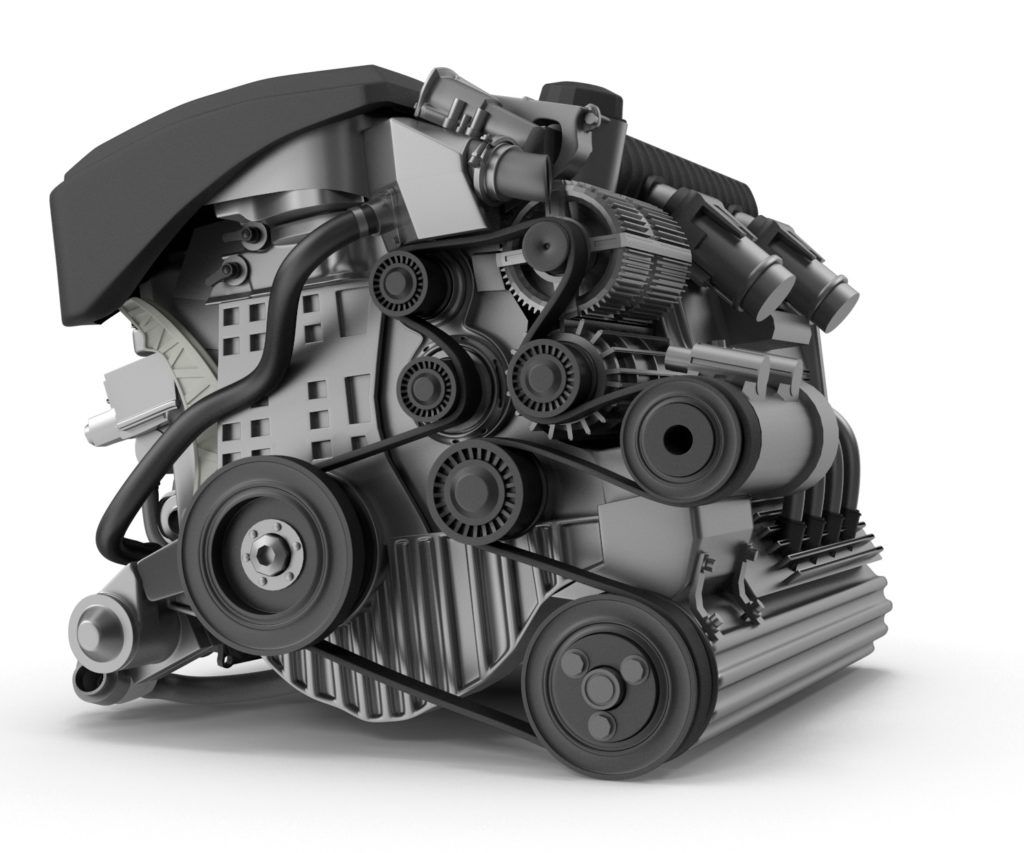
Credit: www.tolimas-auto.com
Frequently Asked Questions
Why Does My Car Make A Chirping Noise?
A chirping noise in your car often comes from worn belts or pulleys. It may also indicate loose or dry components. Early diagnosis prevents further damage and costly repairs.
Can A Loose Belt Cause Chirping Sounds?
Yes, a loose or slipping belt frequently causes chirping noises. It loses grip on pulleys, creating the sound. Regular belt checks keep your car running smoothly.
Is A Chirping Noise Harmful To My Car?
Ignoring chirping sounds can lead to belt failure or engine damage. Addressing the noise promptly helps maintain vehicle safety and performance.
How Can I Stop My Car From Chirping?
Inspect belts, tensioners, and pulleys for wear or looseness. Replacing worn parts or applying belt dressing often stops chirping. Professional service ensures accurate diagnosis and repair.
Conclusion
A car chirping like a bird can signal different issues. Often, it points to worn belts or loose parts. Ignoring the sound might cause bigger problems later. A quick check or visit to a mechanic helps keep your car safe.
Pay attention to unusual noises. Your car will thank you with smooth, quiet rides. Stay alert and fix small sounds early to avoid costly repairs.




