
Have you ever stumbled upon a bird feather and wondered what it means or what you should do next? That small, delicate feather might seem ordinary, but it can hold surprising clues about nature, your surroundings, and even yourself.
Whether you’re curious about its origin, interested in keeping it safe, or just want to know the right way to handle it, this guide has you covered. Keep reading to discover simple steps and fascinating facts that will turn that little feather into a meaningful find you won’t forget.
Identifying The Feather
Finding a bird feather can spark curiosity about its origin. Identifying the feather helps to learn about the bird it came from. This process involves examining different features such as the type, color, pattern, size, and shape. Each detail offers clues to narrow down the bird species. Understanding these aspects makes the discovery more meaningful and fun.
Types Of Bird Feathers
Birds have several types of feathers. Each type serves a unique purpose and has a distinct look.
- Flight feathers:Long and stiff, found on wings and tail. They help birds fly.
- Contour feathers:Cover the body, giving shape and color. They are smooth and firm.
- Down feathers:Soft and fluffy, found under contour feathers. They keep birds warm.
- Semiplume feathers:Between down and contour feathers, providing insulation and shape.
Knowing these types helps identify the feather’s role and bird species.
Colors And Patterns
Feather colors come from pigments or light reflection. Patterns may include spots, stripes, or bars.
- Bright colors often signal tropical or male birds.
- Earth tones like browns and grays blend with nature.
- Stripes or bars can indicate species or age.
- Irregular spots may show camouflage patterns.
Colors and patterns give strong hints about bird identity.
Size And Shape Clues
Feather size varies widely. Larger feathers suggest bigger birds or wing parts.
- Long, narrow feathers often belong to flying birds.
- Short, rounded feathers may come from small birds or body cover.
- Curved feathers might be from tail or wing edges.
- Stiff, pointed feathers usually support flight.
Shape and size help connect a feather to its bird type.
Handling The Feather Safely
Finding a bird feather can be exciting, but handling it safely is crucial to protect both yourself and the feather. Feathers can carry bacteria or parasites, so taking simple precautions helps you enjoy your find without risks. Let’s look at how to handle that feather carefully while keeping it pristine.
Hygiene Tips
Always wash your hands before and after touching the feather. This prevents any germs on your skin from transferring to the feather and stops potential bacteria from spreading to you.
If you’re unsure where the feather came from, consider wearing disposable gloves. This adds an extra layer of protection, especially if you plan to keep the feather for a long time.
Preserving The Feather
Keep the feather away from direct sunlight and moisture to avoid fading and mold growth. Store it in a dry, cool place like a sealed plastic bag or an acid-free envelope.
You can also gently clean the feather by brushing off dirt with a soft paintbrush or using a damp cloth—just make sure it dries completely before storing it again.
Avoiding Damage
Feathers are delicate. Avoid bending or crushing them, which can break the barbs and ruin their shape. Handle the feather by its quill (the hard shaft) rather than the soft plumes.
Try not to expose feathers to strong chemicals or heavy handling. Have you ever noticed how a single fold can change a feather’s beauty forever? Treat each feather with care to keep its natural charm intact.
Exploring Feather Symbolism
Finding a bird feather can feel like a simple, everyday moment. Yet, many people see deeper meanings in these delicate gifts from nature. Understanding feather symbolism can add a new layer of significance to your discovery and might even inspire you to reflect on your life or decisions.
Cultural Meanings
Different cultures assign unique meanings to feathers. In Native American traditions, feathers often represent honor and connection to the spiritual world. They are used in ceremonies and worn as symbols of bravery and respect.
In ancient Egypt, feathers symbolized truth and justice, linked to the goddess Ma’at. Meanwhile, in Celtic culture, feathers were seen as messages from the gods or signs of protection. Have you ever wondered how your cultural background might influence what you feel when you find a feather?
Spiritual Significance
Many believe feathers carry spiritual messages. Some say finding a feather is a sign that a loved one who has passed is near. Others view it as a nudge from the universe to pay attention to your thoughts or feelings at that moment.
When I found a bright white feather on a difficult day, it reminded me to stay hopeful. It felt like a small, quiet encouragement. How might you interpret a feather’s appearance in your own spiritual journey?
Common Interpretations
Feathers often symbolize freedom and flight because of their connection to birds. They can also represent growth, new beginnings, or a gentle reminder to rise above challenges.
- White feathers:Purity, peace, and protection
- Black feathers:Mystery, transformation, or warning
- Colorful feathers:Joy, creativity, and celebration
Next time you find a feather, consider its color and how it relates to your current situation. What message might it be sending you right now?
Credit: www.knau.org
Creative Uses For Feathers
Finding a bird feather can feel like discovering a tiny treasure. Instead of letting it sit unused, you can give it new life through creative projects. Feathers offer texture, color, and a natural element that can enhance many personal and decorative items.
Craft Ideas
Feathers make excellent materials for various crafts. You can glue them onto greeting cards for a unique touch or create feathered bookmarks that stand out in your book collection. Kids especially enjoy making feathered masks or dreamcatchers, which combine fun and creativity.
Have you tried combining feathers with other natural items like leaves or twigs? This mix creates visually interesting pieces that reflect nature’s diversity.
Home Decor Tips
Adding feathers to your home decor brings subtle elegance and a natural vibe. Place a few feathers inside a clear vase or glass bowl for a simple centerpiece. You can also attach feathers to curtain ties or lampshades to add unexpected texture.
Thinking about wall art? Feathers arranged in a shadow box or framed individually can make striking displays that invite conversation.
Jewelry Making
Feathers offer lightweight and colorful options for handmade jewelry. You can easily attach small feathers to earring hooks or weave them into braided bracelets for a boho style. Feather pendants on necklaces add a delicate, airy feel to any outfit.
Have you noticed how feathers catch the light? Using them in jewelry highlights their natural shimmer, making your accessories truly unique.
When To Contact Wildlife Experts
Finding a bird feather can be a fascinating experience, but it also raises important questions about when you should reach out to wildlife experts. Knowing the right time to contact professionals ensures you handle the situation responsibly and protect both the bird and yourself. Here’s what you need to consider.
Feathers From Protected Species
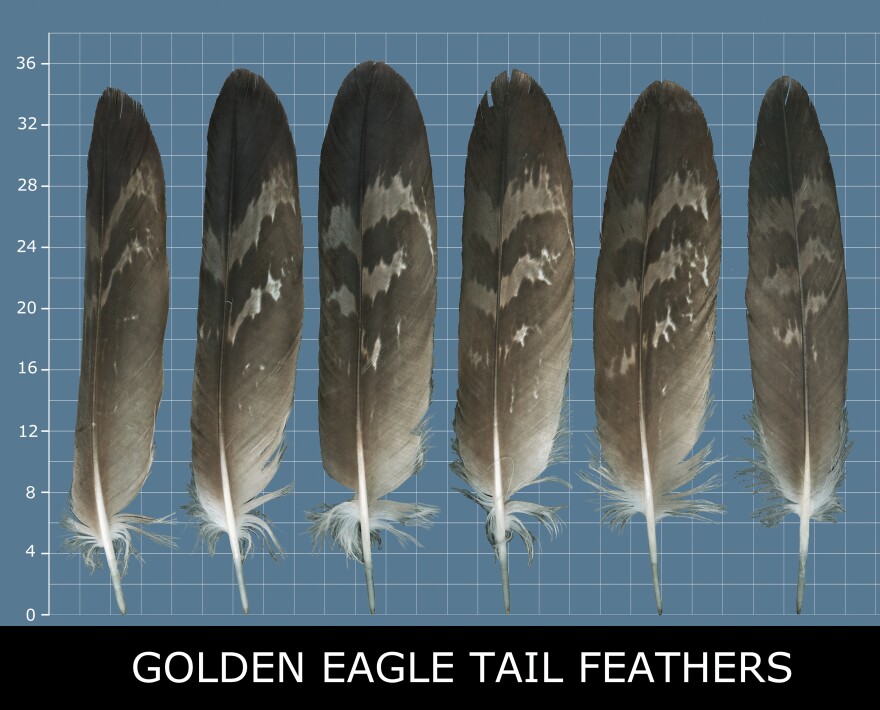
Some feathers belong to birds that are protected by law. If you recognize a feather from an eagle, hawk, owl, or any other species covered under wildlife protection laws, it’s best to contact experts immediately.
These feathers are not just beautiful—they’re often illegal to possess without proper permits. Wildlife authorities can guide you on the correct steps to take and help prevent any accidental legal trouble.
Reporting Injured Birds
Sometimes, a feather might be a sign that a bird nearby is hurt or in distress. If you find feathers scattered in an unusual way or see a bird struggling, don’t hesitate to call wildlife rehabilitators or animal rescue centers.
Quick action can make a difference in saving the bird’s life. Wildlife experts have the skills to provide the right care and know how to handle these situations safely.
Legal Considerations
Did you know that in many places, collecting certain bird feathers without permission can be illegal? Laws vary by region, but they often protect birds and their feathers to preserve wildlife populations.
Before keeping or sharing feathers you find, check local regulations. Consulting with wildlife experts can help you understand what’s allowed and avoid unintentional violations.

Credit: jeannenangle.com

Credit: www.youtube.com
Frequently Asked Questions
What Should I Do When I Find A Bird Feather?
Carefully pick up the feather using clean hands. Avoid damaging it. Store in a dry, safe place for observation or study.
Can Bird Feathers Indicate Bird Species?
Yes, feather color, size, and pattern help identify bird species. Use a field guide or online resource for accurate identification.
Is It Safe To Keep Found Bird Feathers?
Generally, yes. Clean feathers gently with water and air dry. Avoid feathers with visible damage or parasites to reduce risk.
Are There Legal Restrictions On Collecting Bird Feathers?
Yes, some regions protect certain birds and their feathers. Check local wildlife laws before collecting or keeping feathers to avoid legal issues.
Conclusion
Finding a bird feather can be a small, special moment. It connects you to nature in a simple way. Keep the feather safe and clean, and learn about the bird it came from. Sharing your find with others can bring joy and curiosity.
Feathers remind us to slow down and notice the little things. Enjoy the surprise and let it inspire you to explore more outdoors. Nature offers many small gifts like this, waiting to be discovered.




