
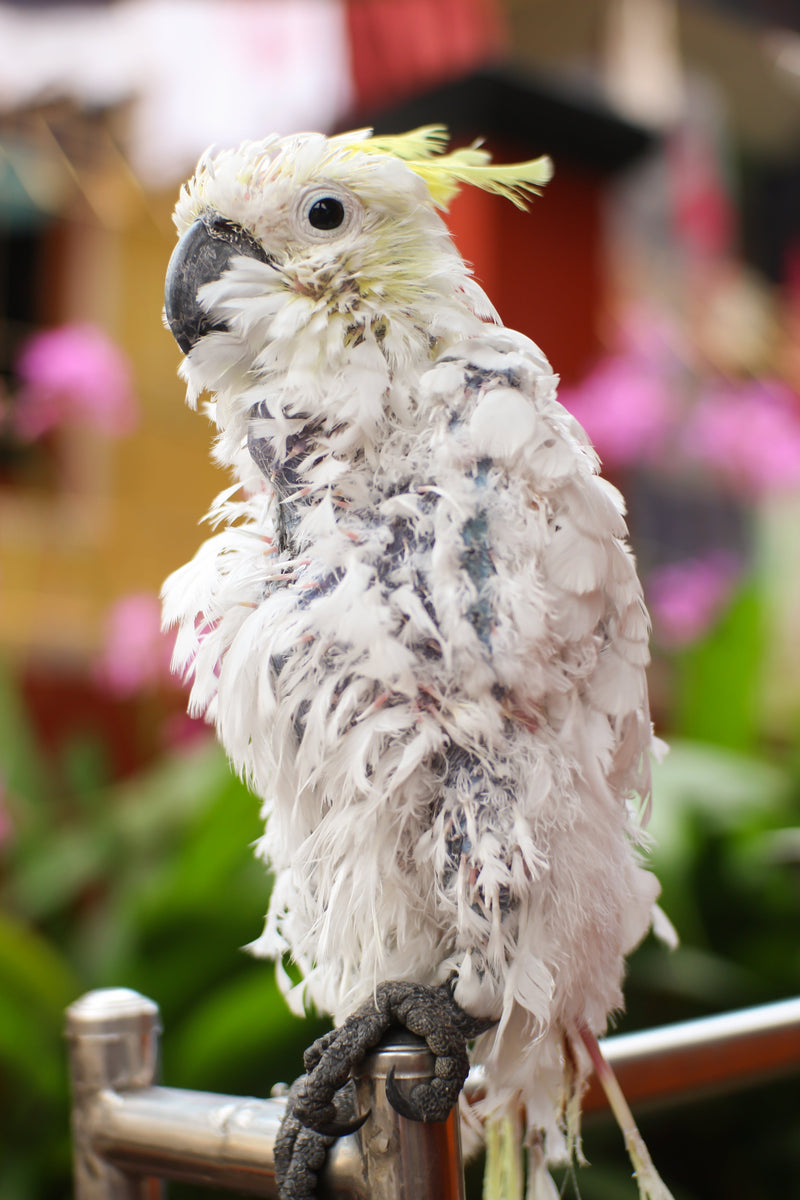
Have you noticed your bird losing feathers and wondered why it’s happening? Feather loss can be worrying for any bird owner.
You might ask yourself if it’s normal or if something is wrong with your feathered friend. Understanding what causes feather loss is the first step to helping your bird stay healthy and happy. You’ll discover the most common reasons behind feather loss and how you can spot the signs early.
Keep reading to protect your bird and ensure its feathers stay bright and strong.
Common Causes
Feather loss in birds can be alarming, and understanding its common causes helps you act quickly to protect your feathered friend. Several factors contribute to this issue, ranging from diet to health problems. Knowing what to look for can make a big difference in keeping your bird healthy and vibrant.
Nutritional Deficiencies
Birds need a balanced diet rich in vitamins and minerals to maintain healthy feathers. Lack of essential nutrients like vitamin A, calcium, or protein often leads to dull, brittle feathers that fall out easily.
Have you noticed your bird picking at its feathers more after switching foods? That’s a red flag signaling nutritional imbalance. Adding fresh fruits, vegetables, and high-quality pellets can improve feather condition dramatically.
Parasites And Mites
External parasites such as mites and lice irritate birds, causing them to scratch and lose feathers. These tiny pests hide in feathers and skin, leading to constant discomfort and damage.
When your bird suddenly becomes restless or starts plucking feathers, check for signs of parasites. A vet visit can confirm infestation, and treatments like medicated sprays or powders can stop the problem quickly.
Hormonal Changes
Hormonal fluctuations, especially during breeding season, can cause temporary feather loss. Birds may shed old feathers to make way for new growth, which is a natural process.
However, if feather loss seems excessive or prolonged, it might indicate hormonal imbalances or stress. Observing your bird’s behavior closely during these times helps you decide if professional advice is needed.
Environmental Factors
Environmental factors play a significant role in feather loss among birds. These external influences can disrupt your bird’s natural behavior and health, leading to issues like plucking or poor feather growth. Understanding these factors helps you create a safer and more comfortable home for your feathered friend.
Stress And Anxiety
Stress is a powerful trigger for feather loss in birds. Loud noises, sudden changes, or lack of social interaction can make your bird anxious. Have you noticed your bird pulling feathers after a new pet or loud construction nearby?
Providing a calm environment and consistent routine helps reduce stress. Offering toys and regular playtime can keep your bird mentally stimulated and less prone to feather plucking.
Poor Living Conditions
Living in cramped or dirty cages can harm your bird’s feathers. Lack of space limits exercise, while unclean surroundings expose your bird to infections. Are you cleaning your bird’s cage regularly and giving it enough room to spread its wings?
Improving cage size and hygiene directly supports healthy feather growth. Make sure your bird has fresh water, balanced food, and a cozy perch to rest comfortably.
Exposure To Toxins
Toxins like smoke, household chemicals, or even certain plants can cause feather damage and loss. Birds are very sensitive to air quality, and poor ventilation can worsen the problem. Have you checked your home for potential toxic substances that your bird might encounter?
Keeping your bird’s environment free from pollutants prevents feather loss and respiratory issues. Use bird-safe cleaning products and avoid smoking indoors to protect your pet’s health.
Health Issues
Feather loss in birds often points to health issues beneath the surface. These problems affect the bird’s skin, feathers, and overall wellbeing. Understanding the health causes helps in spotting early signs and seeking care.
Skin Infections
Skin infections cause irritation and damage to feathers. Bacteria, fungi, or parasites can infect the skin. Birds may scratch or pluck feathers to ease discomfort. These infections lead to redness, swelling, and feather loss. Prompt treatment stops the infection from worsening.
Allergies
Birds can develop allergies to food, dust, or environmental factors. Allergies irritate the skin and feathers. Itching causes birds to scratch or pull feathers out. Feather loss appears around the head, neck, or wings. Identifying allergens reduces symptoms and feather damage.
Underlying Diseases
Some diseases cause feather loss as a side effect. Viral, bacterial, or fungal illnesses weaken feathers. Conditions like mites or nutritional deficiencies also harm feather growth. Birds may show lethargy, weight loss, or changes in behavior. A vet checkup helps detect these hidden problems early.

Credit: chooks.co.nz
Behavioral Reasons
Feather loss in birds often stems from behavioral reasons that are closely tied to their mental and emotional well-being. Unlike physical ailments, these causes are rooted in how birds interact with their environment and themselves. Understanding these behaviors can help you identify the signs early and take steps to improve your bird’s quality of life.
Feather Plucking
Feather plucking is a common behavior where birds pull out their own feathers, leading to bald patches. This is not just a bad habit but often a sign of stress, anxiety, or discomfort.
Birds may start plucking due to changes in their environment, such as new pets, loud noises, or even changes in your routine. Have you noticed your bird plucking more after you leave for work or when there’s a lot of noise at home?
Addressing feather plucking means looking beyond the surface. You might need to provide more stimulation, reduce stressors, or consult an avian vet to rule out underlying health issues.
Boredom And Loneliness
Boredom and loneliness are major triggers for feather loss in birds. Birds are social creatures who need interaction and mental engagement to stay healthy.
If your bird spends most of its time alone in a cage without toys or companionship, it can start to lose feathers simply out of frustration or sadness. Think about how you feel when stuck alone with nothing to do—your bird feels the same.
Try adding new toys, rotating them regularly, or spending more time interacting with your bird. Even playing music or providing a companion bird can make a huge difference in preventing feather loss caused by boredom and loneliness.
Preventive Measures
Preventing feather loss in birds starts with understanding what keeps their feathers healthy and vibrant. You can take simple yet effective steps to reduce stress and avoid common causes of feather damage. These preventive measures not only improve your bird’s appearance but also boost its overall well-being.
Balanced Diet
Your bird’s feathers need the right nutrients to grow strong. A diet rich in vitamins A, D, and E, along with essential fatty acids, supports healthy feather development. Fresh fruits, vegetables, and quality pellets should be staples in their meals.
Have you noticed if your bird prefers certain foods over others? Sometimes picky eating can signal nutritional gaps. Adding variety helps cover all bases and prevents deficiencies that might lead to feather loss.
Regular Vet Checkups
Routine visits to an avian vet catch potential health issues before they affect feathers. Parasites, infections, or hormonal imbalances can cause unexpected feather problems. Early detection means quicker treatment and less stress for your bird.
Consider how often you schedule your bird’s checkups. Twice a year is a good rule, but if you see unusual feather changes, don’t wait. Getting professional advice keeps you ahead of trouble.
Enrichment Activities
Birds need mental and physical stimulation to prevent boredom, which often leads to feather plucking. Provide toys, puzzles, and opportunities to forage to keep their minds busy.
Does your bird have favorite activities or toys? Rotate them regularly to maintain interest. Engaged birds are happier birds, and happier birds keep their feathers intact.

Credit: nestera.co.uk
Credit: www.tassiebirdandpoultrysupplies.com
Frequently Asked Questions
What Are Common Causes Of Feather Loss In Birds?
Feather loss in birds often results from molting, stress, poor nutrition, parasites, or illness. Identifying the cause helps in proper treatment and care. Monitoring behavior and environment is essential to pinpoint the exact reason behind feather loss.
Can Stress Cause Birds To Lose Feathers?
Yes, stress can trigger feather plucking or loss in birds. Changes in environment, loud noises, or lack of social interaction increase stress. Managing stressors and providing a calm habitat can reduce feather loss caused by stress.
How Do Parasites Lead To Feather Loss In Birds?
Parasites like mites and lice irritate birds, causing itching and feather damage. Birds may pluck feathers to relieve discomfort. Regular parasite control and hygiene are vital to prevent feather loss from infestations.
Is Feather Loss A Sign Of Bird Illness?
Feather loss can indicate underlying health issues such as infections or nutritional deficiencies. A vet checkup is crucial if feather loss is sudden or severe. Early diagnosis ensures proper treatment and bird recovery.
Conclusion
Feather loss in birds can happen for many reasons. Stress, illness, parasites, or poor diet all play roles. Watching your bird closely helps catch problems early. A healthy bird needs good food, clean space, and care. If feathers fall out a lot, see a vet soon.
Understanding causes helps keep birds safe and happy. Small steps can make a big difference in their health. Caring well means your bird stays bright and strong.




