
To help a wounded bird, protect it from immediate danger, handle it as little as possible, place it in a secure ventilated box, and contact a licensed wildlife rehabilitator promptly. Do not try to nurse a wild bird back to health with food, water, medication, or home treatment unless a qualified professional tells you to do so.
First make sure the area is safe for you and the bird. Then observe from a short distance for bleeding, breathing problems, a hanging wing, an inability to stand, or other signs of serious injury. A quiet, dark container usually causes less stress than continued handling or trying to keep the bird in your hands.
The guidance below is for a wild bird that appears injured. Young birds on the ground are not always injured, so check the situation before intervening.

Credit: www.reddit.com
Identifying Injuries
Birds often conceal weakness, so an unusual posture or lack of movement can be significant. Watch the bird for a few moments from a safe distance before approaching. Do not chase it or repeatedly pick it up to inspect it.
Common signs of injury
- Active bleeding, an open wound, or blood on the feathers
- A wing that hangs lower than the other or an obviously deformed leg
- Inability to stand, perch, walk, or use one or both wings normally
- Lying on its side or back, or remaining in an unusual position
- Severe weakness, collapse, unresponsiveness, or very limited movement
- Labored, rapid, or noisy breathing; repeated open-mouth breathing is especially concerning
- A swollen, closed, or injured eye
- Fluffed feathers combined with weakness, shivering, or an inability to move away
- Evidence of collision, entanglement, or contact with a cat or other animal
Injury or a young bird learning to fly?
A fully feathered fledgling may spend time on the ground while learning to fly. It may hop, grip a branch or finger, and call to nearby parents. If it is alert and uninjured, keep pets and people away and observe from a distance rather than automatically taking it indoors. If it is in immediate danger, move it only a short distance to a sheltered nearby spot.
A nestling with little or no feather coverage may need to be returned to its nest if that can be done safely. Human scent does not generally cause parent birds to abandon a young bird. If the nest is destroyed or cannot be reached, contact a wildlife rehabilitator for instructions.
When to intervene immediately
Contain the bird and seek professional advice promptly when there is bleeding, breathing difficulty, a suspected fracture, loss of balance, severe weakness, or an obvious wound. Birds caught by cats need urgent professional guidance even when no wound is visible, because punctures and other injuries may be hidden.
If you are unsure whether a bird is injured, call a wildlife rehabilitator before handling it. Avoid taking a healthy fledgling away from its parents, and avoid prolonged handling of any bird.

Credit: www.brieftaubenshop.de
Initial Safety Measures
Rescue begins with safety. A frightened bird can scratch, bite, or injure itself while trying to escape. You can also be exposed to droppings or other contaminants. Keep children and pets away, wash your hands after handling the container, and avoid contact with your face.
Approach the bird carefully
Move slowly and quietly. Do not run after a bird that can still fly, and do not corner it in an open area unless it is in immediate danger. Close doors or windows if possible, remove nearby hazards, and reduce noise.
If the bird is on the ground and cannot move away, have a small box and towel ready before approaching. A lightweight towel can be placed gently over the bird to reduce visual stimulation. Never throw a towel over a bird from a distance, squeeze its chest, or hold it by a wing, leg, or tail.
Use sensible protection
Wear disposable or sturdy gloves if available, particularly when the bird is large, has a strong beak, or is visibly distressed. Gloves do not make rough handling safe, so use the least force necessary. Birds must be able to move their chest to breathe; do not wrap the body tightly or restrain the breast.
If the bird is a raptor, heron, gull, swan, or another large or powerful species, do not attempt a hands-on rescue unless a trained professional gives you specific instructions. Contact a wildlife rehabilitator or appropriate local animal service instead.
Creating a Safe Temporary Environment
A secure container is usually safer than a cage. A cage gives an injured bird room to flap into the bars, while a small box limits movement and helps it remain calm until professional care is arranged.
Choose a quiet location
Place the container in a quiet, dim room at a comfortable indoor temperature. Keep it away from direct sunlight, drafts, heating vents, loud appliances, children, and pets. Do not repeatedly open the box to check the bird; observation and handling can increase stress.
Set up a temporary shelter
Use a sturdy cardboard box with a secure lid or a suitable pet carrier. The container should be large enough for the bird to sit or lie in a natural position, but not so large that it can fly around. If using a box, make several small air holes before placing the bird inside.
- Line the bottom with a smooth towel or clean T-shirt so the bird has traction.
- Avoid loose loops, frayed fabric, wire, or materials that can catch claws or beaks.
- Keep the lid closed or the carrier secured while allowing adequate ventilation.
- Place the container on a stable surface where it cannot be knocked over.
Do not put a dish, perch, toys, or other objects inside the box. These can spill, injure the bird, or encourage unnecessary movement. If the bird is cold, ask the rehabilitator whether supplemental warmth is appropriate. Do not use a heating pad or hot-water bottle unless a professional directs you, because overheating and burns are possible.
Handling and Transporting a Wounded Bird
Once the bird is contained, the priority is prompt advice from a wildlife rehabilitator. Transport may be appropriate if a professional or local wildlife authority directs you, but call ahead when possible so you know whether the facility can accept the bird and where to take it.
How to place the bird in a box
- Prepare the lined box before trying to catch the bird.
- Approach slowly and use a towel to cover the bird’s head and body without restricting its breathing.
- Gently gather the wings against the body and support the bird from underneath.
- Place it in the box rather than carrying it around in your hands.
- Close the lid securely and wash your hands after removing your gloves.
Do not hold a bird tightly, stretch or straighten an injured wing, pull out a snared feather, set a bone, apply ointment, or attempt to clean a deep wound. These actions can worsen the injury and may interfere with professional treatment.
Transport safely
- Keep the container level, closed, ventilated, and secured so it cannot slide.
- Keep the vehicle quiet and at a moderate temperature; never leave the bird in a parked car.
- Do not play loud music, handle the bird during the journey, or stop to offer food and water.
- Take the most direct practical route to the facility or location recommended by the rehabilitator.
- Tell the rehabilitator where the bird was found and describe any collision, entanglement, or animal contact.
Location matters because returning a bird to the correct area may be important if it can eventually be released. Note the approximate location without delaying urgent care.
Providing Basic Care While Waiting
For most injured wild birds, basic care means protection, quiet, and a safe temperature while you arrange expert help. It does not mean trying to diagnose the injury or provide a complete diet at home.
Do not force food or water
Do not pour water into a bird’s beak or use a dropper or syringe unless a wildlife professional specifically instructs you. Liquid can enter the lungs, and a stressed or unconscious bird may be unable to swallow safely. A dish can also spill onto the feathers and chill the bird.
Do not offer bread, milk, seasoned food, or an improvised diet. Different species and ages have very different nutritional needs, and feeding can delay transport or complicate treatment. Ask the rehabilitator whether anything should be offered; in many short-term rescue situations, the safest choice is no food or water until the bird is assessed.
Maintain a comfortable temperature
Keep the box indoors in a quiet area away from drafts and direct heat. A bird that is cold, wet, or in shock may need carefully controlled warming, but too much heat can be dangerous. Do not place the box directly on a radiator or in direct sun. Ask a rehabilitator for species- and condition-specific instructions rather than relying on a heating device.
Minimize stress
Leave the bird in the darkened container and avoid taking photographs, handling it for inspection, or allowing people to watch. Stress can be harmful even when an injury looks minor. If the bird’s condition worsens, update the wildlife professional immediately.
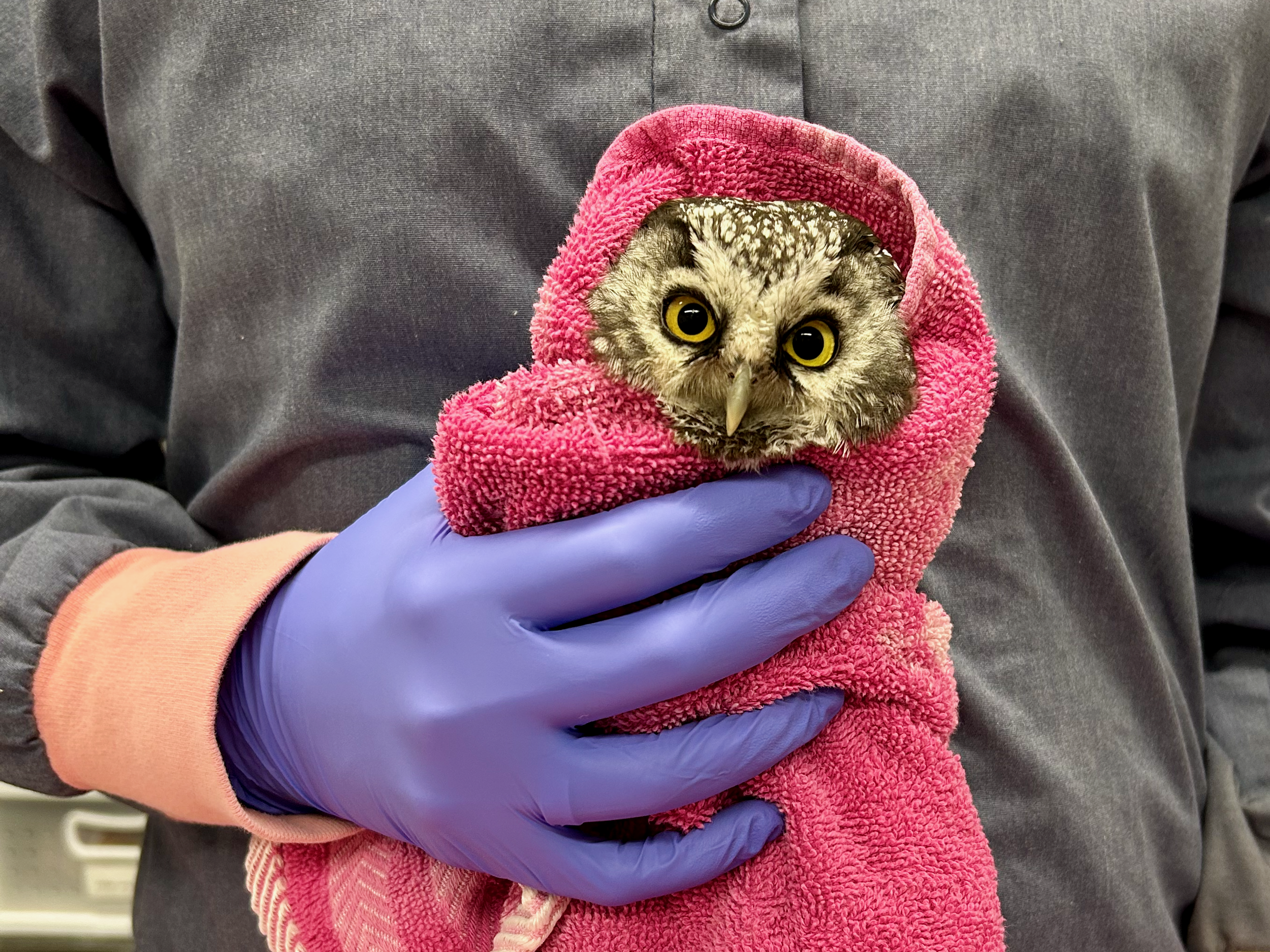
Credit: www.birdtlc.org
When to Seek Professional Help
Wild birds require specialized assessment, and many species cannot legally be kept or treated by members of the public. Contact a licensed wildlife rehabilitator as soon as possible for any bird that is injured, ill, unable to fly normally, or caught by a cat or other animal.
Contact a wildlife rehabilitator
Search for a local wildlife rehabilitation organization or contact the relevant wildlife authority in your area. Call before traveling because intake rules, hours, and species expertise vary. Explain what happened, where the bird was found, whether it is bleeding or breathing normally, and whether it has had contact with a cat.
If no rehabilitator is immediately available, ask a veterinarian or local animal service for the next appropriate contact. Do not release an injured bird simply because it becomes quiet in the box; weakness can look like calmness.
Understand legal responsibilities
Wild birds and their nests may be protected under local or national laws. Rules differ by location and species, and permits may be required to possess or treat wildlife. A licensed rehabilitator can provide lawful care and advise you about the next step. Keep the bird only as long as necessary to transfer it to qualified help.
Preventing Future Injuries
After the immediate rescue, simple changes can reduce common hazards around homes and gardens. Keep cats indoors or closely supervised, especially during nesting and fledgling seasons. Remove or secure fishing line, netting, string, and other materials that can entangle birds.
Make windows and outdoor spaces safer
- Use exterior window markings or other bird-safe collision deterrents, especially on large reflective windows.
- Position feeders away from hazardous glass or close enough that a collision is less likely to become a high-speed impact.
- Keep drinking and feeding areas clean and place them where pets cannot reach them.
- Avoid loose netting, sharp garden items, and exposed chemicals.
- Follow product directions carefully and limit pesticide use where possible.
- Do not disturb active nests or remove healthy fledglings from their parents.
Share practical information
Tell household members what to do if they find a bird: keep pets away, avoid feeding it, use a ventilated box only when necessary, and contact a wildlife professional. Sharing the number for a local rehabilitator with neighbors can make it easier to get help quickly.
Frequently Asked Questions
How do I safely catch a wounded bird?
Prepare a ventilated box lined with a smooth towel. Approach slowly, gently cover the bird with a towel, and support its body while keeping the wings close without squeezing the chest. Place it in the box and close the lid. Do not chase a bird that is able to fly safely, and seek specialized advice before handling large or powerful birds.
What immediate care does a wounded bird need?
Protect it from people, pets, weather, and further danger. Place it in a quiet, dark, secure, ventilated box if handling is necessary, then contact a wildlife rehabilitator. Do not give food, water, medication, or home treatment unless a qualified professional instructs you.
When should I take a wounded bird to a vet?
Seek urgent professional help for bleeding, breathing difficulty, suspected fractures, severe weakness, an injured eye, an inability to stand, or any cat or animal contact. A wildlife rehabilitator is often the best first contact because they understand wild-bird care and can direct you to an appropriate veterinarian when needed.
Can I feed a wounded bird at home?
Usually, do not feed a wild bird while waiting for professional advice. Species, age, injury, and condition determine what is safe, and forced food or water can cause aspiration or other harm. Never offer milk, bread, or human food. Follow only instructions given by a wildlife professional.
Conclusion
The safest way to help a wounded bird is to reduce danger and stress, not to provide extensive home treatment. Observe carefully, use a secure ventilated box when necessary, keep the bird quiet, avoid food and water unless advised, and contact a licensed wildlife rehabilitator promptly.
Quick, gentle action can prevent further injury while the bird is transferred to someone qualified to assess and treat it. If the bird is a healthy fledgling, however, protecting the area and reuniting it with its parents may be more helpful than removing it.




