
Are you wondering if you can place your hummingbird feeders close to your regular bird feeders? It’s a common question for many bird lovers like you who want to attract a variety of feathered friends to your yard.
Knowing the right way to set up your feeders can make a big difference in how often and how happily these beautiful birds visit. You’ll discover the best tips and tricks to keep your hummingbirds safe and comfortable while sharing space with other birds.
Keep reading to find out how you can create a welcoming spot for all your backyard visitors!

Credit: www.kitchenparade.com
Hummingbird Feeder Basics
Setting up hummingbird feeders is more than just hanging a container filled with nectar. Understanding the basics can make your garden a hummingbird hotspot. It’s about choosing the right feeder type and location to keep these tiny birds safe, happy, and coming back for more.
Types Of Hummingbird Feeders
Hummingbird feeders come in various designs, each with its advantages. Some have multiple feeding ports, allowing several birds to feed at once. Others are simple single-port feeders, which can be easier to clean and refill.
Look for feeders made of durable materials like glass or BPA-free plastic. Red accents attract hummingbirds, but avoid feeders with yellow parts, as they can attract bees instead.
- Top-fill feeders:Easy to refill without taking down the feeder.
- Perch feeders:Provide a resting spot, which can help slower birds feed comfortably.
- Ant moats:Designed to keep ants away from the nectar.
Choosing The Right Location
Placement affects how often hummingbirds visit. Choose a spot with some shade to keep the nectar fresh longer. Too much sun can cause the nectar to spoil quickly.
Consider putting feeders near flowers that hummingbirds like. This makes your garden more attractive and provides natural food options. However, keep feeders away from areas with heavy wind or where predators like cats can easily reach them.
Have you ever noticed how hummingbirds prefer feeders that are visible but safe? Try hanging feeders where you can watch them but where they feel protected from sudden movements or loud noises.
Regular Bird Feeders Explained
Regular bird feeders are common tools used to attract wild birds to your yard. They come in various styles designed to hold different types of bird food. These feeders help bird lovers observe a range of species up close. Understanding regular bird feeders helps decide if they can be placed near hummingbird feeders.
Each feeder type offers unique benefits and attracts certain bird species. The choice depends on what birds you want to see and the food you provide. Below is a look at popular feeder types and the birds they attract.
Popular Feeder Types
- Tube Feeders:Long, cylindrical feeders with small feeding ports. Ideal for sunflower seeds or mixed seeds.
- Platform Feeders:Flat trays that hold various food types. Good for larger seeds, fruits, and suet.
- Hopper Feeders:House-shaped feeders that store a lot of seed. Dispense seed gradually to reduce waste.
- Suet Feeders:Cages designed to hold suet cakes. Great for insect-eating birds, especially in winter.
- Niger Seed Feeders:Small-holed feeders for tiny niger seeds. Attract finches like American goldfinches.
Common Bird Species Attracted
- Finches:Such as house finch and goldfinch. Prefer tube and niger seed feeders.
- Sparrows:Like house sparrows and song sparrows. Visit platform and hopper feeders often.
- Cardinals:Bright red birds that enjoy sunflower seeds from tube or hopper feeders.
- Chickadees:Small, curious birds attracted to sunflower seeds and suet.
- Woodpeckers:Often seen at suet feeders, especially in colder months.
Feeder Placement Strategies
Placing hummingbird feeders near regular bird feeders needs careful planning. Proper placement helps both types of birds feed comfortably. It reduces competition and keeps hummingbirds safe. Using smart feeder placement strategies invites more birds to your yard. Understanding space, height, and visibility is key to success.
Distance Between Feeders
Keep hummingbird feeders at least 10 feet away from regular feeders. This distance helps prevent larger birds from scaring hummingbirds. Hummingbirds prefer quieter, less crowded feeding spots. A good gap allows each bird type to feed without stress. Use natural barriers like shrubs or trees to separate feeders.
Height And Visibility Considerations
Hang hummingbird feeders at eye level or slightly higher. This height makes them easy for hummingbirds to find. Place regular feeders lower or in open areas to avoid overlap. Ensure feeders are visible from different angles. Avoid placing feeders in direct sun all day. Partial shade keeps nectar fresh longer and attracts more hummingbirds.
Behavioral Traits Of Hummingbirds
Understanding the behavioral traits of hummingbirds can be key in deciding whether you can place hummingbird feeders near regular bird feeders. These tiny, vibrant creatures are more than just delightful to watch; they have distinct habits and personalities that influence their interactions with other birds. By learning about these traits, you can create a more harmonious environment in your backyard, inviting a variety of birds to coexist peacefully.
Territorial Nature
Hummingbirds are notoriously territorial. They often guard their food sources fiercely, especially if they find a feeder they like. You may notice a single hummingbird chasing others away from a particular feeder, determined to keep it all to itself. This behavior can sometimes extend to other bird species as well. If you place a hummingbird feeder near a regular bird feeder, be prepared for some territorial disputes. However, this can also be an opportunity to observe fascinating bird interactions up close.
Feeding Habits
Hummingbirds feed frequently throughout the day. Their high metabolism requires them to consume large amounts of nectar, which means they might visit your feeder multiple times a day. Unlike other birds that may be content with seeds or nuts, hummingbirds rely on sugary nectar for energy. This difference in diet can actually work in your favor when placing feeders close together. By ensuring that both types of feeders are always filled, you can provide nourishment for a wider variety of birds without too much competition for food.
Have you ever watched a hummingbird hover effortlessly while feeding? This unique feeding behavior allows them to access their food without needing to perch, unlike many other birds. This ability can reduce direct competition at the feeder, as they can quickly feed and move on, reducing the time spent in direct conflict with other bird species.
In your own backyard, have you noticed how different species interact? Do you see the same territorial behaviors, or do the birds seem to share the space peacefully? Observing these interactions can provide valuable insights into how best to arrange your feeders for harmony and enjoyment.
Interactions Between Feeder Types
Placing hummingbird feeders near regular bird feeders creates a unique environment. Different bird species gather in the same area. Their behaviors and needs vary greatly. Understanding how these feeders interact helps create a peaceful feeding space. It also encourages more bird visits and enjoyment.
Potential Conflicts
Hummingbirds are small and quick. Larger birds at regular feeders may scare them away. Aggressive birds like squirrels or jays can dominate the area. This limits hummingbirds’ access to nectar. Crowding can cause stress and reduce feeding times. Disease spread is possible if feeders are too close. Cleanliness becomes harder to maintain with many birds nearby.
Benefits Of Proximity
Keeping feeders close can attract more bird species. Watching different birds adds excitement to your garden. Hummingbirds and other birds use different food types. This reduces direct competition for food. Nearby feeders help birds find food easily. Grouping feeders can make feeding spots safer. Predators find it harder to approach many birds at once. Overall, it creates a lively and diverse bird habitat.
Maintenance And Hygiene Tips
Keeping your hummingbird and regular bird feeders clean is essential for the health of visiting birds. Proper maintenance prevents disease and keeps the feeders inviting for your feathered friends. Let’s look at some key tips to maintain hygiene without much hassle.
Cleaning Frequency
How often you clean your feeders can make a big difference in bird health. Hummingbird feeders should be cleaned every 2-3 days, especially in warm weather when nectar spoils quickly.
Regular bird feeders need cleaning at least once a week to remove old seeds and debris. If you notice mold or clumped seeds, clean them immediately to avoid risks.
Keeping a cleaning schedule helps you stay consistent and protects the birds from harmful bacteria.
Preventing Mold And Bacteria
Mold and bacteria grow fast in moist environments, especially in hummingbird feeders filled with sugary nectar. Use a solution of one part white vinegar to four parts water for safe and effective cleaning.
Rinse feeders thoroughly after cleaning to remove any residue that could harm birds. Also, avoid using soap as it can leave harmful traces.
Place feeders in shaded areas to slow down nectar spoilage and reduce mold growth. Have you noticed how a little shade makes the nectar last longer?
Seasonal Adjustments
Placing hummingbird feeders near regular bird feeders requires careful seasonal adjustments. During busy seasons, keep them apart to reduce competition. In quieter months, closer placement can help attract more birds without disturbing hummingbirds.
Seasonal changes impact bird feeding habits and behaviors. These changes require adjustments to feeder arrangements. Birds migrate, breed, and alter their diets with the seasons. This influences where and how you place feeders. Understanding these seasonal shifts enhances your birdwatching experience.Feeder Placement In Different Seasons
In winter, place feeders in sheltered areas. This helps birds conserve energy. Avoid windy spots to provide a calm feeding environment. In spring, consider moving feeders closer to blossoming plants. Birds enjoy nectar and insects from these blooms. Summer heat requires shaded feeder spots. This keeps nectar fresh and seeds dry. During fall, position feeders near trees with berries. Migrating birds often seek these natural food sources.Adapting To Bird Migration Patterns
Bird migration patterns vary with the seasons. Hummingbirds travel long distances during migration. Place feeders in open areas for easy visibility. Ensure feeders are accessible during peak migration months. Replace sugar water more often during migration. This supports the high energy needs of hummingbirds. Regular bird feeders also need adjustments. Migratory birds may visit them more frequently. Be ready to refill feeders often to meet demand. Adjust feeder types based on seasonal bird populations. This attracts a diverse range of species.
Credit: www.yahoo.com
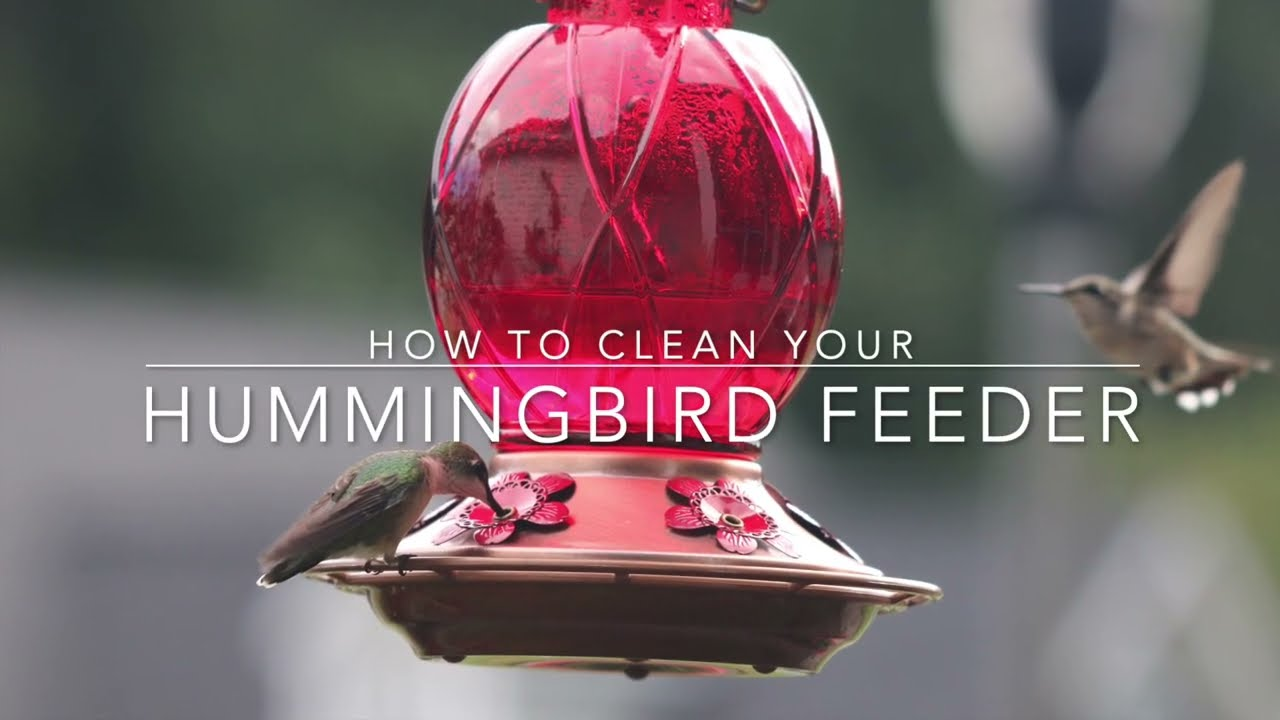
Credit: growcycle.com
Frequently Asked Questions
Can Hummingbird Feeders Be Placed Near Regular Bird Feeders?
Yes, hummingbird feeders can be near regular bird feeders. Keep at least 10 feet apart to avoid competition and attract diverse birds safely.
Will Regular Bird Feeders Affect Hummingbird Feeding Behavior?
Regular feeders do not usually affect hummingbirds. Hummingbirds prefer nectar, so they focus on sugar water feeders instead of seed feeders.
How Far Should Hummingbird Feeders Be From Other Feeders?
Place hummingbird feeders at least 10 feet from other feeders. This reduces aggression and allows hummingbirds to feed peacefully.
Can Placing Feeders Close Cause Bird Aggression?
Yes, close placement can cause territorial disputes. Give hummingbirds space to prevent conflicts with larger, aggressive birds at regular feeders.
Conclusion
Hummingbird feeders can sit near regular bird feeders safely. Keep some space between them to avoid crowding. This helps hummingbirds feel calm and visit often. Clean both feeders regularly to stop mold and germs. Watch how birds share the space over time.
Simple care makes your garden a happy place for all birds. Enjoy the colorful visits from hummingbirds and other birds together. This small effort brings nature closer to your home.




