
Have you ever wondered what your backyard visitors are really up to? Bird feeders with cameras let you see every flutter, chirp, and curious glance up close.
But are they worth the investment? If you love birds and want to capture their beauty without missing a moment, this might be just what you need. Keep reading to find out how these gadgets can change your birdwatching experience—and whether they’re the right choice for you.
Benefits Of Bird Feeders With Cameras
Bird feeders with cameras offer more than just a way to feed local wildlife—they open a window into the secret lives of birds visiting your garden. These devices bring you closer to nature, letting you observe behaviors and details that often go unnoticed. The benefits go beyond simple bird feeding, enriching your experience in several exciting ways.
Capturing Close-up Bird Moments
With a camera right at the feeder, you can capture stunning close-up shots of birds. This lets you see intricate feather patterns, colors, and expressions that you would miss from a distance.
Imagine snapping a photo of a rare bird right as it lands or catches a seed—moments that are often too quick to catch with the naked eye. These images can be treasured or shared with fellow bird lovers, turning your backyard into a personal bird gallery.
Learning About Local Bird Species
Having a camera feed gives you a chance to identify different species visiting your feeder. You might notice birds you never realized lived in your area.
This firsthand observation helps you learn about their habits, feeding preferences, and seasonal patterns. Over time, you’ll start recognizing individual birds and their unique behaviors, making your bird watching more meaningful and educational.
Enhancing Bird Watching Experience
Bird feeders with cameras transform casual watching into an interactive hobby. You can watch birds without disturbing them, allowing natural behavior to unfold.
Plus, you can share live streams with friends or family, making bird watching a social activity. Have you thought about how technology can deepen your connection with nature right from your home?
Types Of Bird Feeders With Cameras
Bird feeders with cameras come in various types designed to capture wildlife moments clearly. Each type offers unique features that fit different needs and budgets. Choosing the right one depends on your goals and where you place the feeder.
Some feeders have cameras built into their design. Others allow you to attach a separate camera. There are also options based on how the camera connects and operates. Understanding these types helps in picking the best feeder for your birdwatching.
Built-in Camera Feeders
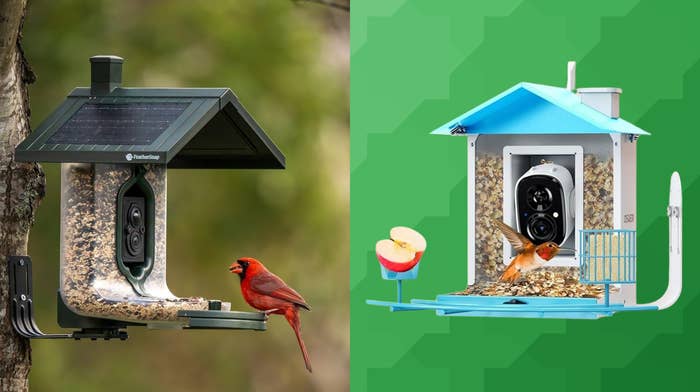
These feeders have cameras integrated into their structure. They offer a neat, all-in-one solution. The camera is usually small but designed to focus on the feeding area. Setup is simple since the camera is already part of the feeder.
Built-in camera feeders often include features like motion detection and night vision. They capture clear images without extra equipment. However, they may have limited camera options and less flexibility for upgrades.
Attachable Camera Options
This type allows users to add their own camera to a standard bird feeder. It suits bird lovers who already own cameras or want specific features. Attachable cameras can be positioned for better angles and zoom levels.
They provide more customization but require more setup. You must ensure the camera fits securely and has a clear view. This option works well for tech-savvy users wanting control over camera quality.
Wireless Vs Wired Cameras
Wireless cameras connect using Wi-Fi or Bluetooth. They allow remote viewing and easy placement. You can watch birds live on your phone or computer without cables. Battery-powered wireless cameras offer flexibility but need recharging.
Wired cameras connect through cables for power and data. They provide stable, continuous power and often better video quality. Installation is more complex, and placement depends on cable length. Wired cameras suit fixed locations with power access.
Factors To Consider Before Buying
Before you invest in a bird feeder with a camera, it’s important to weigh several factors that can impact your overall experience. These devices aren’t just about watching birds—they’re about capturing moments, ease of use, and durability. Understanding what to look for helps you get the best value and satisfaction from your purchase.
Camera Quality And Features
The quality of the camera is crucial. You want clear images and smooth video to truly enjoy the birds’ behavior. Look for features like high resolution, night vision, and motion detection to catch every detail, even in low light or when the birds first arrive.
Consider if the camera offers zoom capabilities or a wide viewing angle. These help you observe both close-ups and multiple birds at once. Ask yourself: Will I use video clips, photos, or both? This decision guides you to the right camera specs.
Ease Of Installation And Use
You don’t want a complicated setup that drains your enthusiasm. Choose a feeder camera that’s easy to mount and adjust without needing special tools. Check if the device connects seamlessly to your phone or computer for live viewing.
Also, consider the app or software usability. Is it intuitive? Can you save or share footage quickly? A simple user experience keeps your birdwatching fun and hassle-free.
Durability And Weather Resistance
Bird feeders spend most of their time outdoors, facing rain, wind, and sun. Make sure your camera and feeder are built to handle harsh weather. Look for waterproof or weatherproof ratings and materials that resist rust and fading.
Think about your local climate. If you live in a rainy or snowy area, a sturdy, sealed design becomes even more important. Will your feeder last through seasons, or will you need replacements often?
Price And Budget
Bird feeders with cameras range widely in price. Set a budget that balances your desired features with what you’re willing to spend. More expensive models often offer better image quality and durability, but basic models can still deliver enjoyable birdwatching.
Ask yourself what features you cannot compromise on. Sometimes spending a bit more upfront saves money later on repairs or upgrades. Are you ready to invest in a premium device, or would a simpler option suit your needs better?

Credit: www.nationalgeographic.com
Common Challenges And Limitations
Bird feeders with cameras offer exciting ways to watch wildlife up close, but they come with their own set of challenges. Understanding these limitations helps you decide if the investment fits your needs and lifestyle. Let’s break down some common issues you might face.
Technical Issues And Maintenance
Tech gadgets often demand attention, and bird feeders with cameras are no exception. You might experience blurry images, connectivity drops, or software glitches that interrupt your birdwatching moments.
Regular cleaning is crucial to keep the camera lens clear of dirt, dust, and bird droppings. Neglecting maintenance can lead to poor footage quality, making your investment less rewarding.
Have you considered how much time you’re willing to spend troubleshooting and upkeep? This factor can make or break the enjoyment you get from these devices.
Battery Life And Power Source
Many camera feeders rely on batteries, which can drain quickly depending on usage and weather conditions. Frequent recharging or battery replacement becomes necessary, which might be inconvenient if the feeder is hard to reach.
Some models use solar power, but their effectiveness depends heavily on your location and sun exposure. Cloudy days or shaded areas can reduce charging efficiency, leaving you with dead cameras at critical moments.
Think about whether you prefer a wired setup or can commit to regular battery changes. This decision impacts both installation complexity and ongoing costs.
Potential Impact On Birds
Adding a camera to a bird feeder might alter bird behavior. The presence of a lens or device could scare some shy species away.
Bright indicator lights or sounds from the camera may also disturb birds, especially during feeding times. It’s important to choose models designed to minimize disruption.
Ask yourself if capturing stunning footage is worth possibly stressing the birds you want to observe peacefully. How do you balance your curiosity with their comfort?
User Experiences And Reviews
Bird feeders with cameras have sparked interest among nature lovers. Many users share their experiences online, revealing both joys and challenges. These reviews help potential buyers decide if such feeders suit their needs.
Real stories from birdwatchers provide insights beyond product descriptions. They highlight how these feeders perform in everyday use, what surprises they bring, and what issues users face. Reading these accounts offers a balanced view.
Positive Stories From Birdwatchers
- Many users enjoy watching birds up close without disturbing them.
- High-quality cameras capture clear photos and videos of rare bird species.
- Some report better bird identification thanks to zoom and slow-motion features.
- Remote viewing via apps allows birdwatching from anywhere, adding convenience.
- Users mention increased interest from family and friends in birdwatching hobbies.
- Easy setup and user-friendly interfaces make these feeders popular among beginners.
Reported Drawbacks And Complaints
- Some users face technical issues like camera lag or poor connectivity.
- Battery life can be short, requiring frequent recharging or replacements.
- Weatherproofing varies; some cameras fail in heavy rain or snow.
- Occasional false triggers cause unnecessary recordings and drain storage space.
- Price is a concern for those wanting a simple bird feeder without extras.
- Setup complexity frustrates users not comfortable with technology.
Alternatives To Camera Bird Feeders
Bird feeders with cameras are popular for watching birds up close. Yet, they can be expensive and require maintenance. Luckily, there are great alternatives to consider. These options offer different ways to enjoy birdwatching without the hassle of camera bird feeders.
Standalone Wildlife Cameras
Standalone wildlife cameras capture great images of birds. These cameras can be placed anywhere in your yard. They offer flexibility in capturing different angles and locations. Many models are motion-activated. This ensures you only get footage when birds are present. They are durable and weather-resistant, making them reliable in all seasons. Some cameras also have night vision, capturing images even in low light.
Smartphone Bird Watching Apps
Smartphone bird watching apps are a fun tool for bird enthusiasts. They offer real-time identification and information on bird species. Simply point your phone at a bird, and the app does the rest. Many apps have sound recognition features. This helps identify birds by their calls. They often include a community feature. Share your sightings and connect with other bird lovers. These apps are convenient and travel-friendly. Perfect for birdwatching on the go.
Tips For Maximizing Your Bird Feeder Camera
Placing your bird feeder camera in a quiet spot helps capture clear, close-up shots. Regularly clean the lens and feeder to avoid blurry images and keep birds visiting often. Adjust camera settings for good lighting during different times of the day.
Bird feeders with cameras offer a unique way to enjoy birdwatching. They provide both entertainment and educational insights into bird behavior. Capturing the best moments requires some thoughtful setup. Here are some tips for getting the most out of your bird feeder camera.Best Placement For Clear Shots
Position your feeder camera in a quiet spot. Avoid areas with too much human activity. Place it at eye level for the best view. Ensure the camera faces the feeder directly. This angle helps in capturing crisp images. Avoid placing it too close to large objects. These can block the view and reduce image quality.Attracting More Birds
Use a variety of seeds to attract different bird species. Sunflower seeds are popular among many birds. Offer fresh water near the feeder. Birds need a clean water source for drinking. Add a small bird bath if possible. Keep the feeder filled consistently. Birds will return if they find a reliable food source.Maintaining Camera And Feeder
Regular cleaning is essential for both the feeder and camera. Dust and debris can block the camera lens. Use a soft cloth to wipe the lens clean. Check the camera’s battery life frequently. Keep the feeder free from mold and old seeds. This keeps the birds healthy and coming back.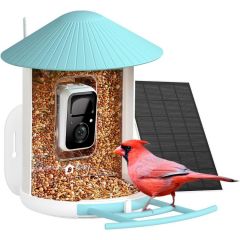
Credit: bestreviews.com
Credit: www.buzzfeed.com
Frequently Asked Questions
What Are The Benefits Of Bird Feeders With Cameras?
Bird feeders with cameras let you watch birds up close from home. They help identify species and capture unique bird behaviors. This adds enjoyment and educational value to birdwatching. Plus, they can deter pests by recording activity around feeders.
How Do Bird Feeders With Cameras Work?
These feeders have built-in cameras that activate when birds approach. Some use motion sensors or continuous recording. They connect to your phone or computer for live streaming or saved videos. This technology provides easy, real-time birdwatching experiences.
Are Bird Feeders With Cameras Expensive To Buy?
Prices vary widely based on features and brand. Basic models cost less, while advanced feeders with HD video and Wi-Fi are pricier. Consider your budget and desired features before purchasing to get the best value.
Can Bird Feeders With Cameras Help Identify Bird Species?
Yes, clear camera images aid in identifying different bird species. High-resolution photos reveal colors and markings crucial for accurate ID. Many feeders also support apps or software to assist with species recognition.
Conclusion
Bird feeders with cameras offer a unique way to enjoy nature. You can watch birds up close without disturbing them. These feeders help learn about different bird species easily. They also make bird watching fun for families and kids. Setting one up takes little effort and cost.
Still, consider your budget and interest before buying. For many, the joy of seeing birds daily is worth it. A simple way to bring wildlife closer to home.




