
Are you frustrated because your bird feeders sit empty day after day? You set them up with care, hoping to see colorful birds fluttering around, but nothing happens.
It’s confusing and disappointing. Why aren’t the birds coming to your feeders? Understanding the reasons behind their absence can help you turn your yard into a lively bird haven. Keep reading to discover simple changes you can make today that will invite feathered friends right to your doorstep.
Common Reasons Birds Avoid Feeders
If birds aren’t visiting your feeders, it’s usually because something in their environment or the feeder setup isn’t right for them. Understanding the common reasons behind their avoidance can help you adjust your approach and invite them back. Let’s look at what might be keeping your feathered friends away.
Poor Feeder Placement
Where you place your feeder makes a big difference. If it’s too close to windows, birds might fear flying into glass. Placing feeders near busy areas or noisy equipment can also scare them off.
Think about where you’ve seen birds naturally perch or forage. Placing feeders near shrubs or trees gives birds a familiar spot to rest before and after feeding. Have you checked if your feeder location offers easy access and safety for birds?
Unsuitable Food Choices
Not all bird foods attract every species. If you’re offering only one type of seed, like sunflower seeds, you might miss out on other birds that prefer suet, nectar, or millet.
Try mixing different seed types or adding fresh fruit. Birds have favorite treats depending on the season and species. Have you experimented with different foods to see which birds show up?
Lack Of Shelter Nearby
Birds want food, but they also need a safe place to hide quickly from predators. If your feeder is out in the open without nearby trees, shrubs, or other cover, birds may avoid it altogether.
Adding natural or artificial shelter near feeders can make a big difference. Even a small brush pile or dense bushes can give birds the confidence to feed. Could a little extra shelter near your feeder change bird activity in your yard?
Predators Scaring Birds
Predators like cats, hawks, or even neighborhood dogs can keep birds away. If birds sense danger, they won’t risk visiting your feeder.
Keeping feeders in open areas where birds can spot predators early helps. You might also consider moving feeders periodically to reduce predator focus. Are you observing any signs of predators around your feeding spots?
Seasonal Changes Affecting Bird Visits
Seasonal changes play a huge role in whether birds visit your feeders. Different times of the year bring shifts in bird behavior, food needs, and movement patterns. Understanding these changes can help you adjust your feeding habits and keep your backyard lively.
Migration Patterns
Many birds travel long distances to find better climates and food sources. During migration seasons, your usual visitors might leave for warmer areas or pass through quickly. If you notice fewer birds, it could be because they are on the move.
Try to provide food that suits both local birds and migrating species. Adding high-energy options like sunflower seeds or suet can attract travelers needing extra fuel. Have you ever seen a sudden burst of different birds after a cold snap? That’s migration in action.
Breeding Seasons
Birds behave differently when it’s time to breed. They may focus more on nesting and less on visiting feeders. Females often stay hidden to protect nests while males search for mates.
During breeding, you might see fewer birds at feeders but more in natural areas looking for nesting materials. Offering fresh water and native plants can support them better than just feeders. Are you providing a safe and quiet environment for birds during this sensitive time?
Weather Impact
Weather changes can directly affect bird activity around feeders. Extreme cold, heat, or storms can reduce visits as birds conserve energy or seek shelter. Sudden weather shifts can also change which species show up.
On cold days, birds need more calories, so you could add high-fat foods like peanuts or suet. After storms, clean feeders and refill them to welcome birds back. Have you noticed how a sunny morning can suddenly bring a flock back to your yard?
Feeder Maintenance Issues
Keeping your bird feeders clean and well-maintained is crucial if you want to attract birds regularly. Birds are sensitive to their feeding environment, and even small issues with your feeders can discourage them from visiting. Let’s look at some common feeder maintenance problems that might be driving birds away.
Dirty Feeders
Birds avoid feeders that are covered in dirt, old seed husks, or droppings. Dirty feeders can harbor bacteria and parasites that make birds sick. I once left my feeder uncleaned for a few weeks, and the birds completely stopped coming. After a thorough cleaning, they returned within days.
Clean your feeders at least once every two weeks, or more often in wet weather. Use warm soapy water and a brush to remove all debris. Rinse well and let them dry completely before refilling.
Moldy Or Spoiled Food
Seed that is damp or old can quickly develop mold, which is harmful to birds. Have you ever noticed birds turning away from your feeder despite plenty of food? Moldy or spoiled seed is often the culprit. It smells off to birds and can cause illness.
Check your food regularly and discard any seed that looks clumpy, discolored, or smells musty. Store your birdseed in a cool, dry place to keep it fresh longer. Offering fresh food shows birds you care about their health.
Damaged Feeders
Broken or cracked feeders can leak seed, get wet inside, or be hard for birds to perch on. I once had a feeder with a missing perch, and the birds struggled to land on it. After replacing the perch, the visits increased noticeably.
Inspect your feeders for cracks, loose parts, or rust. Fix or replace damaged feeders promptly to provide a safe and comfortable feeding spot. Birds prefer feeders that are stable and easy to use.

Credit: happygardens.com
Habitat And Environmental Factors
Birds rely heavily on their surroundings for food, shelter, and safety. Changes in habitat and environmental conditions can cause them to avoid certain areas. Understanding these factors helps explain why birds might skip your feeders.
Urbanization Effects
Urban areas often reduce natural spaces where birds live and feed. Buildings and roads replace trees and plants. Noise and light pollution can scare birds away. These changes make it harder for birds to find quiet, safe spots near feeders.
Competition From Other Wildlife
Other animals may compete with birds for food at your feeders. Squirrels, raccoons, and even insects can scare birds off. These creatures may eat the seeds quickly or create a noisy environment. Birds prefer places where they feel safe and undisturbed.
Changes In Local Vegetation
Plants provide food, cover, and nesting spots for birds. Removing trees or bushes can reduce these benefits. If local plants change, birds might find fewer insects and seeds. Without good vegetation, birds may choose to feed elsewhere.
Tips To Attract Birds To Feeders
If you notice your bird feeders are looking lonely, it might be time to rethink how you’re attracting birds. Small changes can make a big difference in inviting feathered friends to visit regularly. Let’s look at practical ways you can make your feeders more appealing and create a welcoming spot for birds.
Choosing The Right Food
Not all bird food is created equal. Different birds prefer different types of seeds and treats, so offering a variety can boost your chances of attracting more species.
- Black oil sunflower seedsare a favorite for many birds because of their high oil content and thin shells.
- Nyjer seedsattract finches, including goldfinches and siskins.
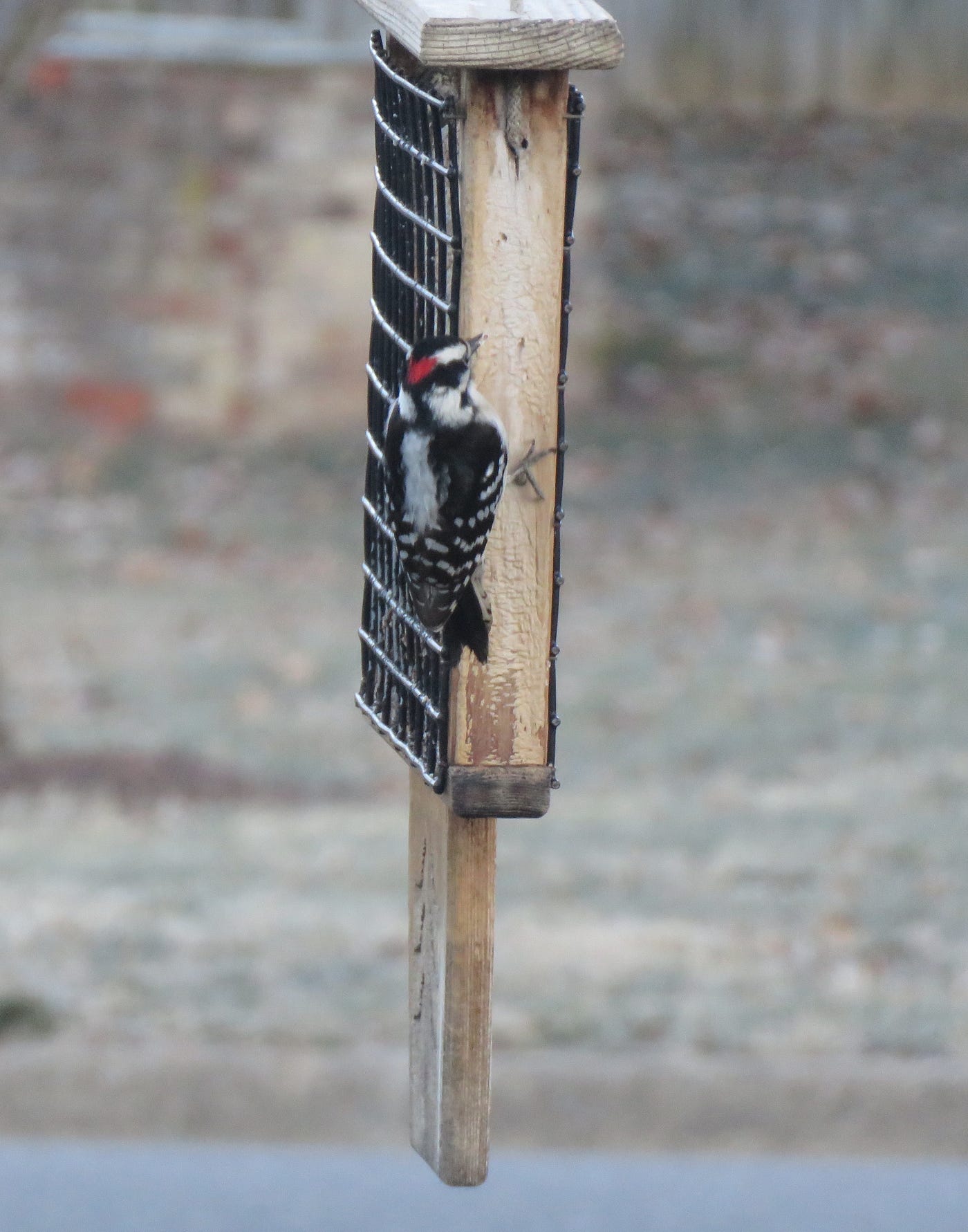
- Suet cakesare great for insect-eating birds like woodpeckers, especially in colder months.
- Adding fresh fruit or mealworms can entice species that don’t usually visit seed feeders.
Have you ever tried mixing seed types or adding a new treat to see if it changes your visitor list? Small tweaks to your food offering can lead to noticeable differences in bird activity.
Ideal Feeder Placement
Where you put your feeders matters as much as what you put in them. Birds feel safer when feeders are placed near natural cover but not too close to places predators can hide.
- Place feeders about 10 feet away from dense shrubs or trees to give birds quick escape routes.
- Keep feeders at least 3-5 feet off the ground to reduce risk from cats and other predators.
- Choose spots visible from your window so you can enjoy watching the visitors and notice when food runs low.
Think about how your yard layout can serve the birds’ need for safety and convenience. Have you observed where birds naturally perch or gather in your yard? Mimicking those spots can increase feeder visits.
Creating A Bird-friendly Environment
Birds look for more than just food. They want a habitat that offers water, shelter, and a safe place to rest. Adding these elements can turn your yard into a bird magnet.
- Provide fresh water with a birdbath or shallow dish. Moving water, like a dripper or small fountain, attracts even more birds.
- Plant native shrubs and flowers to offer natural food sources and shelter.
- Leave some leaf litter or brush piles where birds can find insects and build nests.
- Avoid using pesticides and herbicides that harm the insects birds feed on or the plants they rely on.
Have you noticed how quickly birds disappear from areas that feel unsafe or barren? Creating a welcoming environment encourages them to stick around and bring their friends.
Credit: medium.com
Credit: www.kingsyard.com
Frequently Asked Questions
Why Are Birds Avoiding My Bird Feeders?
Birds may avoid feeders due to poor food quality, wrong feeder placement, or presence of predators nearby. Clean feeders regularly and use fresh seeds. Place feeders in quiet, safe locations to attract more birds.
How Does Feeder Location Affect Bird Visits?
Feeder location impacts bird safety and visibility. Place feeders near shrubs or trees for cover. Avoid noisy, high-traffic areas. Proper placement helps birds feel secure and encourages regular visits.
What Feeder Types Attract More Birds?
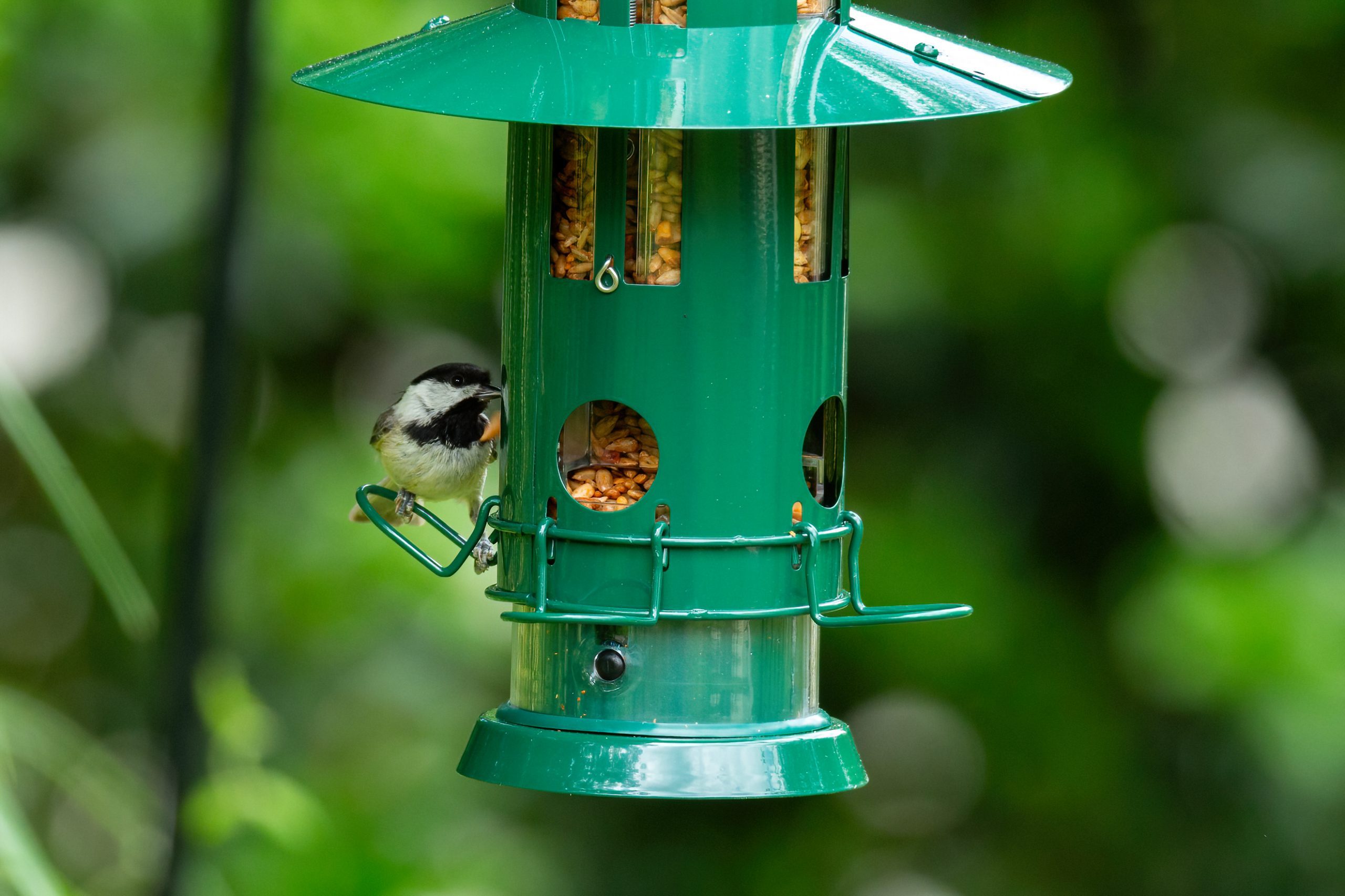
Tube feeders attract small songbirds, while platform feeders suit larger birds. Suet feeders attract woodpeckers and nuthatches. Choose feeder types based on local bird species to increase visits.
Can Weather Influence Bird Feeder Activity?
Yes, extreme weather reduces bird visits. Birds seek natural food during mild weather and prefer feeders during harsh winters. Keep feeders stocked in cold seasons to support birds when food is scarce.
Conclusion
Birds avoid feeders for many simple reasons. Seeds might be old or wet. Feeders could be too noisy or in the wrong spot. Nearby predators or loud sounds can scare them away. Clean feeders and fresh food help a lot.
Try moving feeders to quiet, safe places. Patience matters; birds may take time to visit. Keep watching and adjusting. Soon, your feeders will fill with colorful visitors again.




