
Have you ever wondered if adding a fountain to your bird bath makes it more inviting for birds? You might think birds prefer calm, still water, but the gentle sound and movement of a fountain could actually catch their attention.
If you want to attract more feathered friends to your yard, understanding how birds feel about fountains can help you create the perfect spot for them to drink and bathe. Keep reading to discover the surprising truth about birds and fountains—and how you can make your bird bath a favorite hangout for your winged visitors.
Birds And Water Features
Birds are naturally drawn to water. It’s not just about drinking; water plays a vital role in their daily lives. Watching birds interact with water features can reveal a lot about their behavior and needs.
Why Water Matters To Birds
Water helps birds stay clean and healthy. Bathing removes dust, parasites, and excess oil from their feathers, which keeps them in good flying condition.
Birds also rely on water to regulate their body temperature, especially on hot days. Without easy access to water, they may avoid certain areas altogether.
Have you noticed how birds often choose moving water over still water? The sound and motion can signal freshness and safety, encouraging them to visit more often.
Types Of Bird Baths
Not all bird baths are created equal. The design and water movement can make a big difference in attracting birds.
- Traditional Basins:Simple, shallow bowls that hold still water. They are easy to maintain but may not attract as many birds.
- Fountains:Moving water draws attention and helps keep the water clean. Many birds prefer them because of the fresh flow and sound.
- Misters and Drippers:These create a fine spray or droplets, mimicking natural rain or dew. They can be especially appealing in dry climates.
When choosing a bird bath, think about your local bird species and the climate. Would a gentle fountain encourage more visits in your garden? What about adding a dripper to keep things interesting?
Credit: sunnydazedecor.com
Attraction Of Fountains
Fountains add a unique charm to bird baths, making them more inviting for your feathered visitors. Birds are naturally drawn to water sources that offer movement and sound, which signal freshness and safety. Understanding why fountains attract birds can help you create a more lively and appealing bird bath setup in your garden.
Movement And Sound Effects
Birds notice moving water much faster than still water. The gentle splash or trickle of a fountain mimics natural streams, catching their attention from a distance. This movement also indicates clean, oxygenated water, making it safer and more attractive for drinking and bathing.
Sound plays a key role too. The calming noise of flowing water can drown out other distractions and alert birds to a reliable water source. Have you ever seen a bird hesitate before landing near a dull, still pool? A fountain reduces this hesitation by signaling activity and life.
Visual Appeal To Different Species
Not all birds are attracted by the same things visually. Some species prefer a gentle ripple across the water, while others like a bubbling fountain. Bright reflections and shimmering droplets create interest and can encourage shy or cautious birds to explore.
For example, hummingbirds often respond to the sparkle of water droplets, while larger birds like robins enjoy the easy access a fountain provides. Adding a fountain with adjustable flow lets you experiment and find what works best for the birds visiting your yard.
Benefits Of Fountains In Bird Baths
Adding a fountain to your bird bath does more than just create a charming centerpiece. It brings several practical benefits that can make your bird bath more inviting and healthier for visiting birds. Understanding these benefits can help you decide if a fountain is the right upgrade for your outdoor space.
Improved Water Circulation
Fountains keep water moving, which is a big plus for bird baths. Stagnant water often discourages birds from visiting, but flowing water catches their attention. When water circulates, it mimics natural water sources like streams and rivers, making birds feel safer and more comfortable.
In my own garden, after adding a small fountain, I noticed a steady increase in bird visits. It seemed like the movement of water was a natural signal inviting birds to come and drink or bathe.
Keeping Water Clean
Moving water helps prevent the build-up of dirt, algae, and bacteria. When water stands still, it quickly becomes dirty and can even be harmful to birds. A fountain reduces this risk by constantly stirring the water and discouraging unwanted growth.
This means you won’t have to clean your bird bath as often, saving you time and effort. Plus, cleaner water means healthier birds, which is something any bird lover wants.
Temperature Regulation
Water in a bird bath can heat up quickly on hot days, making it less appealing for birds. A fountain helps regulate the water temperature by promoting evaporation and movement. This keeps the water cooler and fresher for longer periods.
Have you ever noticed birds avoiding baths with warm, still water? Adding a fountain can change that by keeping the water at a more comfortable temperature, encouraging more frequent visits.

Credit: www.reddit.com
Potential Drawbacks For Birds
Birds may avoid fountains if the water moves too fast or splashes too much. Loud noises from fountains can also scare them away. Some birds prefer still water to bathe and drink comfortably.
Bird baths with fountains can add a charming touch to your garden, attracting various feathered friends. However, not all birds are fond of these features. While fountains can provide fresh, moving water, they may also present some potential drawbacks for birds that you should consider.Noise Sensitivity
Birds have acute hearing, and the sound of a fountain can be overwhelming. Some species might find the constant noise unsettling and avoid the bird bath altogether. Have you ever noticed fewer birds visiting your garden after installing a fountain? It might be worth observing if the sound level is a deterrent.Splashing And Safety Concerns
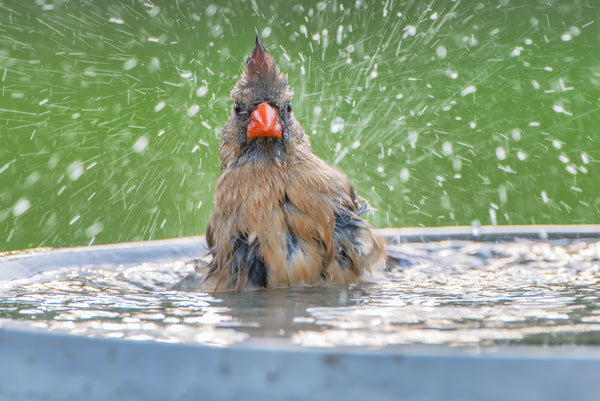
Fountains often create splashes, which can be a double-edged sword. While the movement of water can attract birds, excessive splashing can deter them. Birds might find it difficult to drink or bathe comfortably if they’re constantly dodging water droplets. Safety is another concern. If the fountain creates a strong current, smaller birds could struggle to maintain their balance. Ensure your fountain’s design doesn’t pose any risks by adjusting the flow or choosing a model with a gentle trickle. Incorporating a bird-friendly fountain requires careful consideration of these factors. By understanding potential drawbacks, you can create a more inviting environment for your avian visitors.Design Tips For Bird-friendly Fountains
Designing a bird-friendly fountain can create a soothing oasis for birds. Fountains provide fresh, moving water that attracts our feathered friends. They also add a delightful visual and auditory element to gardens. Consider these design tips to ensure your fountain meets birds’ needs.
Optimal Fountain Size And Height
Choose a fountain that fits your garden’s space. Ensure it’s not too large or small. Birds prefer shallow water, so keep the depth around 1-2 inches. For height, select a fountain that birds can easily access. Low fountains or those with gentle slopes work best.
Water Flow Settings
Adjust water flow to create gentle movement. Birds enjoy the sound of trickling water. Avoid strong jets that may scare them away. A bubbler or a small cascade works well. This encourages birds to bathe and drink comfortably.
Placement In The Garden
Position your fountain in a quiet, safe spot. Choose an area with some shade to prevent water overheating. Ensure there are nearby perches or trees for birds to rest. Avoid placing it too close to feeders, reducing competition for space.
Observing Bird Behavior At Fountains
Birds often show clear reactions around fountains in bird baths. Watching their behavior helps understand their preferences. Some birds are drawn to the moving water. Others may be cautious or avoid fountains altogether. Observing these reactions gives clues about their comfort and enjoyment.
Common Bird Species That Visit
- Robins – enjoy splashing and drinking
- Finches – attracted to gentle water flow
- Sparrows – curious and quick to approach
- Blue Jays – prefer shallow edges with slow water
- Cardinals – often bathe near fountains but stay alert
Signs Of Enjoyment Or Avoidance
- Birds fluttering and bathing show enjoyment
- Frequent visits indicate comfort with the fountain
- Hesitation or brief stops suggest caution
- Birds ignoring the fountain may prefer still water
- Quick flights away signal fear or discomfort
Alternative Water Features For Birds
Providing water for birds goes beyond just a simple bird bath. Birds are often drawn to moving or dripping water, which looks fresher and signals safety. If your bird bath sits still and quiet, you might want to try alternative water features that attract more feathered visitors and keep them coming back.
Drippers And Misters
Drippers and misters create gentle water movement that catches birds’ attention. A slow drip or a fine mist mimics rain or dew, which birds naturally seek out to drink and bathe. You can easily attach a small dripper to your existing bird bath or set up a mister nearby.
In my garden, adding a dripper turned a quiet bird bath into a lively spot. Birds seemed more confident approaching the moving water, and I noticed a wider variety of species stopping by. Have you tried watching how birds react when the water isn’t just sitting still?
Natural Ponds And Streams
Natural ponds or small streams offer birds a water source that feels safe and familiar. They prefer shallow edges where they can easily land and splash without risk. If you have space, a small pond with gentle edges or a flowing stream can become a favorite hangout.
Creating a natural water feature might sound big, but even a shallow basin with a slow trickle of water can attract birds. I once added a tiny stream element with rocks and flowing water in my yard, and it became a hotspot for birds to drink, bathe, and even hunt for insects. Could your outdoor space support a mini-pond or stream?

Credit: www.amazon.com
Frequently Asked Questions
Do Birds Prefer Fountains Over Still Water?
Birds often prefer fountains because moving water attracts them more than still water. Fountains provide sound and motion, signaling fresh water. This encourages birds to visit and drink or bathe, making bird baths with fountains more appealing and beneficial for attracting diverse bird species.
How Do Fountains Affect Bird Bath Usage?
Fountains increase bird bath usage by keeping water fresh and oxygenated. Moving water deters mosquitoes and algae growth, creating a healthier environment. Birds are naturally drawn to the sound and sight of flowing water, which stimulates more frequent visits and longer stays.
Can Fountains Help Keep Bird Baths Clean?
Yes, fountains help keep bird baths clean by circulating water continuously. This reduces stagnant water, which can breed bacteria and insects. Flowing water also prevents debris buildup, ensuring a safer and more hygienic place for birds to drink and bathe.
Are All Birds Attracted To Bird Bath Fountains?
Most birds are attracted to fountains, but preferences vary by species. Songbirds, finches, and sparrows often favor moving water. Larger birds may be cautious but can still be drawn to fountains if water access is safe and shallow. Offering fountains increases overall bird diversity.
Conclusion
Birds often enjoy fountains in their bird baths. Moving water attracts them more than still water. It helps keep the water fresh and clean. Birds feel safer near flowing water. Adding a small fountain can bring more birds to your yard.
Keep the water shallow and change it often. Watching birds play in fountains can be very relaxing. A simple fountain makes your bird bath lively and inviting. Try it and see how birds respond. It adds joy to your outdoor space every day.




