
Are you wondering if you can hang your hummingbird feeder alongside other bird feeders? It’s a question many bird lovers ask.
You want to attract all kinds of beautiful birds, but you also want to make sure your hummingbirds stay happy and safe. Mixing feeders might seem simple, but there are important things you need to know before you do it.
Keep reading to discover how to set up your feeders the right way, so you can enjoy a vibrant backyard full of feathered friends.
Choosing The Right Location
Choosing the right location for your hummingbird feeder is key to attracting these tiny birds. The spot affects how often hummingbirds visit and how safe they feel. It also impacts the feeder’s cleanliness and ease of use. Placing the feeder near other bird feeders is possible but needs careful planning to keep hummingbirds happy and safe.
Ideal Spots For Hummingbird Feeders
Hummingbirds like areas close to flowers and shrubs. These provide natural food and shelter. Hang feeders near windows or patios for easy viewing. Avoid placing feeders too close to busy areas or heavy foot traffic. Keep them at least 5 feet off the ground to deter pests and animals.
Avoiding Predator Hotspots
Predators like cats and larger birds can scare hummingbirds away. Do not hang feeders near thick bushes or low branches where predators hide. Choose open spaces with a clear view for hummingbirds to spot danger. Regularly check the area for nests of aggressive birds and move feeders if needed.
Sunlight And Shade Considerations
Hummingbird feeders need a balance of sun and shade. Morning sun warms the nectar, making it more inviting. Afternoon shade helps keep the nectar fresh and cool. Avoid placing feeders in direct, harsh sunlight all day to prevent nectar spoilage. A spot with partial shade is best for long-lasting nectar.

Credit: www.amazon.com
Combining Feeders Safely
Combining hummingbird feeders with other bird feeders can create a lively backyard scene. Careful setup ensures all birds stay safe and comfortable. Proper placement and feeder choice help avoid conflicts and encourage visits from many species.
Spacing Between Hummingbird And Other Feeders
Keep hummingbird feeders at least 10 feet away from other feeders. This distance reduces competition and stress. Hummingbirds need space to hover and feed without disturbance. Placing feeders at different heights also helps separate bird activity.
Preventing Aggression Among Birds
Some birds can be territorial around feeders. Hummingbirds may chase away other birds, or vice versa. Watch for signs of aggression like pecking or loud calls. Use multiple feeders spread out to give birds room to share. Adding cover nearby offers escape spots for smaller birds.
Feeder Types That Work Well Together
- Hummingbird feeders with nectar attract hummingbirds only.
- Seed feeders attract finches, sparrows, and other songbirds.
- Suet feeders bring woodpeckers and nuthatches.
- Platform feeders suit larger birds like doves or jays.
Choosing feeders by bird type reduces conflicts. Each feeder provides food suited to different species. This variety invites a diverse group of birds to your yard.
Maintenance Tips
Keeping your hummingbird feeder alongside other bird feeders can create a vibrant backyard scene. However, maintenance is key to ensure all birds stay healthy and happy. Proper care not only prevents issues but also keeps your feeders inviting for feathered visitors.
Cleaning Frequency For Mixed Feeders
Regular cleaning is essential when you have different types of feeders together. Nectar feeders require cleaning at least twice a week, especially in warm weather, to prevent fermentation and spoilage.
Seed feeders can usually go longer between cleanings, but check them weekly for mold or old seeds. Setting a cleaning schedule helps you avoid surprises and keeps all feeders safe for birds.
Avoiding Mold And Bacteria Build-up
Mold and bacteria grow quickly in moist environments, especially in nectar feeders. Use a solution of one part white vinegar to four parts water to scrub the feeder thoroughly.
Don’t forget to rinse well to remove any residue that could harm birds. Avoid using harsh chemicals that might leave harmful traces. You’ll notice more birds visiting when feeders stay clean and fresh.
Refilling Strategies To Keep Birds Coming
Refill feeders before they run completely dry to avoid stressing hungry birds. Nectar can ferment quickly in heat, so fresh nectar every two to three days is ideal.
Seed feeders benefit from topping off regularly, but avoid overfilling to prevent waste and pests. Watching your feeders daily helps you spot when it’s time to refill and keeps your backyard buzzing with activity.
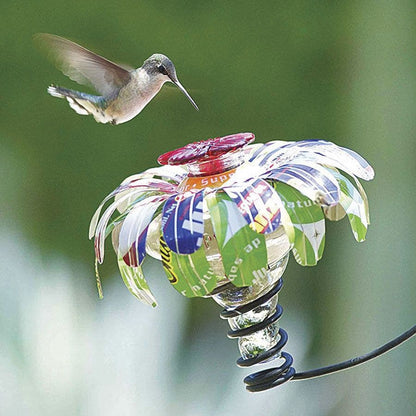
Credit: www.waysidegardens.com
Attracting More Birds
Attracting more birds to your yard can turn your outdoor space into a lively, colorful haven. Using hummingbird feeders alongside other bird feeders is a smart way to invite a variety of feathered visitors. But how can you maximize their appeal to keep birds coming back again and again?
Plant Choices To Complement Feeders
Adding the right plants near your feeders creates a natural environment that birds love. Choose native flowers like bee balm, salvia, and trumpet vine to attract hummingbirds with their nectar-rich blooms.
For other birds, plant shrubs such as elderberry or serviceberry that provide berries and shelter. These plants give birds a place to rest and hide, making your yard feel safer and more inviting.
Using Color And Movement To Draw Attention
Bright colors catch a bird’s eye, especially reds and oranges for hummingbirds. Place feeders with vivid hues where they can stand out against greenery.
Adding small wind chimes or reflective objects nearby can create gentle movement that piques birds’ curiosity. Have you noticed how a gently swaying feeder seems to get more visits? That’s the power of motion.
Timing Feedings For Maximum Visits
Birds have daily routines, so timing your feedings can increase activity. Early morning and late afternoon are peak times when birds look for food.
Refill feeders consistently during these hours to build trust and routine. You might be surprised how quickly birds learn your schedule and return for their favorite snacks.
Troubleshooting Common Issues
Hanging a hummingbird feeder alongside other bird feeders can create a lively backyard scene, but it may also bring some common challenges. Knowing how to troubleshoot these issues helps you keep your feeders clean, safe, and inviting for all birds. Let’s look at practical ways to solve common problems you might face.
Dealing With Ants And Insects
Ants are often the first uninvited guests at hummingbird feeders. You can stop them by using ant moats—small water-filled barriers that prevent ants from reaching the nectar.
Another tip is to keep the feeder clean and avoid spills, which attract insects like wasps and bees. Moving the feeder slightly away from other feeders can also reduce insect traffic.
Managing Squirrel Intrusions
Squirrels can be relentless in their search for food and often damage feeders or scare away birds. Adding a squirrel baffle above or below your feeder can block their access effectively.
Consider placing feeders on poles with metal guards or hanging them from thin wires, which squirrels find hard to grip. Have you noticed if squirrels prefer certain feeder spots? Adjusting feeder location can make a big difference.
Handling Feeder Damage Or Wear
Feeding stations exposed to weather and wildlife may get damaged or worn over time. Regularly inspect your feeders for cracks, leaks, or faded colors that can discourage hummingbirds.
If you spot damage, repair it quickly or replace the feeder to keep nectar fresh and safe. Simple maintenance like washing feeders weekly prevents mold and keeps the nectar attractive.

Credit: www.hummingbirdsociety.org
Frequently Asked Questions
Can Hummingbird Feeders Be Hung With Other Bird Feeders?
Yes, you can hang hummingbird feeders alongside other bird feeders. Just ensure they are spaced well to avoid competition and aggression among birds.
How Far Should Hummingbird Feeders Be From Other Feeders?
Keep hummingbird feeders at least 10-15 feet away from other feeders. This distance helps reduce territorial disputes and ensures hummingbirds feed comfortably.
Will Other Birds Bother Hummingbirds At Shared Feeders?
Some larger birds may bother hummingbirds if feeders are too close. Proper spacing and separate feeding areas help minimize conflicts and protect hummingbirds.
What’s The Best Placement For Multiple Bird Feeders?
Place feeders at varying heights and distances to attract diverse birds. This setup keeps hummingbirds safe and provides an enjoyable birdwatching experience.
Conclusion
Hanging a hummingbird feeder with other bird feeders can work well. Just keep some space between them to avoid crowding. Hummingbirds need easy access to their nectar. Other birds usually eat seeds, so feeders should stay clean. Watching different birds visit your yard can be fun.
You can enjoy many species without problems. Try to place feeders in safe, quiet spots. This helps birds feel calm and visit often. With a little care, all birds can share your garden happily.




