
Have you ever wondered if you can paint your bird bath white? Maybe your bird bath looks old or dull, and you want to refresh it without buying a new one.
Painting it white could give it a clean, bright look that stands out in your garden. But is it safe for the birds? Will the paint last outdoors? You’ll discover the simple steps to paint your bird bath white, the best types of paint to use, and important tips to keep your feathered friends safe.
Keep reading to learn how to transform your bird bath and make your garden more inviting for birds.
Choosing The Right Paint
Choosing the right paint for your bird bath is important for durability and safety. The paint must handle outdoor weather and water exposure. It should also be safe for birds and other wildlife. Picking the correct paint helps your bird bath look fresh and last longer.
Types Of Paint Suitable For Bird Baths
Not all paints work well on bird baths. Acrylic paint is popular because it sticks well and dries fast. It also resists fading from sunlight. Another good choice is enamel paint, which creates a hard, shiny surface. Both types can give a smooth, attractive finish.
Waterproof And Weatherproof Options
Bird baths face rain, sun, and temperature changes. Use waterproof paint to protect the surface from water damage. Weatherproof paint prevents peeling and cracking during cold or hot days. Look for paints labeled as outdoor or exterior for better protection.
Non-toxic Paints For Safety
Birds and other animals drink and bathe in the water. Paint with harmful chemicals can hurt them. Choose non-toxic paints that are safe for wildlife. Water-based paints often have fewer toxins. Always check labels to ensure the paint is bird-friendly.

Credit: www.outdoorescape.com.au
Preparing The Bird Bath Surface
Preparing the bird bath surface is essential before applying white paint. Proper preparation helps the paint stick better and last longer. It also prevents peeling and uneven coverage. Taking time on each step ensures a smooth, beautiful finish that enhances your garden.
Cleaning And Removing Debris
Start by removing dirt, leaves, and old paint flakes from the bird bath. Use a stiff brush or a cloth to clean the surface thoroughly. Rinse with water and let it dry completely. A clean surface allows the paint to bond firmly and look fresh.
Sanding For Better Adhesion
Gently sand the bird bath’s surface with fine-grit sandpaper. This creates tiny rough spots for the paint to grip. Sand evenly and focus on any glossy or smooth areas. Wipe away dust with a damp cloth and let the surface dry again before painting.
Priming The Surface
Apply a coat of primer made for outdoor use and suitable for your bird bath material. Primer seals the surface and improves paint adhesion. Use a brush or spray for even coverage. Allow the primer to dry as per the product instructions before painting white.
Painting Techniques
Painting your bird bath white can refresh its look and protect it from the elements. Choosing the right painting technique is key to achieving a smooth, durable finish. Let’s break down some practical approaches to help you get the best results.
Using Brushes Vs. Sprayers
Brushes give you control and precision, especially around curves and edges. They allow you to work paint into small crevices, which is helpful if your bird bath has intricate designs.
Sprayers cover large surfaces quickly and create a uniform coat without brush marks. However, they require more prep work to protect surrounding areas from overspray. Which tool fits your project depends on the size and detail of your bird bath, as well as your comfort level with each method.
Applying Multiple Coats
One thick coat rarely gives a lasting finish. Applying several thin coats ensures better adhesion and durability. Let each coat dry completely before adding the next—this prevents peeling and uneven texture.
Think about the paint type, too. Some paints, like acrylics, dry faster and allow quicker recoating. Have you noticed how your first coat sometimes looks patchy? Multiple coats will fix that and brighten the white color.
Ensuring Even Coverage
Uneven paint can ruin the look and cause quicker wear. To avoid this, keep your brush or sprayer strokes steady and consistent. Move in one direction and overlap slightly with each pass.
Check your work in different lighting to spot missed spots or drips. If you see any, smooth them out immediately before the paint dries. Are you patient enough to watch for these details? It makes all the difference in a professional finish.
Drying And Curing
After painting your bird bath white, the next crucial phase is drying and curing. This stage affects how long your paint lasts and how well it protects the surface. Skipping proper drying and curing can lead to peeling, cracking, or discoloration.
Ideal Drying Times
Most paints need at least 24 hours to dry to the touch, but this doesn’t mean they are fully cured. Full curing often takes 7 days or more, depending on the paint type and weather conditions.
For outdoor bird baths, aim for a warm, dry day with little wind to speed up drying. Avoid painting before rain or high humidity, as moisture can ruin the finish.
Have you noticed paint that feels dry but still chips easily? That’s usually because it hasn’t cured completely yet. Patience here pays off by ensuring a strong, durable coat.
Protecting The Paint During Curing
While the paint is curing, it’s vulnerable to damage from dust, insects, or sudden weather changes. You can protect it by placing the bird bath in a sheltered spot, like under a covered patio or inside a garage.
If moving the bird bath isn’t an option, consider using a breathable cover to shield it without trapping moisture. Avoid plastic sheets that can cause condensation and affect curing.
Keep children and pets away from the area until the paint fully hardens. This prevents accidental scratches or smudges that are hard to fix once dried.
Maintaining A Painted Bird Bath
Maintaining a painted bird bath helps keep it beautiful and functional. White paint can brighten any garden space, but it needs care to last long. Proper maintenance preserves the paint and protects your bird bath from weather damage. Simple steps keep the surface clean and fresh without harming the paint. Small repairs prevent bigger problems later. A well-kept bird bath invites more birds to visit.
Cleaning Without Damaging Paint
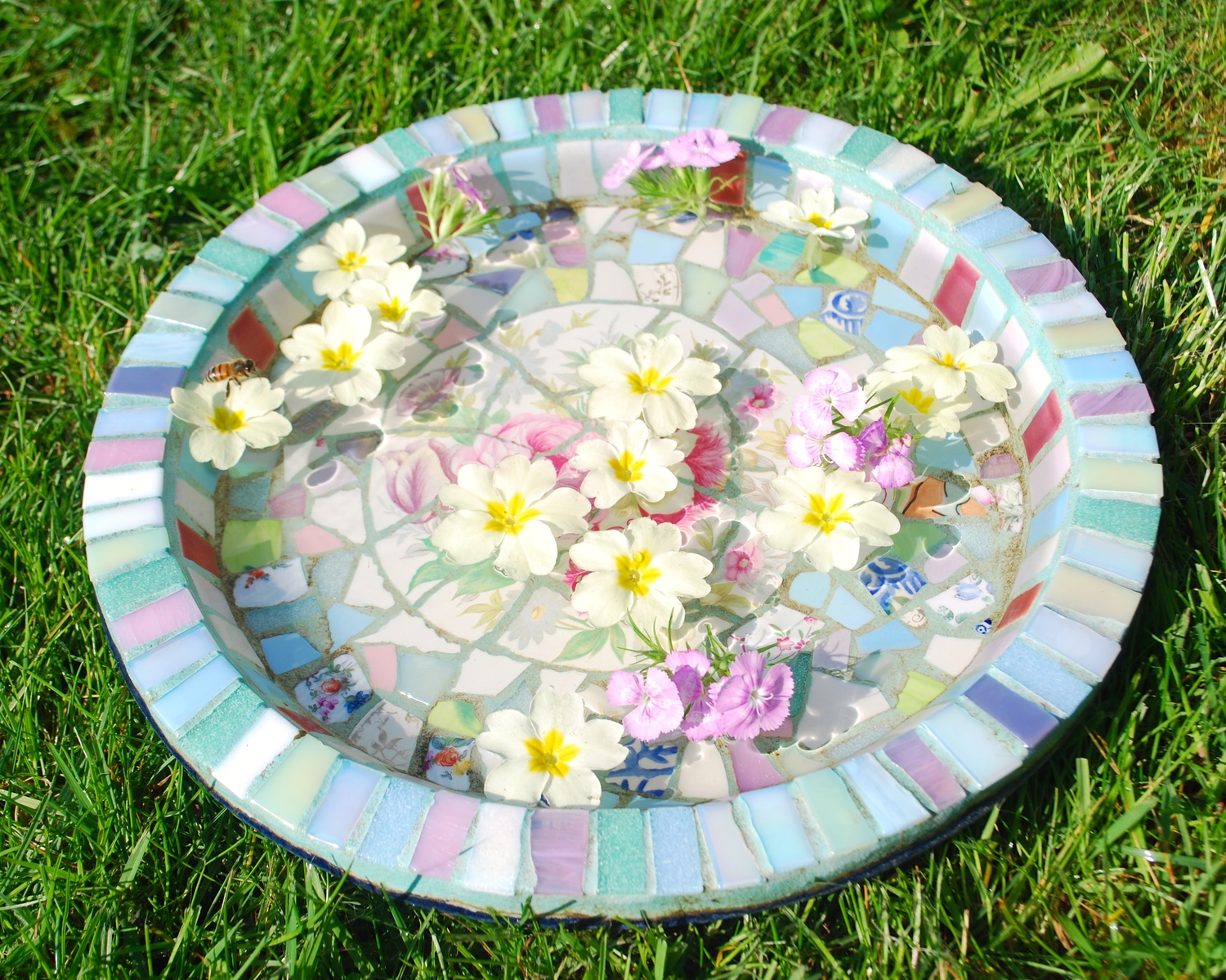
Use gentle cleaning tools like soft brushes or sponges. Avoid harsh scrubbing that can peel or scratch the paint. Clean with mild soap and water only. Rinse thoroughly to remove all soap. Never use bleach or strong chemicals. These can fade or ruin the white paint. Dry the bird bath with a soft cloth to prevent water spots. Clean regularly to stop dirt buildup and keep birds healthy.
Touching Up Chips And Cracks
Check the bird bath often for small chips or cracks. Repair them quickly to stop water from seeping in. Use outdoor paint made for your bird bath material. Match the white paint color as closely as possible. Apply thin layers and let each dry fully. Sand lightly before repainting if needed. Regular touch-ups keep the bird bath looking fresh and new. Protect the paint from peeling and extend its life.
Credit: www.emmaleith.co.uk
Common Mistakes To Avoid
Choosing the right paint for your bird bath is crucial. Avoid using toxic paints that can harm birds. Ensure the paint is safe and suitable for outdoor use to prevent peeling.
Painting a bird bath white can refresh your garden’s look. But mistakes can happen. Avoid these common errors to ensure a safe and beautiful finish.Using Toxic Paints
Choosing the right paint is crucial. Some paints contain harmful chemicals. These can harm birds using the bath. Always opt for non-toxic, bird-safe paint. Check labels carefully before purchasing. Safety should always be a priority.Ignoring Surface Preparation
Surface preparation affects the final result. Clean the bird bath thoroughly. Remove dirt, algae, and old paint. A dirty surface prevents paint from sticking well. Sand the surface for better paint adhesion. This ensures a smooth, long-lasting finish.Painting In Poor Weather
Weather impacts paint drying. Avoid painting on rainy or humid days. Paint takes longer to dry in these conditions. Windy days can blow debris onto wet paint. Choose a calm, dry day for painting. This helps achieve a flawless finish.
Credit: www.dukemanorfarm.com
Frequently Asked Questions
Can You Paint A Bird Bath White Safely?
Yes, you can safely paint a bird bath white using non-toxic, waterproof paint. Ensure the paint is bird-friendly and fully dries before adding water.
What Type Of Paint Is Best For Bird Baths?
Use exterior-grade, waterproof, non-toxic acrylic paint. These paints resist weather and are safe for birds when fully cured.
How Long Should Paint Dry On A Bird Bath?
Allow the paint to dry and cure for at least 24-48 hours. This ensures it is safe and durable for outdoor use.
Will Painting A Bird Bath Affect Water Quality?
Properly cured, non-toxic paint will not affect water quality. Avoid paints with harmful chemicals to keep the water safe for birds.
Conclusion
Painting your bird bath white can brighten your garden space. Choose paint that resists water and weather damage. Prepare the surface well for better paint hold. White paint reflects sunlight, keeping water cooler for birds. Regular touch-ups keep your bird bath looking fresh.
Clean the bath often to protect bird health. A white bird bath adds charm and function outdoors. Simple steps make your bird bath both pretty and safe. Enjoy watching birds gather around your bright, white bath.




