
Are you worried that your favorite backyard bird feeder might be putting birds at risk? You love watching those colorful visitors up close, but have you ever wondered if feeding them could actually spread bird flu?
It’s a question that many bird lovers like you ask, especially when headlines about bird flu outbreaks pop up. You’ll discover the real facts behind bird feeders and bird flu. By the end, you’ll know how to keep your feathered friends safe while still enjoying their company.
Keep reading—your birds depend on it!
Credit: www.michiganaudubon.org
Bird Flu Basics
Understanding bird flu is important for anyone who enjoys feeding wild birds. This section explains the basics of bird flu, how it spreads, and which birds it affects. Knowing these facts helps you keep birds safe and healthy.
What Is Bird Flu?
Bird flu is a viral infection that affects birds. It is also called avian influenza. The virus lives in the bird’s respiratory and digestive tracts. Some types cause mild illness, while others can be deadly.
How Bird Flu Spreads
The virus spreads mainly through contact with infected birds or their droppings. It can also spread by touching contaminated surfaces. Bird feeders can sometimes help spread the virus if not cleaned often.
Bird Species Affected
Bird flu affects many types of birds. Wild waterfowl like ducks and geese carry the virus without always getting sick. Songbirds, pigeons, and poultry like chickens can also catch bird flu. Some species get very sick, while others show no signs.
Role Of Bird Feeders
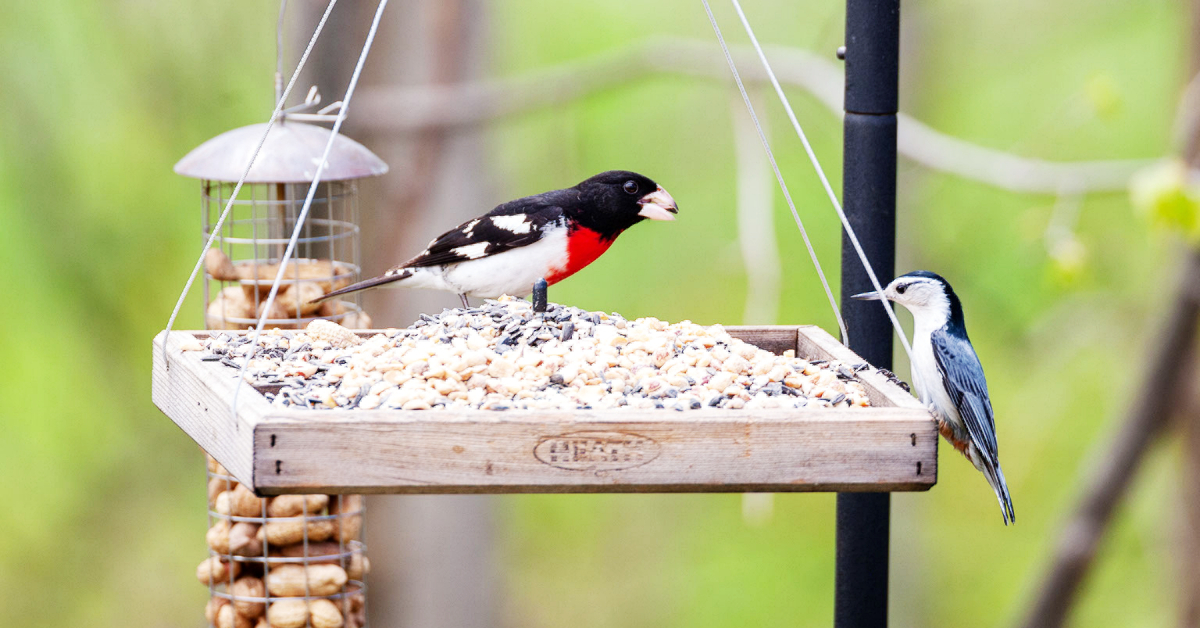
Bird feeders play an important role in attracting wild birds to gardens and outdoor spaces. They provide food that helps birds survive, especially in cold or dry seasons. However, these feeders can also affect how diseases spread among birds. Understanding the role of bird feeders helps us keep birds safe and healthy.
Attraction Of Birds To Feeders
Bird feeders attract many different bird species. They offer easy access to food, which brings birds together in one place. This gathering creates a hotspot where birds feed, rest, and interact. Popular seeds like sunflower and millet draw birds from nearby areas. This makes feeders a favorite spot for birds throughout the year.
Common Contamination Risks
Bird feeders can become a source of contamination if not cleaned regularly. Droppings and leftover food may carry viruses and bacteria. These germs can survive on feeder surfaces for days. Sharing food and water increases the chance of spreading illnesses. Dirty feeders can pass diseases like bird flu among visiting birds.
Bird Behavior Around Feeders
Birds often feed closely together at feeders. They may peck at the same seeds or perch side by side. Sometimes, birds fight or chase each other near feeders. This close contact makes it easier for diseases to spread. Birds also touch feeder parts with their beaks and feet, spreading germs around. Watching bird behavior helps identify risks and improve feeder safety.
Evidence On Transmission
Bird feeders bring joy to many bird watchers. Yet, there is concern about their role in spreading bird flu. Understanding the evidence on transmission helps keep birds and people safe. Research explores how feeders might affect the spread of this virus.
Research Studies On Feeders And Bird Flu
Scientists have studied bird feeders to find if they spread bird flu. Some experiments show viruses can survive on feeder surfaces for hours. Birds touching the same feeder may pass the virus to each other. Still, direct transmission through feeders is not fully proven.
Cases Linking Feeders To Outbreaks
Reports sometimes connect bird flu outbreaks with feeder use. In certain areas, sick birds gathered around feeders before outbreaks. These cases suggest feeders could help spread the virus. Yet, other factors like wild bird migration also play a role.
Limitations Of Current Data
Data on feeders and bird flu is limited and mixed. Studies often have small sample sizes or lack control groups. Virus detection on feeders does not confirm infection spread. More research is needed to understand real risks clearly.
Preventing Spread At Feeders
Bird feeders can bring joy by attracting colorful birds to your yard. But they can also be spots where bird flu spreads. Preventing disease at feeders keeps birds healthy and safe. Simple actions can reduce the risk of illness and help control the spread of bird flu.
Sanitation And Cleaning Tips
Clean feeders regularly to remove bird droppings and old food. Use hot water and mild soap to wash all parts. Rinse feeders well to avoid soap residue. Dry feeders completely before refilling. Clean the area under feeders often to stop germs from building up. Wear gloves while cleaning to protect yourself.
Safe Feeding Practices
Place feeders in open areas to reduce crowding. Spread multiple feeders apart to avoid large groups of birds. Offer fresh food daily and remove uneaten seeds. Avoid feeding birds if you notice sick or dead birds nearby. Stop feeding during outbreaks of bird flu in your region.
Choosing The Right Feeder Type
Use feeders that keep food dry and clean. Tube feeders with small ports limit bird contact. Platform feeders with drainage holes prevent mold. Avoid feeders that allow many birds to feed at once. Choose feeders easy to take apart and clean well.
Monitoring Bird Health
Keeping an eye on bird health is key to understanding if your bird feeder might be a hotspot for spreading bird flu. Observing wild birds closely helps catch early signs of illness. This lets you take quick action to protect both the birds and your local environment.
Signs Of Bird Flu In Wild Birds
Bird flu symptoms can be subtle or obvious. Watch for:
- Unusual lethargy or weakness
- Fluffed-up feathers even in warm weather
- Loss of appetite or difficulty eating
- Swelling around the eyes, neck, or head
- Trouble breathing or coughing
- Sudden death without prior symptoms
Have you noticed birds acting strangely near your feeder lately? Early detection can prevent the disease from spreading.
Reporting Sick Or Dead Birds
If you spot birds showing signs of illness or find dead birds, it’s important to report this immediately. Contact your local wildlife agency or health department to inform them. Avoid touching the birds directly to reduce risk.
Providing details like location, number of affected birds, and visible symptoms helps authorities respond effectively. Your quick report can protect your community’s bird population.
Local Wildlife Health Resources
Most regions have resources dedicated to monitoring and managing wildlife health. These may include:
- Hotlines for reporting sick or dead birds
- Online portals with guidance on bird flu
- Local wildlife rehabilitation centers
- Community workshops or informational events
Knowing where to turn for help makes you a more responsible bird feeder. Have you checked what resources are available in your area? It could make a big difference in protecting the birds you care for.

Credit: www.cbc.ca
Impact On Birdwatching
Bird feeders can be a concern for spreading bird flu. They attract birds, increasing disease transmission risk. Regular cleaning and maintenance of feeders help minimize this risk while enjoying birdwatching.
The bird flu has raised concerns among birdwatchers. Bird feeders attract birds, offering a chance to observe them closely. Yet, worries about spreading the flu through feeders can dampen this experience. Birdwatching requires balancing enjoyment with safety.Balancing Enjoyment And Safety
Birdwatchers must weigh risks and rewards. Observing diverse species brings joy. But safety should remain a priority. Clean bird feeders regularly to reduce disease spread. Use mild soap and water. Rinse thoroughly to remove soap residue. Set feeders in open areas. This allows birds to spread out. Crowded feeders increase disease risk. Watch for signs of illness in birds. Report any sick birds to local wildlife authorities.Adjusting Feeding Habits During Outbreaks
During outbreaks, adjust feeding habits. Remove feeders if necessary. This can prevent flu spread. Offer food sources that minimize contact. Ground feeding or scattered seed can help. Consider planting native plants. They provide natural food for birds. This reduces dependence on feeders. Stay informed about local outbreak updates. Adapt practices based on expert advice.
Credit: www.newsobserver.com
Frequently Asked Questions
Can Bird Feeders Spread Bird Flu Among Wild Birds?
Yes, bird feeders can potentially spread bird flu by concentrating birds. Infected birds may leave contaminated droppings. Proper cleaning reduces this risk effectively.
How To Clean Bird Feeders To Prevent Bird Flu?
Use hot soapy water and a bleach solution (10%) to clean feeders. Rinse thoroughly and dry before refilling. Clean weekly during outbreaks to minimize disease spread.
Should I Stop Using Bird Feeders During Bird Flu Outbreaks?
It’s wise to temporarily stop feeding birds during outbreaks. This limits bird gatherings and reduces disease transmission risks. Resume feeding only when authorities declare it safe.
What Signs Indicate Bird Flu Spread At Feeders?
Look for sick birds showing lethargy, unusual posture, or sudden deaths near feeders. Avoid touching dead or sick birds. Report findings to local wildlife authorities promptly.
Conclusion
Bird feeders can sometimes help spread bird flu among birds. Sharing food and water close together makes it easier for the virus to pass. Cleaning feeders often and placing them apart helps keep birds safer. Watching birds from a distance reduces stress and disease risk.
Feeding birds still brings joy and supports wildlife if done carefully. Stay aware of bird health in your area and act responsibly. Small steps keep birds healthy and your garden lively.




