
Have you ever wondered if your favorite bird feeder could be putting your feathered visitors at risk? You love watching birds up close, but what if the very thing that attracts them also helps spread harmful diseases like bird flu?
Understanding the risks and how to protect your backyard friends is easier than you think. Keep reading to discover what you need to know to keep your bird feeders safe for both the birds and yourself.
Bird Flu Basics
Understanding bird flu is essential to protect both wild birds and humans. This virus affects many bird species and can sometimes spread to people. Knowing the basics helps you take smart steps to reduce risks around bird feeders and other bird habitats.
What Is Bird Flu
Bird flu, also called avian influenza, is a viral infection. It mostly affects birds like chickens, ducks, and wild birds. The virus can cause mild to severe illness in birds. In some cases, it spreads to mammals, including humans. Different strains of bird flu exist, some more dangerous than others.
How Bird Flu Spreads
The bird flu virus spreads through direct contact with infected birds. It also spreads via their saliva, droppings, and nasal secretions. Contaminated surfaces can carry the virus too. Birds feeding at the same spot can pass the virus to each other. Crowded places like bird feeders increase the risk of spreading infection.
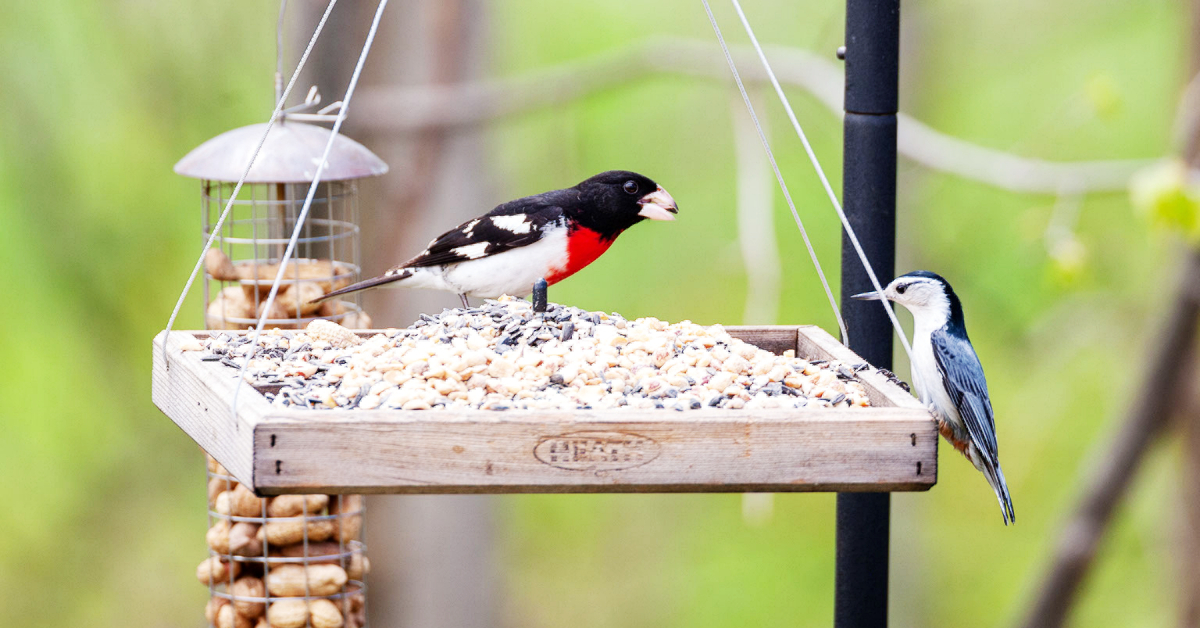
Credit: www.michiganaudubon.org
Role Of Bird Feeders
Bird feeders play an important role in attracting birds to gardens and outdoor spaces. They provide easy access to food, especially during cold months. While bird feeders help birdwatchers enjoy nature, they can also affect bird health. Understanding this role helps us see how bird feeders might influence the spread of bird flu.
Attraction Of Wild Birds
Bird feeders attract many types of wild birds. Birds gather in groups to eat seeds and suet. This close contact between birds increases chances of disease spread. Birds from different areas mix at feeders, sharing the same space. This gathering spot becomes a meeting point for various bird species.
Potential Virus Transmission Points
Bird feeders can become spots where viruses spread easily. Virus particles can stay on feeder surfaces or spilled seeds. Birds pecking at the same feeder may pass viruses to each other. Droppings near feeders also carry viruses. Touching or cleaning feeders without care can spread germs to other birds.
Risks Linked To Bird Feeders
Bird feeders bring joy and life to any garden, but they also carry certain risks. Understanding these risks helps you keep the birds safe and your bird-watching experience worry-free. Let’s look closely at how bird feeders can sometimes become hotspots for spreading bird flu.
Contaminated Surfaces
Bird feeders can quickly become contaminated with viruses. Droppings, saliva, or feathers left on feeding trays or perches create a perfect environment for germs to survive.
When multiple birds touch the same surface, they can pick up and spread infections. Have you noticed how some feeders look dirty after just a day? That’s a sign you should clean them often to reduce this risk.
Close Contact Among Birds
Feeders attract many birds to a small area, encouraging close contact. This closeness makes it easier for viruses like bird flu to jump from one bird to another.
Think about a busy bird feeder during winter mornings. Birds jostle for space, often touching beaks or sharing food. This close interaction can speed up the spread of disease more than you might expect.
Keeping feeders clean and spacing them out can help reduce these risks. How often do you clean your bird feeder? Making it part of your routine protects both the birds and your enjoyment of them.
Preventing Bird Flu Spread
Preventing the spread of bird flu is essential for protecting wild birds and your local environment. Bird feeders can attract many birds, creating a place where viruses spread easily. Taking simple steps helps reduce this risk. Careful habits keep birds healthy and safe.
Regular Feeder Cleaning
Cleaning bird feeders often stops germs from building up. Use hot water and mild soap to wash feeders. Rinse well to remove any soap residue. Dry feeders completely before refilling. Clean at least once every two weeks, more during wet seasons. This practice removes bird flu viruses and other harmful bacteria.
Safe Feeding Practices
Place feeders away from crowded areas to reduce contact between birds. Avoid overcrowding by using several feeders spaced apart. Offer fresh seed daily and remove old or wet food. Use feeders designed to keep seeds dry and clean. Keep the feeding area tidy by clearing fallen seeds and droppings. These steps lower the chance of disease spread.
Monitoring Bird Health
Watch birds at your feeder closely. Look for signs like lethargy, ruffled feathers, or unusual behavior. Sick birds may stop eating or sit quietly for long periods. Report dead or sick birds to local wildlife authorities. Removing feeders temporarily can help stop disease spread if infections appear. Staying alert protects your feathered visitors from harm.
Alternatives To Traditional Feeders
If you’re worried about bird feeders spreading bird flu, there are smart alternatives to traditional feeders that can help keep birds safer. These options focus on minimizing contact between birds and reducing the chances of disease transmission. Let’s look at some practical choices that can make your backyard a healthier place for feathered visitors.
Feeders Designed To Reduce Contact
Feeders that limit bird-to-bird contact can lower the risk of spreading infections. Tube feeders with individual feeding ports keep birds apart as they eat. Hopper feeders with multiple feeding spots also reduce crowding.
Some feeders come with built-in features like:
- Perches spaced far enough to prevent close contact
- Easy-to-clean surfaces to remove waste and debris
- Designs that discourage birds from gathering in large groups
Have you ever noticed how certain feeders attract more birds but also lead to more jostling? Choosing feeders that naturally space out the birds can reduce these risks while still offering plenty of food.
Feeding Locations And Timing
Where and when you place feeders can also impact bird health. Avoid crowded areas where many birds gather, such as near dense shrubs or popular feeding spots. Instead, pick open spaces that allow birds to spread out.
Timing your feeding can help too. Try putting out food at different times of the day to prevent large flocks from forming all at once. Feeding in shorter bursts rather than leaving food out all day can also reduce disease risk.
Have you considered moving your feeders regularly? Changing locations can prevent droppings from building up in one place, which lowers the chance of infection. Small adjustments like these can make a big difference in protecting your backyard birds.

Credit: www.bellinghamherald.com
Community And Wildlife Impact
Bird feeders can offer a delightful view of nature. Yet, they might also pose risks. Understanding their impact on community and wildlife is crucial.
Effect On Local Bird Populations
Bird flu can spread rapidly among birds. Shared feeders may facilitate this spread. Infected birds can transmit the virus to healthy ones. This can lead to a decline in local bird populations. Fewer birds may visit areas they once thrived in. This change can disrupt the local ecosystem.
Public Health Considerations
Bird flu is not just a concern for wildlife. It has potential implications for human health too. Though rare, bird flu can spread to humans. This transmission can occur when handling contaminated feeders. Communities should take precautions to reduce this risk. Regularly cleaning bird feeders can help prevent outbreaks. Public awareness is crucial for maintaining safety.

Credit: www.bellinghamherald.com
Frequently Asked Questions
Can Bird Feeders Transmit Bird Flu To Wild Birds?
Yes, bird feeders can spread bird flu if contaminated. Infected birds leave viruses on feeders, which others may contact, increasing infection risk. Regular cleaning reduces this risk significantly.
How Often Should I Clean My Bird Feeder?
Clean bird feeders at least once every two weeks. Use hot water and mild detergent to kill viruses. Frequent cleaning prevents disease spread among visiting birds.
What Are Safe Practices For Feeding Wild Birds?
Use clean feeders, avoid overcrowding, and remove wet or moldy seed. Monitor bird health and stop feeding if illness appears. These steps help minimize bird flu transmission.
Can Bird Flu Affect Humans From Feeders?
Bird flu rarely spreads to humans from feeders. Direct contact with infected birds or droppings poses higher risk. Always wash hands after handling feeders.
Conclusion
Bird feeders can sometimes help spread bird flu among birds. Sharing food or water can pass viruses easily. Cleaning feeders often lowers the risk a lot. Place feeders where birds don’t crowd too much. Watch for sick birds and remove feeders if needed.
Feeding birds safely helps keep them healthy. Enjoy bird watching while protecting their well-being. Simple steps make a big difference in bird health. Stay aware and care for your feathered friends.




