
Are you worried that your bird feeder might be inviting unwanted guests like rats into your yard? You’re not alone.
Many people love attracting colorful birds but fear that the seeds and spills could be a magnet for rodents. Understanding what really happens around your feeder can help you protect your outdoor space and still enjoy watching your feathered friends.
Keep reading to discover the truth about bird feeders and rats—and learn simple steps you can take to keep your garden safe and inviting.
Bird Feeders And Rodent Attraction
Bird feeders offer a delightful way to enjoy nature up close, but they can also become unintended magnets for rodents. Understanding the relationship between bird feeders and rodent attraction helps you keep your outdoor space clean and your feathered friends safe. Let’s look closely at how feeders draw wildlife and what sets rats apart from other rodents.
How Feeders Draw Wildlife
Bird feeders spread seeds and nuts, which attract more than just birds. The spilled food creates easy meals for many animals, including rodents and squirrels. This abundant food source can lead to increased visits from various wildlife you might not want around.
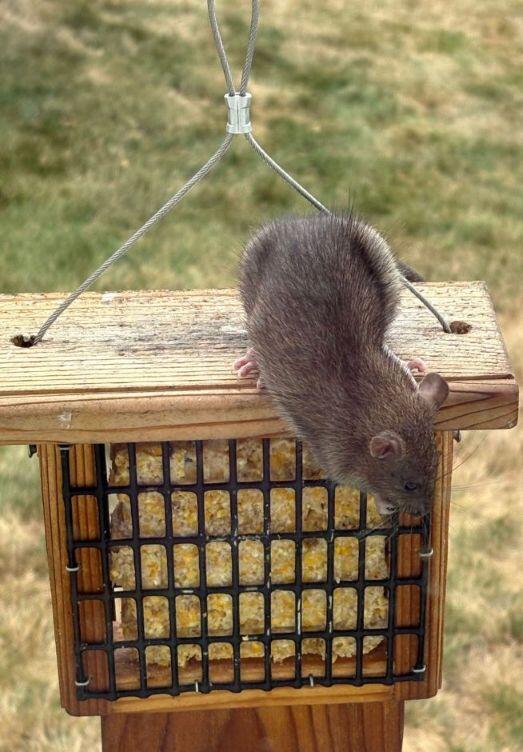
Rats and mice are especially good at finding these feeders. They follow the scent trails and quickly learn feeder locations. If you’ve noticed more scurrying after setting up your feeder, it’s likely because these rodents are taking advantage of the free food.
To reduce unwanted visitors, regularly clean up seed spills and use feeders designed to limit seed scatter. You might also consider placing feeders away from brush or structures where rodents can hide. These small changes can make a big difference in managing who shows up at your feeder.
Rats Vs Other Rodents
Not all rodents behave the same around bird feeders. Rats tend to be larger, more aggressive, and can cause more damage than mice or squirrels. They can climb feeders easily and often come out at night, making them harder to spot during the day.
Unlike squirrels, rats don’t just eat seeds; they also gnaw on wood and wiring, posing risks to your property. Mice are smaller and more cautious, often staying hidden but still attracted to the same food sources. Understanding these differences helps you choose the right prevention methods.
Have you noticed signs like droppings, gnaw marks, or strange noises near your feeders? These clues can help identify whether rats or other rodents are visiting. Taking action early can prevent bigger problems and keep your birdwatching experience enjoyable.
Types Of Feeders And Their Impact
Bird feeders come in different shapes and styles. Each type affects how birds eat and how other animals, like rats, might visit your yard. Choosing the right feeder can help keep unwanted pests away while feeding your feathered friends.
Tube Feeders
Tube feeders are long and narrow with small holes for birds to access seeds. These feeders limit seed spillage, which reduces food on the ground. Less spilled seed means fewer rats attracted to the area. Tube feeders work well for small birds and keep food contained.
Platform Feeders
Platform feeders are flat trays that hold seeds openly. Birds can easily land and eat from these feeders. Unfortunately, seeds often spill onto the ground here. This spilled food can attract rats and other rodents. Platform feeders require more cleaning to prevent pests.
Hopper Feeders
Hopper feeders hold a large amount of seed inside a covered container. Birds eat from a small opening, which helps reduce seed waste. These feeders keep food dry and less accessible to rats. Hopper feeders offer a balanced option to feed birds while limiting rodent visits.
Food Choices That Attract Rats
Choosing the right food for your bird feeder is more important than you might think. Certain seeds and food types can easily attract unwanted guests like rats. Understanding which foods draw rats can help you keep your yard clean and your feathered friends safe.
Seed Types To Avoid
Some seeds are magnets for rats. Black oil sunflower seeds, while popular with many birds, are high in fat and can attract rodents quickly. Millet and cracked corn also tend to spill easily, creating a messy ground buffet that rats love.
Have you noticed more rat activity near your feeder after using mixed seed blends? These blends often contain small seeds and grains that fall to the ground and become irresistible to rats. Avoiding these can reduce the chances of inviting rats to your yard.
Safer Food Options
Choosing safer food options can keep rats at bay while still feeding your birds well. Whole peanuts in shells are less likely to spill and attract rodents. Suet cakes made with ingredients like dried fruits and nuts provide a cleaner feeding option with less mess.
Try switching to nyjer seed, which is favored by finches and doesn’t spill easily. This reduces the food on the ground that rats might scavenge. What if you focused on foods that attract birds but are less appealing to rats? You might find a much cleaner and safer bird feeding experience.

Credit: www.amazon.com
Signs Of Rat Presence Near Feeders
Noticing rats near bird feeders can be a sign of a bigger problem. Rats are attracted to the food left behind by birds. They can create health risks and damage your garden. Spotting early signs helps keep your feeders safe and clean.
Droppings And Tracks
Rat droppings near feeders are small, dark, and pellet-shaped. They often appear in clusters. Look for these droppings on the ground or around feeder stands. Rat tracks may show in soft soil or dusty areas. These tracks look like small footprints with four toes on front paws and five on back paws.
You may also notice greasy marks along walls or feeder poles. Rats leave these marks as they travel the same paths repeatedly. Check for disturbed soil or scattered seeds, which rats leave behind when searching for food.
Damage To Feeders And Surroundings
Rats chew on feeders to get to the seeds inside. This causes holes or cracks in plastic and wooden feeders. Metal feeders may show bite marks or scratches. Check for chewed seed bags or spilled food under the feeder.
Plants and garden borders may show signs of rat damage. Look for nibbled leaves, dug-up soil, or holes in mulch. Rats create burrows near food sources. These burrows can weaken garden structures and harm plant roots.
Preventing Rat Problems
Preventing rat problems near bird feeders is essential for a safe and healthy garden. Rats are attracted to spilled seeds and easy food sources. Taking simple steps can reduce their presence without harming birds. Clean habits and smart choices help keep pests away.
Proper Feeder Placement
Place feeders away from walls and fences. Rats use these to climb and reach food. Hanging feeders on poles with baffles stop rats from climbing. Keep feeders at least five feet above the ground. Avoid placing feeders near brush piles or wood stacks where rats hide.
Regular Cleaning Routines
Clean feeders and trays often to remove spilled seeds. Sweep the ground beneath feeders to prevent seed buildup. Use a brush and mild soap to scrub feeders every two weeks. Dispose of waste far from feeding areas. Regular cleaning reduces food sources that attract rats.
Using Rat-proof Feeders
Choose feeders designed to keep rats out. Look for metal cages or weight-sensitive feeders. These feeders close when heavy animals try to feed. Seed trays with guards prevent rats from reaching the food. Using rat-proof feeders keeps seeds safe for birds only.
Credit: www.mass.gov
Natural Deterrents And Solutions
Bird feeders can attract rats if not managed properly. Ensure feeders are elevated and clean spilled seeds regularly. Use natural deterrents like peppermint oil or cayenne pepper to keep rodents away, maintaining a peaceful garden environment.
To keep rats away, natural deterrents offer effective solutions. They provide eco-friendly ways to maintain a harmonious backyard. Here are some strategies to consider.Plant Choices That Repel Rats
Certain plants naturally repel rats. Mint is a popular choice. Its strong scent keeps rodents at bay. Lavender also works well. It has a pleasant aroma for humans but deters rats. Marigolds are another option. Their pungent smell is unappealing to rodents. Consider planting these around your bird feeders. They add beauty and function to your garden.Safe Repellent Methods
Non-toxic repellents can also be effective. Peppermint oil is a natural rat deterrent. Place soaked cotton balls around the feeder area. Ammonia is another option. Its strong smell can drive rats away. Use small containers with a few drops near the feeder. Ensure these are out of reach from children and pets. Keeping the area clean is crucial. Remove food scraps and fallen seeds promptly. This minimizes the attraction for rats.
Credit: www.providingisloving.co.uk
Frequently Asked Questions
Do Bird Feeders Attract Rats To My Yard?
Yes, bird feeders can attract rats as leftover seeds and spilled food provide easy meals. Proper maintenance reduces this risk.
How Can I Prevent Rats Near Bird Feeders?
Clean feeders regularly and use seed trays to catch spills. Avoid ground feeding and store seeds in sealed containers.
Are Certain Bird Feeders Less Likely To Attract Rats?
Feeders designed to minimize seed spillage, like tube feeders with trays, attract fewer rats. Avoid platform feeders that spill more seeds.
What Types Of Seeds Attract Rats The Most?
Sunflower seeds, millet, and cracked corn often attract rats due to their high nutritional value and ease of access.
Conclusion
Bird feeders can attract rats if not kept clean. Spilled seeds on the ground invite unwanted guests. Choosing feeders designed to reduce seed drop helps a lot. Regularly cleaning the area keeps rats away. Feeding birds responsibly creates a safe space for wildlife.
Enjoy watching birds without worrying about pests. A little care makes bird feeding a joy. Keep your garden healthy and rodent-free at the same time. Simple steps make a big difference in preventing rats. Stay mindful and protect your outdoor space effectively.




